





 English
  Francês
  Alemão
  Italiano
  Japonês
  Norueguês
  Portuguese
  Spanish
  3 min of reading


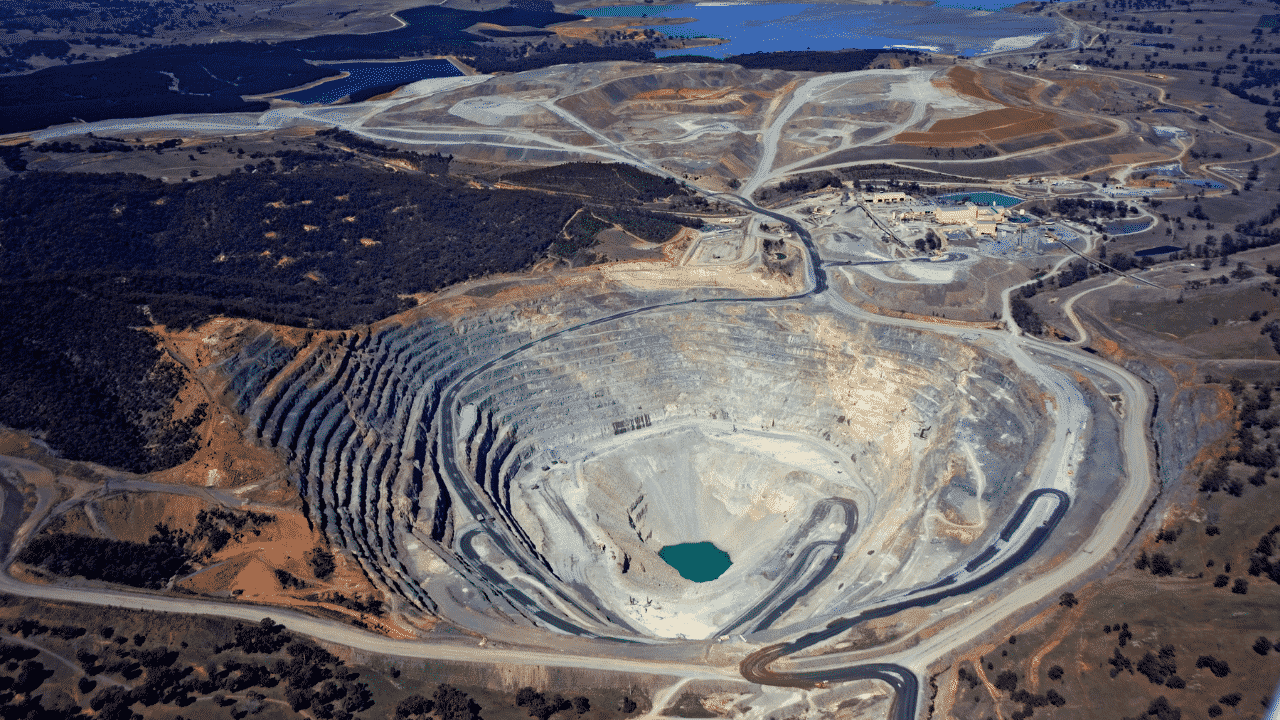
Minerals “Lost” on the Ocean Floor Can Be Mined and New Mining Method Is Causing Controversy
Since time immemorial, our planet has been the stage for complex natural processes that have shaped its structure. A captivating example of this wonder is the formation of minerals from shark teeth, sedimented in the ocean depths for hundreds of meters. Over millions of years, these minerals have accumulated, generating a valuable treasure of precious rocks that has now become the epicenter of a heated global dispute: deep-sea mining, according to Notícias Concursos.
Deep-Sea Mining: The Search for Precious Minerals
In the abyssal depths of the ocean, between 800 and 6,000 meters below the surface, vast reserves of precious minerals can be found, including copper, cobalt, nickel, zinc, silver, gold, and rare earth elements. These minerals play a vital role in the production of technologies ranging from solar panels to electric vehicle batteries.
While advocates argue that these resources are crucial for driving the transition to a low-carbon economy, critics, including environmentalists, researchers, and traditional communities, warn of the potential negative impacts on biodiversity and global warming if this new exploratory frontier is opened without caution.
-
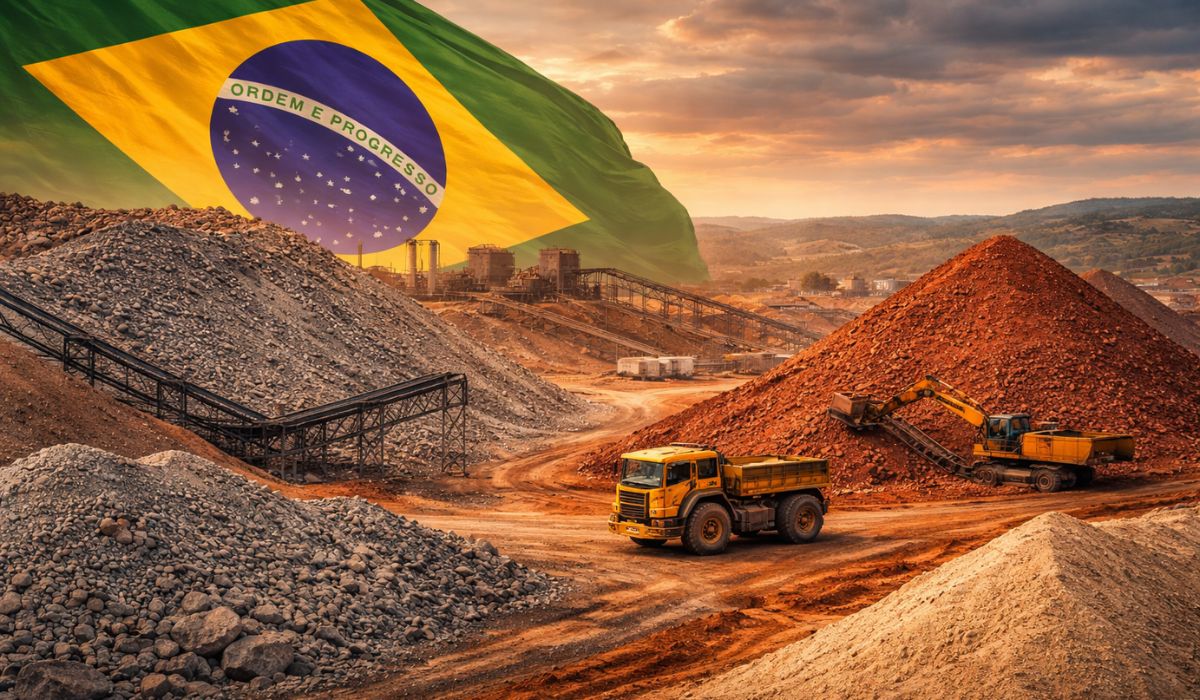
Brazil extracts 26.3 million tons of ore from what was previously treated as waste, transforming residues into wealth, producing over 3 million tons of sand, and demonstrating how national mining is relearning to generate value.
-
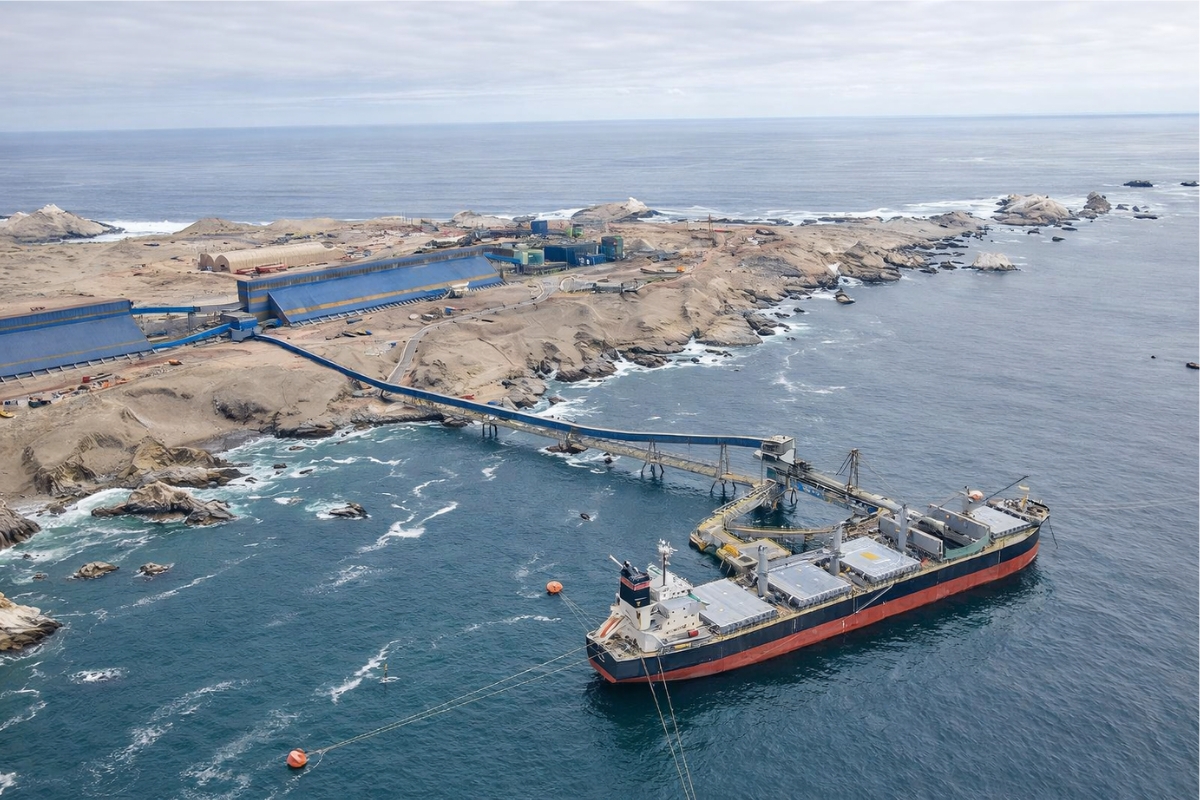
A $3.5 billion megaproject in Latin America pumps desalinated seawater at 1,050 liters per second over 194 km to keep a copper supermine in the Andes operational for another 20 years.
-
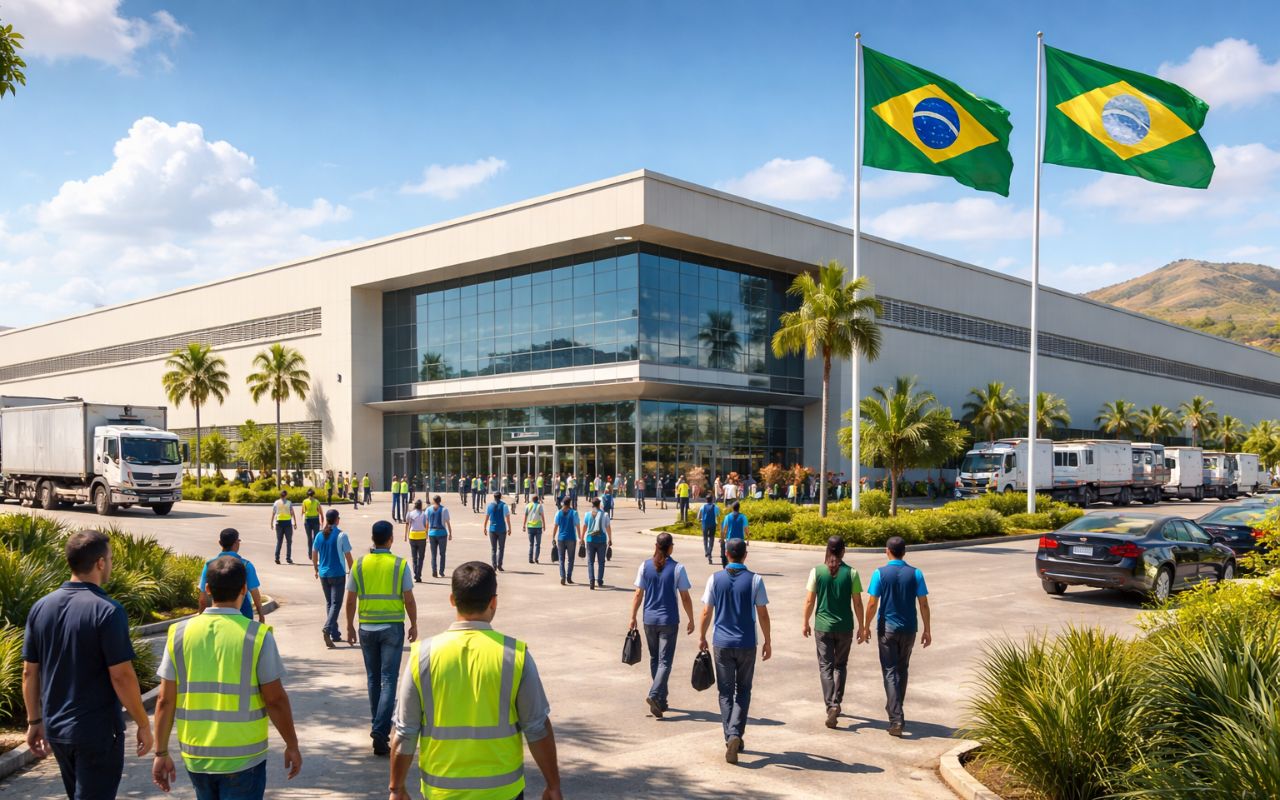
New shoe factory in Ceará is expected to create 400 jobs and strengthen the local economy.
-
No one imagined it, but a mixture of sawdust with a mineral that fights fires surprises scientists with a result that changes the course of fire-resistant construction.


Hidden Treasures in the Depths and Their Geological Formations
Minerals on the ocean floor exist in different geological formations: polymetallic nodules, polymetallic sulfides, and cobalt-rich seafloor massive sulfides. Polymetallic nodules, known to be formed from shark teeth and similar debris, cluster on the abyssal plains over sandy areas.
On the other hand, polymetallic sulfides, composed of sulfur and various metals, develop around hydrothermal vents at depths between 1,000 and 4,000 meters, where submarine volcanic activity is intense. Seafloor massive sulfides, located between 800 and 2,500 meters, contain significant quantities of valuable minerals, especially cobalt.
The Emerging Era of Submarine Mining
Although the wealth on the ocean floor has been known for some time, recent technological advancements and a growing commercial interest have finally made deep-sea mining a tangible possibility. Yet, even after decades of research, the knowledge about these abyssal regions remains limited.
The exploration of mineral reserves on the ocean floor has sparked a complex global debate. Due to the predominantly international location of these minerals, extraction depends on the decisions made by the International Seabed Authority (ISA), an organization linked to the UN.
Divisions and Concerns: Challenges of Submarine Mining
Submarine mining has created divisions among nations and alliances. Countries such as China, Norway, Mexico, and the United Kingdom support this exploration, while a group of 21 countries, including Brazil, advocates for a moratorium to assess the impacts before proceeding. In the case of Brazil, along with other nations, a pause of at least ten years is proposed. However, the environmental concerns related to deep-sea mining are considerable, given its high environmental disturbance, sediment movement, and waste generation.
The marine depths, covering over 90% of the marine environment, play a crucial role in planetary regulation, absorbing and storing significant amounts of carbon dioxide from the atmosphere. Moreover, these areas hide unique ecosystems and ancient life forms adapted to extreme conditions.
As science progresses and debates continue, the future of deep-sea mining remains uncertain. The balance between human development and the preservation of the deep marine ecosystem, which is vital for our planet, is the challenge ahead.






Seja o primeiro a reagir!