





 Portuguese
  English
  Spanish
  3 min of reading
  0 comments


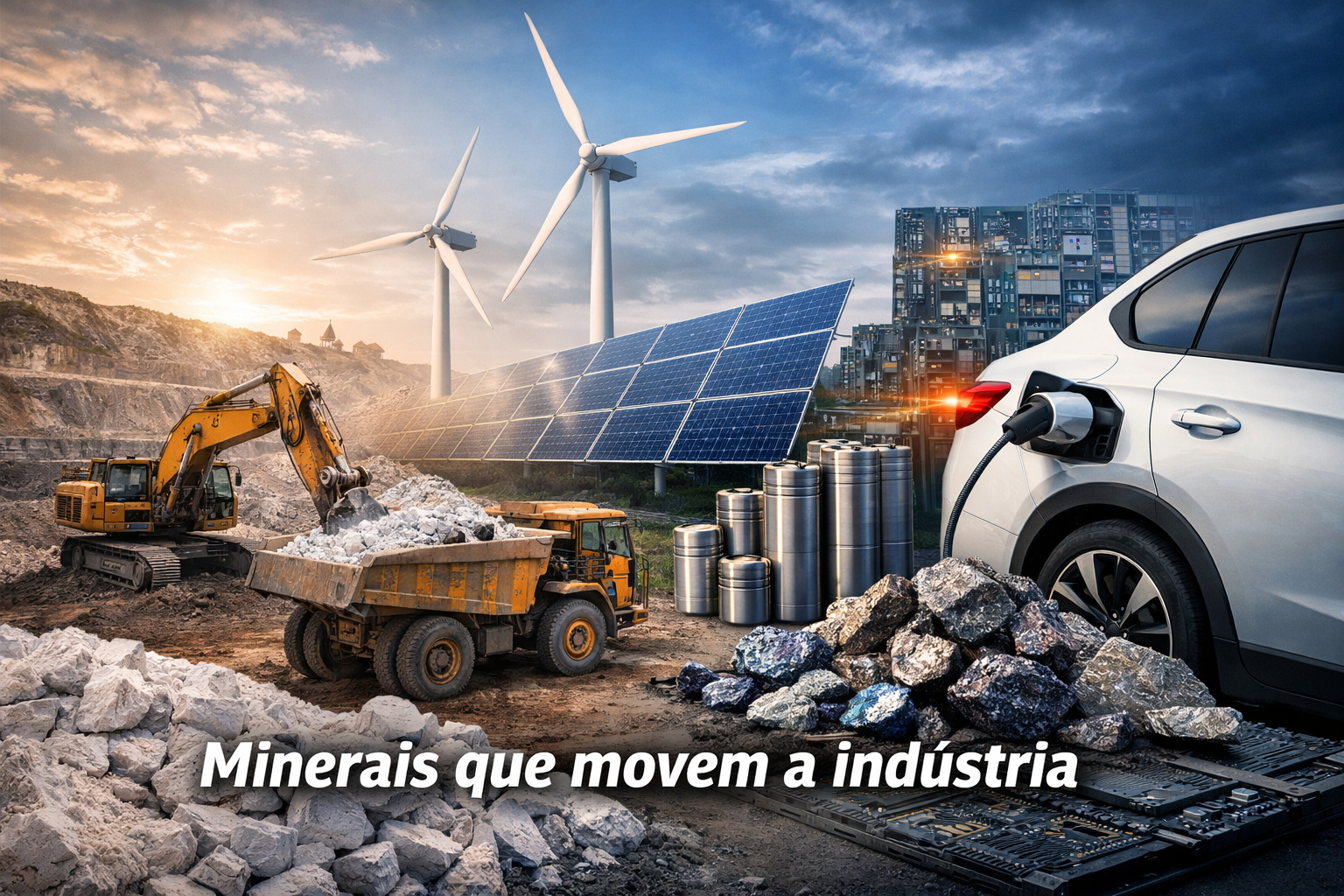
Lithium, Rare Earths, and Cobalt Drive the Global Industry, Impact Energy Security, and Redefine Production Chains.
The lithium, rare earths, and cobalt have become a central engine of the global industry as governments and companies accelerate electrification, digitization, and the energy transition.
Thus, these strategic minerals support essential technologies for electric mobility, renewable energy, and electronic equipment.
In this context, progress is occurring rapidly, driven by the quest for energy security, carbon neutrality, and industrial autonomy. Therefore, mining ceases to be merely an extractive activity and assumes a strategic role in industrial and geopolitical decisions.
-
Brazil extracts 26.3 million tons of ore from what was previously treated as waste, transforming residues into wealth, producing over 3 million tons of sand, and demonstrating how national mining is relearning to generate value.

-
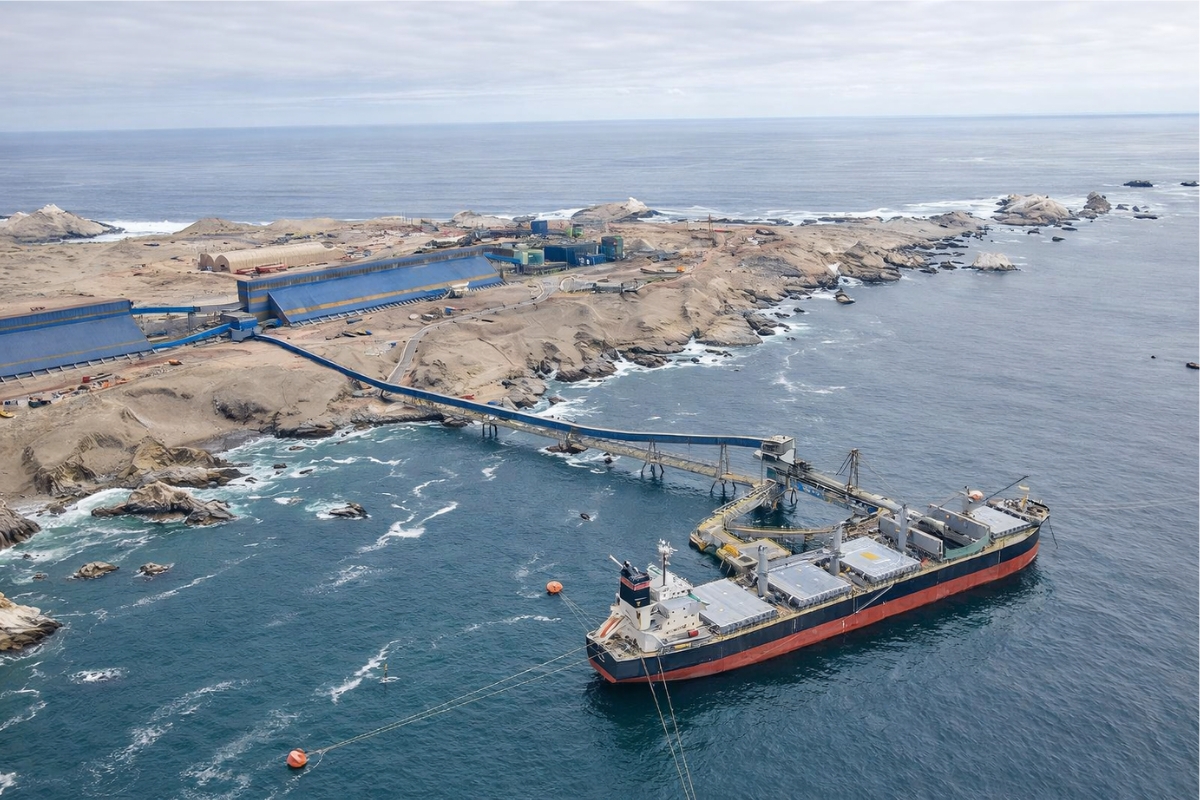
A $3.5 billion megaproject in Latin America pumps desalinated seawater at 1,050 liters per second over 194 km to keep a copper supermine in the Andes operational for another 20 years.
-
A hidden mine in the Andes valued at nearly R$ 1 trillion is starting to attract global attention, containing copper, gold, and silver, and raises an intriguing question: why do Argentina and Chile need to act together to exploit this gigantic wealth?
-
A silent discovery in the interior of Bahia could change the future of energy in Brazil: a uranium reserve in Lagoa Real has an estimated capacity to produce 400 tons per year and is already attracting the attention of energy sector specialists.

Furthermore, the growing dependence on these inputs raises debates about production chains, concentration of reserves, and risks to global supply, especially in a context of international instability.
Strategic Minerals at the Center of the New Global Industry
The demand for lithium, rare earths, and cobalt is growing exponentially as industrial sectors adapt to new technological demands.
According to Ítalo Montrazo, business consultant at the Federation of Industries of the State of Minas Gerais (FIEMG), these minerals support three fundamental pillars of modern industry: energy storage, efficient conversion, and miniaturization of systems.
“These minerals are at the heart of critical technologies for electric mobility, renewable energy, and electronic devices. They have direct applications in batteries, electric motors, turbines, and electronic components,” says Ítalo Montrazo.
Thus, mining these resources has come to be viewed as a strategic issue for countries that wish to maintain industrial competitiveness in the long term.
Lithium Drives the Battery Revolution
Lithium plays a central role in the battery industry due to its unique electrochemical properties. Its high reduction potential allows for the production of lighter, more compact, and efficient batteries, essential characteristics for electric vehicles and energy storage systems.
Moreover, the high ionic mobility of lithium reduces charging time and improves energy performance. “Additionally, lithium maintains chemical stability during thousands of charge cycles, resulting in a long lifespan for batteries.
Therefore, it is essential for the electric vehicle industry and will continue to be so, even with advances in solid-state batteries, which also depend on lithium,” highlights Montrazo.
Rare Earths Support Motors, Turbines, and Electronics
Rare earths are indispensable for the operation of electric motors, wind turbines, and various electronic devices. Elements such as neodymium enable the production of high-efficiency permanent magnets, which reduce weight and increase equipment performance.
“These magnets have the highest magnetic energy per volume of all known materials, making motors more efficient, smaller, and lighter,” explains Montrazo. Furthermore, sensors, displays, and semiconductors depend on these substances, further enhancing their industrial importance.
Cobalt Ensures Energy Security and Stability
Cobalt, often associated with lithium in batteries, is essential for ensuring safety and performance. Its presence in cathode materials increases energy density and contributes to the thermal stability of systems.
“Cobalt also plays a critical role in the thermal stability of batteries, preventing failures like thermal runaway, which can lead to fires or other safety issues,” states Montrazo. Although the industry seeks to reduce its use, cobalt remains indispensable in high-performance applications.
Industrial Impacts and Geopolitical Risks
The mining of lithium, rare earths, and cobalt directly affects the automotive industry, renewable energy, and the electronic sector, as electric vehicles and wind turbines heavily depend on these minerals. Thus, demand is growing rapidly.
However, the concentration of reserves in a few countries, such as China and the Democratic Republic of Congo, creates geopolitical risks. Consequently, supply disruptions can compromise production chains and increase price volatility.
“These minerals are essential for ensuring the continuity of production in several key industries. Supply security and productive autonomy have become central issues in discussions about geopolitics and energy security,” emphasizes Montrazo.
Mining, Recycling, and the Future of Production Chains
In light of this scenario, countries like Brazil are gaining ground by investing in mining and the processing of strategic minerals. At the same time, battery recycling emerges as an alternative to alleviate pressure on natural reserves.
The construction of refineries is part of the re-industrialization of global supply chains. “This movement aims to increase autonomy and reduce dependence on external suppliers, especially from China,” concludes Montrazo.










Seja o primeiro a reagir!