





 English
  Francês
  Alemão
  Italiano
  Japonês
  Norueguês
  Portuguese
  Spanish
 3 min of reading


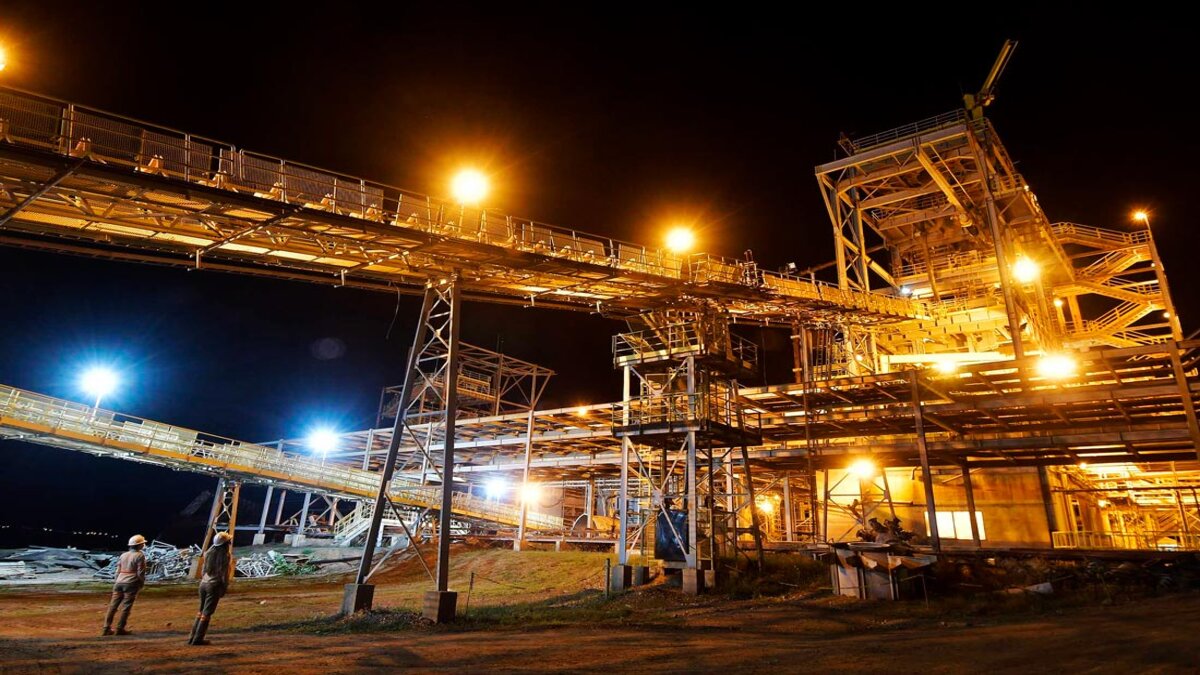
The Adoption of Resin in the Gold Leaching Process Ensures Much More Sustainability to the Ore Beneficiation Process and Equinox Gold Invests in Innovation at Its Newest Mine Opened in the State of Bahia.
Equinox Gold held the inauguration of the Santa Luz Mining, located in the municipality of Santaluz, Bahia, last week, and for this Tuesday (07/12), it invests in sustainability in gold production at the mine. The company adopted the use of resin in the ore leaching process, thus ensuring a much more ecological beneficiation at the mining plant, which is the new bet of the mining company for the state of Bahia.
Santa Luz Gold Mine Is Inaugurated with Innovative Processes to Ensure More Sustainability in Ore Leaching
Equinox Gold continues to expand its presence in Brazilian mining and, after completing an investment plan of around US$ 103 million, inaugurated last week, the Santa Luz Mining, located in the municipality of Santaluz.
In addition to having a new ore exploration plant, the company is also now operating the first industrial plant to adopt the use of resin in the leaching process, ensuring more sustainability in the production chain.
-
Historic bankruptcy of Centauro shocks the market, and the century-old company puts more than 500,000 products, machines, and complete infrastructure up for online auction.

-
Brazil extracts 26.3 million tons of ore from what was previously treated as waste, transforming residues into wealth, producing over 3 million tons of sand, and demonstrating how national mining is relearning to generate value.

-
A $3.5 billion megaproject in Latin America pumps desalinated seawater at 1,050 liters per second over 194 km to keep a copper supermine in the Andes operational for another 20 years.
-
New shoe factory in Ceará is expected to create 400 jobs and strengthen the local economy.


The project has been very beneficial for the state of Bahia, generating about 1,200 jobs directly or indirectly for local residents. Moreover, Equinox Gold’s million-dollar investment ensured that the mine was ready on schedule.
Now, the company is scheduled to begin commercial operations around the end of July, with a production target this year between 70,000 and 90,000 ounces of the metal, which is highly sought after in the international market today.
Thus, the Vice President of Institutional Relations and Licensing at Equinox Gold, Cesar Torresini, commented on the mine’s production potential, which is expected to be 100,000 ounces of gold, stating: “We consider that the Santa Luz Mining will be a turning point in terms of engineering and technology to optimize the gold recovery process through resin. The Brazilian team faced the challenges presented, especially due to a special characteristic of the ore from the region, which is carbonaceous material, studying and testing alternatives until achieving significant results in this sense.”
The Use of Resin for Gold Leaching Is Equinox Gold’s Great Differentiator at Its New Ore Production Plant in Bahia
During the initial tests to verify the best techniques for gold production at the Bahia mine, Equinox Gold utilized activated carbon for the formation of sulfide in the leaching process, but the results were not satisfactory. Thus, the company started using a pilot project that adopted resin instead of activated carbon, which guaranteed the mining company the expected results.
With the adoption of this alternative in the leaching process, the Santa Luz Mining can achieve an average gold purity of 98%. But this is not the only benefit of the alternative to activated carbon, as the company ensured more sustainability in the process, since the carbon was directed to the regeneration furnace, releasing carbon into the environment, while the resin can be reused up to 15 times.
Thus, Equinox Gold continues to invest in the sustainable expansion of its production in Brazil and currently has four active units in the country, contributing to the Canadian miner’s goal of reaching the mark of one million ounces of gold produced per year.








Seja o primeiro a reagir!