





 Portuguese
  English
  Spanish
  2 min of reading


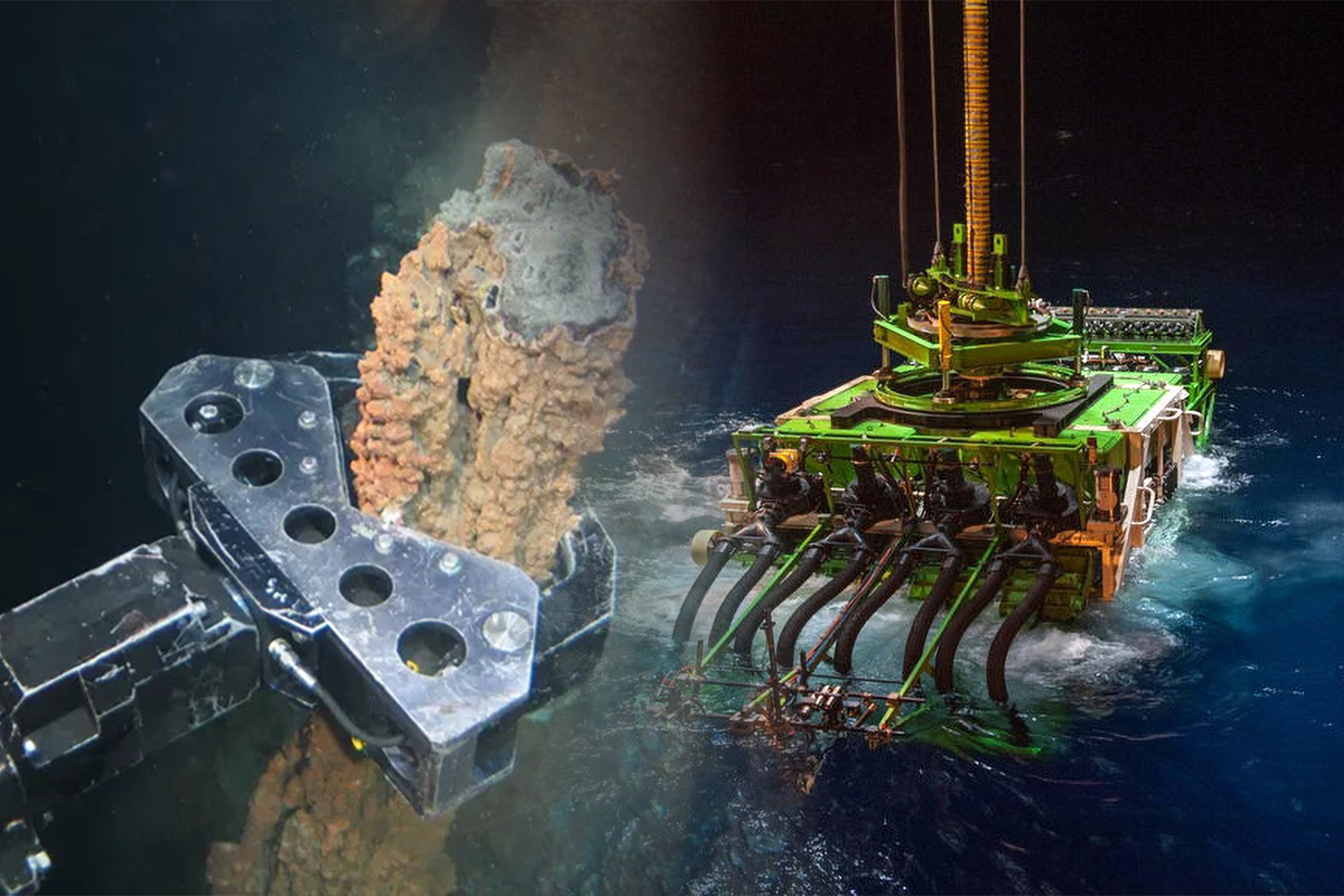
The construction of batteries for electric vehicles requires the use of a variety of rare minerals, and recent discoveries indicate that a large amount of these ores can be found on the seabed. Mining companies are working hard to mine these elements and are already developing techniques and equipment for sea mining.
High amounts of nickel, cobalt, copper, and manganese, which are needed for electric vehicle batteries, have been found in extensive rocky fields below sea level. The abyssal plains, as they are known, are entirely composed of rare minerals. According to the National Oceanic and Atmospheric Administration, the region is more than 3,000 meters deep and accounts for over 70% of the seabed.
The Clarion-Clipperton Zone is a region of the Pacific Ocean covering about 1.7 million square miles and contains 274 million tons of nickel, according to a paper published in the scientific journal Nature. According to the United States Geological Survey, this is equivalent to about 95 million metric tons of previously discovered land deposits. When compared to the 7.5 million tons found on land, the seabed hosts 44 million tons of cobalt.
-
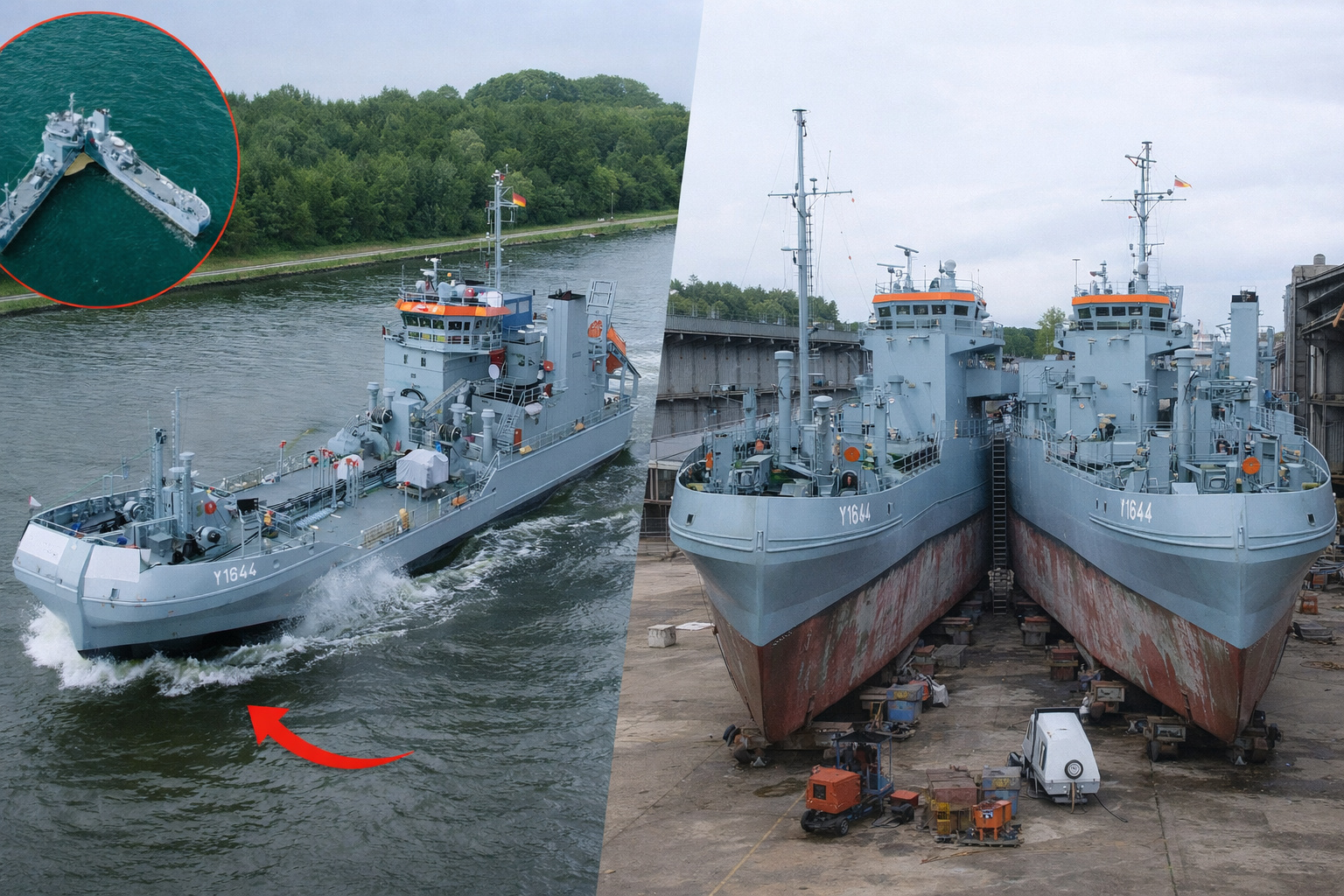
The German ship Bottsand splits its hull in two halves in the middle of the ocean to swallow spilled oil on the surface, separating the oil from the water inside a 790 cubic meter tank and then closing again. It is the only ship in the world factory-designed to split in half as part of normal operations, and the crew of six people who operate everything is civilian.
-
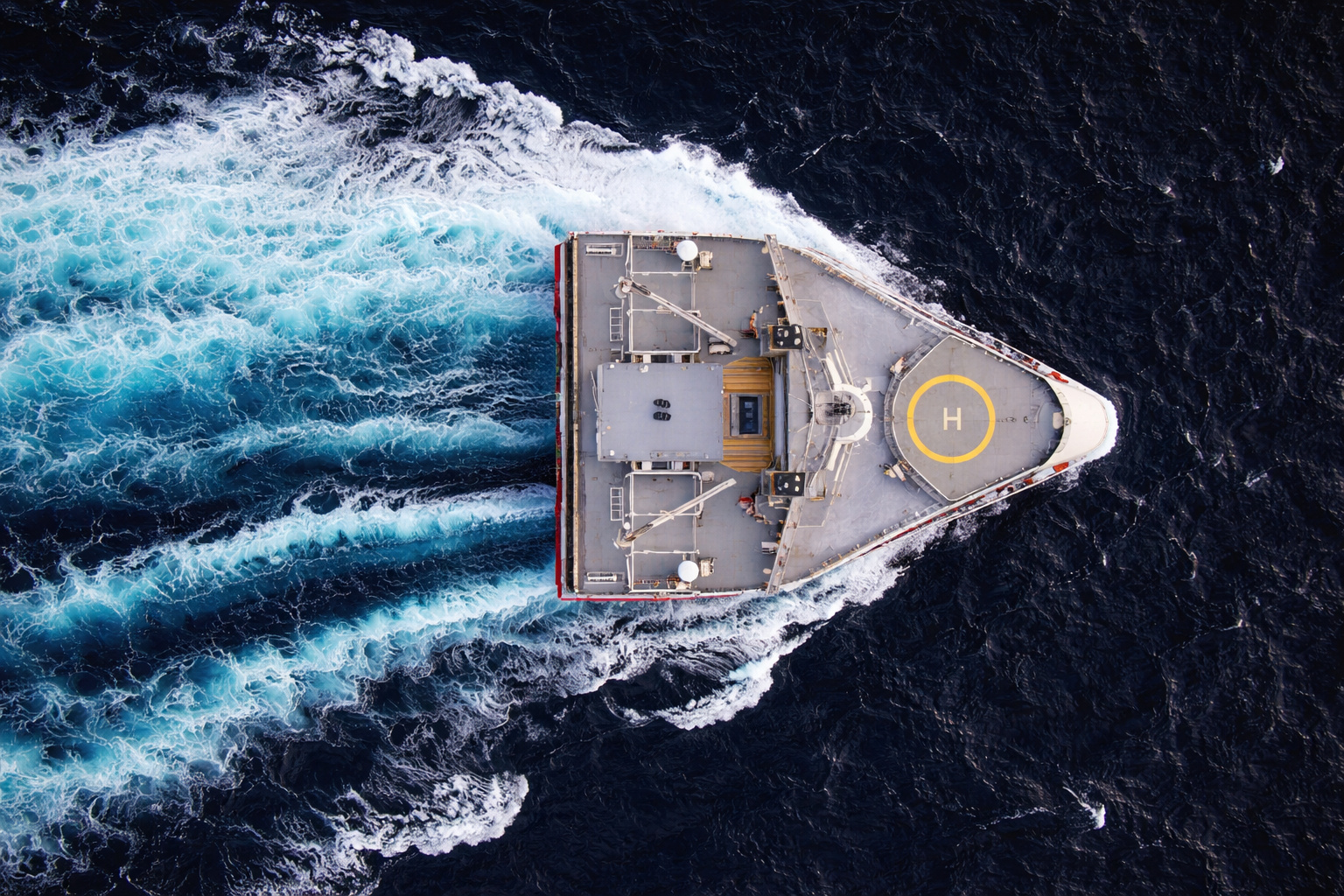
With almost 70 meters in width at the stern and a shape resembling a “giant slice of cheese,” the Ramform Titan tows up to 24 seismic cables to sweep the ocean floor in 3D and reveal oil reserves hidden beneath kilometers of sediment.
-
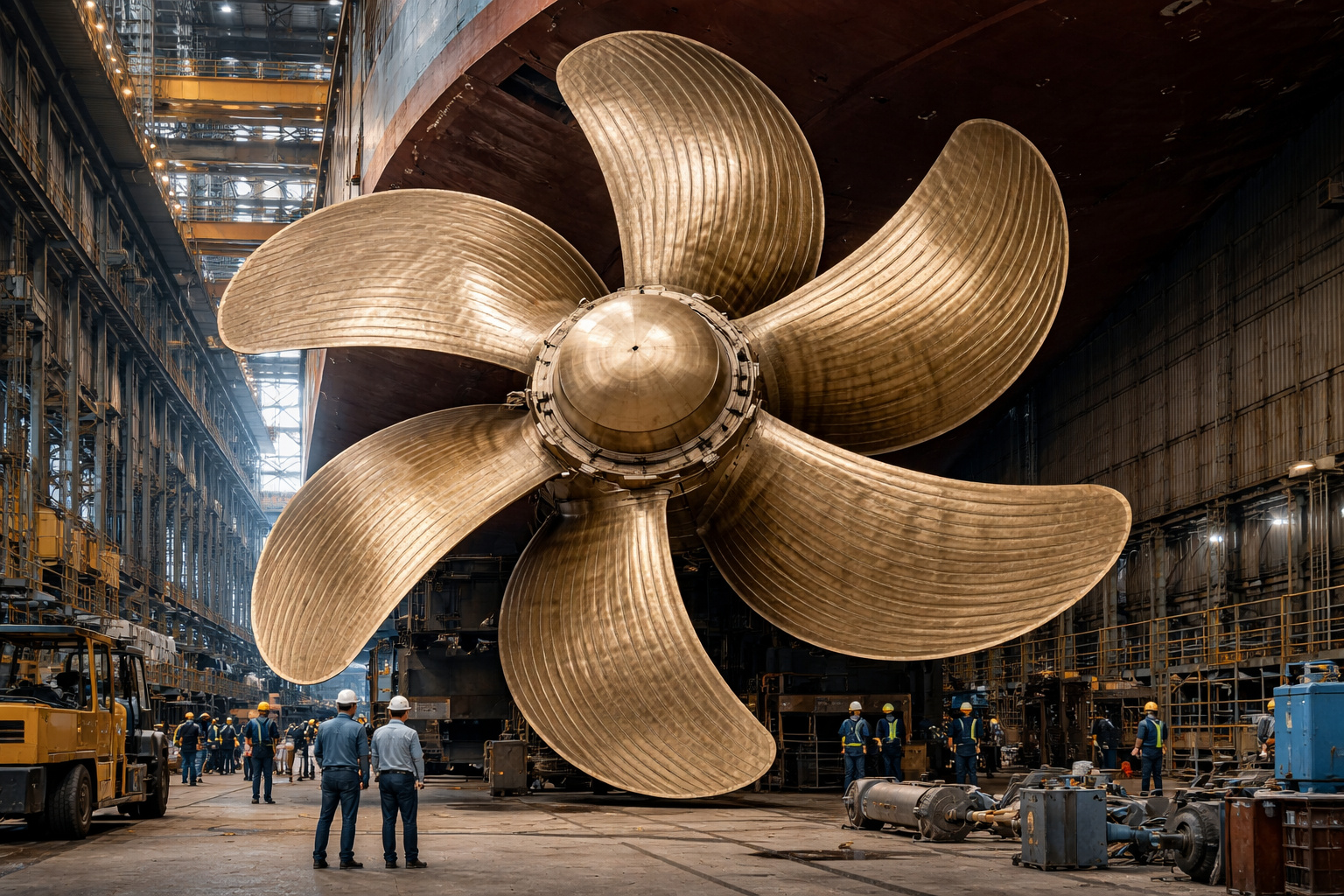
How a 131-ton, 11-meter propeller supports 90% of global trade and transforms the largest container ships on the planet.
-
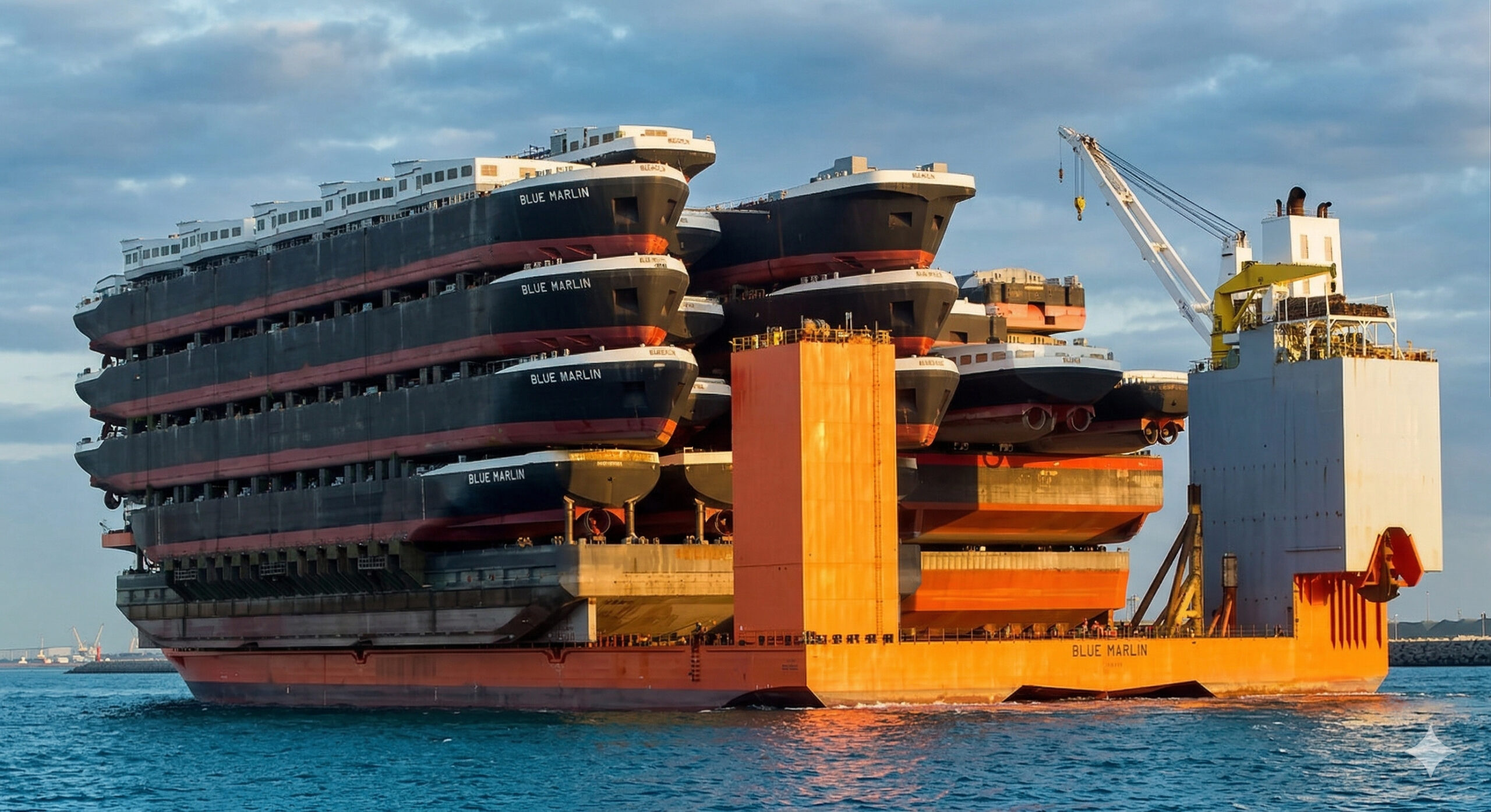
With a length of 225 meters and a capacity of 76 thousand tons, this ship “sinks” its own deck down to 28 meters deep to accommodate war destroyers, oil platforms, and giant radars floating above, and then emerges with everything intact on top like a colossal tray crossing oceans.

The rocks covering the seabed are called polymetallic nodules and are the size of potatoes. These rocks contain much more nickel and cobalt than any deposit found to date on land.
Mining Companies Strive to Obtain Precious Minerals Located on the Seabed
Although this type of mining is not yet practiced on a large scale, major mining companies are already eyeing these seabed minerals. One potential benefit that companies anticipate is that the process will involve loading ore onto ships, which will reduce the number of steps required in the supply chain. One of the most contested regions is the Clarion-Clipperton Zone, due to its accessibility to the North American market. This zone is located between Mexico and Hawaii.
The location of the resources and the environmental, geopolitical, and labor challenges associated with them make deep-sea mining more challenging, according to many experts’ opinions. On the other hand, environmental organizations are working to slow the race so that more information about the effects of this type of mining on the environment can be gathered.
In the Clarion-Clipperton Zone, a mining company from Vancouver, Canada, reported that it was successful in its attempts to collect polymetallic nodules from the seabed. The mining company, working in partnership with the Swiss offshore company Alieseas, used enormous vacuums and a tube that extended two miles to successfully load 15 tons of nodules onto a ship.





Seja o primeiro a reagir!