





 Portuguese
  English
  Spanish
  3 min of reading


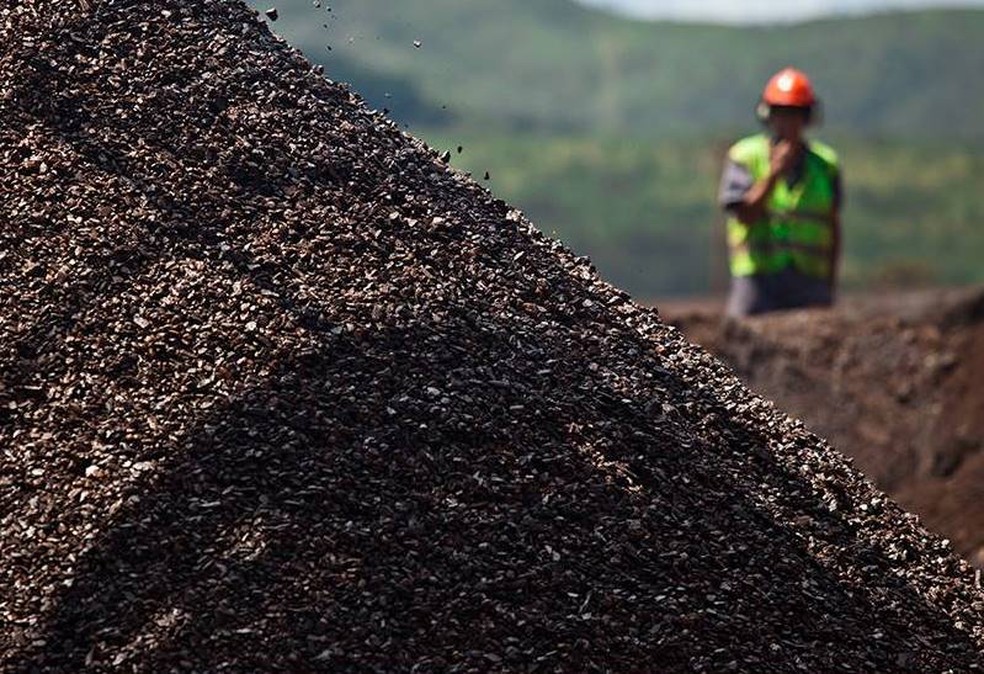
On the last Monday (01), during the eve of the All Souls’ Day holiday, the ore faced a decline of 18 points, resulting in a drop of 15%. The negative variation is due to a devaluation in the Chinese trade sector, which has been experiencing a stagnation and a slowdown in manufacturing during the Covid-19 pandemic, which has already resulted in over 600,000 deaths and about 21 million recorded cases just in Brazil. In China, there were nearly 100,000 recorded cases with a death toll of 4,636 at the time this article was closed. The country has become a reference in fighting the pandemic, as well as in mass vaccination of the population.
According to a survey published by the China Iron & Steel Association, iron production fell more in October than in 2017. The market is facing a global crisis that is also affecting Brazil: currently, also due to accumulated inflation that reaches 10.2%, the price of a bar exceeds R$ 60 in construction materials, while the average in 2017 was R$ 20 or less.
- Read More:
- Video: United States Develops Robot with Human Abilities. It’s Amazing What It Can Do
- Solar Energy in Mato Grosso Will No Longer Be Taxed After New Government Decision
- 30 Job Openings for Occupational Safety Technicians to Work in the Wind Energy Sector in Rio Grande do Norte
Oil prices are experiencing a slight decline this week. However, they remain at their peak for the last 2 years: the average price of each barrel exceeds US$ 80 internationally. In March 2020, the largest drop was US$ 22. The Chinese, as a way to combat this constant and monthly rise, are considering new ways to stabilize through renewable energy within companies and for vehicles.
-
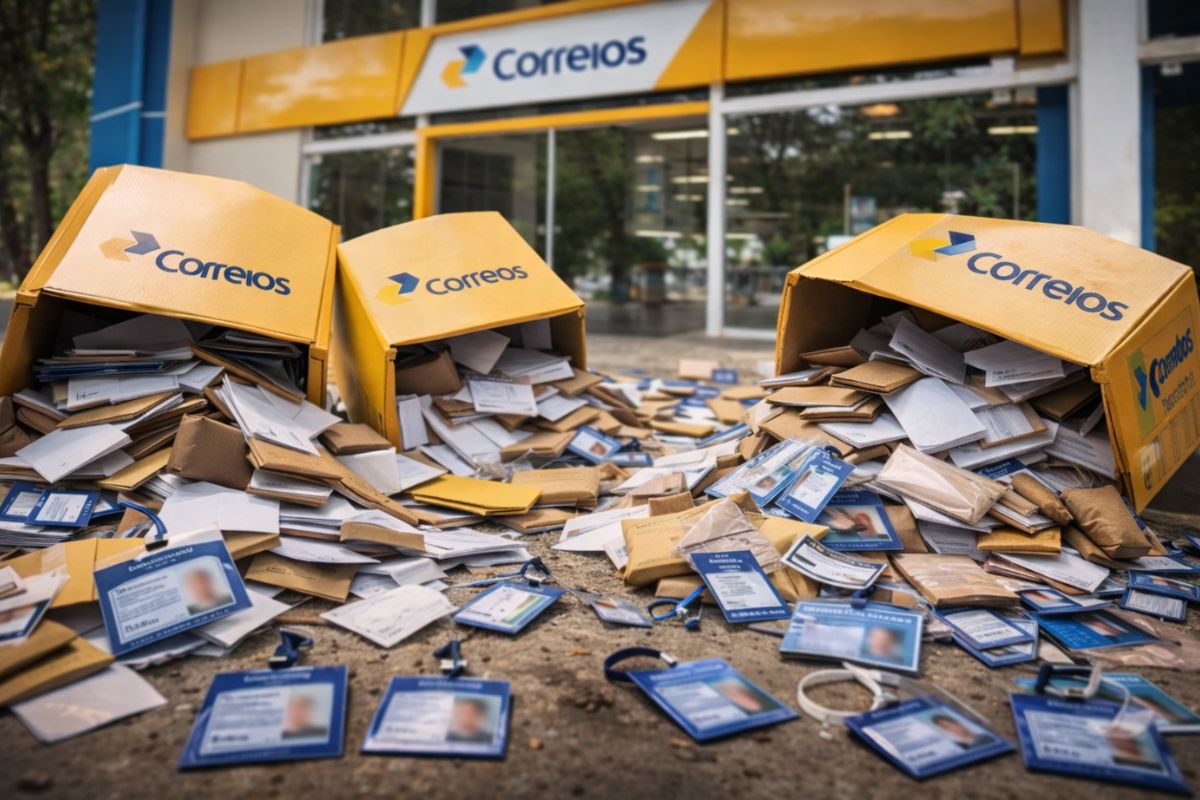
Correios lose more than 3,000 employees in mass layoffs and still aim to reach 10,000 dismissals in an attempt to save a state-owned company that has accumulated losses of R$ 6 billion and a negative net worth of R$ 10 billion.
-
Latin America is stagnant, and Brazil is part of the problem, says the World Bank in a report that highlights Argentina as the main positive exception in the region thanks to fiscal adjustment and Milei’s reforms.

-
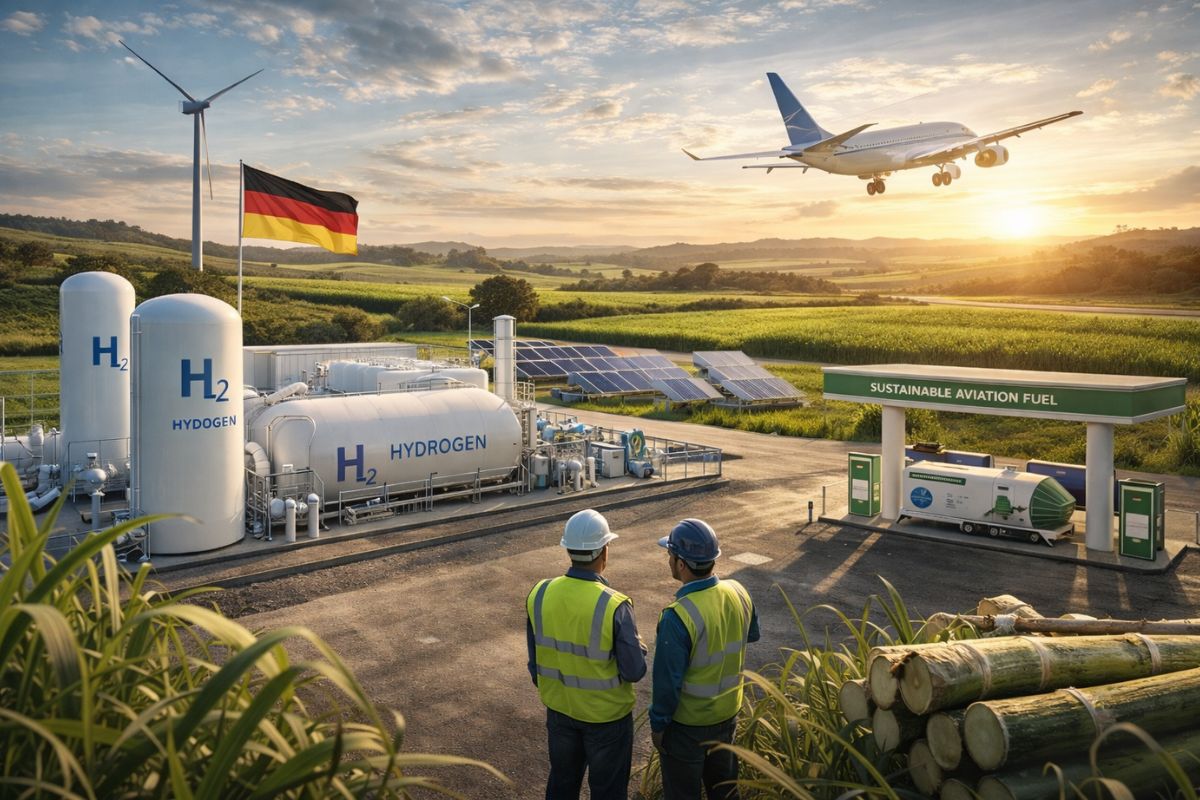
Germany is investing in the interior of São Paulo to test the production of green hydrogen and aviation fuel made from sugarcane in a partnership with Cocal and Siemens that could change the Brazilian energy sector.
-
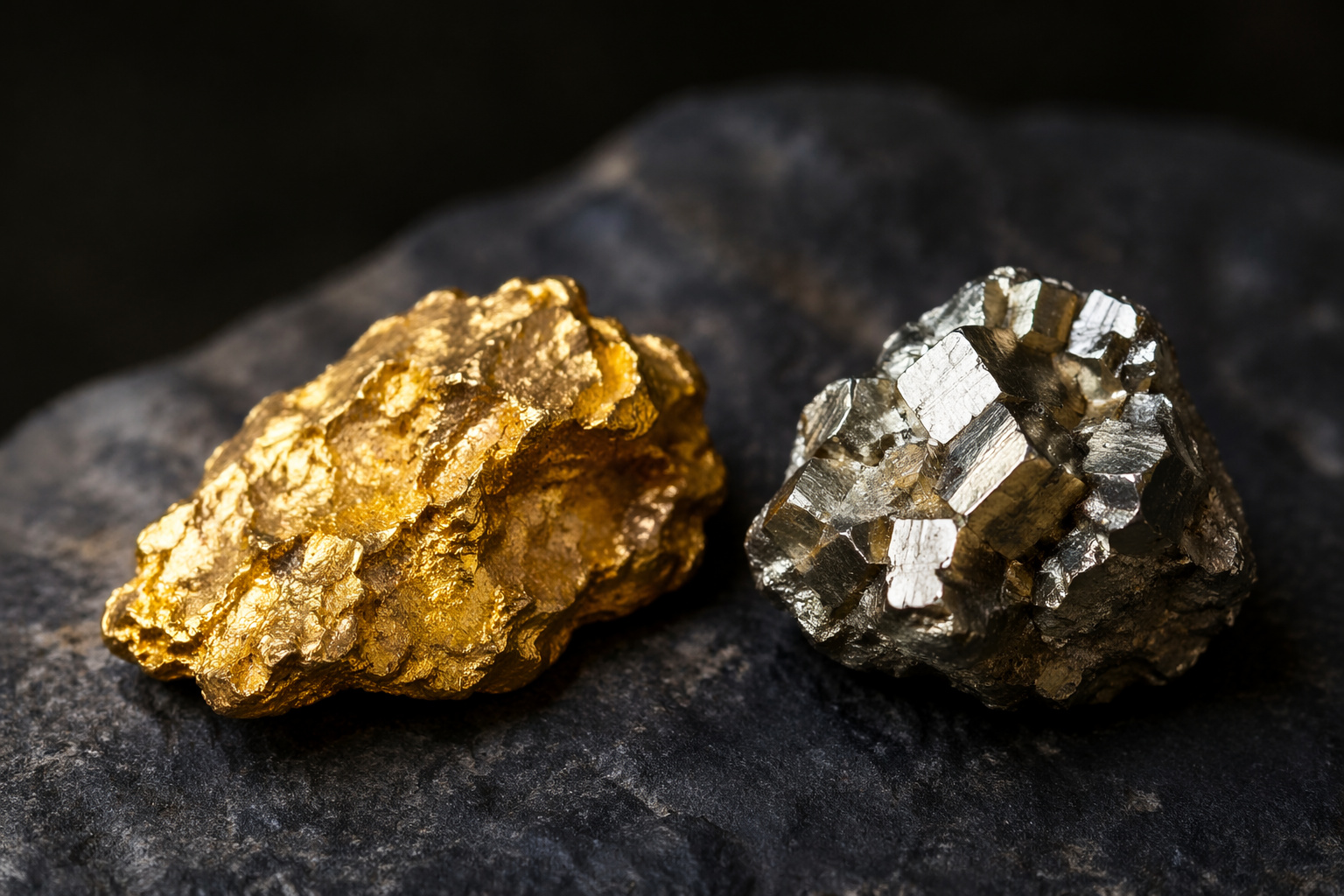
France takes 129 tons of gold from New York, profits $15.1 billion, and raises alarms in Europe fearing to leave reserves under U.S. control.

The ore market is also facing a production collapse in the country, and meanwhile, prices rose about 5% in 2020. The pandemic, according to some economists, was one of the causes. The internal debt, which reaches 80% of GDP, as well as IPCA indexes, are directly impacting the market and its values.
Taxation increased in 2020 and 2021. And, as a way to ensure a reduction in prices, it was only recently that the federal government determined the freeze on ICMS based on the percentages from the last two years. Tax revenue this year reached a record, totaling R$ 171.270 billion just in July.
More About the Economy in China: The Ban on Energy Spending, Beyond Ore
Recently, China banned its citizens from mining cryptocurrencies due to high energy consumption and the impossibility of conducting such mining. Bitcoin, which is at one of its highest peaks and enriching many wealthy funds, is priced around R$ 350,000 while Ether surpassed the R$ 24,000 mark, setting a historical record. As a result, many companies had to shut down and sell off graphics cards as well as other relevant materials.
The country also enacted a ban on trading itself. Now, it is no longer possible to buy or sell assets. One of the only currencies accepted in the region, therefore, has been the digital YUAN, which allows for international transactions without conversion fees, unlike the competitor, the dollar, which closed the last Monday (01) at R$ 5.66.







Seja o primeiro a reagir!