





 Portuguese
  English
  Spanish
  5 min of reading
  19 comments


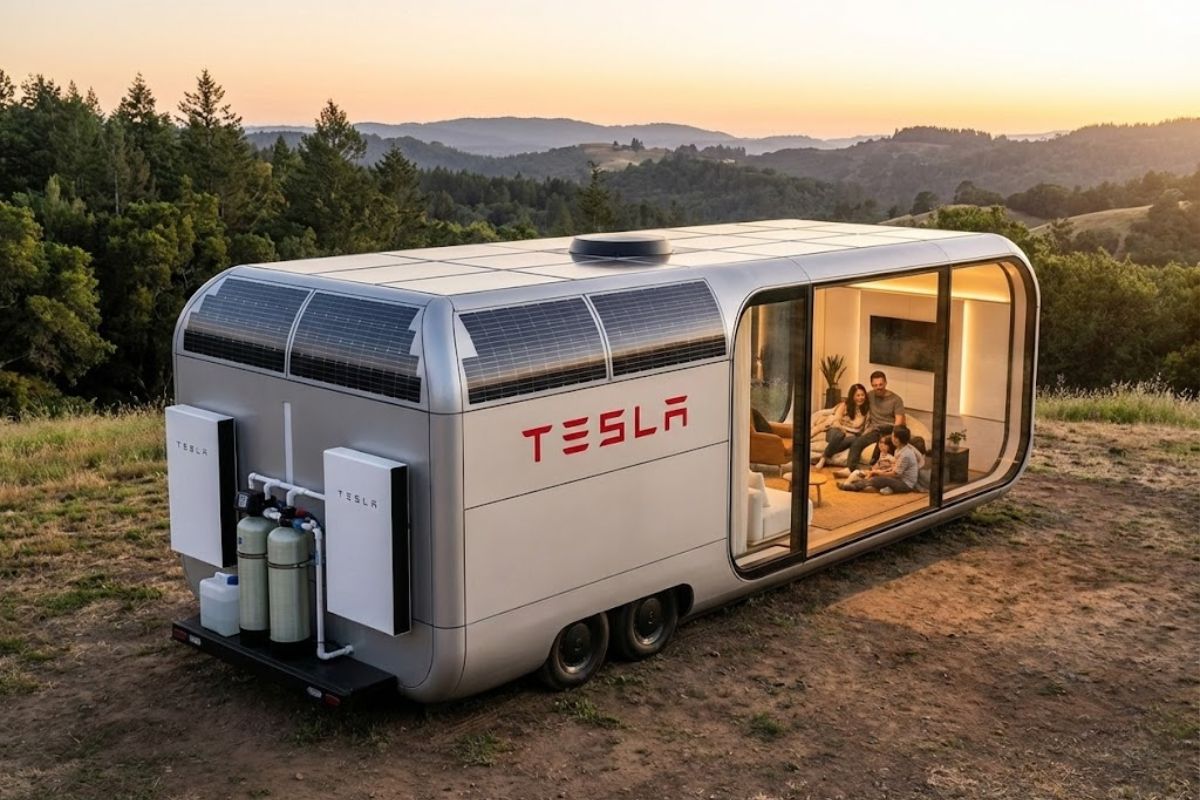


With 76 square meters, the Tesla Tiny House combines solar panels, a built-in battery, water reuse, and automation with artificial intelligence to allow living away from the city, reducing fixed costs, gaining daily comfort, and transforming the property into a truly self-sufficient and sustainable system for small families and couples.
On October 31, 2025, the Tesla Tiny House drew attention again after a video and social media posts detailed the compact housing project of 76 square meters, featuring its own solar energy, integrated battery, and a water reuse system designed to function almost like an off-grid house. The proposal is to deliver a ready-to-use module, already complete with structure, electrical installation, climate control, and embedded automation.
During this same period in 2025, the discussion about housing tightened even more due to rising costs in big cities and pressure on urban infrastructure. The Tesla Tiny House emerges as a response to the desire to reduce fixed expenses, gain energy autonomy, and have more freedom to live away from large centers without giving up comfort.
What Is the Tesla Tiny House
The Tesla Tiny House is a compact home designed for one or two people, with about 76 square meters distributed in multifunctional spaces.
-
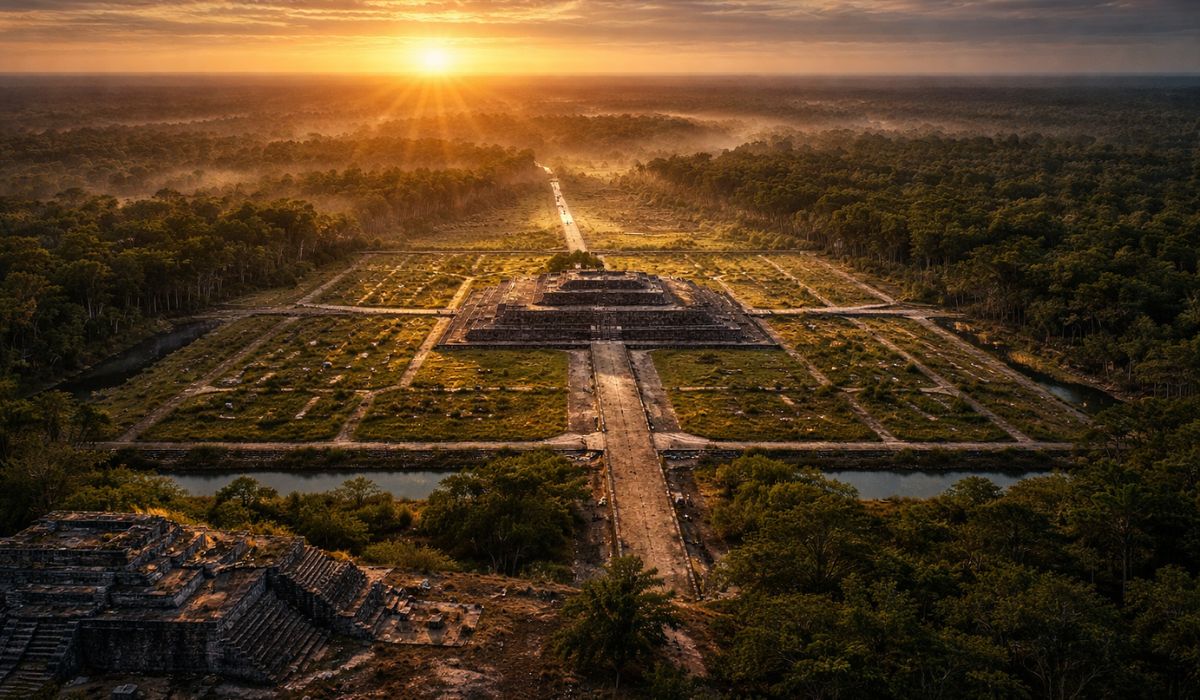
In Mexico, a 3,000-year-old Maya site with the dimensions of an entire city may have been built as a colossal map of the cosmos, created to represent the order of the universe and reveal how this people organized space, time, and rituals.
-
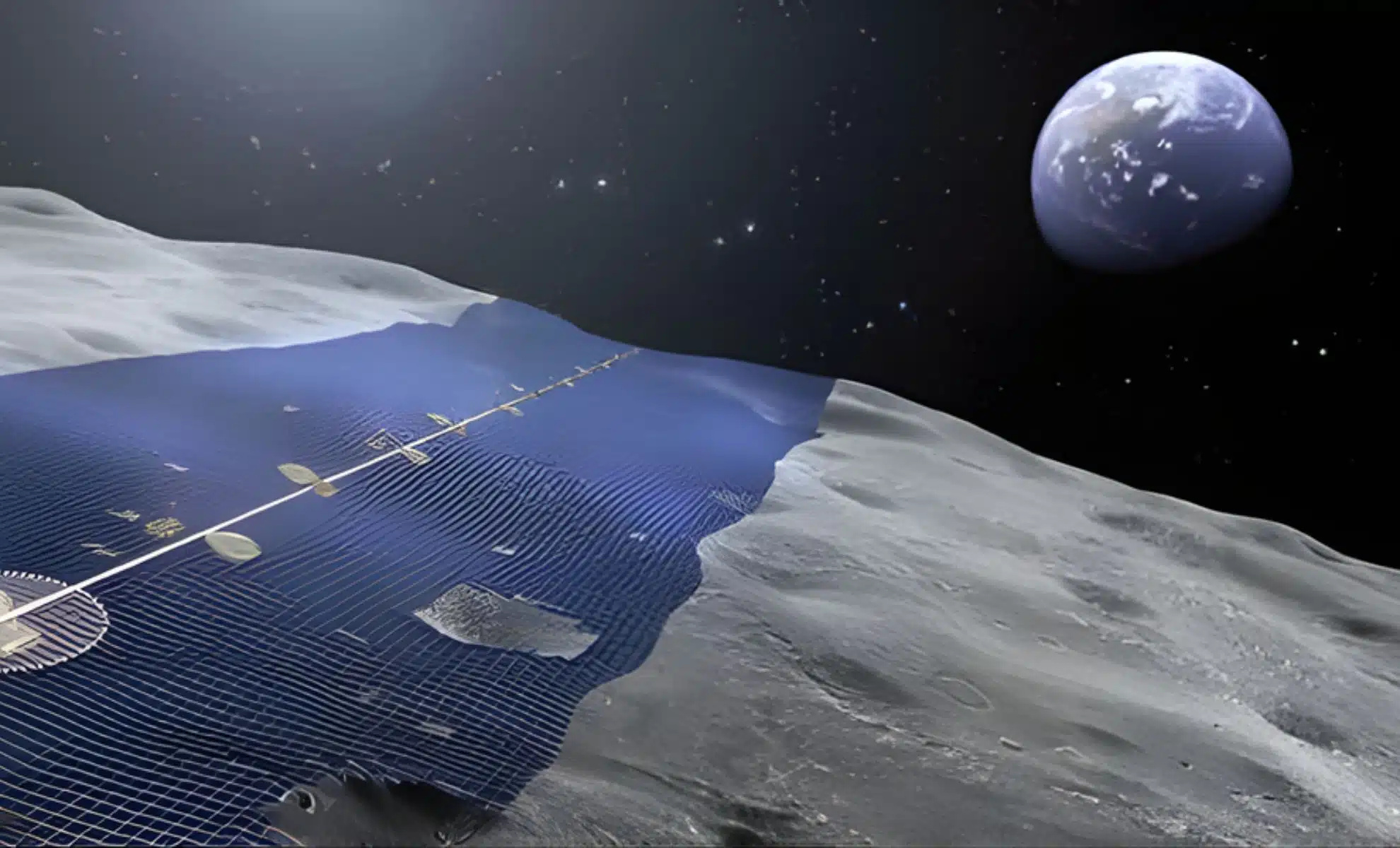
Japan wants to build a solar ring of 10,900 kilometers on the Moon to continuously send energy to Earth.
-
Weighing almost 1 ton, with temperatures of up to 3,000°C, the ability to launch 10,000 fragments within a radius of 1 km, capable of penetrating concrete and melting steel, Turkey’s terrifying bomb emerges as one of the most destructive non-nuclear weapons ever presented.

-
After a submarine disappeared beneath the “Doomsday Glacier,” scientists announce a new monstrous machine capable of operating at 3,000 meters depth to return to the heart of the ice and investigate a threat that could raise sea levels worldwide.


The layout was designed to integrate sleep, work, dining, and leisure in a compact but functional space.
Multifunctional furniture, such as Murphy beds, folding tables, and built-in storage areas, helps free up movement and maintain a sense of spaciousness.
The idea follows the same logic as the brand’s electric vehicles, focused on reducing waste, optimizing resource use, and providing more autonomy for the resident.
According to information released in 2025, the Tesla Tiny House is presented as a compact module priced at $7,789, delivered almost ready, with energy, climate control, and smart management systems already installed.
The goal is that the buyer needs few external adaptations to move in.
Solar Energy, Battery, and Water Reuse in the Tesla Tiny House
One of the main pillars of the Tesla Tiny House is energy independence. The roof functions as a small solar power plant, with photovoltaic panels responsible for generating energy for lighting, climate control, appliances, and automation systems.
This energy is stored in high-capacity batteries, in line with the technology already used by the brand in vehicles and home storage solutions, allowing the house to operate at night or on cloudy days.
In practice, the resident depends much less on the public electric grid and gains predictability in their electricity bill.
In the water system, the Tesla Tiny House is designed to capture water, perform filtration, and allow reuse for functions such as flushing, garden irrigation, and, in some cases, washing.
This logic reduces waste and decreases the need for complete connection to traditional sanitation networks, especially in areas with good rainfall.
Although it is still necessary to comply with local regulations and assess the available infrastructure on each plot, the concept brings the Tesla Tiny House closer to a housing model that aligns with off-grid solutions, providing much more autonomy than conventional residences.
Automation and Artificial Intelligence in Home Control

Another differentiator of the Tesla Tiny House is the intense use of automation and artificial intelligence to manage daily life.
The systems register usage patterns, such as sleep hours, work, and peak consumption times, adjusting the home’s operation to spend less without sacrificing comfort.
The proposal is for the technology to remain almost invisible to the resident, reducing the need for switches and manual commands.
Lighting, temperature, curtains, and even the operation of some appliances can be controlled automatically, based on sensors and algorithms.
Among the expected features are:
- Adaptive lighting that adjusts intensity according to time and activity
- Smart climate control prioritizing efficiency without compromising comfort
- Automated curtains taking full advantage of natural light to reduce lamp use
- Load management directing energy to essential appliances when solar generation is low
In this way, the Tesla Tiny House seeks to ensure that every kilowatt generated by the solar panels is used in the most efficient manner possible.
Environmental Impact and Cost Reduction in the Tesla Tiny House
The combination of solar energy, batteries, water reuse, and a compact space significantly reduces the environmental footprint of the home.
A smaller house requires less construction material, occupies less land area, and needs less energy to heat or cool the spaces.
At the same time, real-time monitoring of consumption makes the resident more aware.
They can see, in practice, how the use of certain appliances affects the electricity bill or water consumption, encouraging more responsible habits.
With fixed expenses being more predictable and potentially lower, the Tesla Tiny House positions itself as an alternative for those seeking financial security, especially in scenarios of higher energy costs in major cities.
The model also allows for consideration of smaller plots or more remote areas where the price per square meter tends to be lower.
How the Tesla Tiny House Can Change the Way We Live
The concept of Tesla’s smart tiny house connects to issues such as the high cost of housing, pressure on urban infrastructure, and the search for more mobility in adult life.
Instead of relying on large apartments or traditional houses, residents begin to see their homes as a compact and efficient system designed to function in an integrated manner.
The modular model facilitates the creation of small autonomous communities, temporary bases for remote work, or projects in remote areas, integrating home, electric vehicle, and energy generation into a single ecosystem.
In many cases, location becomes less dependent on proximity to electrical and water networks and starts being determined by the desired lifestyle.
Thus, the Tesla Tiny House is not merely another technological product but an invitation to discuss new formats for living, consuming energy, and occupying territory.
From the first units presented in 2025, the debate about compact housing is likely to gain traction in different countries, with adaptations to local laws and the climatic conditions of each region.
And you, would you live in a Tesla Tiny House away from the city if it meant drastically reducing your electricity bill and gaining more autonomy in your daily life?






Muito legal ! sò tem uma coisa aonde vamos colocar essa casa sendo que vivemos num País sem segurança, assusta uma família , lógico que é maravilhosa .
Com toda certeza adoraria ter uma casa dessa 🙏🙏
Sim com certeza