





 Portuguese
  English
  Spanish
  3 min of reading
  0 comments


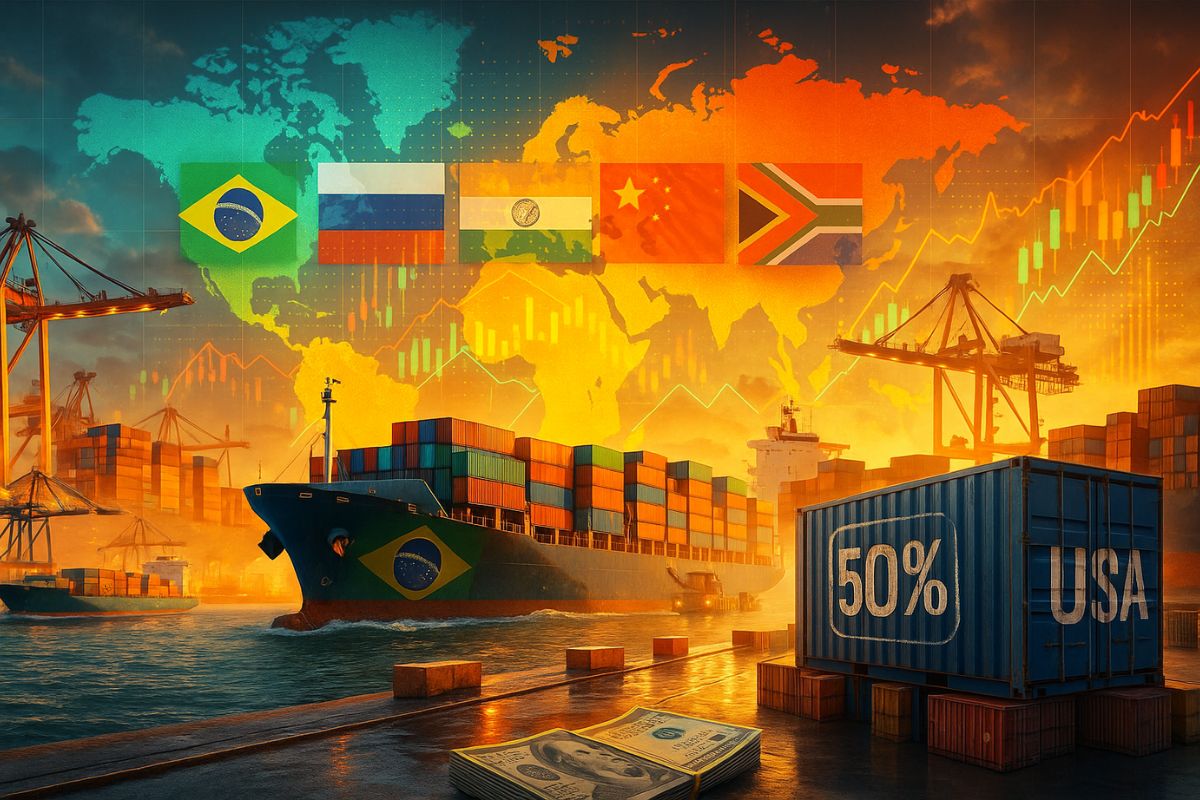
Brics Is A Solution For Brazil, Says Simone Tebet Amidst Tariff Dispute With The US. Planning Minister Claims Brics Strengthens Trade and Sovereignty, and Rules Out Tariff Retaliation Against Washington
The Planning Minister, Simone Tebet, declared that Brics Is A Solution For Brazil, and not a problem, even in light of the new 50% tariff the United States imposed on Brazilian products since August 1st. At an event hosted by Valor Econômico in São Paulo, Tebet stated that the bloc—formed by Brazil, Russia, India, China, South Africa, and other countries—will not be at the negotiation table with Washington, emphasizing that the partnership is strategic for trade and national security.
According to the minister, Brazil cannot forfeit relations with Brics countries, especially due to dependence on fertilizers from Russia and Ukraine, and the significance of commodity and agri-industrial product exports to the Asian market. For Tebet, these ties are “non-negotiable” and should be strengthened alongside trade discussions with the US, Europe, and Mercosur.
Brics As A Strategic Pillar of Foreign Policy
By stating that Brics Is A Solution For Brazil, Tebet underscored that the priority is to expand regional trade in South America and strengthen partnerships with Asia and Africa. She cited China as an example, for its effort to connect with African countries to diversify suppliers and reduce economic dependencies.
-
China, Brazil, and India together control the largest rare earth reserves on the planet and are now at the center of a geopolitical dispute that could determine who will dominate technology and the global economy in the coming decades.

-
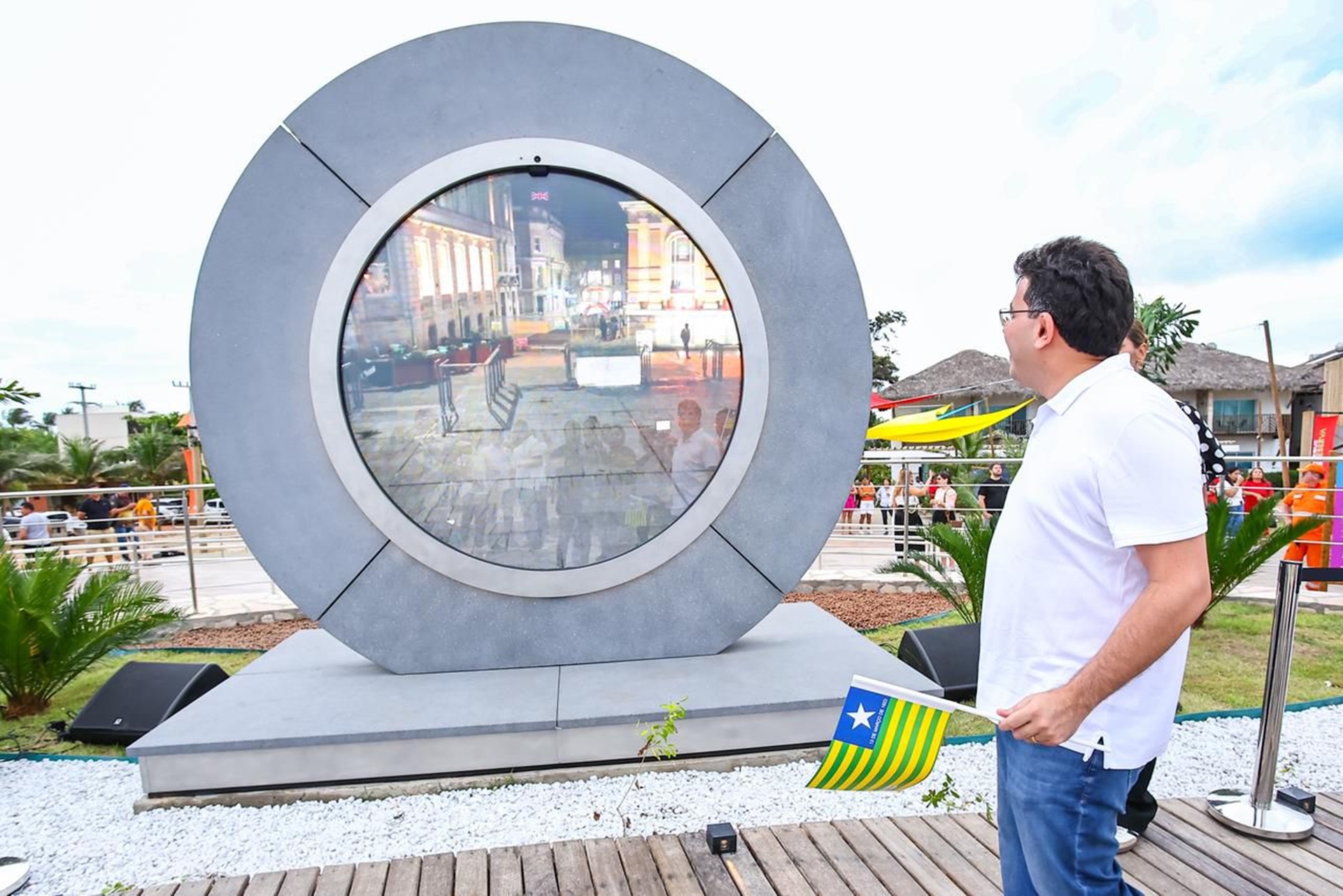
While thousands continue to lack water and sewage on the coast of Piauí, the government inaugurates a R$ 5.5 million international portal in Barra Grande and bets on global visibility.
-
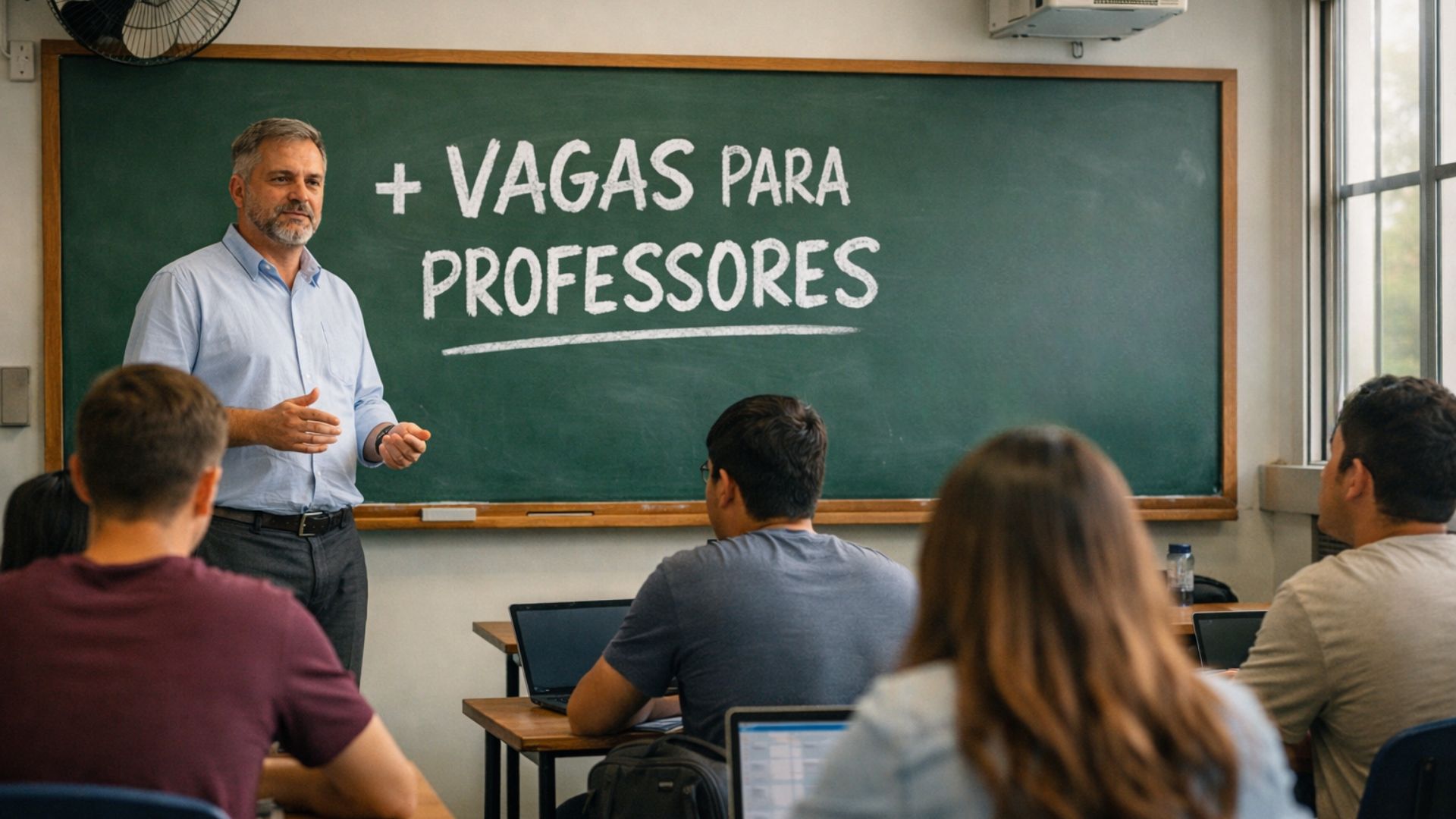
Lula’s government opens 13,000 positions for teachers in Brazil and creates more than 24,000 federal jobs, with an impact of R$ 5.3 billion by 2026.
-
A Chinese electric vehicle technology giant wants to invest up to R$ 200 million in a city in Santa Catarina, and the mayor returned from China with a signed document that guarantees the immediate opening of a CNPJ and the start of operations in Brazil.


The minister also emphasized that Brazil depends as much on the US as on Brics countries, and that balance in these relations is essential. In this context, the bloc is viewed as an alternative to reduce risks amidst political tensions and trade barriers imposed by Western powers.
Tariff Dispute and Political Obstacles
Tebet explained that, despite the new American tax, the government does not intend to retaliate with tariff increases, as this would raise product prices in the domestic market and put pressure on inflation. The focus, according to her, is to protect affected productive sectors with contingency measures such as increasing working capital, extending financing, and relaxing work hours to avoid layoffs.
The minister acknowledged there is an ideological component in negotiations with Washington, citing US criticisms of former president Jair Bolsonaro’s trial in the Supreme Court. She reinforced that Brazil lives in a democracy, with freedom of the press and independence among powers, and will not accept external interference in judicial decisions.
Support Measures and Expectation of Tariff Reduction
Tebet stated that the fiscal impact of support measures should be limited, as eight of the ten products Brazil imports from the US currently have zero tariffs. She believes that part of the list of heavily taxed products may be reviewed, reducing the scope of the measure.
The government intends to map out sectors effectively affected before adopting broader measures, avoiding unnecessary spending. According to Tebet, the president’s determination is “not to leave anyone behind”, but with fiscal responsibility and a focus on preserving jobs.
Geopolitical Perspective
For Tebet, Brics Is A Solution For Brazil not only because of its commercial strength, but also as a political platform capable of amplifying the country’s voice in global negotiations. She believes that diversifying markets and strengthening South-South trade are essential to reduce vulnerabilities in a landscape of growing trade disputes and geopolitical tensions.
And you? Do you believe that betting on Brics is the right way to protect the Brazilian economy, or should the country prioritize closer negotiations with the United States? Share your opinion in the comments.







-

-

-

-

-

-

56 pessoas reagiram a isso.