





 Portuguese
  English
  Spanish
 5 min of reading
  0 comments


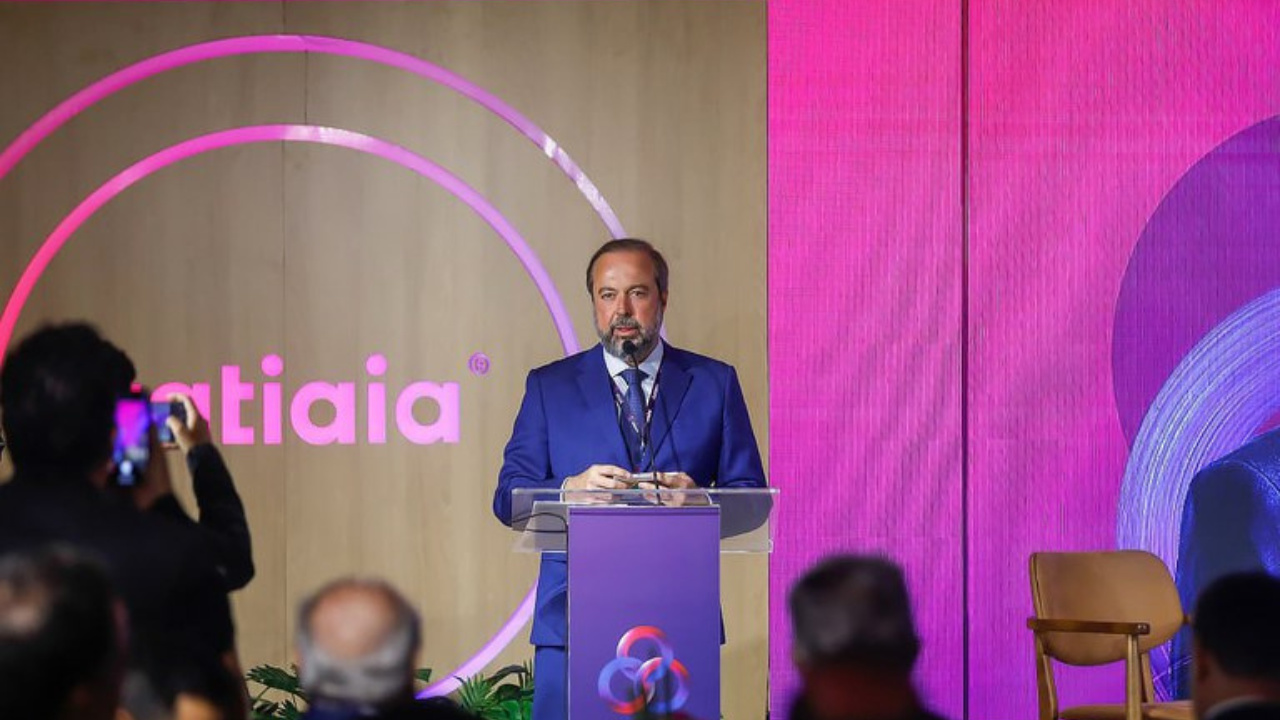
Minister Alexandre Silveira emphasized that mining in Brazil needs to be guided by legality, with strong action from regulatory agencies, aligning the sector with sustainability goals and the energy transition in the country
This Monday (22), the statement from the Minister of Mines and Energy, Alexandre Silveira, during the opening of the Eloos Mineral Cycle project in Nova Lima (MG), marked a firm position from the federal government on the importance of legal mining, rigorous environmental oversight, and the strategic role of mineral activity in the Brazilian energy transition.
Silveira stated that mining in Brazil needs to go beyond simple resource extraction—it should become a driver of innovation, social inclusion, and sustainable development, highlighting that mineral activity should generate social benefits and directly contribute to the advancement of sustainability in the country.
Legal Mining and Environmental Oversight: Pillars for the Future
During the event, Alexandre Silveira emphasized that the legality of mining is essential to ensure positive social and environmental returns. According to him, environmental agencies must be swift, efficient, and relentless in oversight, ensuring that projects comply with legislation and local ecosystems.
-
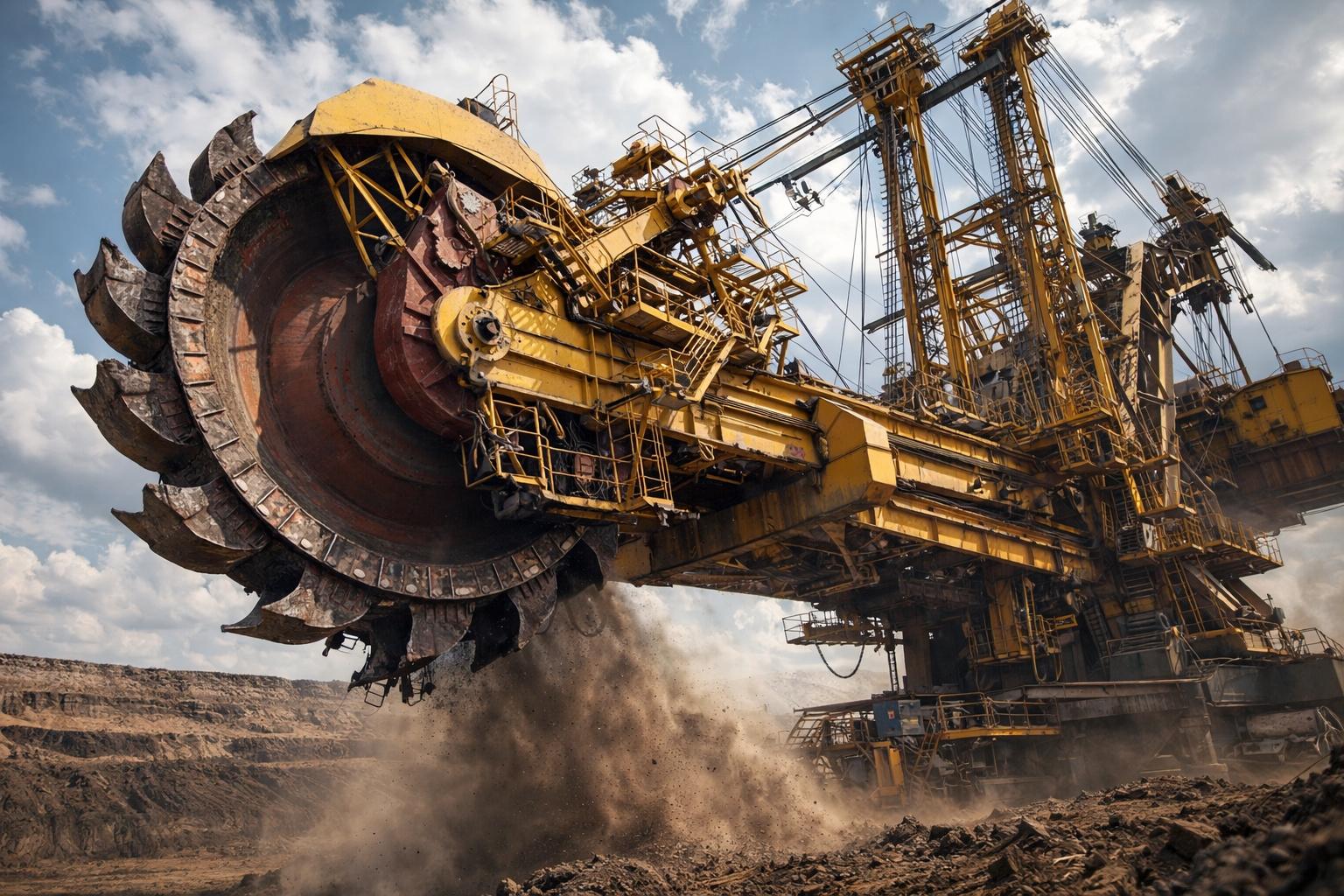
A machine capable of removing up to 12,000 cubic meters of earth per hour helps to feed part of the European energy matrix, and this mining colossus almost never appears when discussing the real cost of electricity.
-
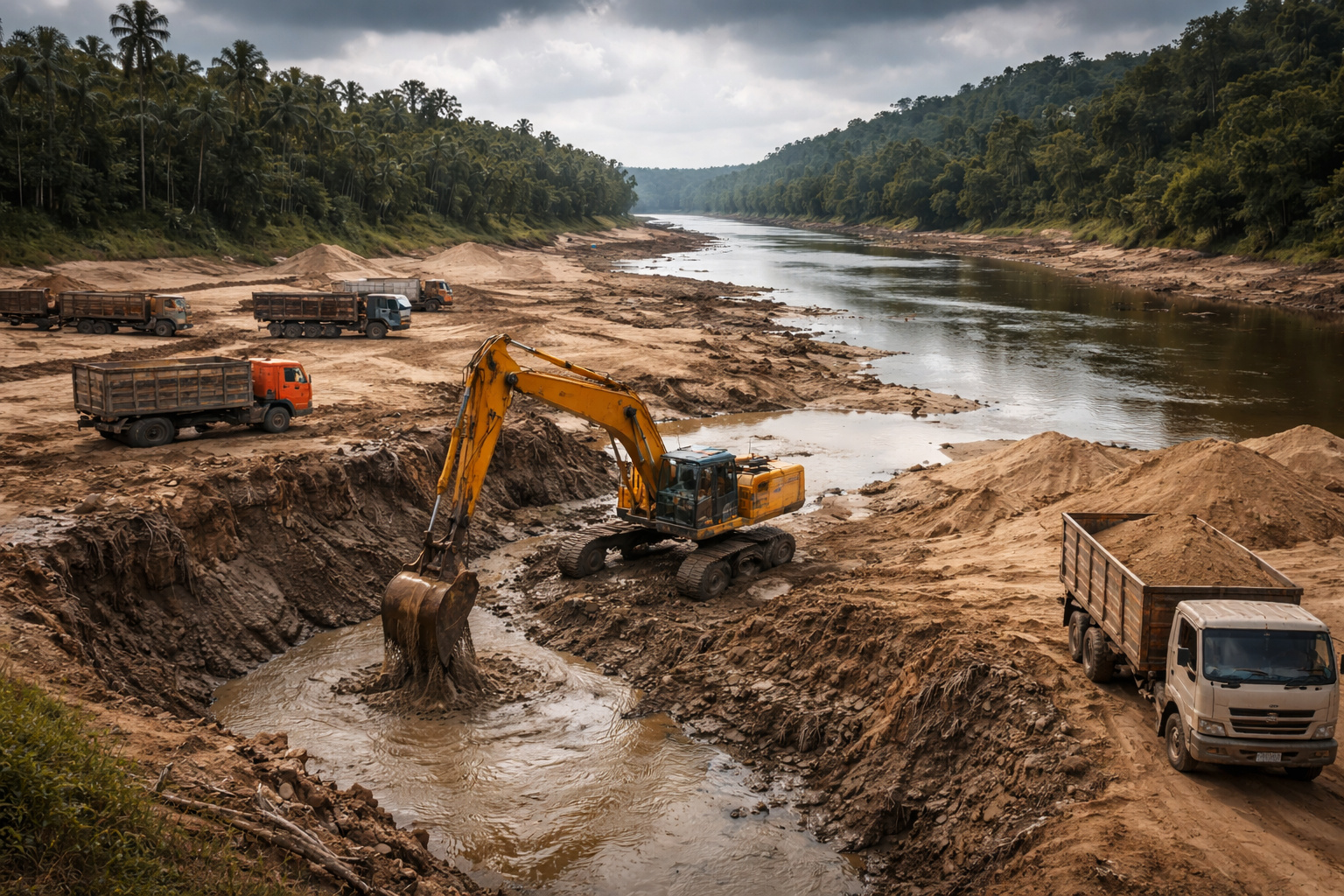
In Kerala, India, known as “the land of God,” dredging machines are extracting sand from rivers 40 times faster than nature can replenish it, riverbeds have already dropped nearly 2 meters, rivers have begun to dry up, and scientists who investigated the floods of 2018 discovered that decades of uncontrolled mining have weakened the rivers to the point where they can no longer contain the water.
-
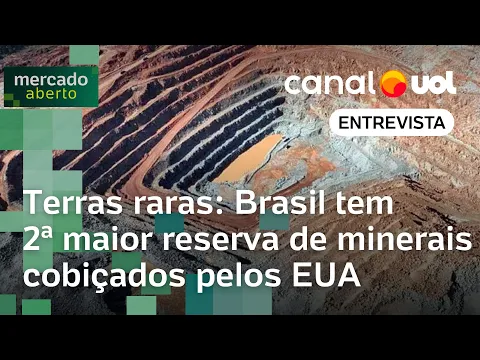
USA and China compete for Brazil over resources that could be worth trillions — rare earths put the country at the center of a global dispute

-
After China, it’s now the turn of the USA to ‘secure’ a share of Brazil’s natural resources: the country buys critical rare earths for R$ 3 billion and enters the center of the global technology dispute.
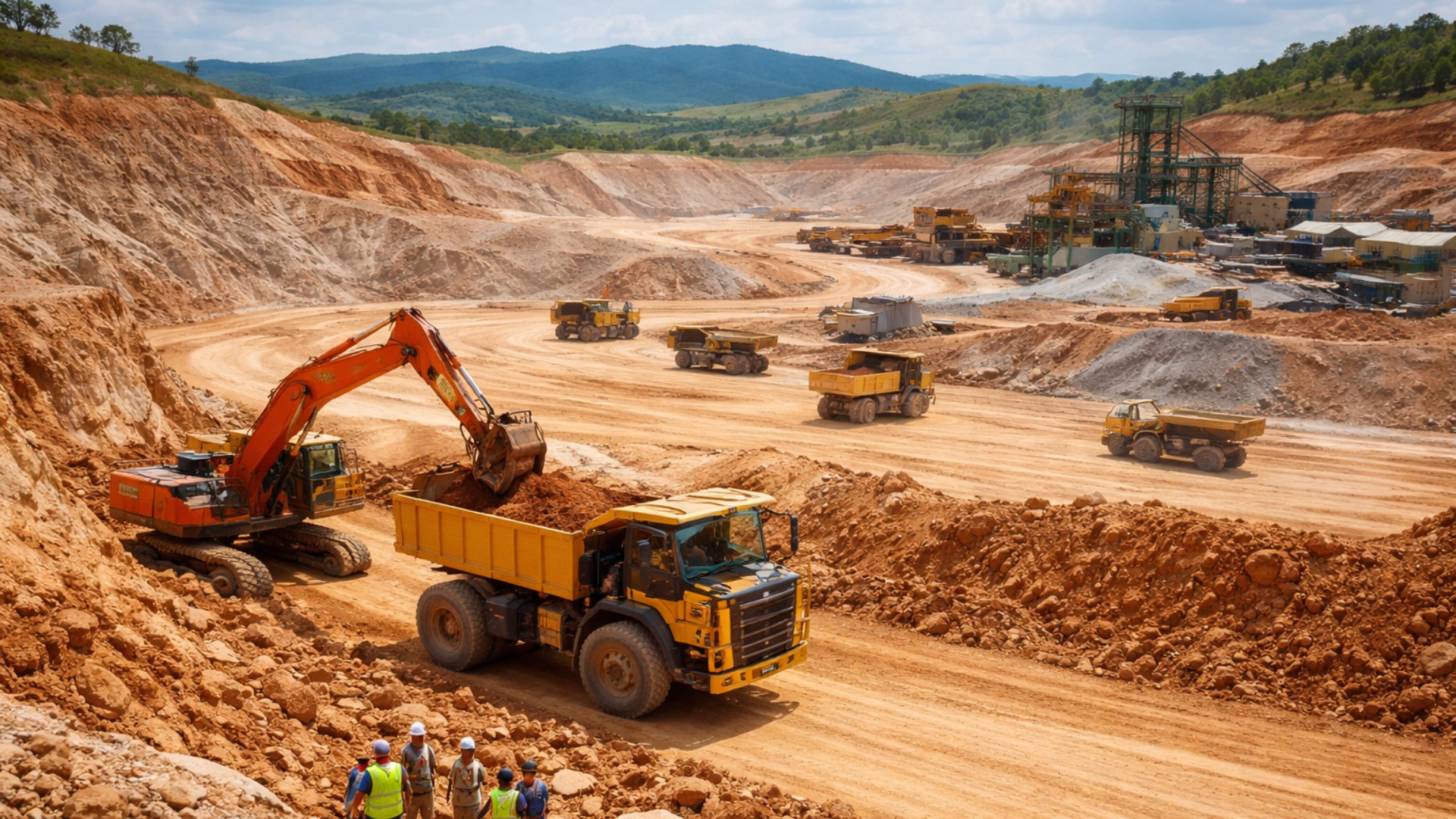
This position comes at a time when the country faces challenges with illegal mining, especially in the Amazon. Data from the Instituto Escolhas indicate that, in 2022, approximately 52% of the gold produced in Brazil had a suspicious origin, lacking legal verification. Combating this type of activity is crucial to protect indigenous communities, preserve biomes, and prevent environmental crimes.
Silveira reinforced that Brazil has one of the most responsible environmental laws in the world. However, the effectiveness of oversight depends on the firm and ethical actions of regulatory bodies. He urged these institutions to act swiftly without compromising the necessary rigor to curb illegal practices and ensure the safety of mining operations.
Alexandre Silveira Defends Mining as a Vector for Development
The minister highlighted that legal and well-planned mining can boost investments in infrastructure, health, education, and technology, especially in regions where the activity is conducted. The collection of the Financial Compensation for the Exploration of Mineral Resources (CFEM) and taxes can be reinvested in tangible improvements for the local population.
In addition, Silveira announced the launch of the National Policy for Critical and Strategic Minerals, which aims to consolidate Brazil as a global leader in the energy transition. This policy seeks to add value to mineral resources within the national territory, promoting technological knowledge, innovation, and entrepreneurship.
Sustainability and Innovation in Mining in Brazil
Sustainability was another central point of the minister’s speech. He argued that mining needs to be integrated into public policies that promote the rational use of natural resources, environmental recovery of exploited areas, and inclusion of local communities in decision-making processes.
According to a report by the International Energy Agency (IEA), the demand for critical minerals could grow by up to 500% by 2040, driven by the electrification of transport and the expansion of renewable energies. In this context, mining in Brazil needs to be strategic, sustainable, and integrated with innovation and development policies.
The federal government, through the Ministry of Mines and Energy, has been promoting actions such as:
- Restructuring the National Mining Agency (ANM)
- Creating incentivized debentures for the sector
- Establishing the National Mineral Policy Council, bringing together government, companies, academia, and civil society
These measures aim to ensure that mineral activity is conducted with responsibility, transparency, and a focus on sustainable development.
Energy Transition and Strategic Minerals
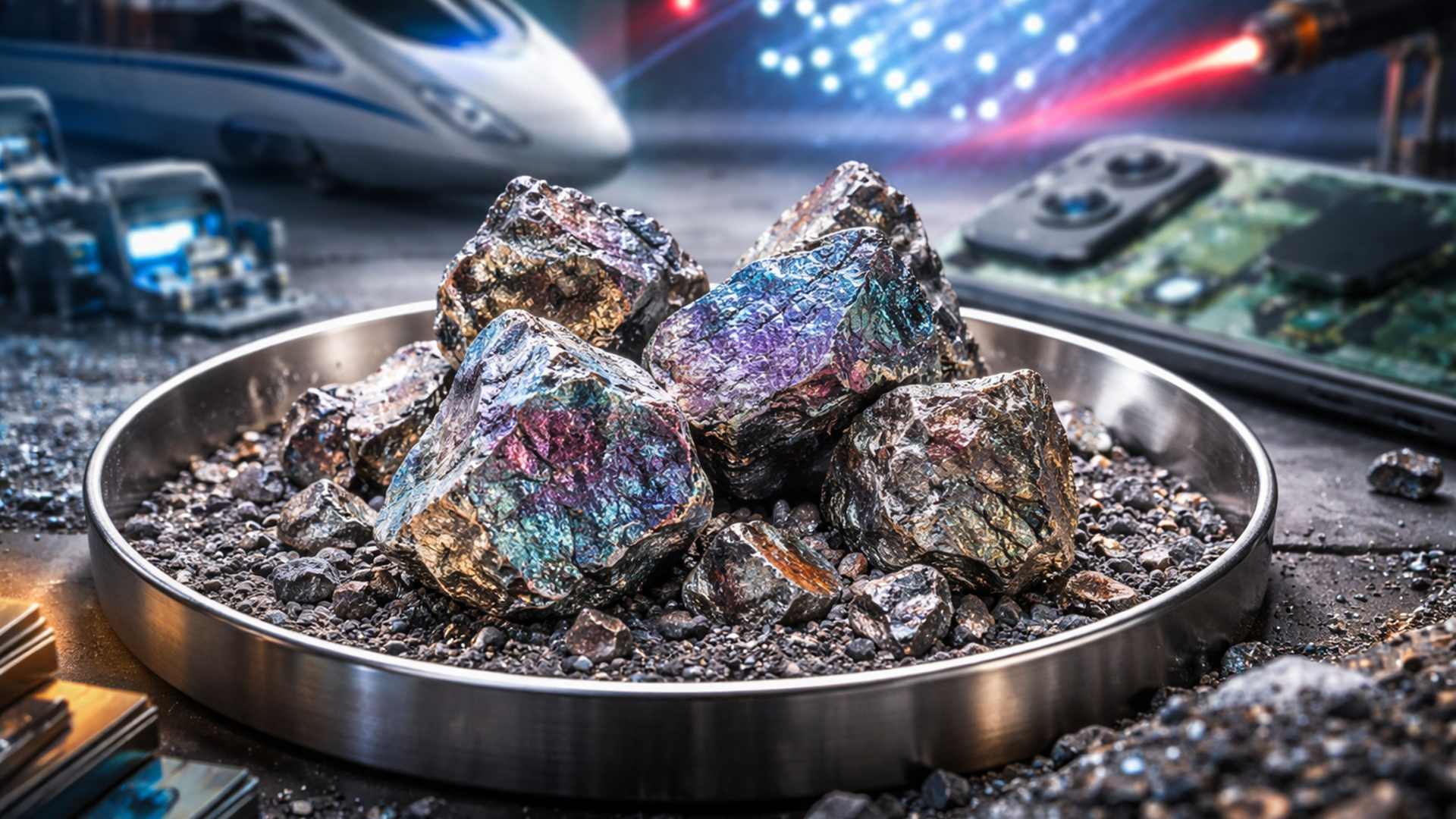
The energy transition demands a new approach to mineral resources. Elements such as lithium, nickel, cobalt, and rare earths are essential for the production of batteries, solar panels, and wind turbines. Brazil, with its vast geological wealth, has the potential to lead this movement.
Silveira stressed that the country cannot be limited to exporting raw materials. It is necessary to invest in technology, training, and infrastructure to transform mineral resources into high-value-added products.
The National Policy for Critical and Strategic Minerals seeks precisely this goal: to transform Brazil into a hub for production and innovation in the mineral sector, aligned with global decarbonization and clean energy goals.

Planning the Mineral Cycle and Social Responsibility
Another central point of Alexandre Silveira’s speech was the planning of the mineral cycle. He argued that mining companies and municipalities must take care of the legacy left by the activity, ensuring that future generations can benefit from the investments made.
“Our people first”, the minister stated, announcing that the government will seek financing from the mining companies themselves to support local planning of the mineral cycle.
This approach aligns with the principles of responsible mining, which include:
- Environmental recovery of exploited areas
- Inclusion of local communities in decision-making processes
- Transparency in resource management
- Promotion of qualified and lasting jobs
Silveira also emphasized that mining should be seen as an opportunity for social transformation, especially in regions historically neglected by the government.
Economic Indicators of Mining in Brazil
Mining in Brazil accounts for about 4% of the national GDP and directly employs more than 200,000 people, according to data from the Brazilian Mining Institute (IBRAM). In 2024, the sector generated approximately R$270.8 billion, with highlights on iron ore, gold, copper, and bauxite.
With the implementation of the new mineral policy and the strengthening of oversight, it is expected that:
- The collection of CFEM will increase significantly
- Foreign investments in the sector will grow
- The production of strategic minerals will be expanded
- The international image of Brazil as a responsible supplier will be solidified
These indicators reinforce the role of mining as a driver of the national economy, provided it is conducted with responsibility and a long-term vision.
Paths to Legal and Sustainable Mining in Brazil
The statement by Alexandre Silveira on September 22, 2025, represents a milestone in Brazilian mineral policy. By advocating for legal mining, rigorous environmental oversight, and commitment to sustainability and energy transition, the minister signals a new era for the sector.
In order for this scenario to materialize, it will be necessary to:
- Strengthen regulatory bodies
- Encourage technological innovation
- Promote environmental education
- Ensure participation from local communities
Mining in Brazil has the potential to be a development driver, as long as it is guided by ethical, sustainable, and inclusive principles. The future of mineral activity is directly linked to the country’s ability to balance economic growth with socio-environmental responsibility.






Seja o primeiro a reagir!