





 Portuguese
  English
  Spanish
  7 min of reading
  0 comments


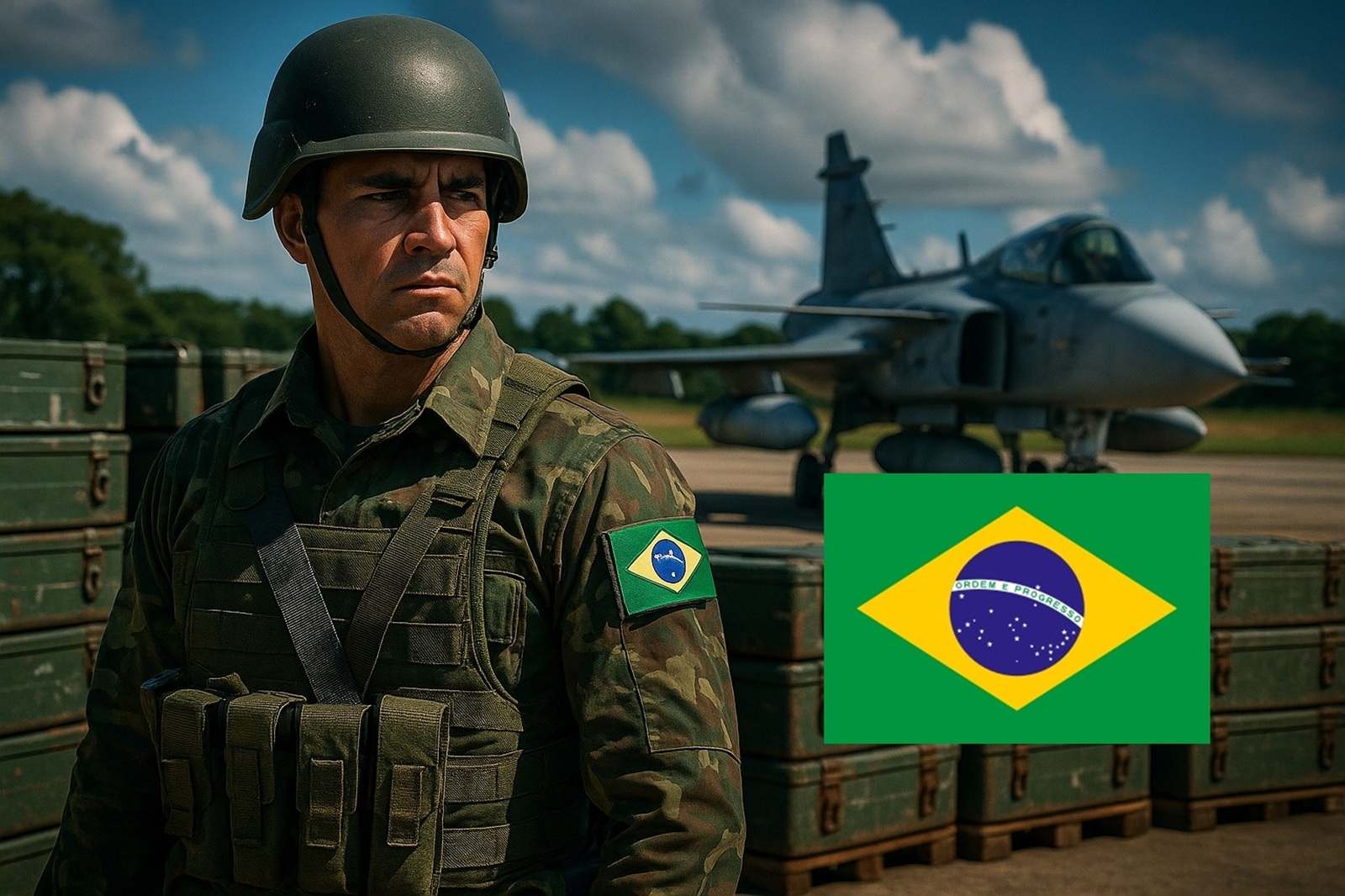
The Warning Issued By The Defense Minister Highlighted The Fragility Of Brazilian Armed Forces That Face Growing Difficulties In Maintaining Their Operationality. The Situation Involves A Lack Of Fuel, The Scarcity Of Replacement Parts, Limited Ammunition To Only 30 Days Of Use And Outdated Aircraft
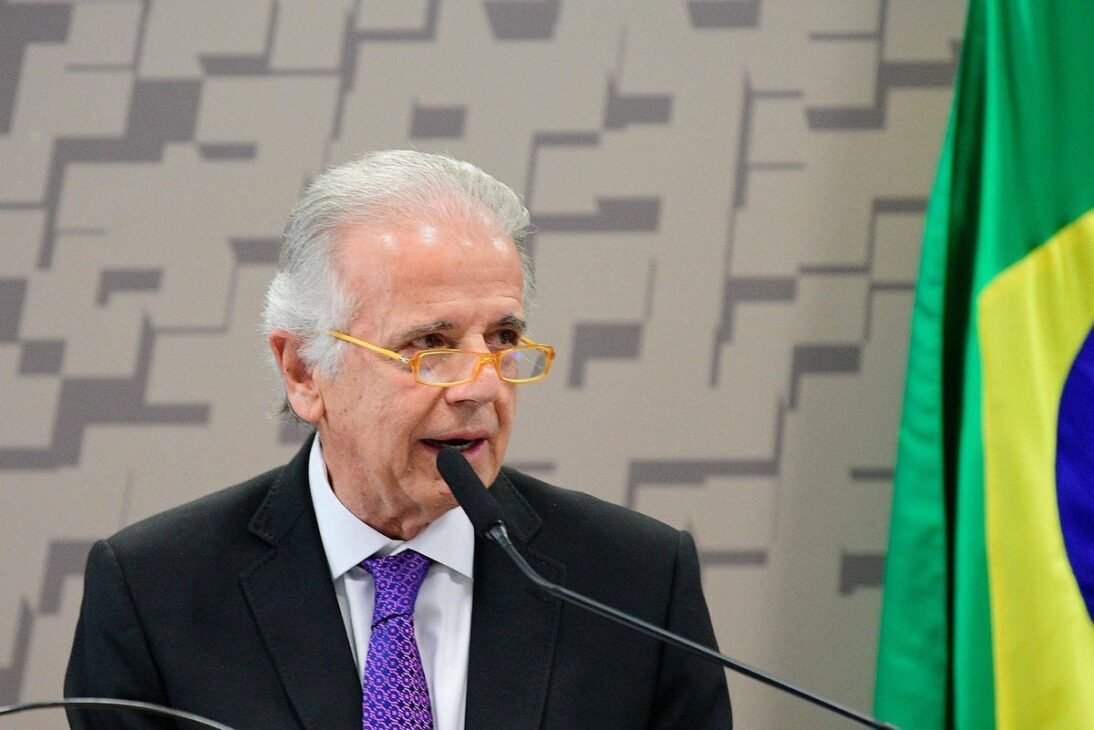
Worried About The Penury Faced By The Armed Forces Under President Lula’s Current Administration, The Defense Minister, José Múcio, Issued A “Serious Warning” During A Public Hearing At The Foreign Relations And National Defense Committee This Tuesday (30).
With An Urgent Tone, Múcio Made It Clear That The Current Scenario Directly Compromises The Country’s Military Capability. According To Him, Brazil, The Largest Nation In Latin America And Home To 52% Of The Region’s GDP, Faces A Reality Disproportionate To Its Size.
“I Came Here For Help. We Are The Largest Country In Latin America, We Have 52% Of The Region’s GDP, But The Armed Forces I Don’t Even Know If They Are Among The Top Three. We Have Plenty Of Equipment Bought, But We Don’t Have Money To Buy Parts,” He Stated.
-
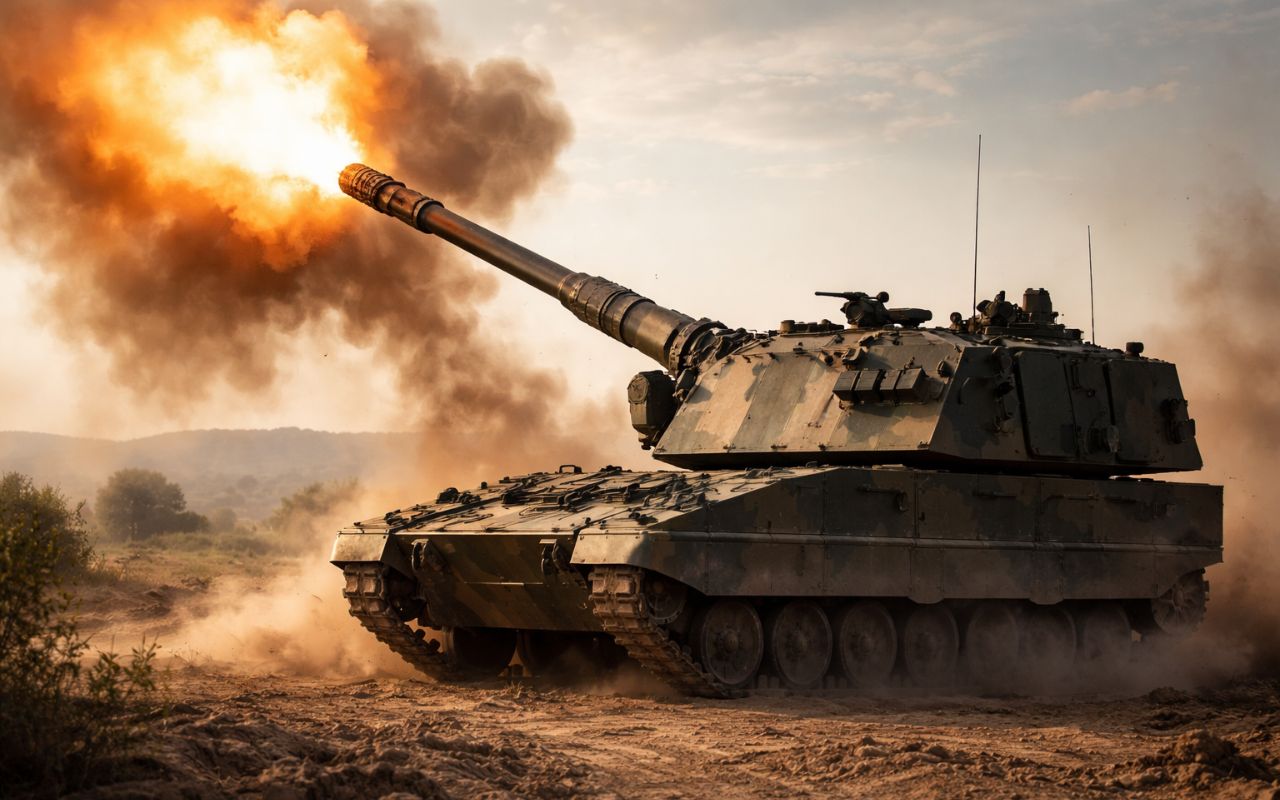
The German “steel monster” weighing 55 tons fires up to 10 projectiles per minute at over 40 km and avoids counterattacks on the battlefield by moving quickly to escape enemy attacks; meet the Panzerhaubitze 2000.
-
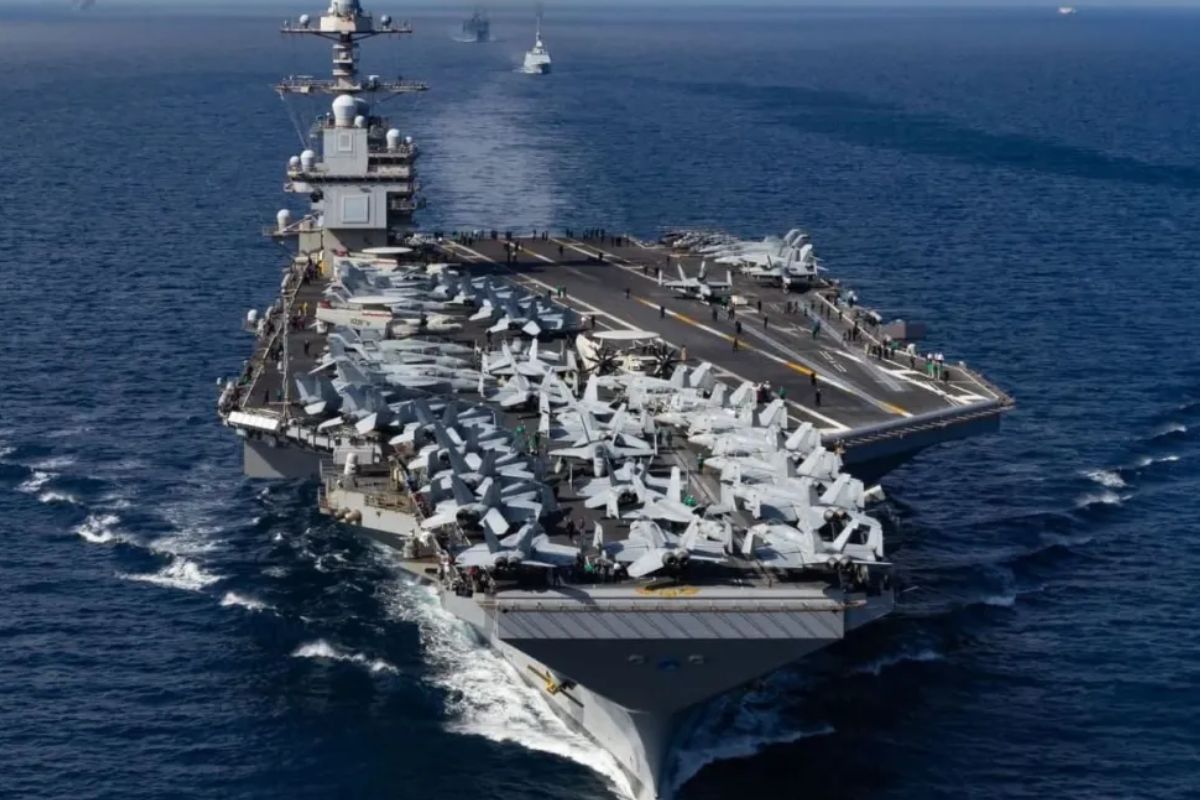
USS Gerald R. Ford, the largest aircraft carrier in the world, returns to sea after a fire in the laundry in the Red Sea; repaired in Crete, it resumes missions of Operation Epic Fury against Iran.
-
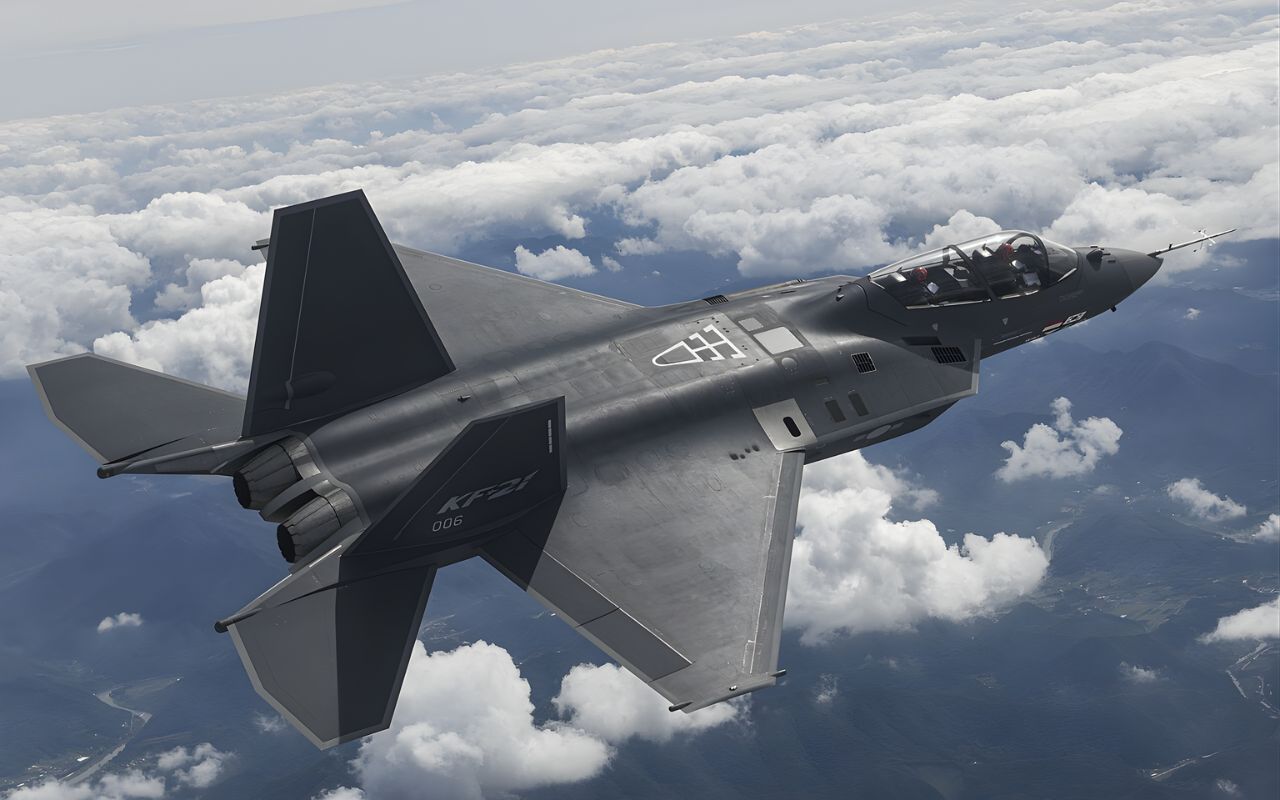
Military power: South Korea’s new KF-21 fighter jet will be a key component in replacing the aging aircraft of the air force, placing the country on the map of air military powers.
-
With 310 meters, 80 thousand tons, and capable of operating for 45 years, the new nuclear aircraft carrier France Libre will be the largest in France and will enter service in 2038.


Lack Of Fuel, Parts And Ammunition
The Minister Described A Critical Picture, Where Resources Are Lacking To Fuel Vehicles And Aircraft And To Replace Essential Parts. He Highlighted That Although Brazil Has Acquired Equipment, There Is Not Enough Funding To Keep It Operational.
“There Is A Lack Of Fuel, Parts Are Lacking, Ammunition Is Lacking. We Have 30 Days Of Ammunition, 30 Days Scares The Enemy, But If He Comes Back Again, There Is Nothing To Be Done,” Declared José Múcio.
The Statement Exposed The Contrast Between The Quantity Of Material Already Purchased And The Inability To Use It Fully Due To A Lack Of Maintenance, Replacement Parts, And Basic Supplies.
Military Spending Worldwide And Brazilian Contrast
At The Same Hearing, The Minister Presented Data On The Global Growth Of Defense Investments.
He Highlighted That Brazil Accounts For Only 1% Of Global Spending In The Sector, Even Holding The Position Of The Tenth Largest Economy In The World.
According To The Presented Figures, In 2023, US$ 2.2 Trillion Were Allocated For Defense Worldwide.
The Following Year, The Amount Rose To US$ 2.7 Trillion And There Is An Expectation Of Expansion In 2025. The United States And China Alone Were Responsible For 52% Of This Total.
Defense Not A Political Priority
José Múcio Acknowledged That National Defense Has Never Been A Priority In Brazilian Governments.
In His View, The Area Rarely Integrates Political Projects Of Presidential Candidates Or Accountability Of Office Holders.
“In Reality, I Came Here For Help. Defense Has Never Been Part Of A Political Project Of Any Presidential Candidate And Has Not Been Part Of Any Accountability Of Any President. That Is, What Happens In Defense Is Episodic,” He Explained.
This Lack Of Continuity, According To The Minister, Creates Cycles Of Abandonment, Where One-Time Investments Do Not Transform Into Lasting Structural Advances.
Heroism And Dedication Of Military Personnel
Amidst The Criticism Of The Lack Of Resources, José Múcio Emphasized The Human Role That Keeps The Armed Forces Alive.
For Him, The Heroism And Dedication Of Soldiers, Sailors And Aviators Ensure The Minimum Functioning Of The Institution.
“The Human Factor’s Heroism Sustains Our Armed Forces. It Is The Sailors, Soldiers, And Aviators, And The Deep Respect They Have. Because Unlike Us Politicians, They Spend 50 Years Believing In The Same Thing, Obeying The Same People, And Understanding That They Need To Serve Brazil,” He Stated.
This Perseverance, The Minister Added, Sustains The Military “Symphony” Even In The Face Of Worn-Out Equipment And Budget Limitations.
Comparison With Neighboring Countries
The Minister Also Compared Brazil With South American Neighbors And Acknowledged That The Country Is At A Disadvantage. He Specifically Mentioned Chile And Colombia, Which Have More Robust Fleets Of Aircraft Than Brazil.
“Chile Today Has A Larger Fleet Of Aircraft Than Ours. Colombia Does Too. What Was The Secret That These Countries Adopted? They Created A Funding Source That Is Independent Of Political Mood,” He Observed.
According To Him, The Model Adopted By These Countries Ensures Stability In Defense Investments, Something Brazil Has Yet To Achieve.
Obstacles Imposed By Social Inequality
José Múcio Highlighted That Brazil Faces A Dilemma When Trying To Prioritize Defense In A Scenario Of Deep Social Inequalities.
He Noted That It Is Difficult To Justify Large Military Expenditures When There Are Insufficient Resources For Basic Areas Such As Health, Education, And Food.
To Illustrate The Difficulty, The Minister Cited Concrete Examples: “When You Buy A Fighter Jet That Costs 100 Million Dollars, We Need 30, 40. When You Buy A Submarine That Costs 800 Million Euros, Would Society Accept It? Would The Press Agree That The Government Did Right To Buy A Fleet Of 100 Million Dollar Fighter Jets When We Haven’t Purchased Books, Medicines, And Schools Are Without The Food Needed For Students?,” He Questioned.
The Orchestra As A Metaphor
In His Speech, Múcio Used A Metaphor To Explain The Situation Of The Armed Forces. He Compared The Institution To An Orchestra That Needs To Deal With Old Or New Instruments But Depends On The Satisfaction And Motivation Of The Musicians.
“The Symphony Sounds Better With Satisfied Musicians And Old Instruments Than With New Instruments And Dissatisfied Musicians,” He Declared.
Perception Of The Military
José Múcio Also Addressed The Image Of The Armed Forces In South America, Often Associated With Coup Attempts. For Him, This View Is Unjust And Does Not Reflect The Constitutional Role Of Military Institutions In Brazil.
“We Need To Remove The Stigma From South America That The Military Are Would-Be Coup Plotters Or Dream Of Changing The Government. The Military Cannot Engage In Politics Because They Are Employees Of The Government In Office,” He Stated.
He Also Reminded That The Military Are Obliged To Respect The Authority Of The President Of The Republic, Regardless Of Who Holds The Position: “It Is The Only Job In Brazil Where At Midnight On December 31st To January 1st They Change Bosses And Everyone Has To Salute The New Boss, Whoever That May Be.”
Limits Of The President Amidst Scarcity
The Minister Emphasized That The Current Situation Should Not Be Attributed To Specific Governments. According To Him, Any President Would Face The Same Difficulties Given The Pressure For Investments In Other Social Areas.
“This Is Not The Fault Of Any Former President, Nor The Current President. If I Were President, The Situation Would Be The Same. If Nelsinho Were, It Would Be The Same. Jorge Or Any Of You, Because It Is Very Difficult For A President Of The Republic In A Country Where There Are Shortages Of Vaccines, Medicines, Books, And Food,” He Explained.
National Defense Industry
José Múcio Advocated For Strengthening The Brazilian Defense Industry. According To Him, The Sector Currently Brings Together 270 Strategic Companies And Generates 3 Million Jobs, In Addition To Accounting For 3.6% Of The National GDP.
He Highlighted That In 2025 The Sector Set An Export Record, Exceeding R$ 2.5 Billion. He Also Mentioned Important Advances With The Launch Of Frigates, The Production Of Submarines, And The Expansion Of Military Aviation With The KC-390 Transport Aircraft And The Gripen Fighters.
“Even With Budget Restrictions, We Have Tangible Advances That Need Continuity,” He Emphasized.
The Minister Added That The Army, Navy And Air Force Must Remain As State Institutions, Apart From Party Disputes, And Reinforced The Integration Between Diplomacy And Defense.
“I Usually Say That Diplomacy And Defense Are Inseparable Sisters, Two Tools Available To The State To Face The War Of Survival In A World Of Constant Change,” He Stated.
Immigration And Brazil’s Borders
The Hearing Also Discussed Border Security. Senator Tereza Cristina (PP-MS) Highlighted The Vulnerability Of The Mato Grosso Do Sul Region, Which Has Over 700 Kilometers Of Dry Border With Paraguay And Bolivia, Dominated By Smuggling And Trafficking.
Senator Chico Rodrigues (PSB-RR) Addressed The Impacts Of The Venezuelan Migration Crisis In Roraima. He Noted That About 120,000 Venezuelans Currently Live In The State, But Over 900,000 Have Passed Through The Border, Causing Profound Social, Political, And Economic Effects.
In Response, José Múcio Highlighted The Role Of The Army In Operation Acolhida, Which Welcomes Migrants From Venezuela.
He Remembered That For Months, Roraima Received Up To A Thousand People Per Day, Many Of Whom Arrived Without Documents, Clothes, Or Food.
Defense As A Still Distant Priority
At The End Of His Speech, José Múcio Reinforced The Request For Support To The Congress And Highlighted The Seriousness Of The Current Situation.
For Him, Brazil Has Yet To Transform Defense Into A State Priority, Which Perpetuates The Vulnerability Of The Institution.
Despite Occasional Advances And The Dedication Of The Military, The Resources Allocated Remain Insufficient To Support The Largest Nation In Latin America In Its Strategic Role.
His Warning Exposed Concrete Limitations That, In The Minister’s View, Do Not Arise From Individual Decisions Of Presidents, But From A Historical Lack Of Priority For Defense In Brazil.









-

Uma pessoa reagiu a isso.