





 Portuguese
  English
  Spanish
  3 min of reading
  0 comments


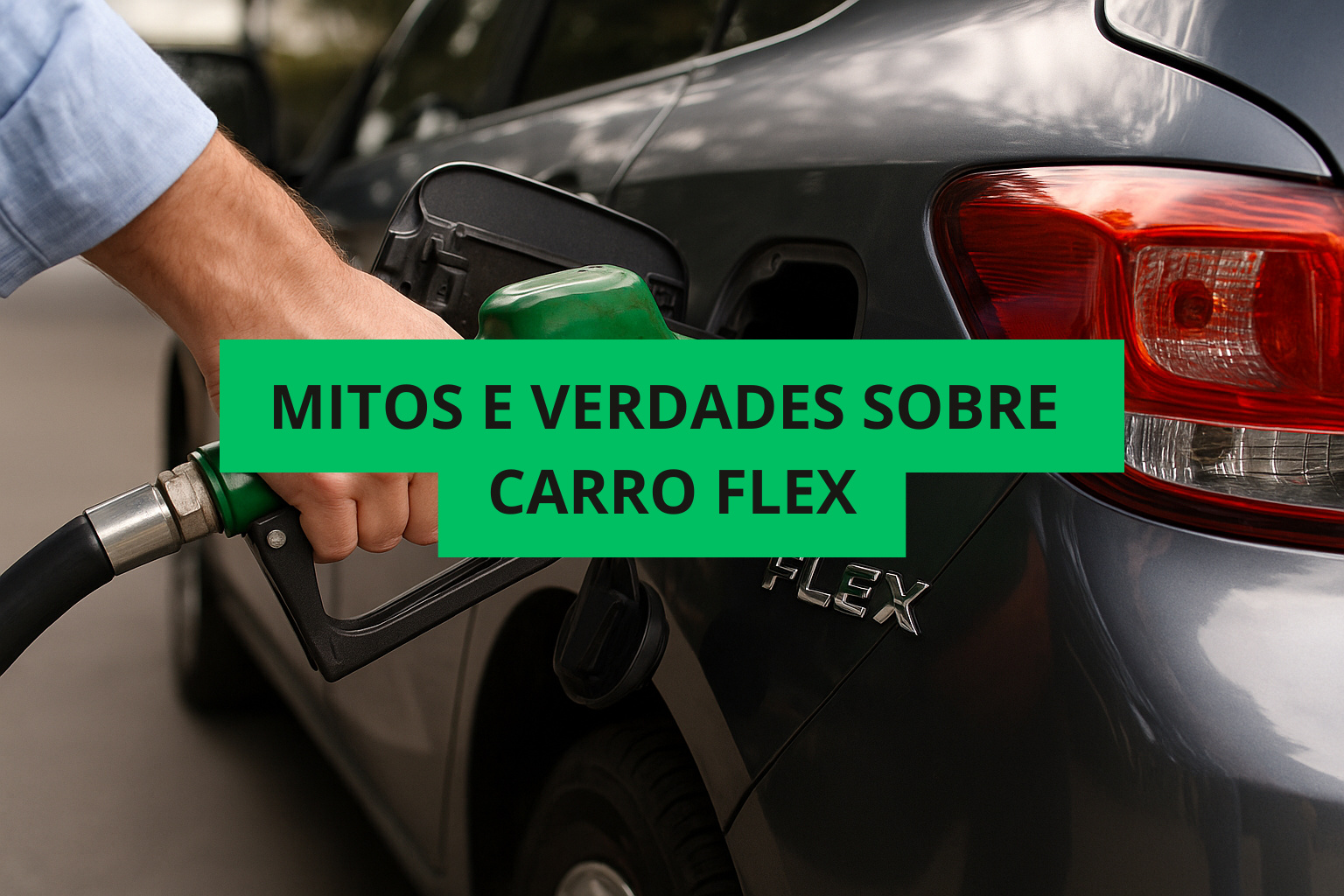
Discover The Main Truths and Lies About The Use of Flex Cars, Additives, and Common Habits That Affect Performance and Safety
The automotive universe is filled with beliefs that, over time, become treated as absolute truths.
However, many of the habits still followed by Brazilian drivers are based on myths. These beliefs have been repeated since the 1990s.
According to the Automotive Quality Institute (IQA, 2024), understanding how modern vehicles work is essential to reduce costs and avoid mechanical damage.
Flex Cars: Myth or Truth?
Since 2003, when the first flexible-fuel vehicles were launched in Brazil, flex technology has allowed for the use of gasoline and ethanol in any proportion. However, there is an important caveat.
-
The car stored for 38 years: when opening the barn door, what appears is breathtaking and looks like a scene from a movie!

-
Fiat works miracles in the Brazilian market, lowers the price of its 0 km hatch to R$ 69,990, reestablishes the model as the cheapest car in the country, and reignites the battle against Kwid and C3.

-
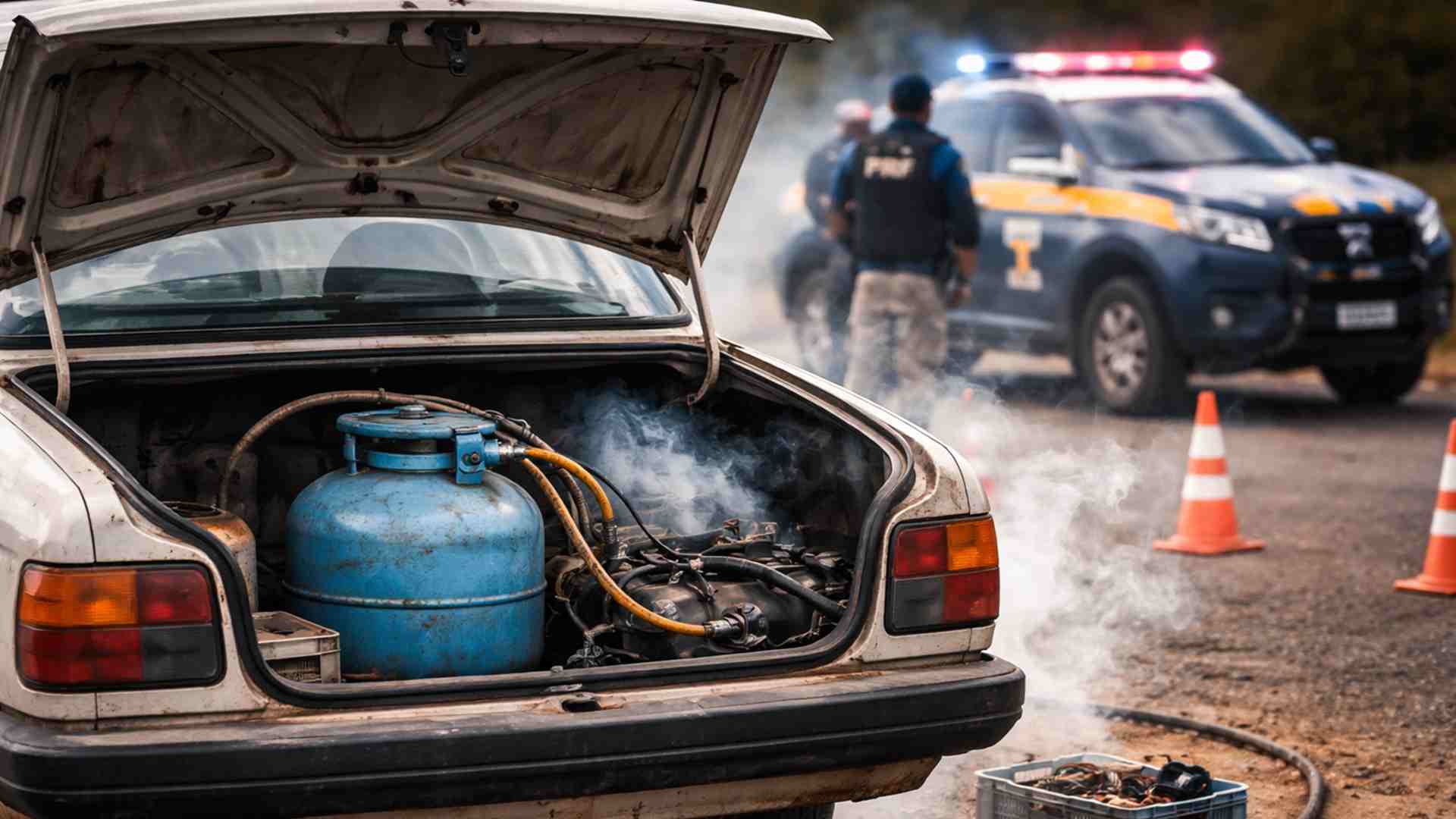
Chevette with cooking gas: How the gas cylinder ends up being used in cars clandestinely and why this makeshift solution can result in leaks, explosions, damaged engines, and seized vehicles.
-
Fiat launches the new 2027 Toro hybrid with 48V, 176 hp, an electric motor of 15.5 hp, a 0.85 kWh battery, up to 7% fuel savings, 8% fewer emissions, and possible exemption from IPVA.

The electronic control unit needs to identify the fuel to make the ideal adjustment. According to Anfavea (2024), in cars without direct injection, it is still recommended to drive a few kilometers after refueling with ethanol if the vehicle was using gasoline.
This happens because the oxygen sensor takes a little time to recognize the new fuel. On the other hand, more modern engines with direct injection adjust immediately.
This adjustment occurs thanks to the line sensor installed in the fuel ducts.
Additives and Spark Plug Wear
Another recurring myth involves the use of additives. Regular gasoline may indeed require additives with detergents and dispersants, according to Petrobras (2024).
However, products known as “octane boosters” — which promise to raise octane levels — only work when they contain iron oxide. This substance can destroy spark plugs and catalysts, according to the Petrobras Research and Development Center (Cenpes).
Engine Warm-Up in The Morning
For decades, Brazilian drivers believed it was necessary to “warm up” the engine before driving. This habit was valid until the early 1990s when carbureted vehicles predominated.
However, since the popularization of electronic fuel injection, this practice has become useless. The engine control unit automatically regulates the fuel-air mixture.
It is sufficient to leave the car running for 20 to 30 seconds, according to the Bosch Automotive Systems (2023) manual.
Speed Bumps and Humps: Villains of Vehicles
Although created to reduce speed, many speed bumps in Brazil do not follow the dimensions established by Contran (Resolution No. 600/2016).
Therefore, they can cause damage to the suspension and alignment. In addition, the practice of driving diagonally twists the monocoque and damages structural components.
The ideal, according to Denatran (2024), is to cross the obstacle in a straight line, without braking.
Used Cars and High Mileage
Some say that vehicles with high mileage are bad deals, but maintenance experts say otherwise.
A car with 150,000 km and up-to-date maintenance tends to be more reliable than one with 50,000 km and neglected maintenance.
The Sindirepa-SP (2024) emphasizes that the maintenance history is more important than the number on the odometer.
Dual Clutch and The Ford Powershift Case
The dual-clutch transmission is one of the most efficient technologies ever created. However, the reputation of the system was shaken between 2013 and 2016 due to failures in Ford’s Powershift transmission.
Despite this, the technology remains a benchmark in efficiency and performance when well designed, according to a study by the Society of Automotive Engineers (SAE, 2023).
Locked Doors and Safety
Although many believe that locking the doors increases safety, specialists from the Brazilian Automotive Engineering Association (AEA, 2024) warn of the risk of total locking.
The locking can hinder rescue efforts in case of an accident. Modern cars have automatic locking with unlocking during collisions, making the process safer.
Turbo and Fuel Consumption
Finally, some say that turbo engines consume more fuel, but this is a half-truth.
According to Volkswagen do Brasil (2024), the turbo increases efficiency by repurposing exhaust gases. This reduces consumption under normal conditions.
However, if the driver maintains intense accelerations, fuel consumption does indeed increase.
Final Reflection on Automotive Myths
Thus, many concepts that seemed unquestionable have been surpassed by technological advances.
Separating myths from facts is essential to prolong the vehicle’s lifespan and reduce costs.









Seja o primeiro a reagir!