





 Portuguese
  English
  Spanish
  5 min of reading
  5 comments


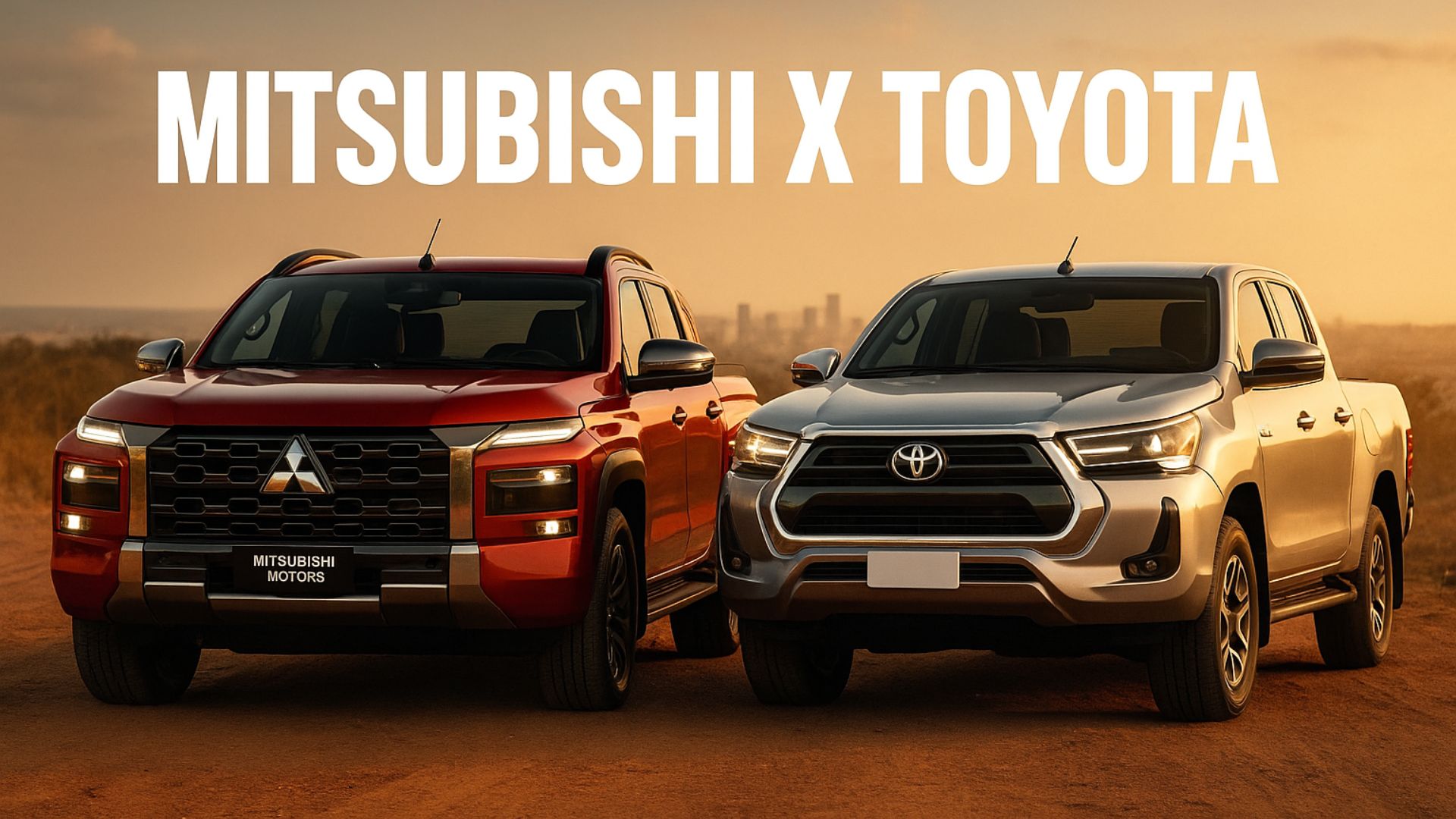


Rivalry Between Two of the Most Desired Pickups in the Country Involves Strength, Technology, and Cost-Effectiveness, with Powerful Diesel Engines, 4×4 Drive, and Performance That Promises to Conquer Both the Country and the City.
The competition between Mitsubishi Triton HPE-S 2026 and Toyota Hilux SRX 2025 places side by side two pickups focused on mixed use, capable of tackling roads, cities, and work with implements.
The clash involves diesel engines with high durability, 4×4 drive with low gear, towing capacity of up to 3,500 kg, and a price difference that amounts to around R$ 24 thousand, a factor that may weigh in the buying decision.
Engine, Torque, and Transmission
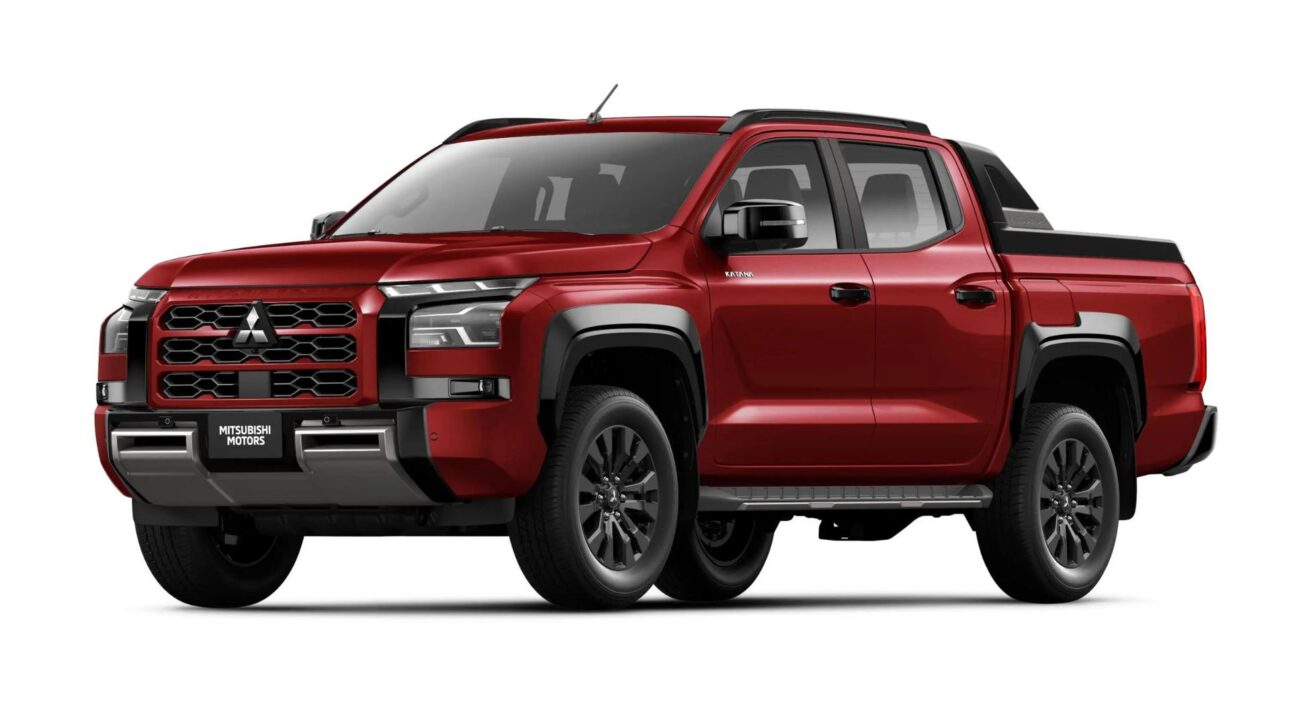
Under the hood, the Triton HPE-S adopts a 2.4 bi-turbo diesel with 205 hp and 47.9 kgfm, paired with a six-speed automatic transmission and the 4×4 Super Select II system, featuring low range and rear differential lock.
-
The car stored for 38 years: when opening the barn door, what appears is breathtaking and looks like a scene from a movie!

-
Fiat works miracles in the Brazilian market, lowers the price of its 0 km hatch to R$ 69,990, reestablishes the model as the cheapest car in the country, and reignites the battle against Kwid and C3.
-
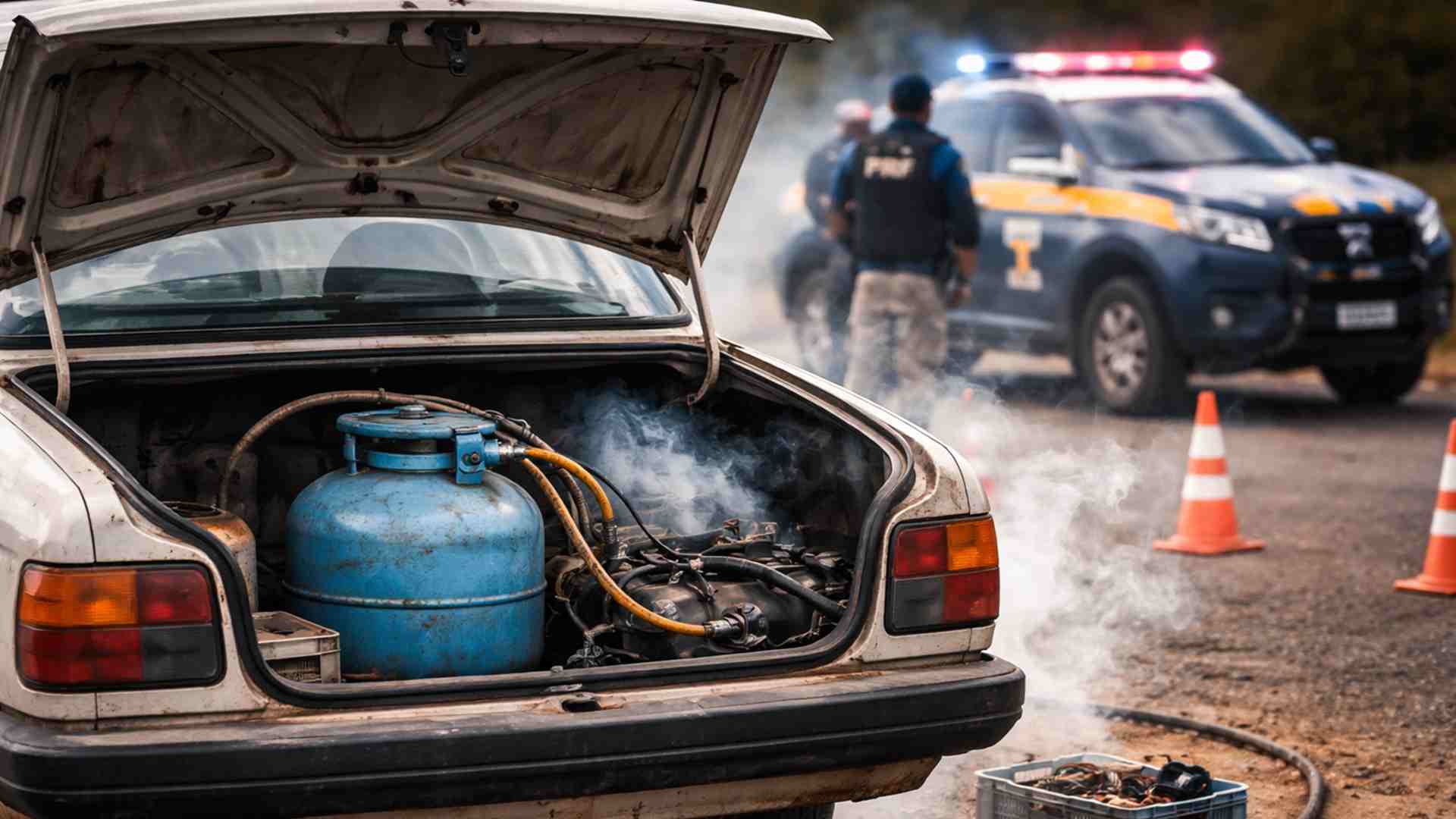
Chevette with cooking gas: How the gas cylinder ends up being used in cars clandestinely and why this makeshift solution can result in leaks, explosions, damaged engines, and seized vehicles.
-
Fiat launches the new 2027 Toro hybrid with 48V, 176 hp, an electric motor of 15.5 hp, a 0.85 kWh battery, up to 7% fuel savings, 8% fewer emissions, and possible exemption from IPVA.

This setup prioritizes versatility and power delivery on low-traction surfaces, in addition to offering features typical for off-road use.
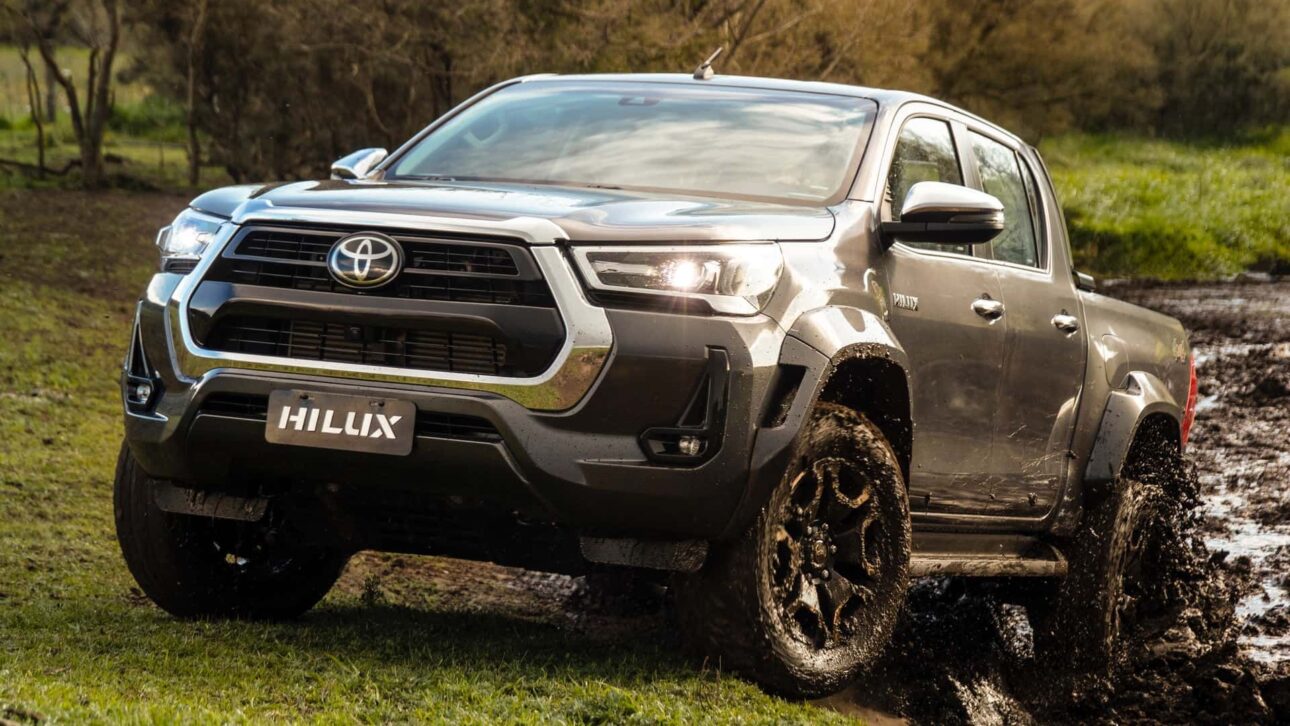
In the rival, the Hilux SRX employs the well-known 2.8 turbo diesel with 204 hp and 50.9 kgfm.
It also features a six-speed automatic transmission and 4×4 drive with low range.
Although the power is virtually equivalent, the superior torque of the Toyota tends to favor low-rpm responses and driving with load or towing, especially on inclines or during short recovery.
Load and Towing Capacity
Beyond strength, the usability of the cargo bed is crucial in daily life.
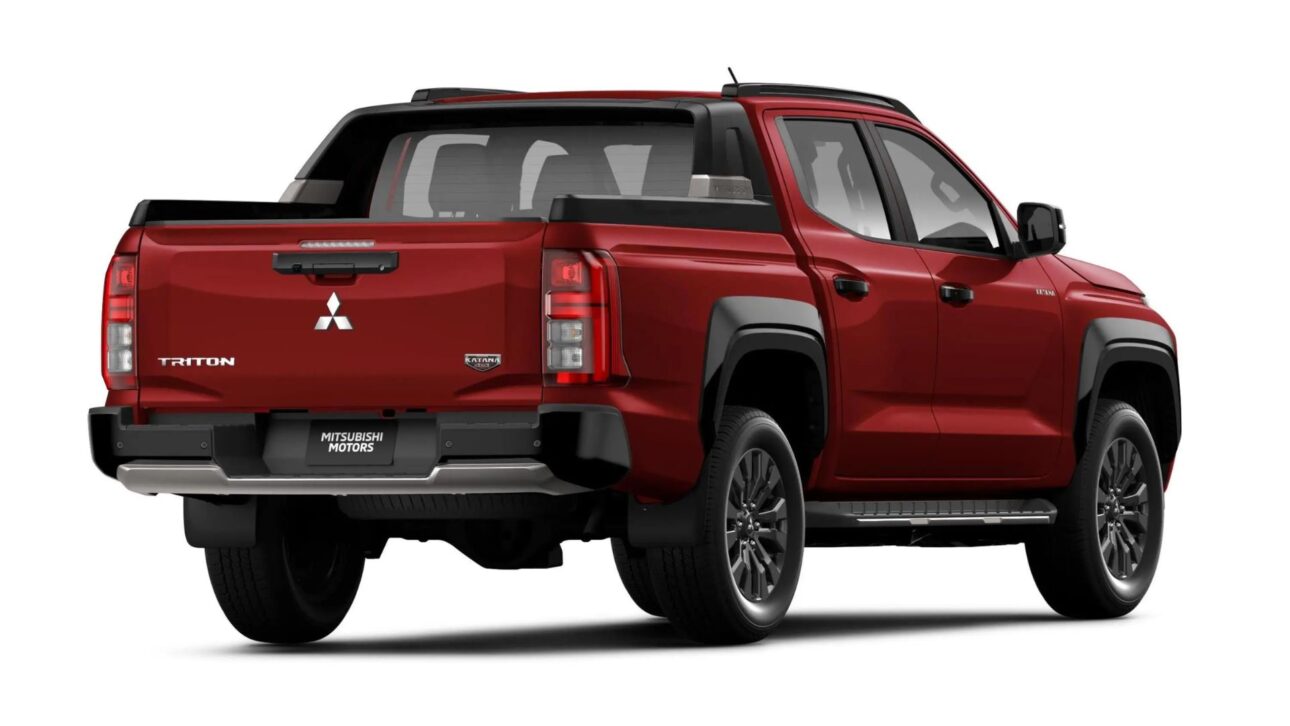
The Triton HPE-S carries 1,105 kg of payload and, when equipped with the appropriate hitch and braked towing, tows up to 3,500 kg.
The Hilux SRX transports 1,000 kg and matches the 3,500 kg towing.
In practice, the Mitsubishi presents a slight advantage in useful load, a differential for rural routines or operational support that requires transporting heavy inputs and equipment without sacrificing personal use.
Safety and Driving Assistance
The new generation of the Triton has elevated the level of onboard technology.
In the HPE-S version, there is collision warning with autonomous emergency braking, adaptive cruise control, blind spot monitoring, and automatic high beams.
The package is complemented by seven airbags, stability and traction controls, and 360° cameras, a solution that facilitates maneuvers with implements and on narrow trails.
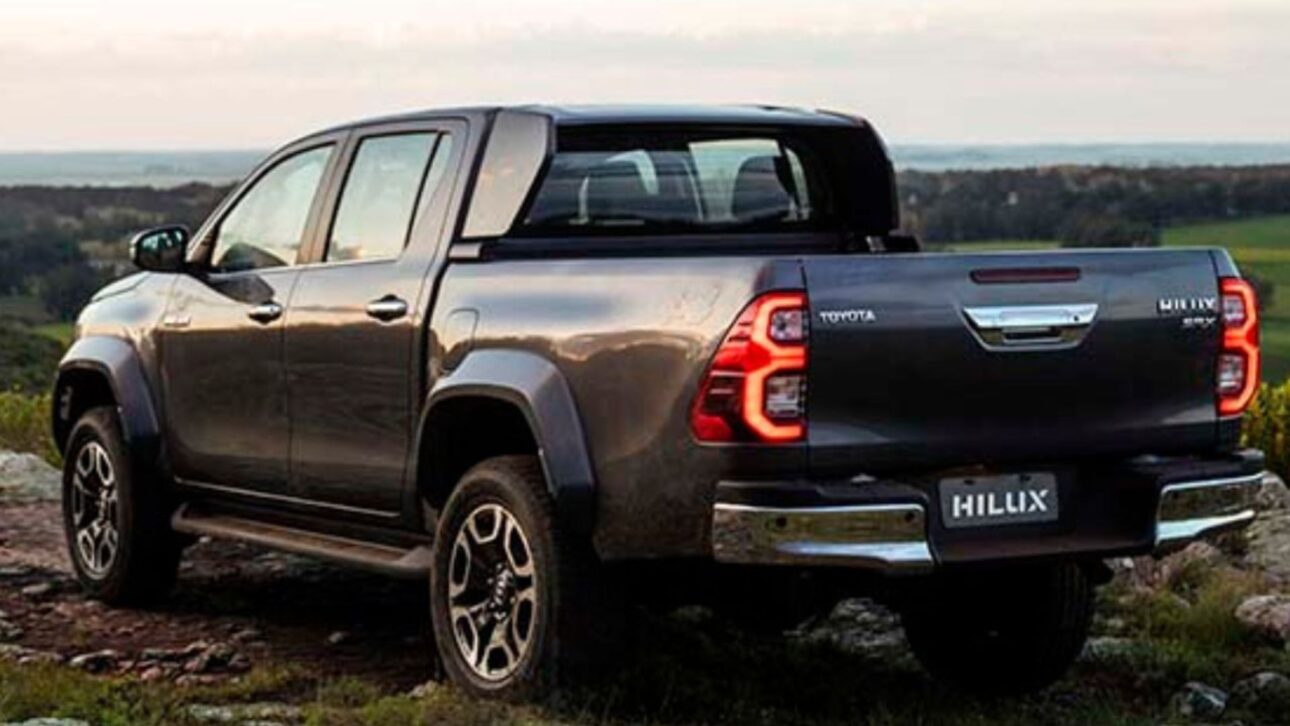
The Hilux SRX brings Toyota Safety Sense, with pre-collision, lane keeping assist, and adaptive cruise control.
However, it lacks 360° vision in the mentioned configuration, which can make a difference in parking with towing, tight garage ramps, or navigation in low-visibility sections.
In both models, the passive safety package includes multiple airbags and electronic controls, maintaining the segment’s standard.
Comfort and Connectivity
Inside, both pickups offer leather seats, dual-zone digital air conditioning, and multimedia centers compatible with Android Auto and Apple CarPlay.
In the Triton, the evolution of the new generation is reflected in the dashboard design and the integration of assistance systems.
The Hilux, on the other hand, preserves the traditional ergonomics and the recognized assembly solidity that marks the line.
In terms of convenience, the tie is technical, with differences more related to user preference than to objective equipment gaps.
Fuel Economy and Maintenance
According to reported data, the Hilux SRX registers 9.3 km/l in the city and 10.8 km/l on the highway, according to Inmetro.
The Triton HPE-S records around 9.5 km/l and 11 km/l, respectively.
The variation is subtle and, in real use, tends to be influenced by load, terrain, fuel type, and tire pressure.
With more modern architecture and lightened components, the Mitsubishi may have a potential advantage in preventive maintenance, but this depends on the network, parts cost, and service frequency, factors that should be checked in the after-sales of each brand.
Prices and Positioning
The indicated price positioning places the Toyota Hilux SRX 2025 in the range of R$ 334 thousand, while the Mitsubishi Triton HPE-S 2026 is close to R$ 310 thousand.
The result is a difference of around R$ 24 thousand in favor of Mitsubishi, an amount sufficient to cover documentation costs, insurance, or professional use accessories.
In competitive segments, the final price often seals the deal, especially when the equipment package proves competitive.
Towing and Practical Performance
For those who need to tow up to 3,500 kg within legal and technical conditions, both meet the requirements.
The greater torque of the Hilux facilitates starts on ramps with loaded towing and may reduce gear shifts under strain.
On the other hand, the greater useful load of the Triton benefits operations that prioritize volume and weight in the cargo bed, in addition to providing more comprehensive assistance features for maneuvers, such as 360° vision.
In trails or unstable terrain, the rear differential lock and low range present in both increase the capability to overcome obstacles.
The Triton also offers managing drive modes with the Super Select II system, enhancing versatility between dry and slippery surfaces.
Network and Reputation
The Hilux maintains a solid reputation in the field and among fleets, supported by a wide dealer network and liquidity in the used market.
This impacts the total cost of ownership and depreciation.
The Triton, as a new generation product, offers a more robust technology package and a lower starting price, which may improve the immediate cost-effectiveness for those who value updated driver assistance and connectivity.
The final decision, therefore, tends to combine usage requirements, service network access, and investment strategy.
Based on what you need in your daily life, what matters more: the extra torque and broader network of the Hilux, or the technological package and price advantage of the Triton?






A capotalux não chega perto da tecnologia da mitsubishi, tradição, conceito técnico, durabilidade e robustez comprovada ao longo do tempo, é só ver as competições vencidas com essa pick-up, não existe outras que chegue perto, nunca compre uma hilux, a menos que ande em estradas que não tenham curvas.
Tenho Mitsubishi Triton muito mais robusta, manutenção bem mais em conta e seguro tbm.
Tranquilo, Mitsubishi Triton, muito mais Picape pra Trabalho PESSADO.
100 % MULA.
Pra quem entende, a Mula é Melhor que um Cavalo.
100% CONFIÁVEL