





 Portuguese
  English
  Spanish
  3 min of reading


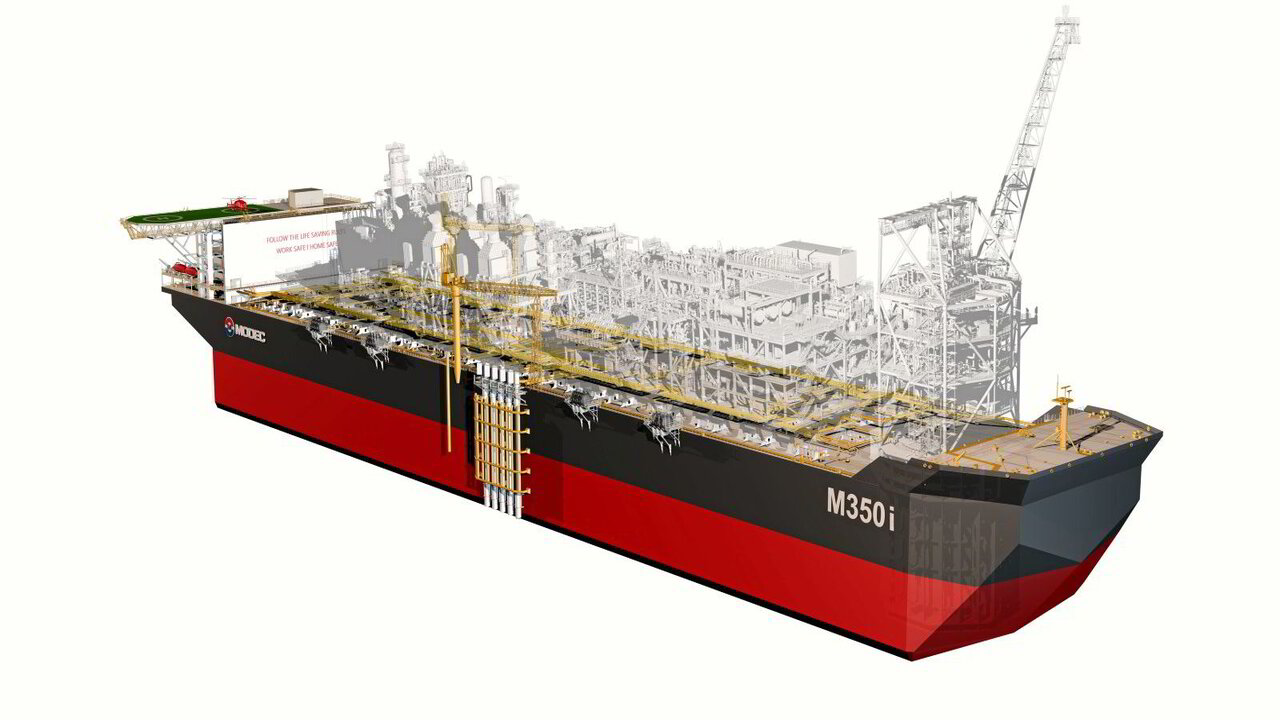
The New FPSO Will Have a Production Capacity of 250,000 Barrels of Oil Per Day Once Completed. The Contract Between Modec and ExxonMobil Calls for the Use of Cutting-Edge Technology in the Vessel’s Construction Project.
The oil and gas exploration company ExxonMobil has just signed a major contract for its future in the international market. Recently, it entered into an agreement with Modec for the construction of a new FPSO platform in Guyana. The vessel development company will be responsible for the Front End Engineering and Design (FEED) portion of the oil company’s new project, thus ensuring cutting-edge technology in the platform.
ExxonMobil Hires Modec for Development of the FEED Construction Project of Its New FPSO Platform in Guyana
Modec continues to expand its presence in the oil market in Latin America and has just secured a major deal with ExxonMobil.
The oil company contracted the builder for the development of a construction project for a Floating Production, Storage and Offloading (FPSO) vessel in Guyana.
-
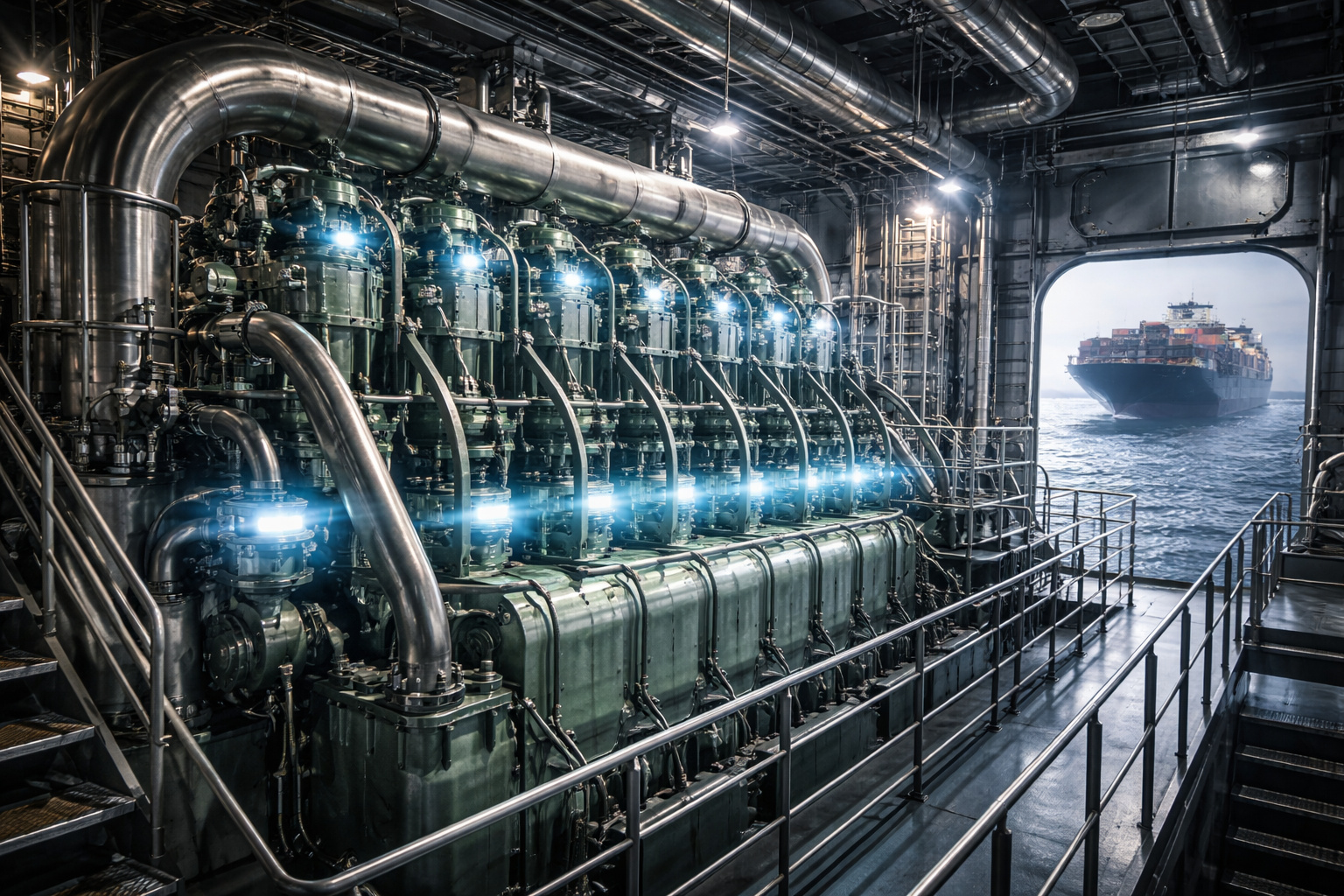
Europe is trying to create an ammonia-powered marine engine without auxiliary fuel, which could unlock the race for giant emission-free ships. The technology aims to eliminate one of the biggest obstacles to clean maritime propulsion.
-
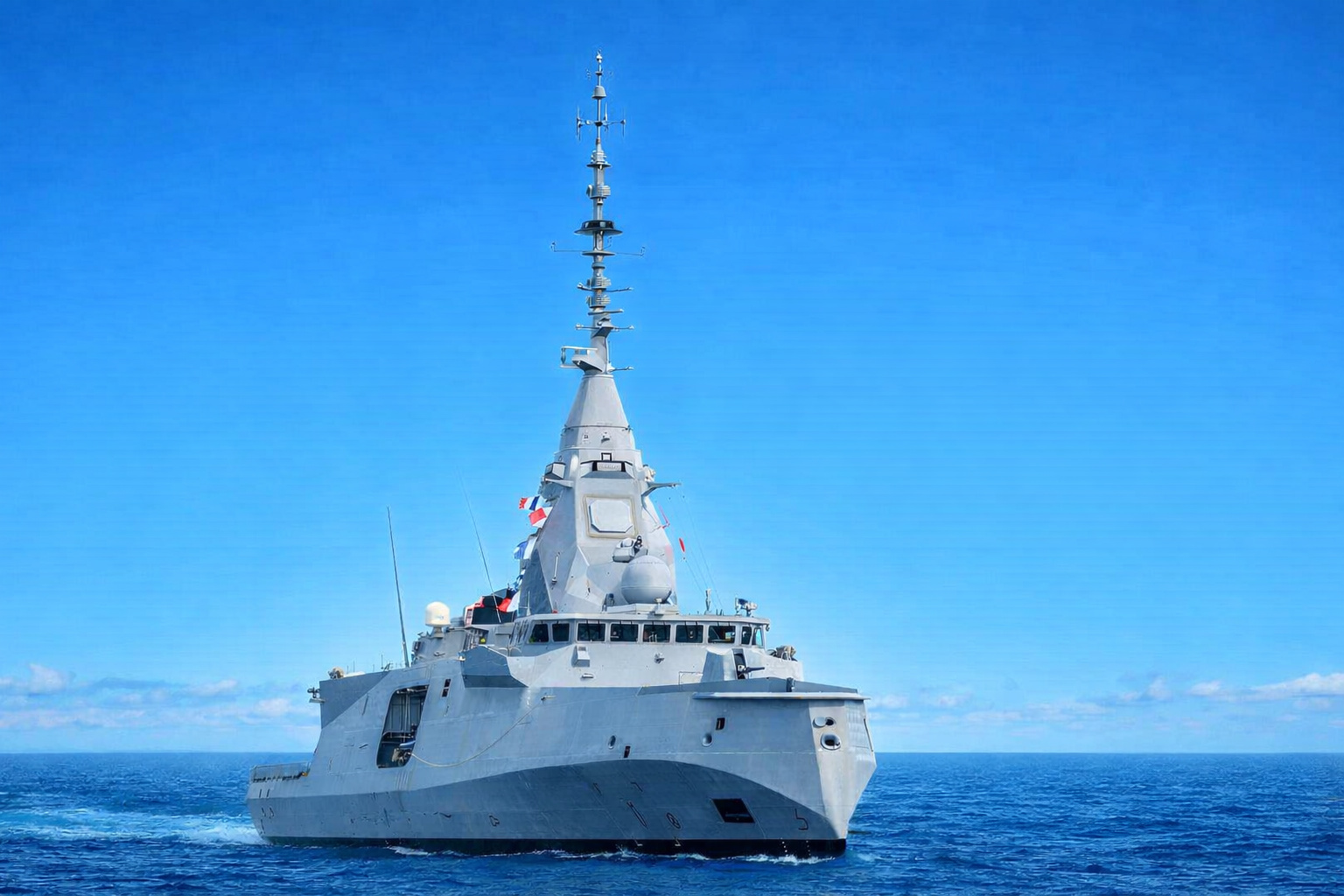
A 4,500-ton frigate with just over 100 crew members, state-of-the-art radar, and cruise missiles is being touted as the new standard of naval warfare in the 21st century.
-
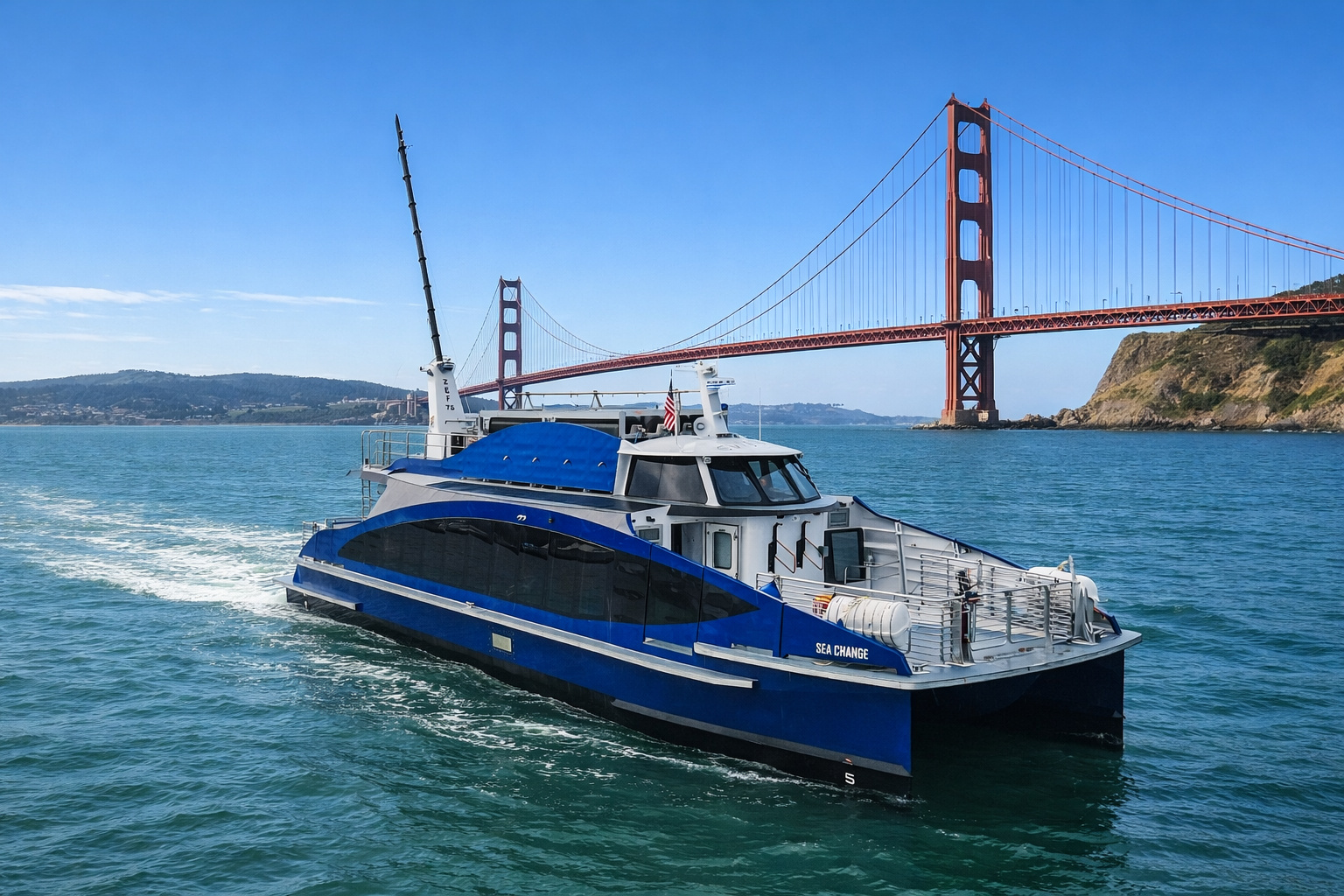
The first commercial hydrogen-powered ferry enters operation in the U.S., eliminates the use of diesel, uses fuel cells to generate clean energy on board, and transforms San Francisco Bay into a landmark of the new era of emission-free navigation.
-
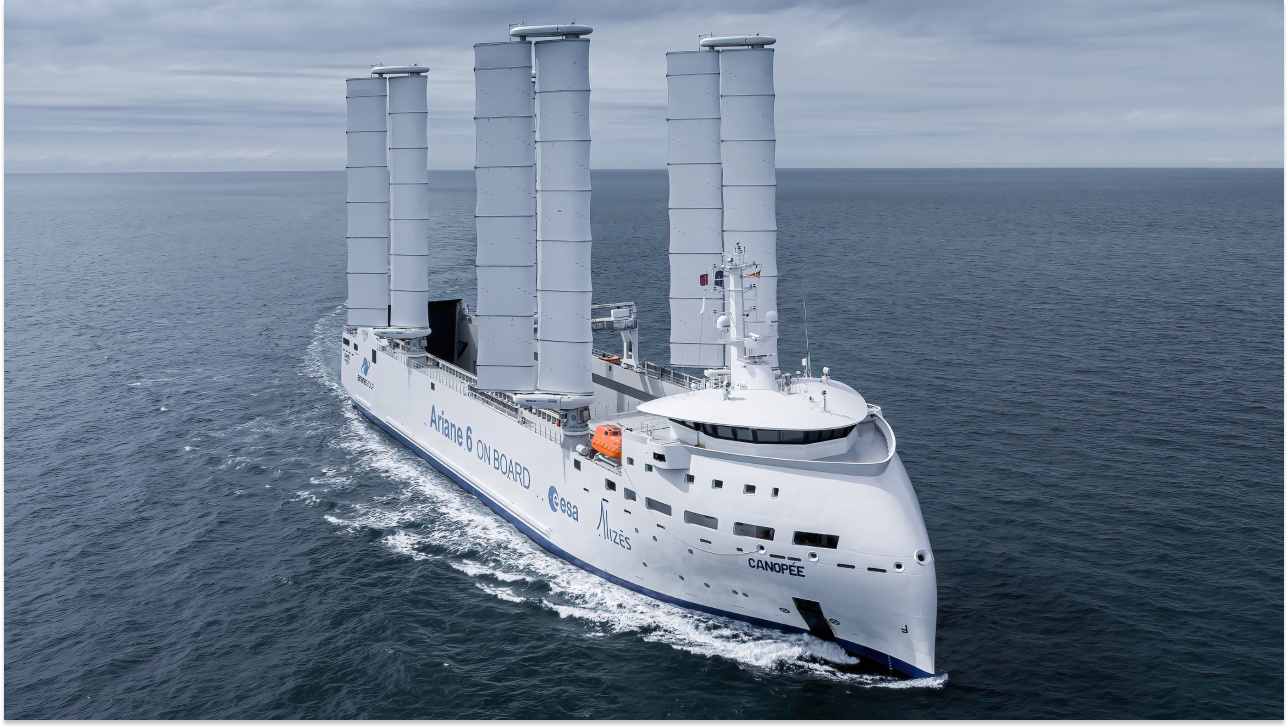
With a length of 121 meters and four rigid sails of 36 meters that automatically rotate to capture the wind, Canopée is the world’s first hybrid industrial cargo ship powered by wind, used to transport rockets and reduce fuel consumption by up to 30% on transoceanic routes.

It will feature Modec’s new M350 construction design, being also the company’s first unit in Guyana and the 18th FPSO/FSO vessel delivered by the company for use in South America.
ExxonMobil expects to significantly and efficiently expand its presence in the Latin American market.
This is because the new FPSO project envisions a production capacity of 250,000 barrels of oil per day, a gas treatment capacity of 540 million cubic feet per day, and the possibility of water injection of 350,000 barrels per day.
The installation of the oil and natural gas exploration and production platform will occur at a depth of 2,000 meters, utilizing a spread mooring system (SOFEC).
Finally, Modec and ExxonMobil confirmed that the new vessel will also have a storage capacity of 2 million barrels of crude oil.
Thus, this FPSO will be the major bet of the oil company for its growth in the local market, while the builder anticipates attracting new ventures after the project delivery.
FPSO Project Is Still in Its Early Stages, but the Company Is Already Celebrating the Opportunity to Showcase Its Work in the Guyana Region
The selection of Modec by ExxonMobil for the development of the construction project for the new FPSO with cutting-edge technology in Guyana was a very pleasant surprise for the company.
The president and CEO of Modec, Takeshi Kanamori, emphasized the importance of the venture for the company.
“We are extremely honored and proud to be selected to provide the FEED services for an FPSO for the UARU project. We take pride in our solid track record of delivering successful projects in South America, and we look forward to cooperating with our client and its partners to make this project a success,” he said.
The start of the FEED contract with ExxonMobil is directly linked to the financing from the company’s subsidiary, Esso Exploration and Production Guyana Limited (EEPGL), to begin the construction work on the FPSO.
Thus, after the FEED and subject to governmental approval of the development plan in Guyana, the project’s sanction includes ExxonMobil’s final investment decision and the release of the second phase (EPCI) of work by EEPGL.
In addition to the initial construction project, ExxonMobil expects that Modec will also be responsible for the operation of the FPSO for the first 10 years of activity.









Seja o primeiro a reagir!