





 Portuguese
  English
  Spanish
  3 min of reading


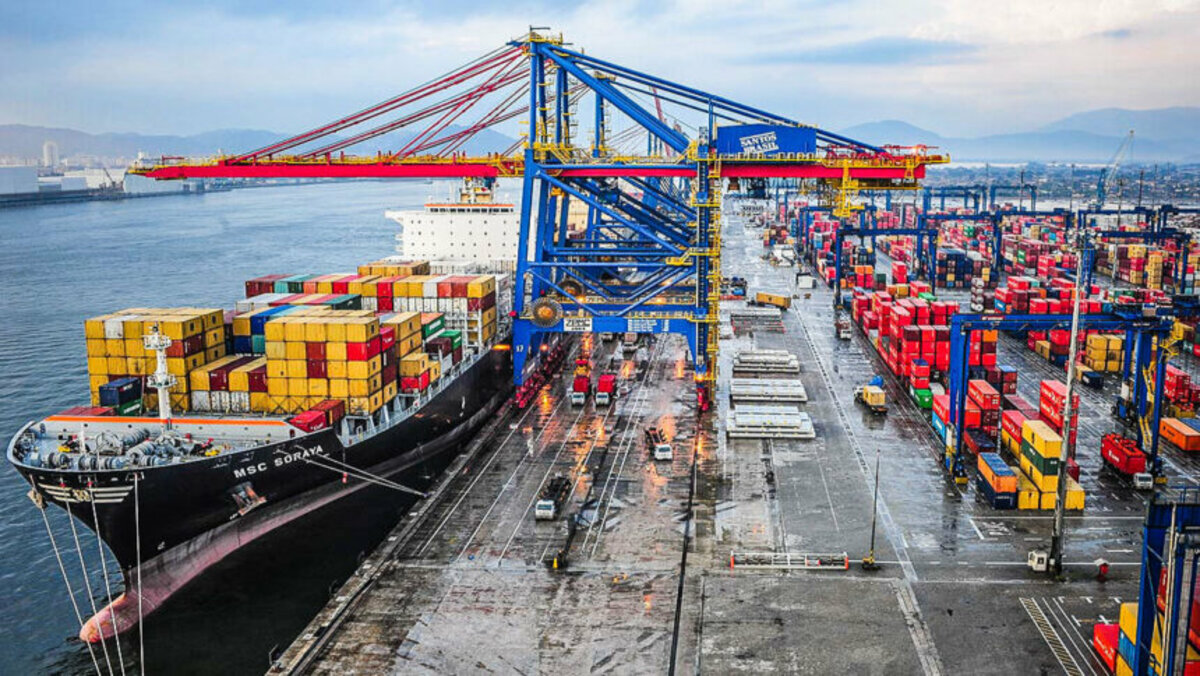
Antaq Continues With Its Plan to Conduct Concession Auctions of Brazilian Complexes to the Private Sector Alongside the Federal Government, and Three New Ports Are Set to Have Privatization Models Analyzed by TCU Over the Next Few Months
Three other Brazilian ports are on the Federal Government’s and the National Agency for Waterway Transportation (Antaq) radar for privatization. They are the Port of Santos and the Port of São Sebastião, both located in the state of São Paulo, and the Port of Itajaí, in Santa Catarina. As of this Thursday (05/26), what is known is that the Federal Court of Accounts (TCU) is expected to analyze the concession model for the auctions by the end of July.
Ports of Santos, São Sebastião, and Itajaí Are Targeted by Antaq and the Federal Government for Concession to the Private Sector via Privatization Auctions
Just as was the case with the Espírito Santo Dock Company, Codesa, whose privatization auction took place in March of this year, Antaq and the Federal Government are looking to carry out the concession of three new Brazilian ports. Thus, the complexes in Santos, Itajaí, and São Sebastião are set to be granted to the private sector over the coming years with auctions for companies interested in the privatization of these locations.
By the end of July, the TCU is expected to analyze the possible privatization models that will be adopted for the concession of these three ports. Moreover, the Port of São Sebastião may have an even shorter timeline, with its concession model set to be reviewed by the end of this June. This is because Antaq has already released some favorable opinions regarding the concession of these three ports, allowing the Federal Government to continue with the privatization project for the national complexes.
-
With 74% of companies facing difficulties in hiring, technicians and engineers in renewable energy are becoming scarce in Brazil and are essential to support the expansion of solar, wind, and green hydrogen projects.

-
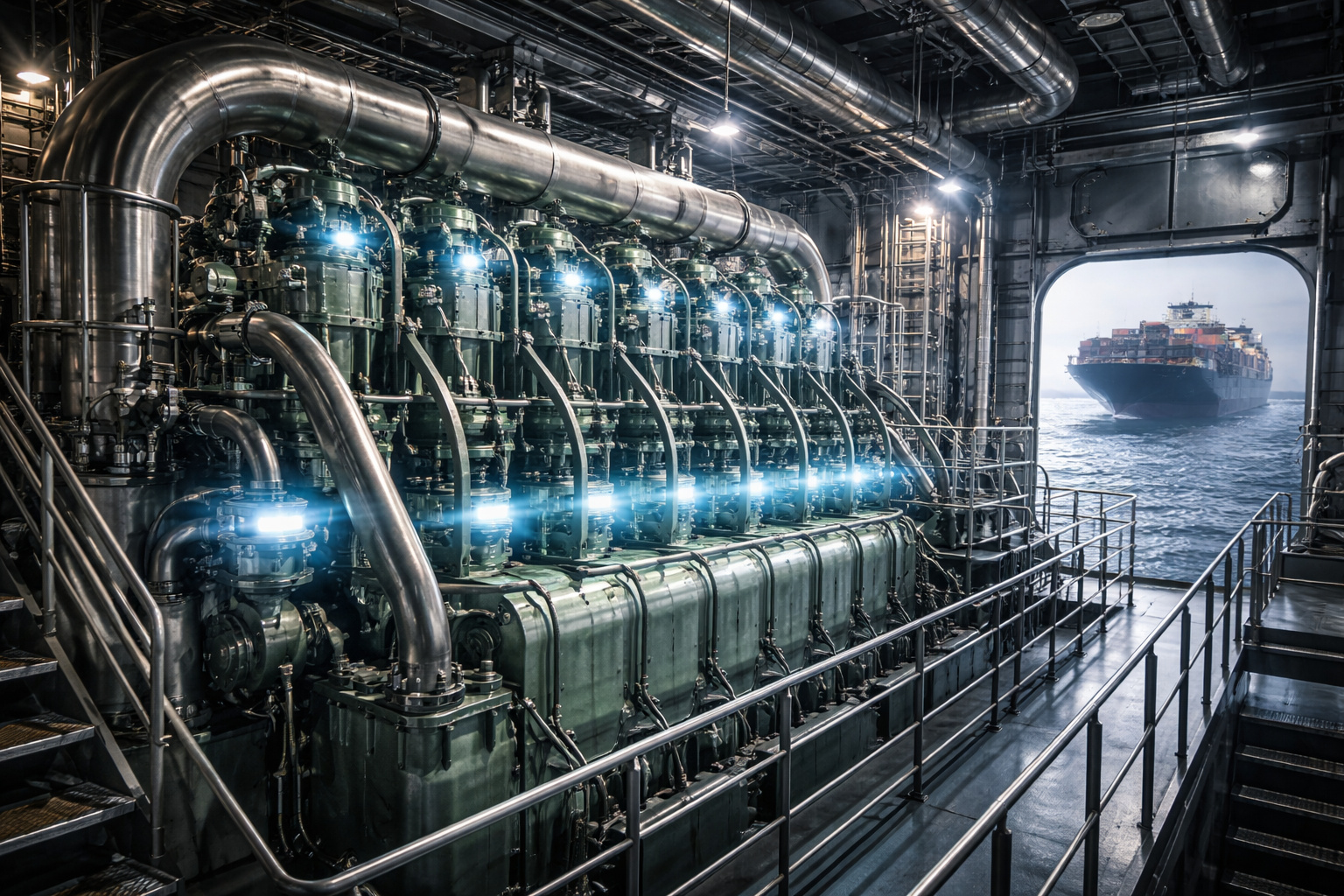
Europe is trying to create an ammonia-powered marine engine without auxiliary fuel, which could unlock the race for giant emission-free ships. The technology aims to eliminate one of the biggest obstacles to clean maritime propulsion.
-
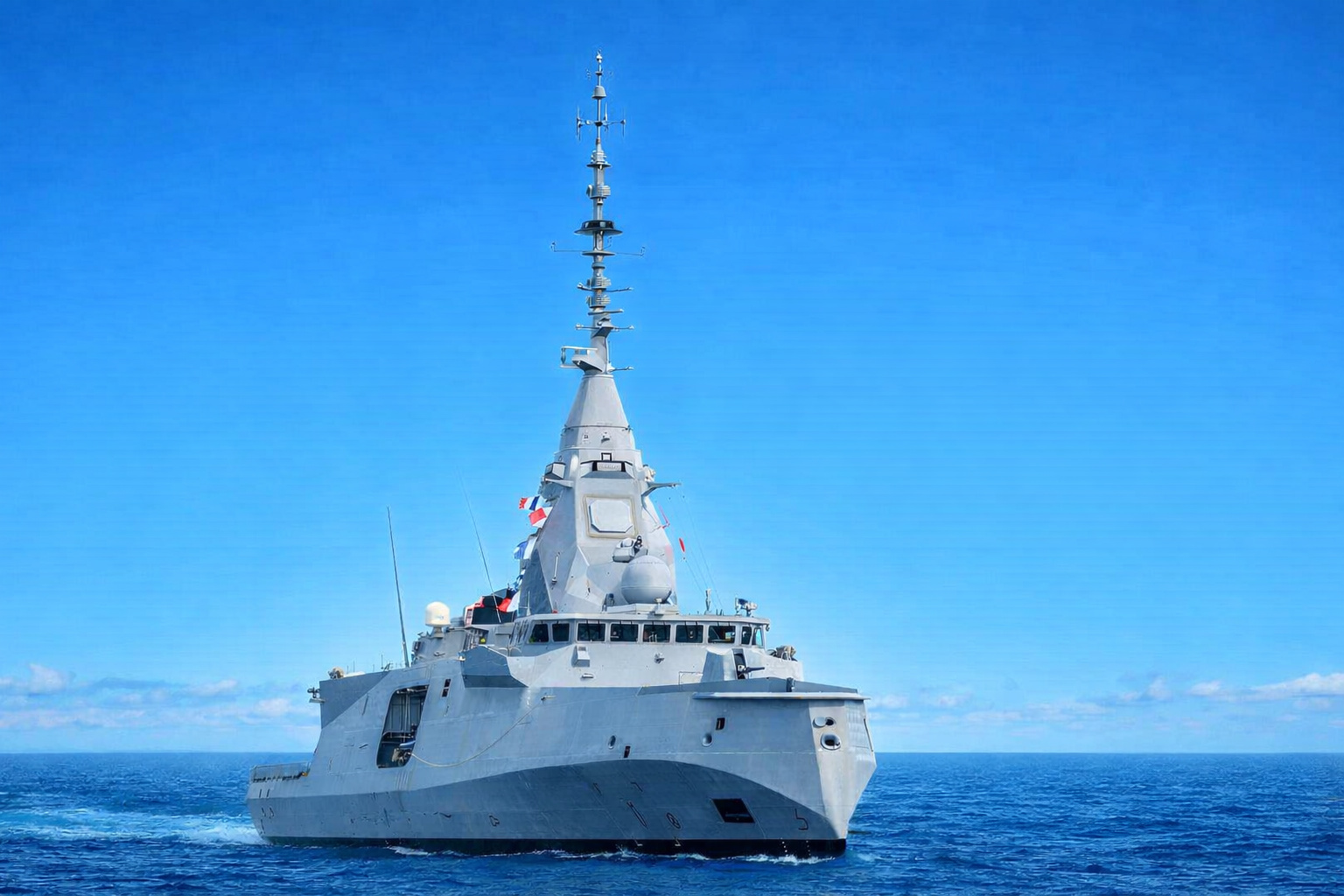
A 4,500-ton frigate with just over 100 crew members, state-of-the-art radar, and cruise missiles is being touted as the new standard of naval warfare in the 21st century.
-
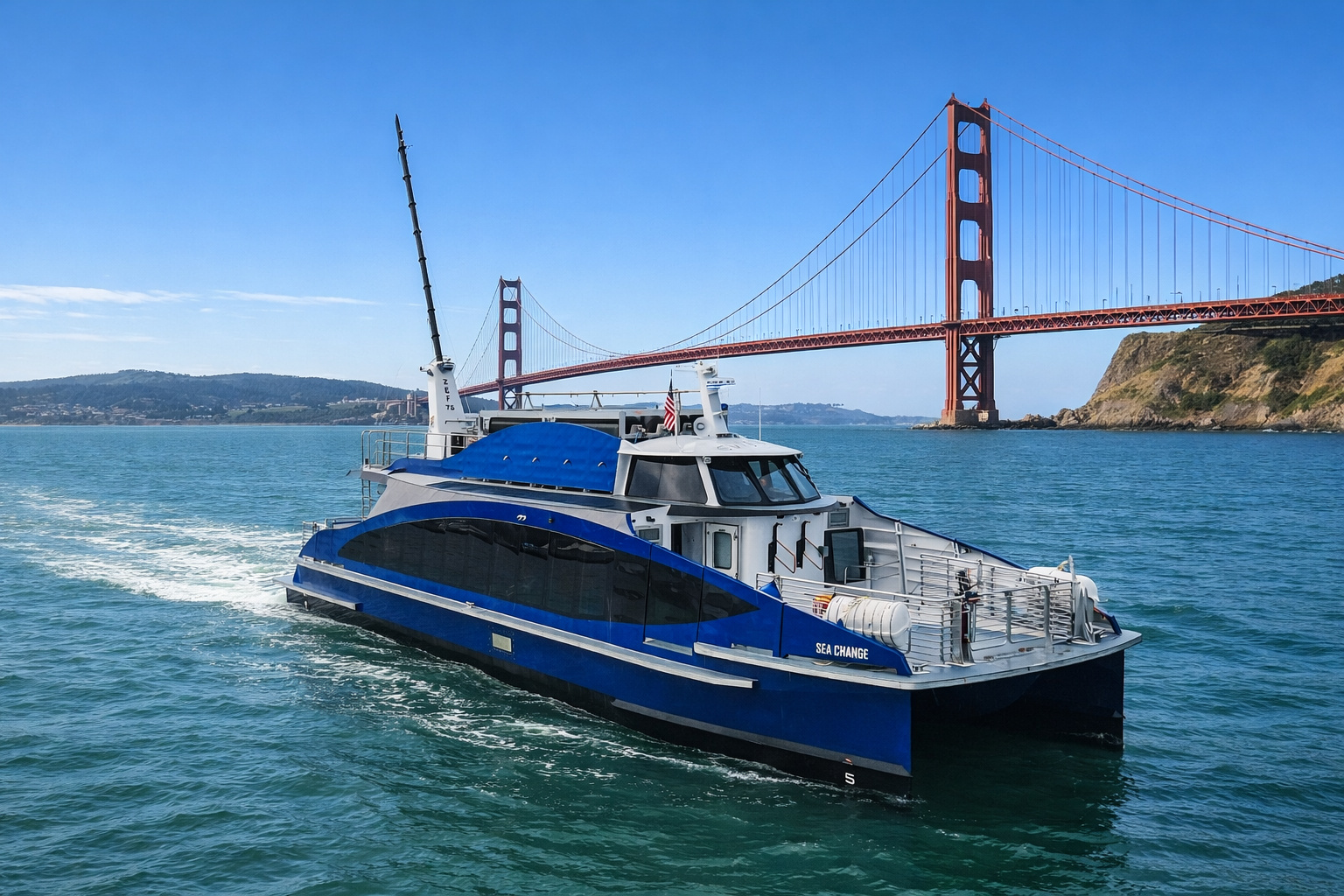
The first commercial hydrogen-powered ferry enters operation in the U.S., eliminates the use of diesel, uses fuel cells to generate clean energy on board, and transforms San Francisco Bay into a landmark of the new era of emission-free navigation.

Similar to the privatization of Eletrobras, during last Wednesday, the TCU is expected to accept the concession model for the auctions without worrying about the impacts of the decision on the national port sector, states the president of the National Port Workers Federation (FNP) and CUT director, Eduardo Guterra.
The executive recalls that the Eletrobras concession model contained several irregularities, and still, the TCU conducted the evaluation without considering these points, and the same is expected to occur with the ports of Itajaí, Santos, and São Sebastião over the coming months.
Privatization Auctions of the Three Brazilian Ports Are Expected to Have Significant Impacts on the Management of the Complexes and on the Workers at the Locations
Eduardo Guterra continued his assessment of the current privatization models for Brazilian ports and warned of the loss of national sovereignty in the global port sector if the privatization of the complexes occurs. This is because Brazil is currently a world reference in cargo transportation operations, especially regarding exports, and with the handover of the ports to the private sector, the State will lose one of its largest sectors.
Additionally, the president of the FNP and CUT director continues to criticize the privatization auctions and raises concerns about their impact on workers’ lives: “They are moving forward with this process without even negotiating the situation of these workers and without listening to either us from the labor movement or the specialists who support us and confirm the retrogression that will happen with the privatization of port management.”
Finally, he recalls that, with the privatization of Codesa, workers only secured an agreement for job stability for 12 months after the port’s handover, and after that period, they are susceptible to unemployment. Thus, the privatization of the ports of Itajaí, São Sebastião, and Santos may exacerbate this problem in the country.







Seja o primeiro a reagir!