





 Portuguese
  English
  Spanish
 3 min of reading
  0 comments


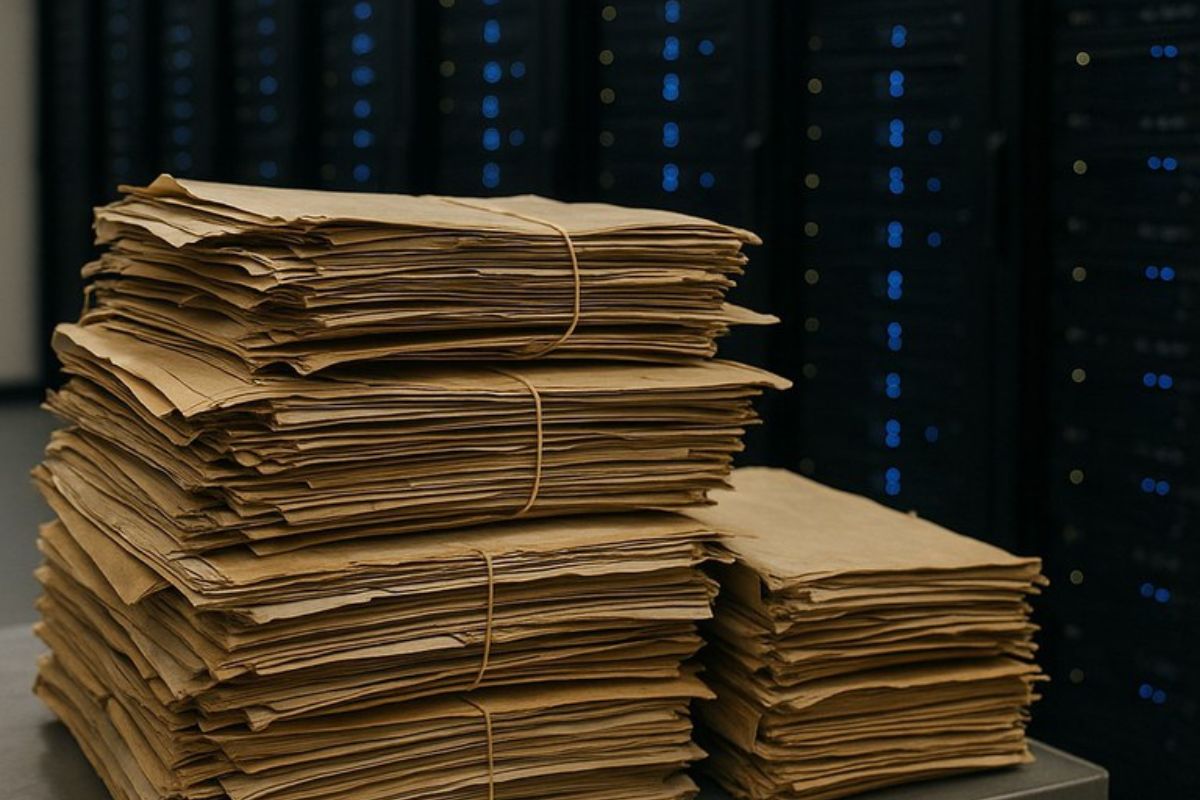
The Digitization of Processes in the Mining Sector Has Reached 80% and Marks a Historic Transition. The Advancement Increases Transparency in Mineral Regulation and Brings ANM Closer to a More Efficient Environment, with Fast Decisions Supported by Secure and Integrated Data
The digitization of processes in the Mining sector has reached 80% and represents an unprecedented change in how mineral regulation is conducted in Brazil, according to a report published.
This advancement goes beyond numbers: it shows the transition from a traditional model, based on paper documents, to a system where everything becomes accessible digitally.
The National Mining Agency (ANM) has managed to transform records accumulated over decades into a more secure and organized digital base. This historic shift helps reduce bureaucracy and prepares the sector for a new phase of innovation.
-
An aquatic seed consumed for centuries in Asia is going viral in the West after studies highlighted its antioxidant compounds and potential anti-inflammatory properties. It pops like popcorn, has low fat content, and is already being called the new functional snack.

-
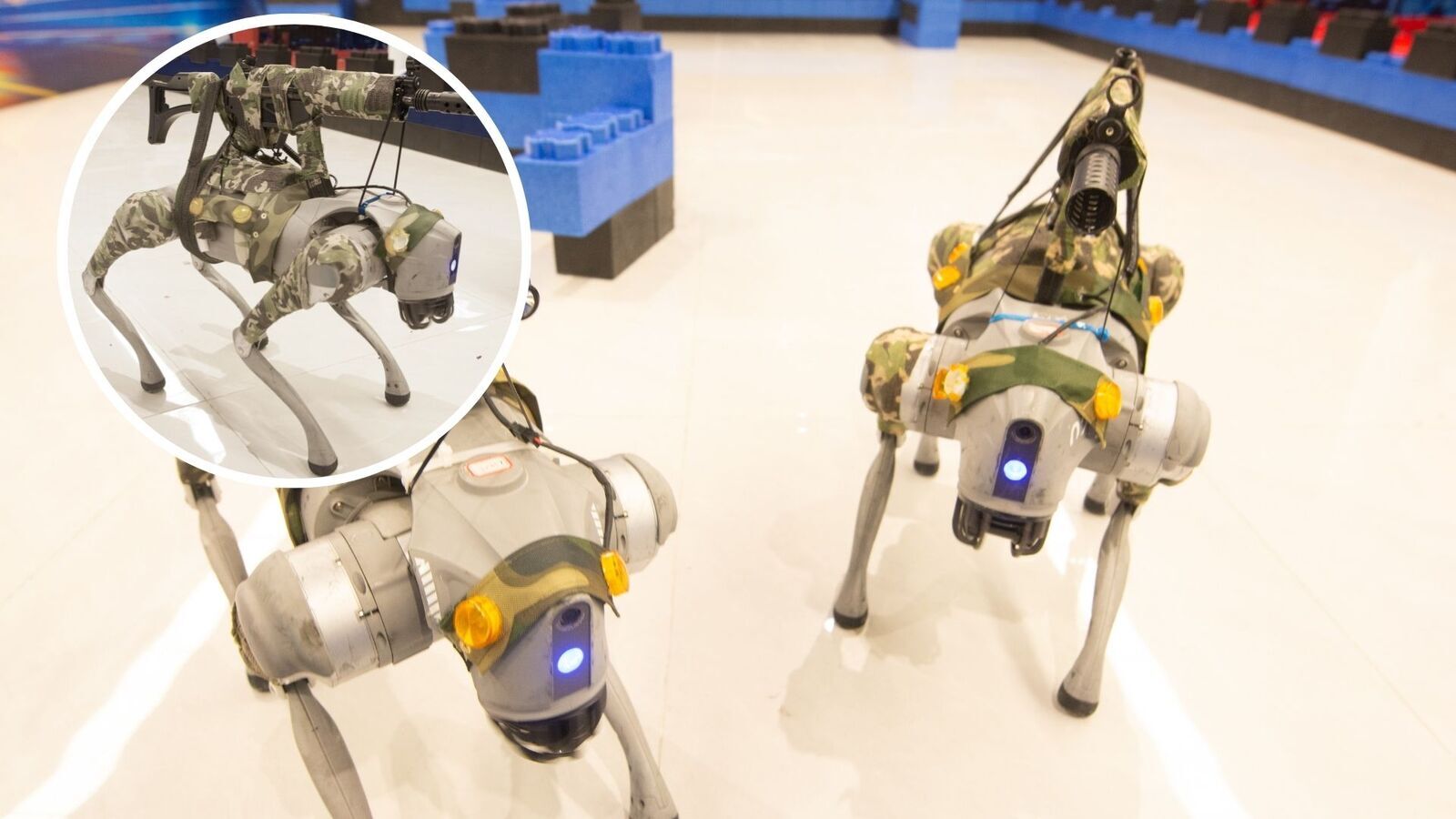
China showcases robot dogs that act in groups like a coordinated pack, make decisions together, and could change the way modern wars operate.
-
The coldest seawater ever recorded in Earth’s history was hidden under extreme ice 717 million years ago and reached an impressive -15°C.

-
China has launched the world’s first floating artificial island, a scientific structure designed to face open seas, test equipment weighing hundreds of tons, and reach depths of 10,000 meters.


With the digitization of processes in the Mining sector, technicians can analyze data more quickly and accurately.
According to the Director-General Mauro Sousa, this movement strengthens the regulatory work of the State, which begins to operate more efficiently in an area considered strategic for the country’s economy.
The milestone achieved reflects the effort of various teams who faced technical and structural challenges, always with the aim of modernizing mining management.
Document Governance as the Foundation of Transformation
The advancement of digitization of processes in the Mining sector is directly linked to document governance. This structured work involved planning and strategy, coordinated by Superintendent Júlio Cesar Rodrigues.
For him, reaching 80% digitization is a sign that the institution is close to integrating its flows at a national level, increasing management efficiency and ensuring technological support for mining policies in Brazil.
Another essential point was the administrative part. As explained by Juliano Flávio dos Reis Rezende, Superintendent of Administrative Management, ensuring resources and infrastructure was a significant challenge but essential for achieving this historic index.
Without this support, the digitization of processes in the Mining sector would not have advanced at the necessary pace to reach this level.
Reduction of Bureaucracy and Increase in Regulatory Efficiency
The digitization of processes in the Mining sector also has a direct impact on regulatory efficiency. Previously, technicians had to deal with piles of physical documents, which delayed analysis and decisions.
Now, with a large part of the collection digitized, the work becomes faster, simpler, and more reliable. According to Mauro Sousa, this transition represents a structural change, reducing bureaucracies that have existed for decades.
Furthermore, modernization opens the door for the use of new technologies. With processes already in digital format, it will be possible to apply artificial intelligence tools and integrate regulatory databases.
This means that, in the future, the sector will have even more transparency, allowing information to be available clearly and accessibly to all interested parties.
Path to 100% and Legacy for the Future
Although 80% is a milestone, the goal is to reach 100% digitization of processes in the Mining sector. The monitoring panel, installed in regional units, shows in real time the progress of each area in this journey.
For Manager Carla Viganigo Rangel de Castilhos, from the Data Governance, Document Management, and Memory Management, this collective work values decades of paper records, transforming them into an active base for the future.
With the entire collection fully digitized, ANM will be able to take a technological leap. The digitization of processes in the Mining sector will become a lasting legacy, increasing the efficiency of regulation and strengthening the trust of society as a whole.
What was once just a physical archive now becomes a strategic resource, supporting decisions, reducing risks, and contributing to the modernization of the sector.




Seja o primeiro a reagir!