





 Portuguese
  English
  Spanish
  3 min of reading
  0 comments


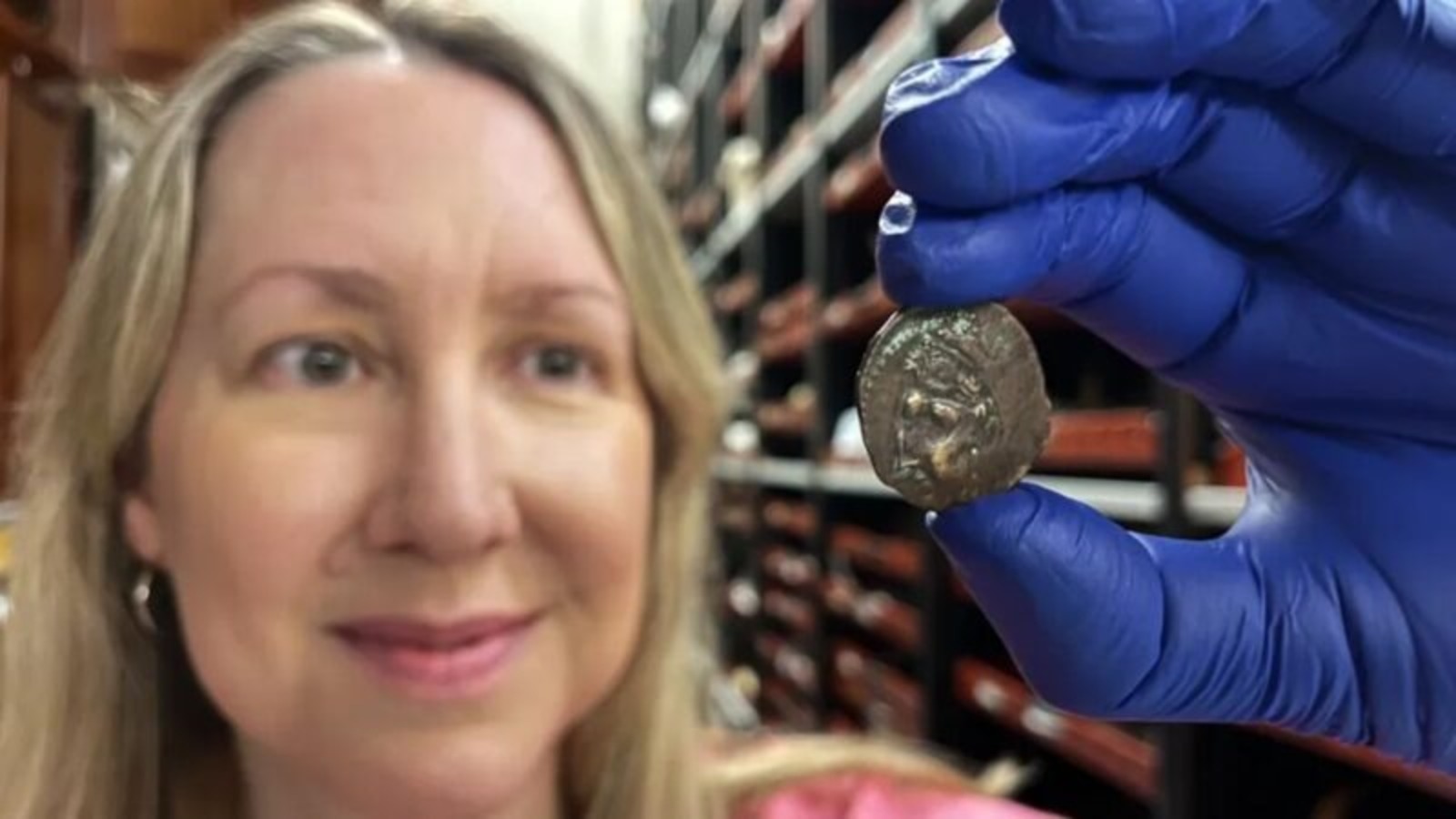
Phony Coin Struck About 2 Thousand Years Ago in the Ancient Colony of Gadir, Now Cádiz, Was Used as Payment on Buses in Leeds, England, in the 1950s, Before Being Identified and Donated to Museum
A Phoenician coin about 2 thousand years old, struck in an ancient colony in southern Spain, was used as fare payment on a bus in Leeds, England, in the 1950s, before being identified decades later and incorporated into a museum.
Discovery of the Phoenician Coin in Transport Box
The story began in the 1950s when James Edwards worked as the cashier for Leeds City Transport, responsible for collecting the money paid by bus and tram passengers in the English city of Leeds.
During his work, Edwards would often separate coins deemed fake or foreign that appeared among the payments handed over by drivers.
-
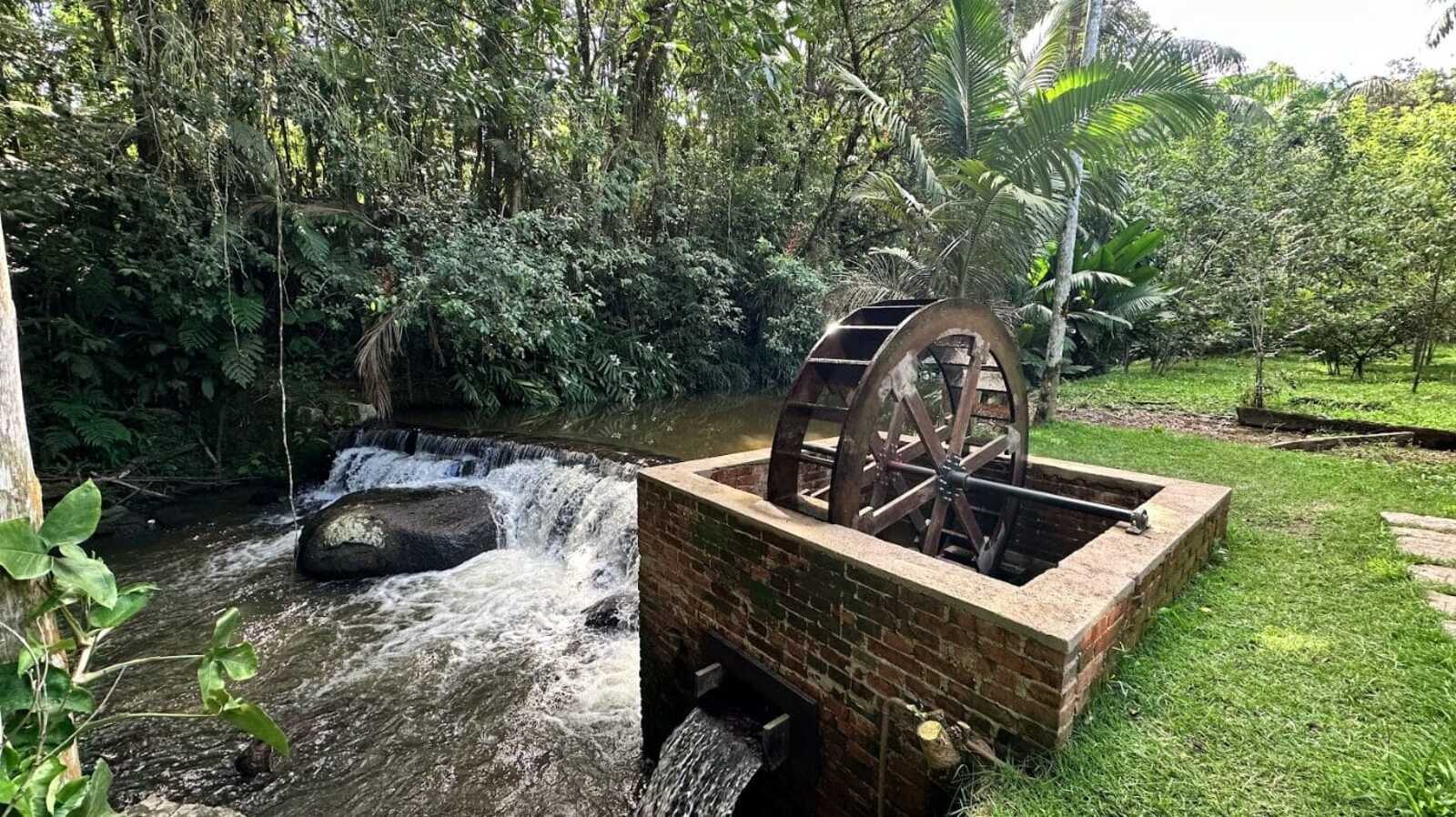
While restoring a historic mansion from 1910, a brick structure with an old turbine that generated energy from the Rio do Testo emerged, along with a hidden door and a rare floor concealed under layers of wax.
-
Italian researchers have detected what appears to be a second Sphinx buried under the sands of Egypt, and satellite scans reveal a gigantic underground megastructure hidden beneath the Giza Plateau for over 3,000 years.

-
There are 4,223 drums and 1,343 metal boxes concreted with 50-centimeter walls that store the radioactive waste from Cesium-137 in the worst radiological accident in Brazil, just 23 kilometers from Goiânia, with environmental monitoring every three months.

-
Giant Roman treasure found at the bottom of Lake Neuchâtel in Switzerland reveals an advanced trade system, circulation of goods, and armed escort in the Roman Empire about two thousand years ago.


Instead of discarding them, he took those pieces home and showed them to his grandson, Peter Edwards.
Among the accumulated objects was a Phoenician coin that sparked special curiosity in the boy. At the time, the item seemed just another unusual coin found among the public transport fares.
Ancient Origin of the Coin
Years later, Peter decided to investigate the symbols present on the piece. Upon researching the inscriptions and images engraved in the metal, he realized that the object was not just a foreign coin, but an artifact struck about two millennia ago.
The analysis revealed that the coin had been produced in Gadir, the ancient Phoenician colony located where the city of Cádiz stands today, in southern Spain.
Gadir was founded by the Phoenicians around the 12th century BC and became one of the first colonies of this people in the western Mediterranean. Later, it came under Carthaginian control after the First Punic War.
Eventually, the city was integrated into the Roman Empire, enhancing its historical significance in the Mediterranean region.
Characteristics of the Artifact
The Phoenician coin is made of bronze and features details associated with the culture of the city where it was struck. On one side, the figure of the Phoenician god Melqart appears.
The deity was directly associated with the city and is often depicted wearing a lion’s skin, a reference to the mythological hero Hercules.
On the reverse side of the piece, two bluefin tunas appear. The image may indicate the relevance of fishing to the local economy of Gadir during Antiquity.
Mystery About How the Coin Reached England
Even after the identification of the piece, it remains unanswered how the Phoenician coin ended up being used as payment on a bus in northern England nearly two thousand years after its striking.
One hypothesis raised by the Edwards family suggests that the object may have been brought back by British soldiers returning from Europe after World War II.
According to this possibility, the artifact may have been kept as a souvenir or curiosity and, at some point, ended up circulating without its historical value being recognized.
Donation to the Museum
Decades after the discovery, Peter Edwards decided to donate the Phoenician coin to Leeds Museums and Galleries. Specialists from the institution analyzed the object and confirmed its historical authenticity.
Today the piece is part of the institution’s collection. For the curators, the artifact not only has historical value but also represents a curious case of how ancient objects can appear in unexpected contexts.
Even with archaeological and historical studies, the complete journey of the coin remains uncertain. The path between the Mediterranean Antiquity and a British bus will likely never be fully known, making the story even more intriguing.
With information from Aventuras na História.






-

-

-

3 pessoas reagiram a isso.