





 Portuguese
  English
  Spanish
  4 min of reading
  2 comments


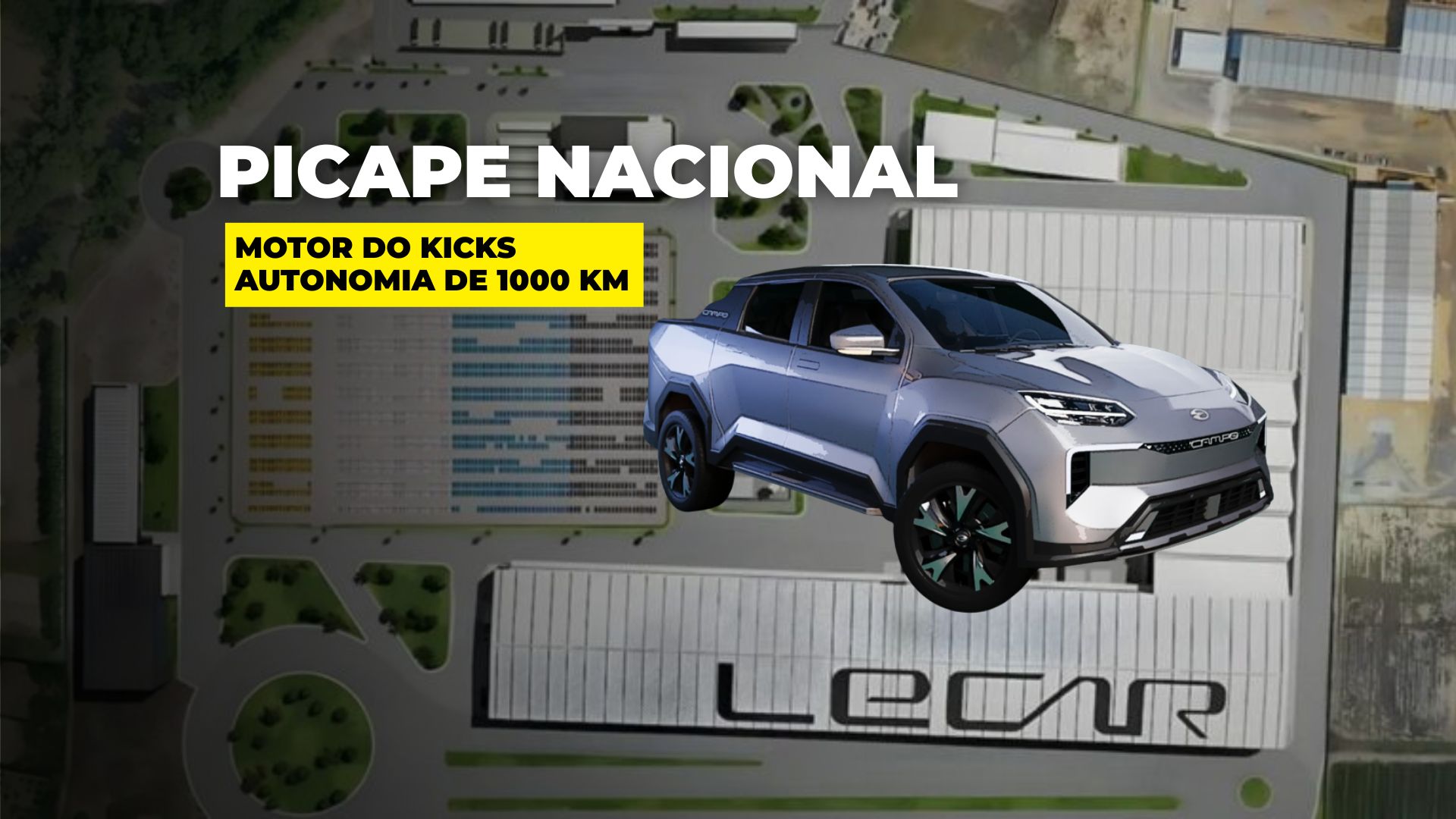


National Model Bets On Flex Hybrid Technology And Proposes New Reference In Sustainability, Performance And Connectivity Among The Compact Pickups Manufactured In Brazil.
The manufacturer Lecar, founded by businessman Flávio Figueiredo Assis and recognized for its fully national operation, announced this Tuesday (29) the official date to present the unprecedented hybrid pickup Campo.
The model, which marks a new bet from the Brazilian automotive sector, will be launched to the public at the 2025 edition of Fenasucro & Agrocana, the largest technology fair for the sugar-energy sector in Latin America, between August 12 and 15, in Sertãozinho (SP).
The manufacturer, headquartered in Espírito Santo, has already started the pre-sale of the Lecar Campo with a suggested price of R$ 159,300 and delivery expected for 2026, establishing new parameters of innovation and autonomy for national pickups.
-
OMODA & JAECOO grows in Europe in 2026 with an integrated strategy of sales, innovation, local production, and technological advancement in the United Kingdom, Italy, and Spain.

-
OMODA & JAECOO expands after-sales service in Brazil with competitive maintenance, a 7-year warranty, and high availability of parts for technological SUVs.
-
OMODA & JAECOO appoints Alessandra Souza as executive marketing director in Brazil and accelerates brand expansion with a focus on innovation, networking, and hybrid portfolio.

-
Jaecoo 7 with super hybrid SHS system exceeds 1,200 km of combined range with a 1.5 turbo engine, high-density battery, and intelligent energy management.

Launch of Lecar Campo Highlights Innovation And Sustainability
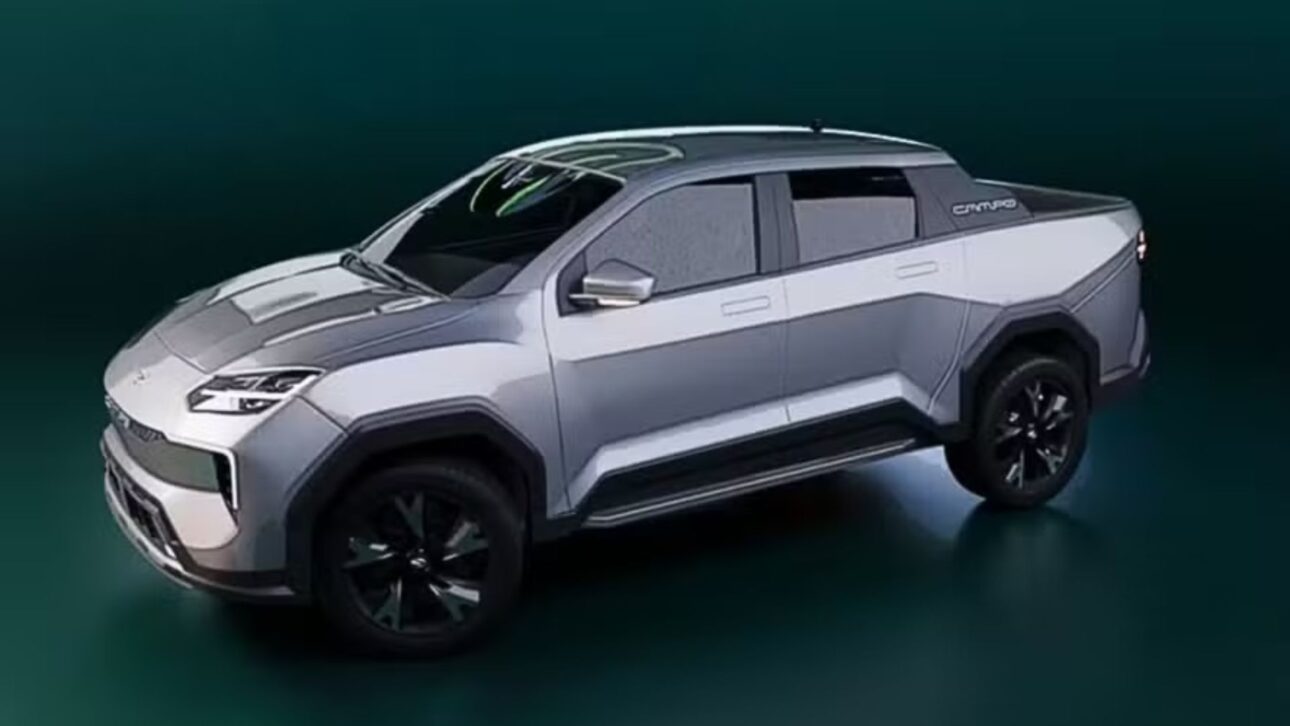
The Lecar Campo arrives as a direct response to the growing demand for sustainable and efficient vehicles, being the first flex hybrid compact pickup in Brazil.
Equipped with a 1.0 turbo flex engine from Horse – acclaimed for its use in the Renault Kardian and Nissan Kicks – combined with an electric powertrain, the model reaches a maximum combined power of 165 horsepower and torque of 26.3 kgfm.
The electric motor, developed by the Brazilian company WEG, is responsible for the entire traction of the vehicle, while the combustion engine acts exclusively as a generator of energy, not being directly connected to the wheels.
This setup results in acceleration from 0 to 100 km/h in 10.9 seconds, in addition to ensuring an impressive range of 1,000 kilometers, using only 30 liters of ethanol, with average consumption calculated at 33.3 km/l, according to information from the manufacturer itself.
Flex Hybrid System And Use Of Ethanol Gain Protagonism
By opting for the flex hybrid system, Lecar completely abandons the initial project of 100% electric vehicles, concentrating its efforts on solutions focused on the use of ethanol.
According to company representatives, the use of the national biofuel aligns with the trend of decarbonization and expands alternatives for sustainable mobility in Brazil.
This differential reinforces Lecar’s positioning as a brand committed to clean technologies and developing products adapted to the reality of the Brazilian market.
Dimensions, Bed And Carrying Capacity Of The Flex Hybrid Pickup
In terms of dimensions, the Lecar Campo has measurements of 4.50 meters in length, 1.82 meters in width, 1.60 meters in height, and a wheelbase of 2.70 meters, with a ground clearance of 20 centimeters.
Its bed has a length of 1.35 meters and a volumetric capacity of 900 liters, surpassing the average of the segment in terms of usable space.
The carrying capacity is 650 kg, equivalent to the double cab versions of main competitors like Fiat Strada and Volkswagen Saveiro.
Structure, Suspension And Embedded Technology
Among the construction highlights, the Campo adopts a monocoque structure, independent suspension on all four wheels, and disc brakes with ABS and EBD in all positions, moving away from the traditional leaf spring system found in rivals of the same size.
This solution provides greater stability, comfort, and safety while driving, aspects considered essential by consumers seeking versatility in both urban and rural use.
The model’s design also reinforces its innovative proposal.
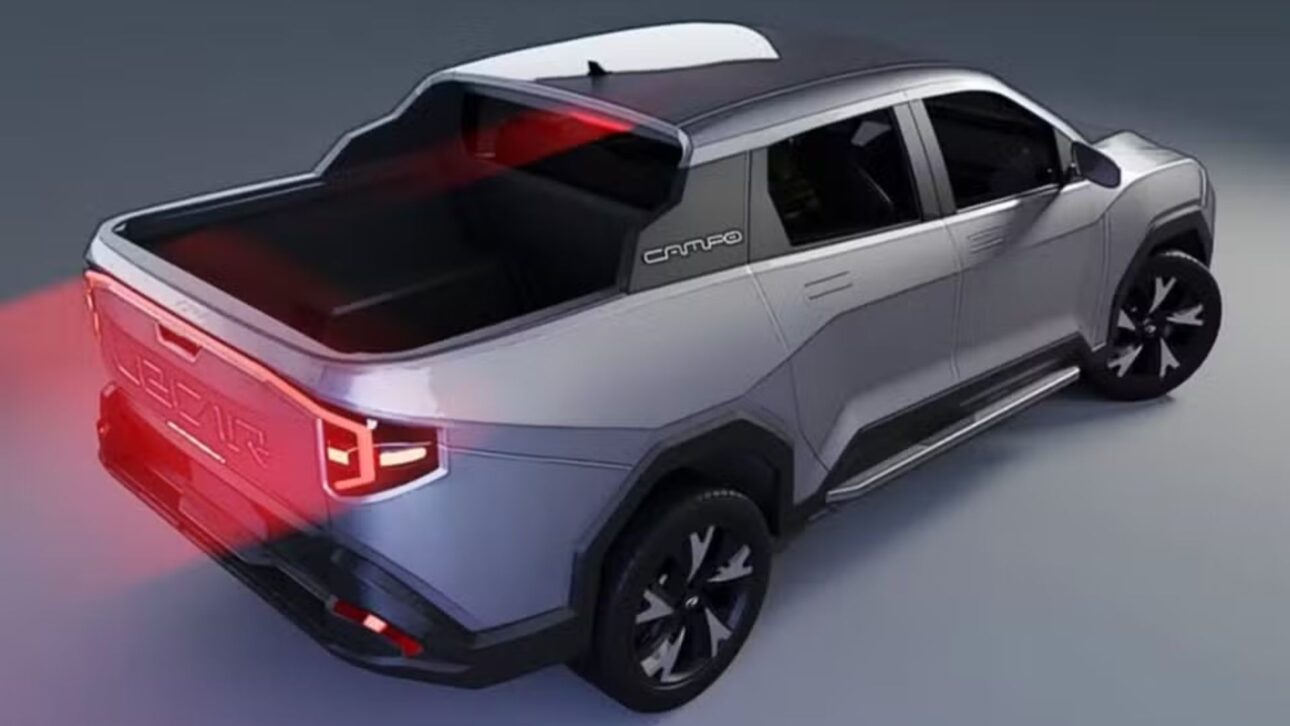
The front follows the design adopted in the Lecar 459 coupe, featuring a sculpted hood, full LED lighting, and exclusive bumpers made of dicyclopentadiene (DCPD), a material known for its lightness and high impact resistance.
On the sides, retractable handles and 17-inch wheels with a diamond finish stand out.
The rear incorporates an LED strip connecting the taillights and the model name engraved on a plastic piece on the C-pillar, simulating an integrated roll bar design.
Safety And Technology Package Differentiate Lecar Campo
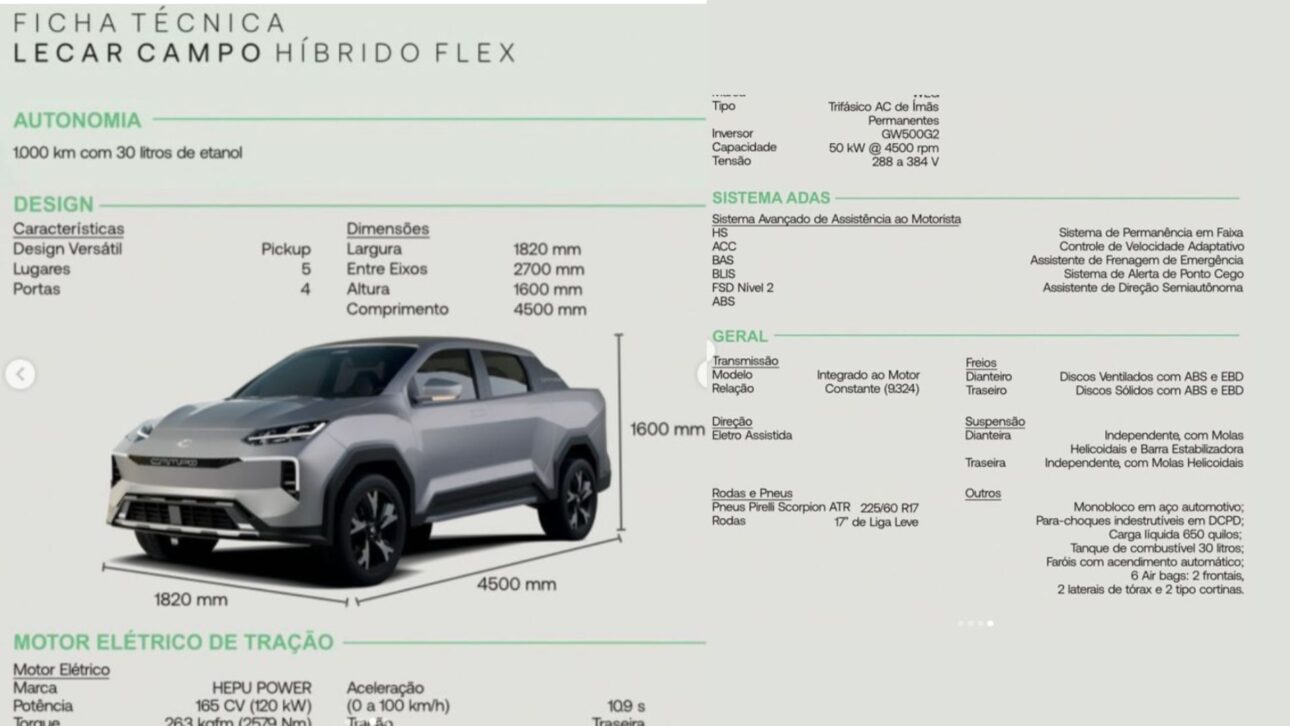
In the field of technology and safety, the Lecar promises to equip the Campo with six airbags, traction and stability control, as well as a complete Adas package (advanced driver assistance systems) considered comprehensive for the segment.
Among the confirmed features are the lane-keeping system, adaptive cruise control, emergency braking assistant, blind spot alert, and semi-autonomous steering.
According to the manufacturer, no national competitor currently offers as many active assistance items in this price range.
Start Of Factory Operations And Pre-Sale In Brazil
The launch of the Lecar Campo occurs at a strategic moment for the Brazilian automotive sector, with a growing focus on energy efficiency, sustainability, and incorporation of global technologies.
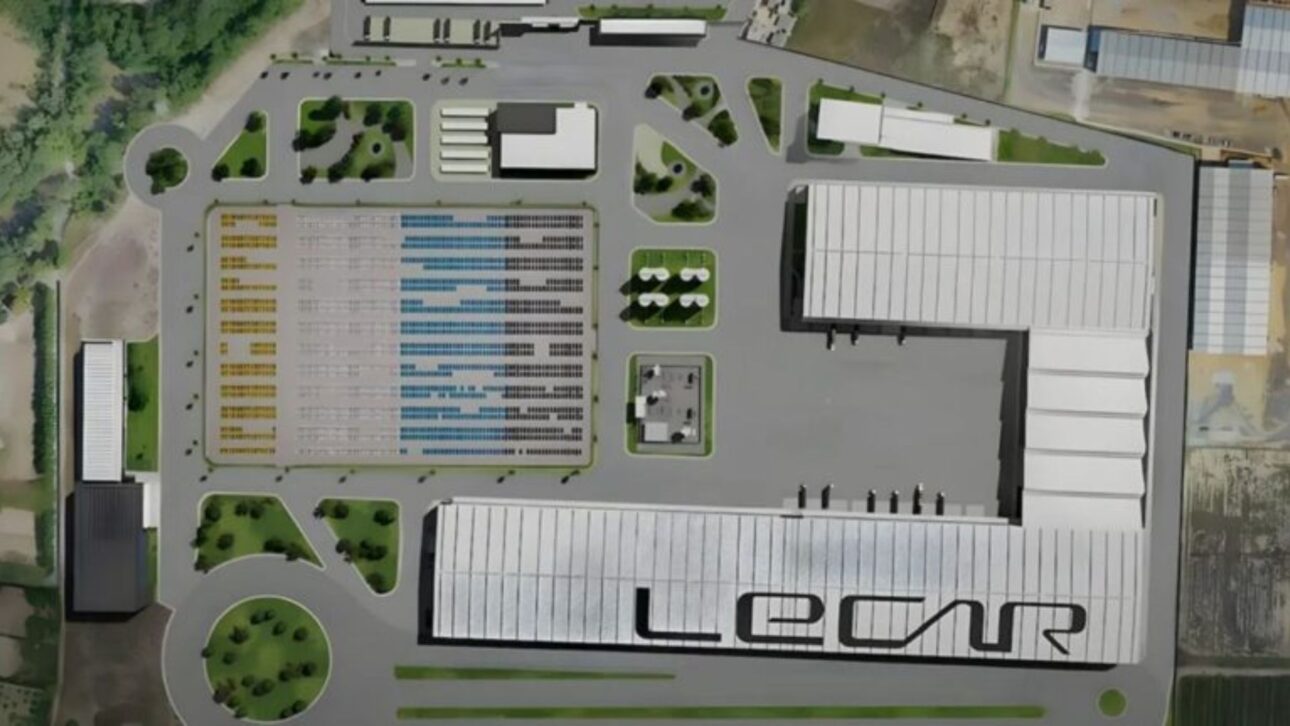
The Lecar factory, currently under construction in the city of Sooretama, Espírito Santo, is expected to begin operations in August 2026.
Until then, interested consumers can reserve the flex hybrid pickup directly through the brand’s official website, by paying a deposit of R$ 1,593 – equivalent to 10% of the total vehicle price.
In your view, reader, with innovative features and a focus on sustainability, will the Lecar Campo find space among rivals like Fiat Strada and Volkswagen Saveiro and truly succeed in the Brazilian market?








Não tem como competir com nenhuma montadora. O Lecar tem carroceria em PRFV, ( fibra de vidro) como os antigos Puma e Gurgel. Algum veículo Lecar já fez crash test? Se fez, quantas estrelas obteve?
JÁ NÃO ERA SEM TEMPO. UMA MONTADORA NACIONAL. TOMARA QUE NÃO ACONTEÇA COMO A GURGEL.