





 Portuguese
  English
  Spanish
  3 min of reading
  0 comments



Mercedes-Benz Changes Assembly Process, Abandons Industrial Glue and Adopts Screws to Reduce Repair Costs and Facilitate Vehicle Recycling.
Mercedes-Benz announced a deep revision in its production engineering by deciding to eliminate the use of industrial glue in the fastening of parts and adopt conventional screws.
The change starts with the headlights, directly affecting the maintenance cost of vehicles and is part of a global policy of the automaker aimed at circular economy, focusing on reparability, material reuse, and reduction of environmental impacts.
An Invisible Problem for Those Who Buy the Car
For the consumer, the way a vehicle is assembled rarely draws attention at the time of purchase.
-
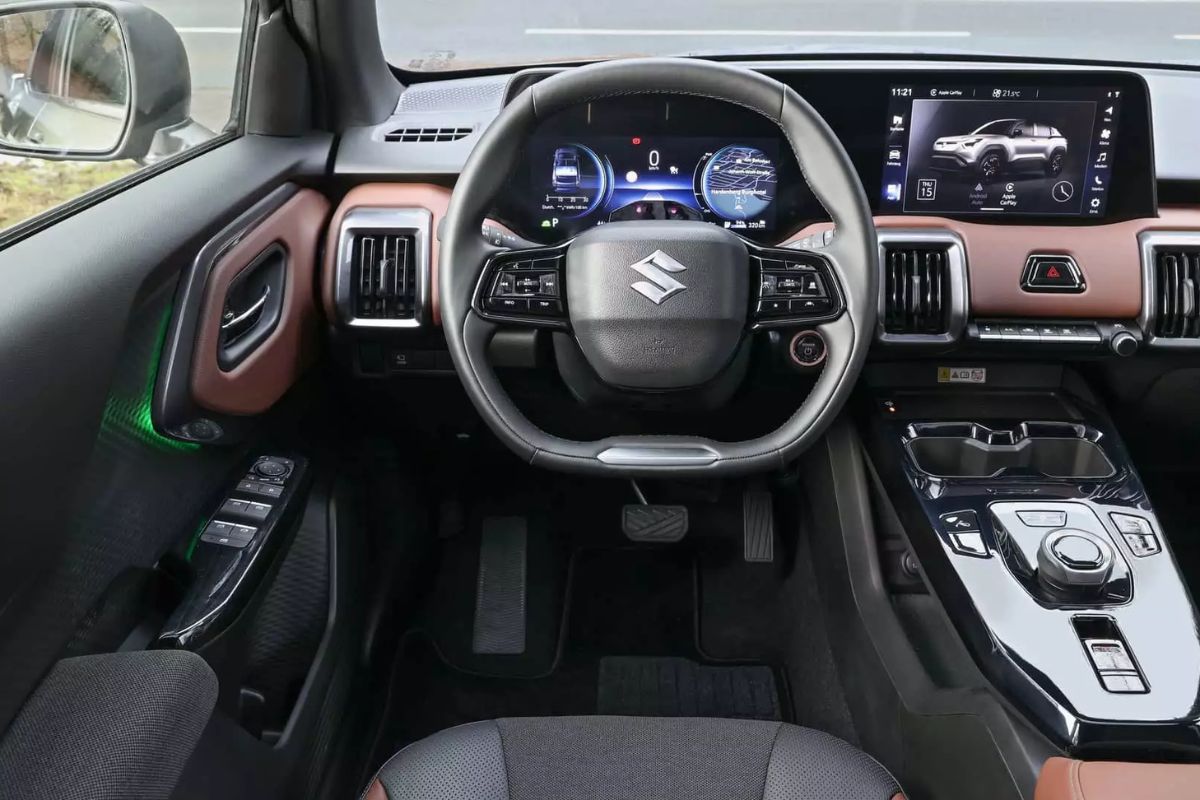
The 2026 electric Vitara arrives in Brazil and proves that Suzuki is not leaving: 4×4 traction, 184 hp, 61 kWh LFP battery, 293 km range, R$ 259,000, and a trunk capacity of 224 L.
-
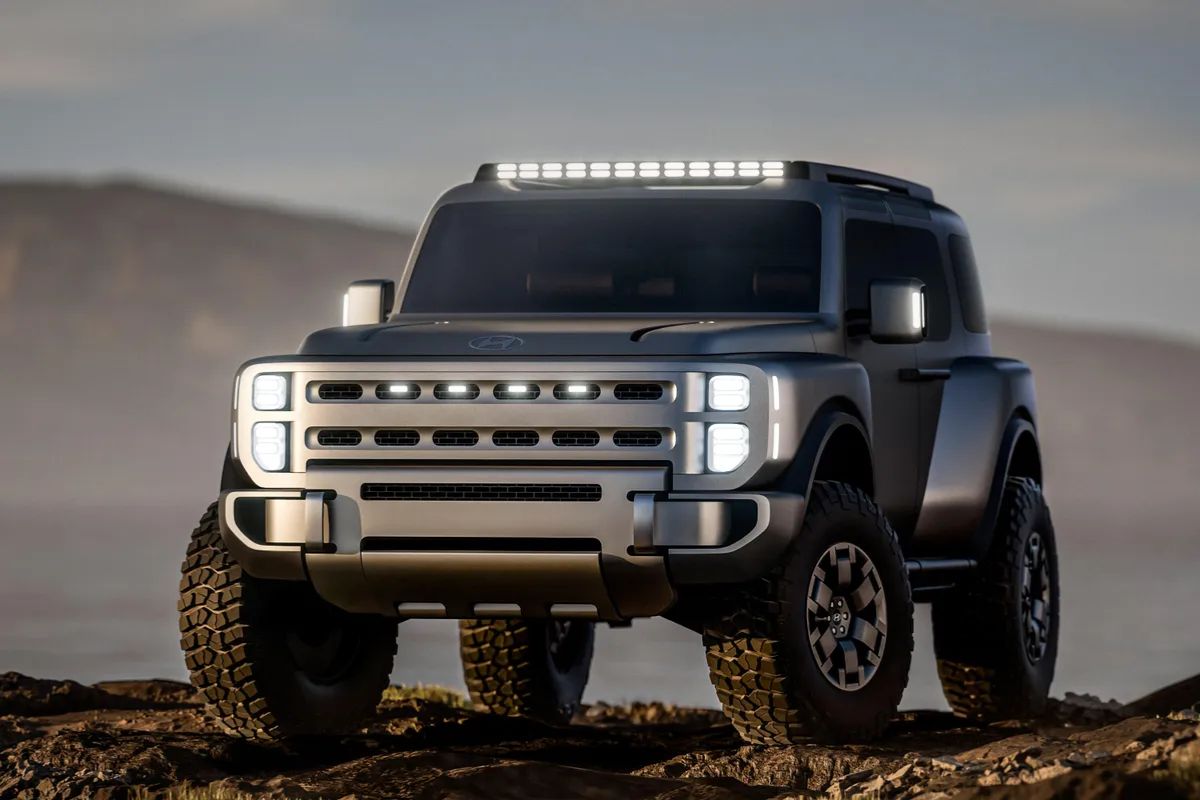
Hyundai has unveiled the Boulder, a square SUV with a body-on-frame design, 37-inch mud tires, and carriage-style doors that seems to be made to take on the Ford Bronco and the Scout Traveller in the United States.
-
The Toyota Hilux is R$ 75.5 thousand cheaper and bets on the 2.8 turbodiesel engine with up to 204 hp and 50.9 kgfm to catch up with the VW Saveiro, which leads with 4,472 sales.

-
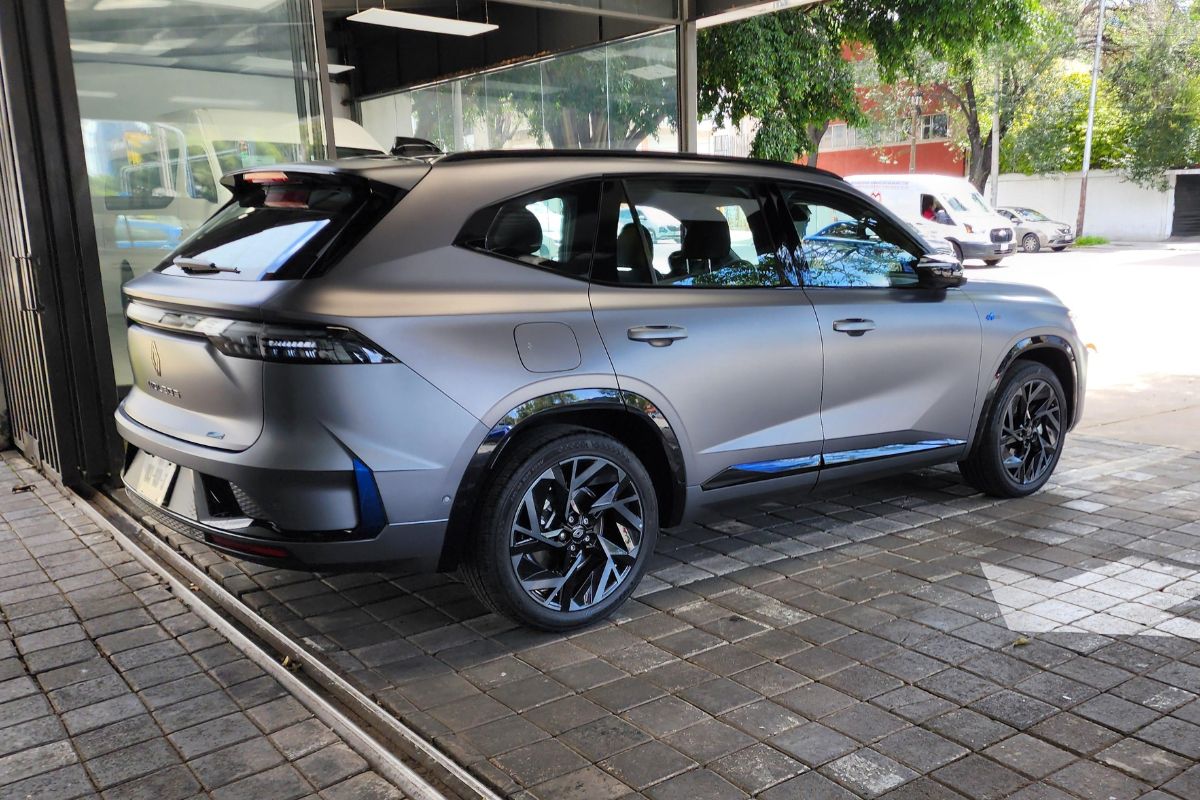
The new Renault Koleos has a screen exclusively for the passenger that is invisible to the driver, heated rear seats, and 29 assistance systems, but its Chinese competitors cost R$ 40,000 less and deliver more power.

However, this technical decision can turn into a headache years later.
In newer models, the permanent bonding of components prevents simple disassemblies.
As a result, localized damages lead to the complete replacement of entire assemblies, even when much of the part continues to function perfectly.
Mercedes has decided to tackle this problem head-on.
The Return of Screws Changes the Logic in the Mercedes-Benz Workshop
By replacing glue with mechanical fastenings, the automaker allows components to be removed without causing structural damage.
This completely changes the dynamics of repairs.
In the headlights, for example, workshops will be able to intervene only in the affected area, preserving electronic modules and internal systems.
The direct result is a reduction in the cost of repairs and less discarding of parts.
This new standard also tends to extend the lifespan of components.
The decision was not made solely for economic reasons. Mercedes-Benz also pointed out significant environmental gains.
Industrial glue makes material separation during recycling difficult.
With screws, disassembly occurs cleanly, allowing plastic, glass, and metal to proceed for proper reuse.
The manufacturer estimates that this design change can halve the CO₂ emissions associated with certain parts, as well as increase the material recovery rate.
Circularity Transforms from Concept to Practice
The change is part of the strategy called Design for Circularity, which guides the brand’s projects from conception to vehicle disposal.
In this model, each part must be easy to disassemble, reuse, or recycle.
The idea is to break away from the linear logic of producing, using, and discarding, adopting a continuous cycle of reuse.
This concept has been gradually expanded to different areas of the car.
In addition to the change in fastening, Mercedes is also working to reduce the use of composite materials, which mix different types of plastic and hinder recycling.
The preference now is for monomaterials, which can be recycled more efficiently and reapplied without loss of quality.
Today, some vehicle reservoirs from the brand are already produced with 100% recycled plastic, while external parts, such as bumpers, incorporate percentages of 25% reused material.
A Technical Decision with Practical Effects for Mercedes-Benz Consumers
Although it seems like an engineering detail, the switch from glue to screws brings direct impacts for drivers.
Simpler repairs, lower costs, and a smaller environmental impact now become part of the equation.
By revising consolidated practices in the industry, Mercedes-Benz signals a change in mentality.
Instead of definitive and inflexible solutions, the brand bets on smarter designs that consider maintenance, recycling, and sustainability from the start.
With information from the website AutoPapo.









-

Uma pessoa reagiu a isso.