





 Portuguese
  English
  Spanish
  5 min of reading
  5 comments


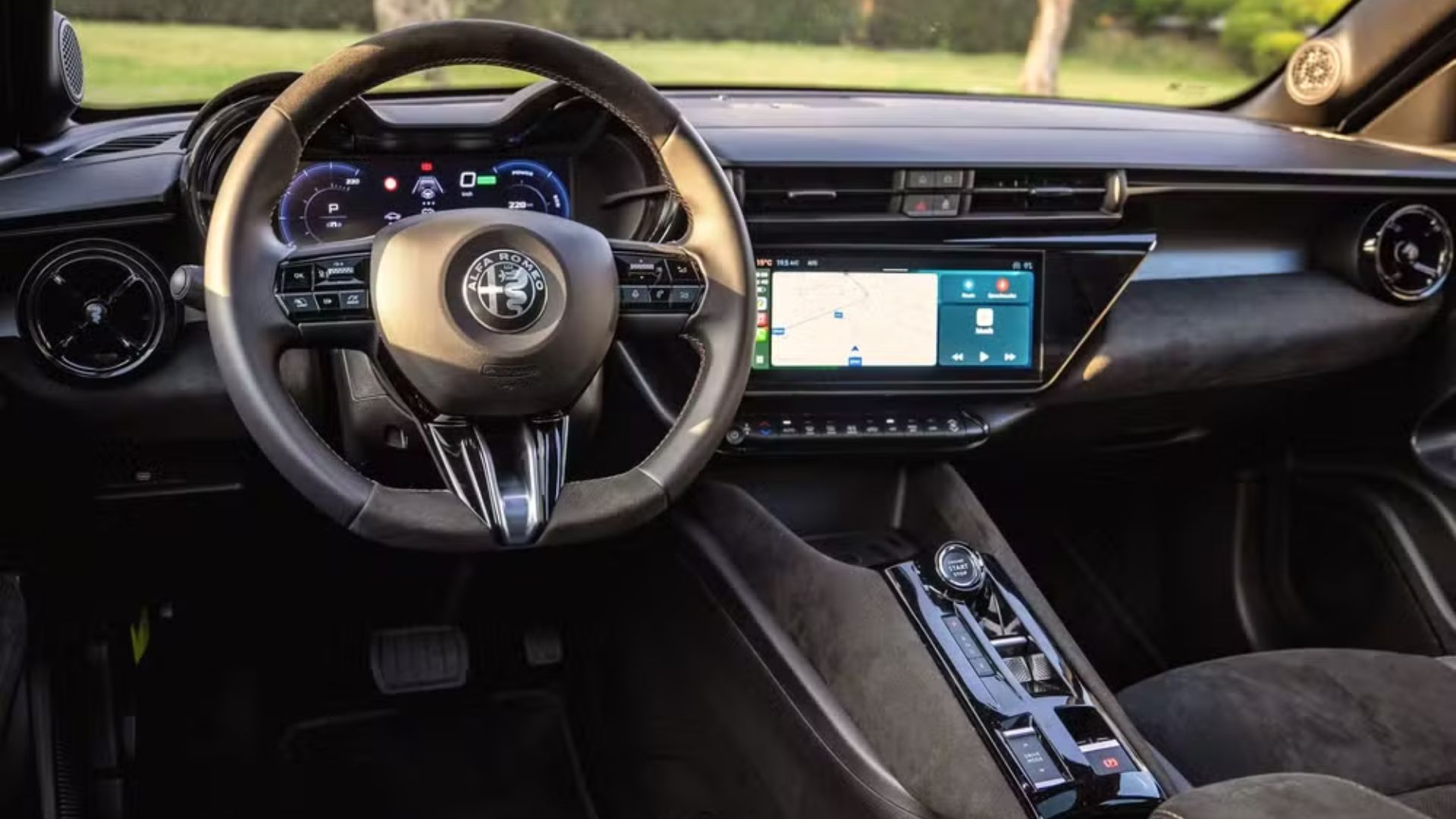


Alfa Romeo Protects Design of Junior SUV in Brazil After Two Decades Away from the National Market, in a Move that Signals Possible Return of the Brand and Aligns the Model with Electric and Hybrid Rivals in the Premium Segment.
Alfa Romeo has registered images of the Junior at the INPI, a compact SUV presented in Europe in 2024.
The move comes nearly two decades after the brand’s official exit from the Brazilian market in 2006 and preserves design rights for the model in the country.
The filing does not confirm local sales but indicates an interest in keeping the novelty protected in case the manufacturer moves forward with commercial plans.
-
Brazil Ignores Trump’s threats to BRICS, Buys 42 tons of gold and reduces the Dollar’s share by 6.45% in international reserves.

-
Havan buys historic football land in Blumenau for a million-dollar amount protected by a confidentiality clause and is already planning to change even the layout of streets to build a megastore in half-timbered style costing 80 million reais.

-
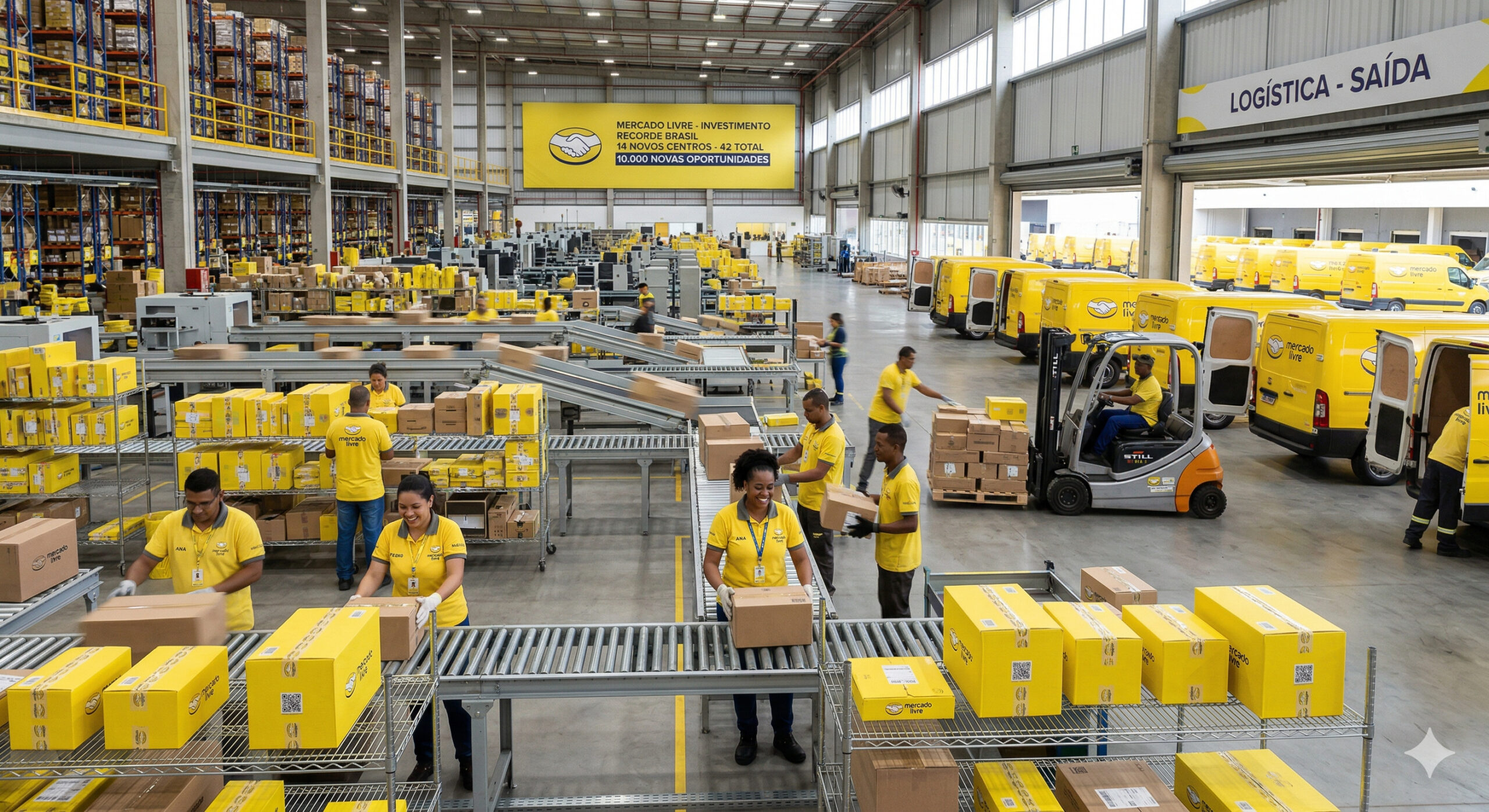
Mercado Livre “opens the vault” and announces a record investment of R$ 57 billion in Brazil in 2026, a value 50% higher than the previous year, with an expansion plan that includes 14 new logistics centers, totaling 42 units in the country and hiring an additional 10,000 employees.
-
How investment in technology can revolutionize the national economy and enhance industrial gains, according to a study that highlights the direct impact on productivity, innovation, and wealth retention within Brazil.


In Europe, the Junior operates in the same space as premium compact SUVs.
It competes with the Volvo EX30, DS 3, and Audi Q2, in addition to facing equivalent models from brands like BYD and Toyota.
The proposal combines urban size, a current technology package, and an offer of electrified propulsion.
Registration at INPI and Significance for the Brazilian Market
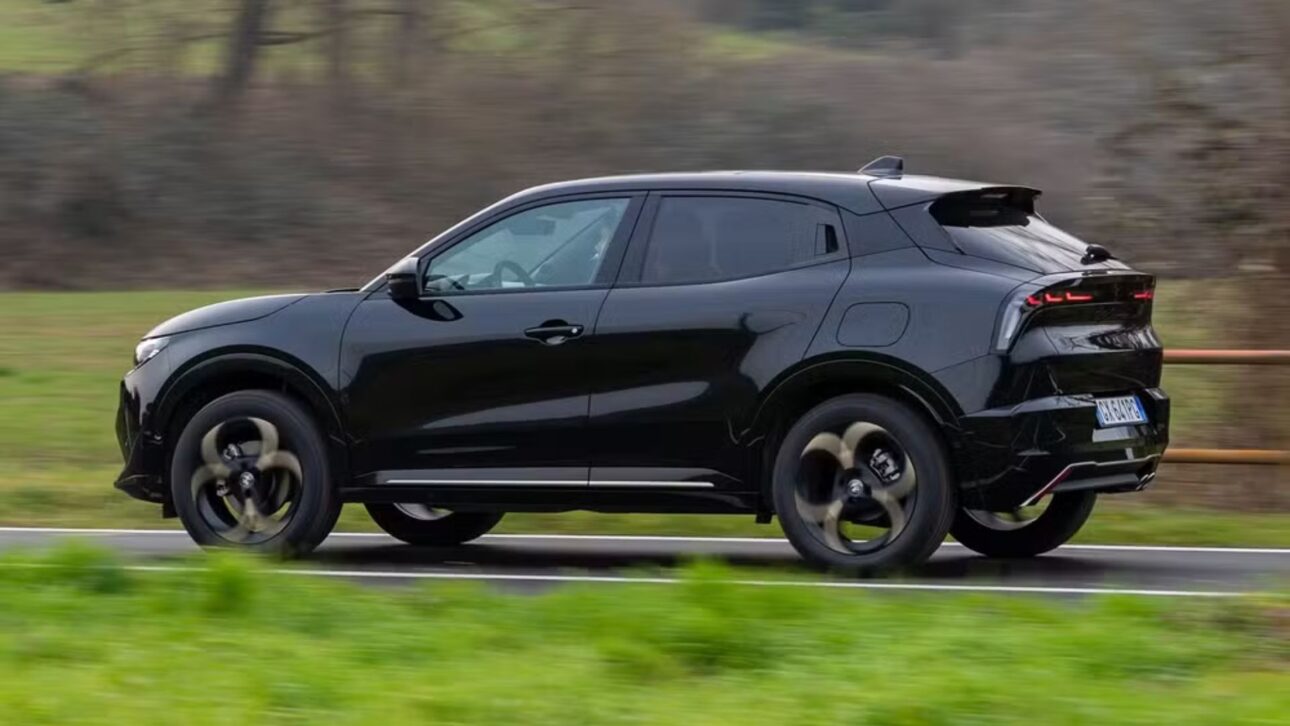
The registration request guarantees exclusivity over the car’s design in Brazil.
In general, automakers adopt this measure to prevent copies and to pave the way for potential launches.
There is no announcement of imports or national production, but intellectual protection anticipates possible scenarios and keeps the brand’s strategy open.
The brand has remained absent from the country since mid-2006.
Nevertheless, it monitors the movements of its partners within the Stellantis group and updates its registrations when deemed necessary.
The Junior is the latest chapter in this monitoring.
CMP Platform and Relationship with Jeep and Fiat
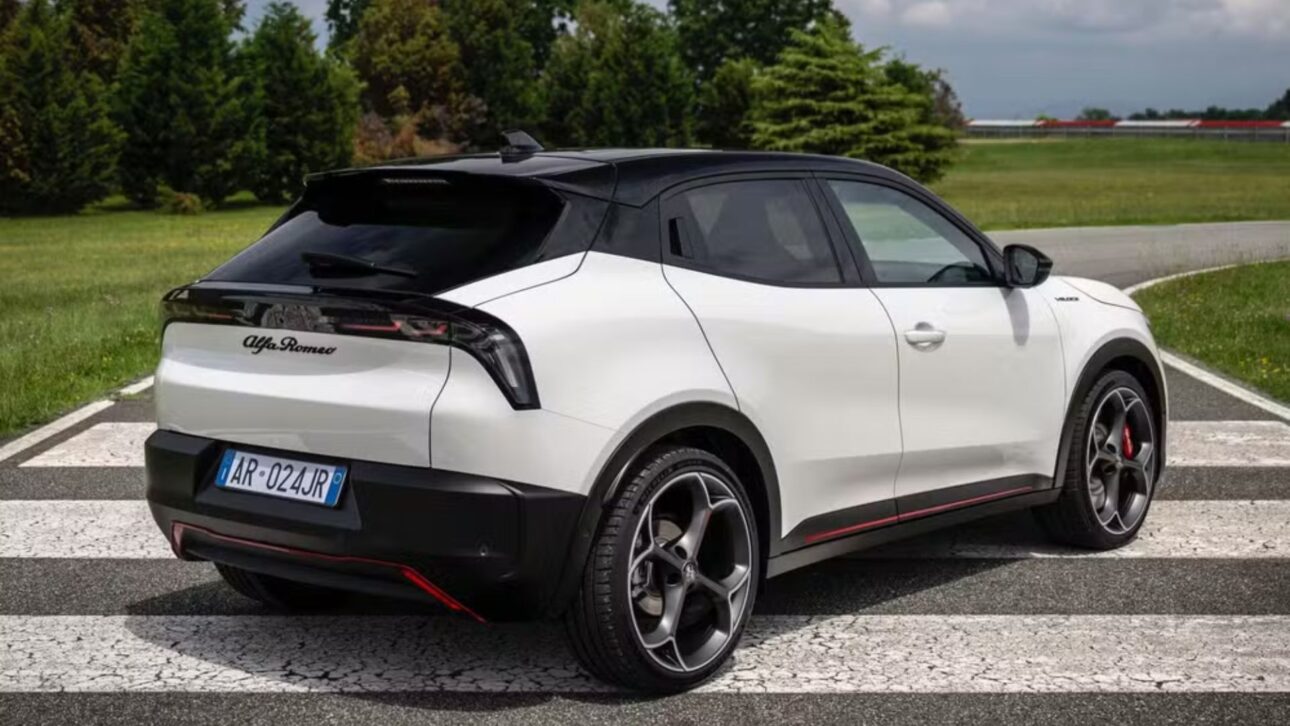
Built on the CMP platform of Stellantis, the Junior shares architecture with well-known products from the group.
There is a technical relationship with Jeep Avenger and Fiat 600, which helps explain dimensions, engineering solutions, and the variety of available engines.
This modular base allows the SUV to be prepared for electrification at different levels.
At the same time, it enables shared production with greater industrial scale and cost savings.
Hybrid and Electric Powertrains
The European portfolio offers two engine families.
In the electrified combustion line, the Junior adopts a 1.2 turbo in a more efficient cycle, combined with a 48-volt mild hybrid system that delivers 21 kW of electrical assistance.
The declared combined power is 136 hp, always with a automated dual-clutch transmission and six speeds.
For those seeking a fully electric option, the model offers two power levels.
The entry-level configuration delivers 156 hp, while the stronger version reaches 240 hp.
In both cases, the battery has a nominal capacity of 54 kWh, a solution already used in other vehicles on the platform.
Autonomy and Charging Time
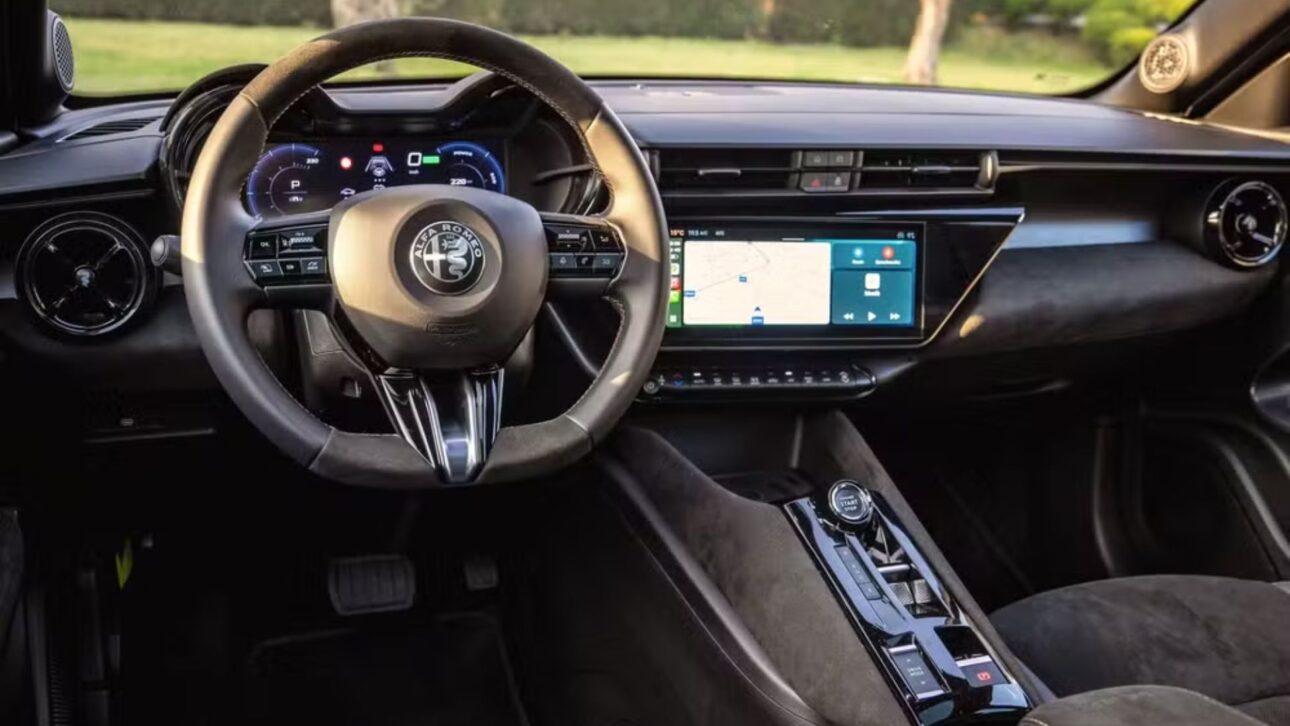
With the 156 hp electric unit, Alfa Romeo reports a 410 km range in the standard European WLTP cycle.
In urban use, where regeneration is more intense and speeds are lower, the brand reports up to 590 km.
With adequate infrastructure, fast charging in direct current of 100 kW raises the state of charge from 10% to 80% in less than 30 minutes, according to the manufacturer.
These figures position the Junior in line with the most recent proposals in the segment.
The thermal management of the battery and the charging software follow calibrations from Stellantis already applied to other models of the same base.
Direct Rivals and Market Positioning
The Junior completes Alfa Romeo’s SUV offensive alongside Tonale and Stelvio.
The focus is on consumers migrating from compact premium hatchbacks and sedans to urban sports utility vehicles, expecting a better driving position and more advanced connectivity.
In the competitive landscape, the target includes compact rivals with electric or hybrid proposals.
In addition to the aforementioned Volvo EX30, DS 3, and Audi Q2, the scope of competition encompasses utility vehicles from popular brands that offer electrified solutions, such as BYD and Toyota SUVs.
The result is a direct competition for customers who value design, efficiency, and active safety features.
Name, Factory, and Production Background
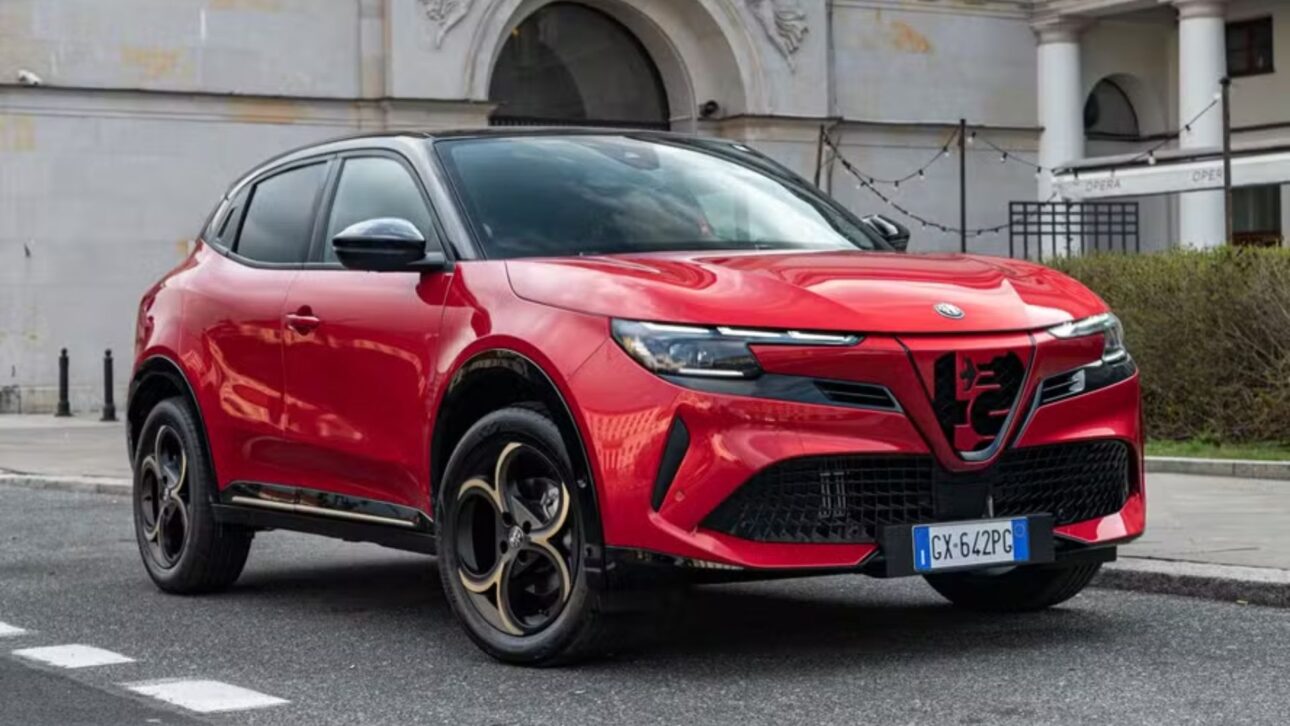
The project debuted under the name Milano and was renamed Junior shortly after due to a challenge from the Italian government.
At the time, the Ministry of Industry pointed out that a name associated with the city of Milan should not identify a car produced outside Italy.
To resolve the controversy and end the impasse, the company adopted the new name.
Production occurs at the Tychy plant in Poland, which also assembles vehicles from Stellantis with similar proposals.
The location shares lines with products like the Fiat 600 and the Jeep Avenger, simplifying component logistics and reducing manufacturing timelines.
Alfa Romeo’s Global Outlook
The appeal for SUVs has sustained Alfa Romeo’s recent global strategy.
The brand has been concentrating investments in sports utility vehicles as a way to regain scale.
In 2024, the company reported 62,000 units sold worldwide, performance below the annual target of 90,000 cars.
The Junior thus takes on a significant role in the growth plan.
Although the registration in Brazil does not guarantee a launch, it keeps the door open for various commercial routes.
If the company proceeds, the synergy with Jeep and Fiat is likely to facilitate services, training, and the supply chain, sensitive points for brands re-establishing a presence in the country after a long hiatus.
It remains to be seen what strategy Alfa Romeo will adopt for a possible return: will it prioritize electric versions to compete with consolidated brands in the segment, or will it bring the 1.2 hybrid to test public appetite for more affordable options in price and autonomy?






HÍBRIDO LEVE é fria, nem deveria existir, tem que ser híbrido pleno como os Toyota ou híbrido plug-in daí sim vale a pena.
Se vier com preço competitivo vai atrair muitos compradores que gostam de novidades…
Híbrido com 590km de autonomia??? Já nasce morto!!!!
‘Híbrido leve’ é o jeito bonito de dizer híbrido fake…
Que nem vc, já nasceu morto 😂 😂