





 Portuguese
  English
  Spanish
  3 min of reading
  0 comments


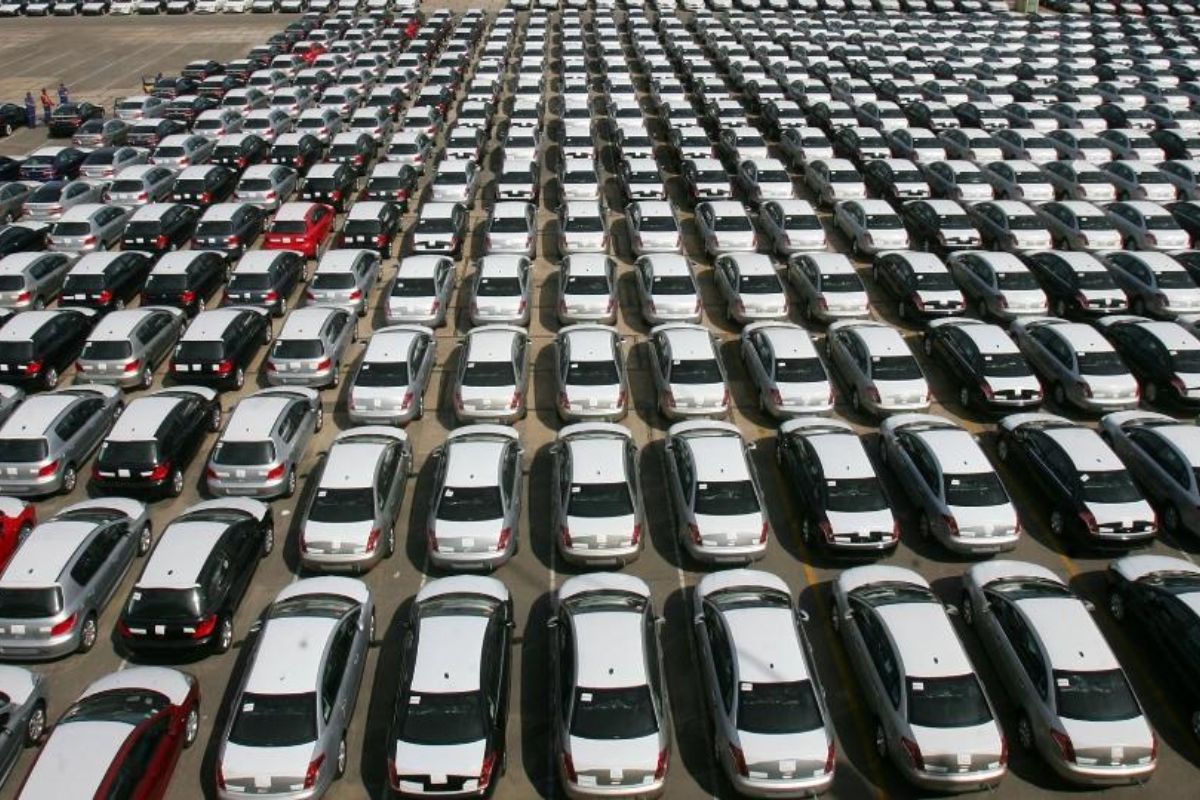
The Brazilian Automotive Market Is Competitive, And Some Traditional And New Manufacturers Are Facing Difficulties. Meet Some Automakers In Crisis Or With Worrying Registration Numbers In The Accumulated 2024.
The year 2024 revealed a challenging scenario for several automakers in Brazil. While some celebrate record sales, others are seeing their registration numbers decrease significantly, raising questions about their future in the competitive national market. The situation of some of these automakers in crisis or with low performance raises a red flag for their strategies.
Here we analyze some brands that, based on accumulated data from 2024, showed alarmingly low sales volumes. This scenario indicates a period of difficulties or the need for a profound strategic reassessment for these automakers in crisis in the country.
Kia: The South Korean That Struggles To Repeat The Success Of Its “Sister” Hyundai And Faces A Difficult Period
Kia, the South Korean automaker from the same group as Hyundai, cannot replicate the great success of its “sister” in the Brazilian market. Even after a year of significant investments and interesting launches, 2024 proved to be a difficult year for Kia.
-
Brazilian city bets on the business environment to generate jobs and attract investments in the energy sector — secretary reveals strategy at Macaé Energy 2026.

-
50 viaducts, 4 tunnels, 28 bridges, and 40 kilometers of bike paths: BR-262 in Espírito Santo will receive 8.6 billion reais for the largest engineering project in the state’s history, inspired by the Immigrant Highway in São Paulo.

-
Brazil produces too much clean energy and doesn’t know what to do with it: over 20% of solar and wind capacity was wasted in 2025 while investors flee and 509 renewable generation projects were abandoned in the last year.

-
Piauí will produce a new fuel that replaces diesel without needing to change anything in the truck’s engine and reduces pollutant gas emissions by half: truck drivers from all over the Northeast are already celebrating the news that will arrive later this decade.


With five passenger models in line, including the light hybrid crossover Stonic (R$ 149,990) and the luxurious van Carnival (R$ 649,990), the brand registered 5,211 units sold by November, occupying the 23rd position. The expectation is for a better 2025 for this which is one of the automakers in crisis by volume.
JAC Motors: Long Trajectory In Brazil, But With Low Impact And Modest Sales
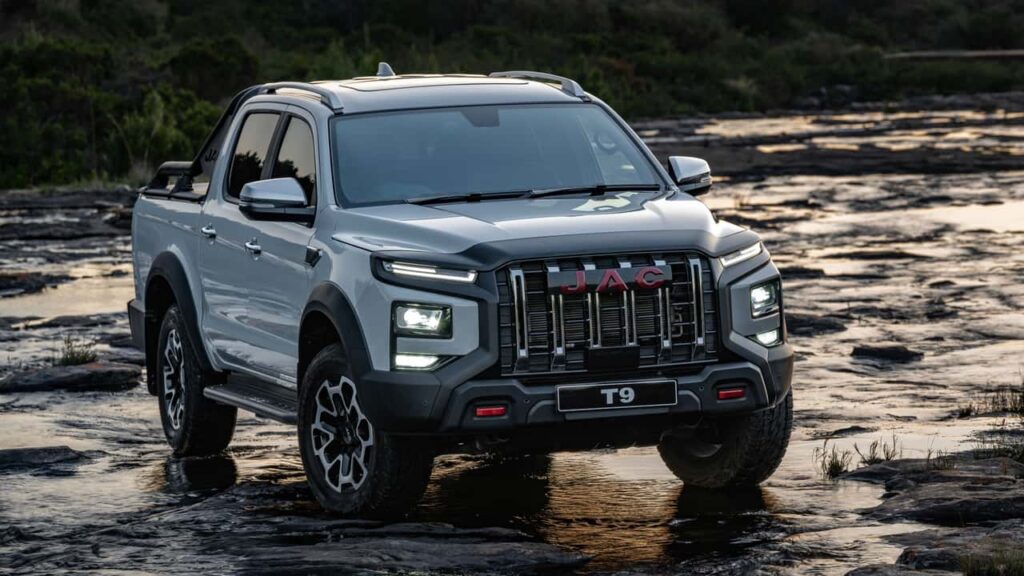
Operating in Brazil uninterrupted for over 10 years, JAC Motors has never reached the same level of success as new Chinese automakers like Caoa Chery, BYD, and GWM.
For its 2025 line, JAC has only two products: the electric subcompact E-JS1 (R$ 132,900) and the newly launched medium pickup Hunter T9 (R$ 289,900). With 1,227 units of the E-JS1 sold in 2024, JAC occupies the 26th position, indicating one of the automakers in crisis of consolidation.
Suzuki: Great Global Potential, But Limited Sales In Brazil Due To Apparent Lack Of Investment
Suzuki, a Japanese automaker with a strong presence in Asia, has significant growth potential in Brazil. However, due to an apparent lack of local investment, its sales are modest.
Currently, Suzuki offers only one product in its catalog in the country: the compact SUV Jimny Sierra, available in six versions, with prices ranging from R$ 149,990 to R$ 209,990. By December 2024, Suzuki registered 1,228 units, ranking 29th and proving to be one of the automakers in crisis in portfolio.
Subaru: World-Renowned Quality, But Minimal Sales And Import Challenges In Brazil
Subaru, a Japanese brand known worldwide for its reliability and represented in Brazil by Caoa, faces a complicated scenario. The brand has only one car available for sale: the Forester, and these are units of the 2023 model that remain from the last imported batch.
According to the CEO of Caoa, Subaru imposes challenges in negotiating the import of new models or larger volumes. In 2024, up to November, Subaru registered only 148 units, ranking 32nd among the best-sellers, being the last among conventional brands and one of the automakers in crisis most severe by volume.








Seja o primeiro a reagir!