





 Portuguese
  English
  Spanish
  3 min of reading
  0 comments


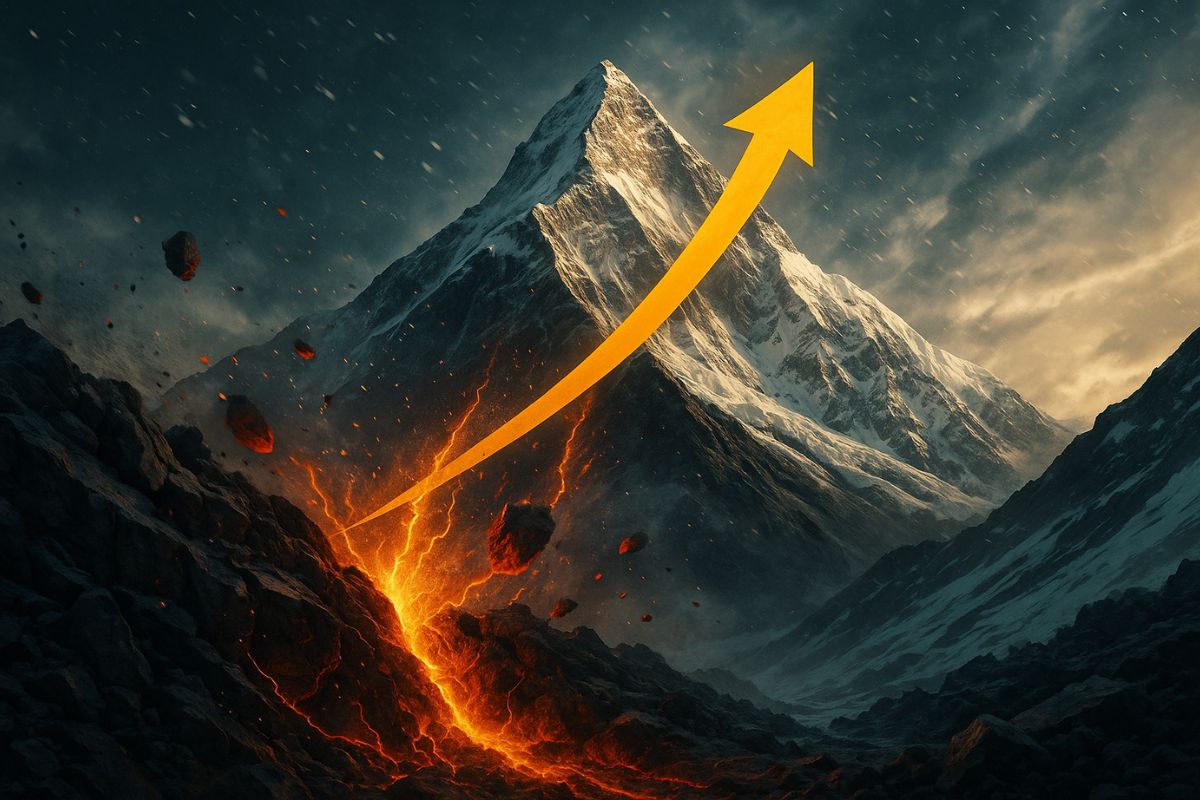
Scientists Confirm That The Highest Peak In The World Continues To Rise Due To Active Geological Forces
The Mount Everest, the tallest mountain on the planet at 8,848 meters above sea level, continues to grow year after year. The gradual elevation of the peak is a direct result of geological processes that have been ongoing for millions of years. Even with climate action and glacier melting, the mountain’s altitude tends to increase, and the explanation lies beneath our feet.
According to geologists and studies from the United States Geological Survey (USGS) and the Geological Survey of India, the region where Everest is located is the collision point between two major tectonic plates: the Indian and Eurasian plates. This continuous interaction causes the ground to be pushed upwards, slowly raising the Himalayas.
What Is The Geological Reason Behind The Growth Of Everest?
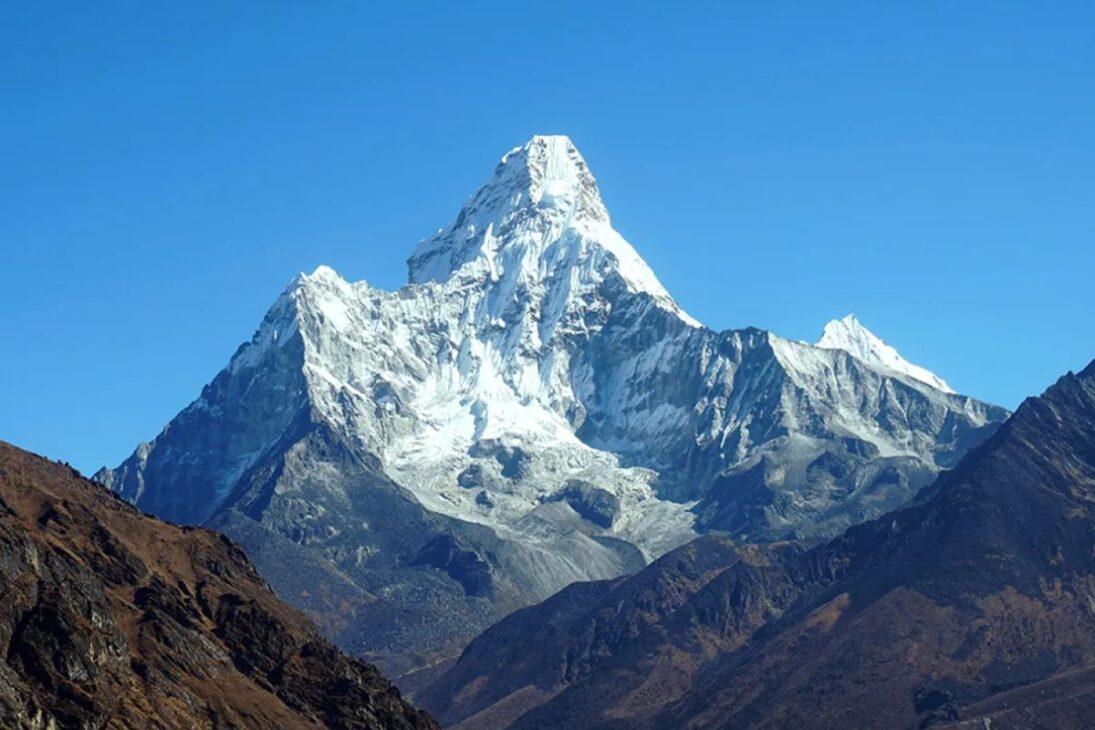
The main factor is the collision of tectonic plates. The Indian plate moves approximately 5 centimeters per year to the north, colliding with the Eurasian plate. This compression has nowhere to escape, and part of this energy transforms into uplift of the Earth’s crust—that’s how Everest continues to rise.
-
China is building a city in Brazil: a complex with an investment of R$ 5.5 billion comes to light, but allegations involving workers draw attention.
-
While Argentina buys old war equipment, Brazil is keeping an eye open and joins the select group of nations with advanced military technology by investing $5.2 billion, producing 36 Gripen fighters in the country, and reducing operational costs.

-
Brazil on alert? Why invading Brazil is a NIGHTMARE for the USA: 8.5 million km², 213 million inhabitants, Amazon covering 60% of the territory, trillion-dollar war, and resistance that even 13,000 aircraft could not control.

-
How to build a floating island from scratch with reeds, giant blocks, and stakes in the lake in a process that needs to be repeated almost every day.

Recent studies, such as one conducted by scientists from Nepal and China in 2020, indicate that the mountain grows on average 4 millimeters per year. This rate may seem small, but it is constant and has been confirmed in various GPS measurements.
Do Earthquakes Also Influence The Height Of Everest?
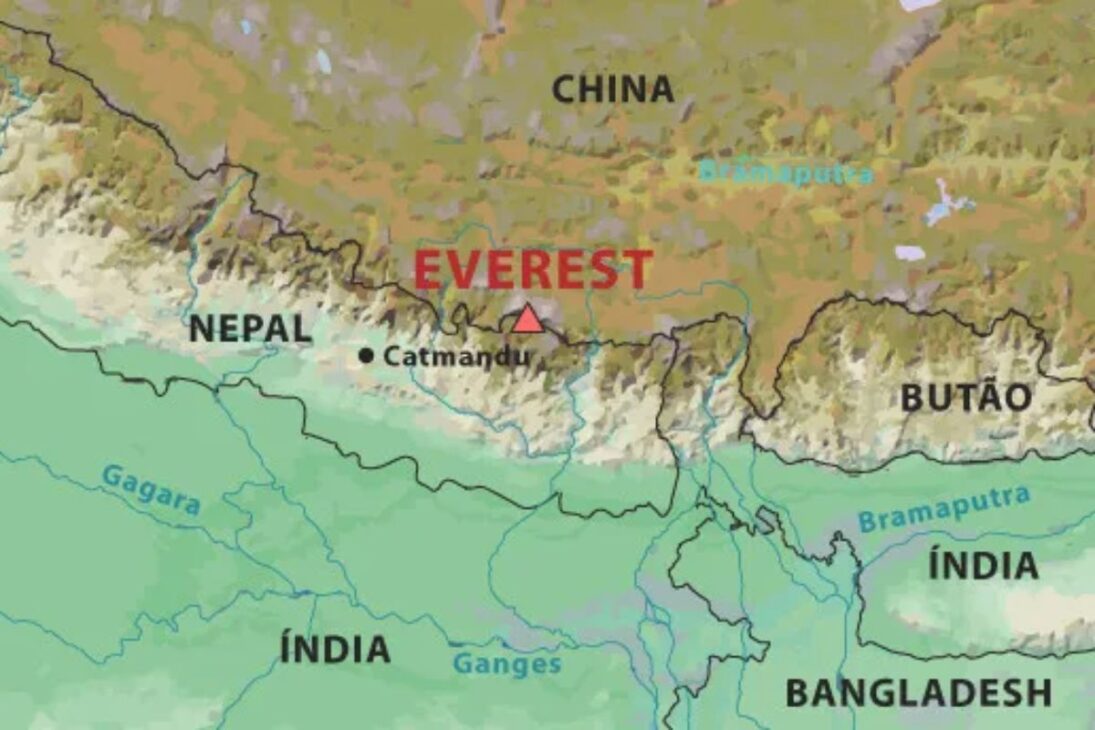
Yes. The seismic movements caused by this pressure between plates can lead to sudden uplift or even local depressions. For example, the magnitude 7.8 earthquake that struck Nepal in 2015 caused changes in the topography of the region, including variations in the height of Everest, albeit small.
Despite the destruction they cause, these events are manifestations of the same geological process that keeps the mountain growing. It is nature gradually shaping the landscape of the planet.
Does The Climate Impact The Height Of The Mountain?
Not directly. Climate change primarily affects glaciers, snow, and access conditions to the summit, but does not interfere with the elevation of the rock mass itself. Even with the melting of surface ice, the rock structure continues to be pushed upwards by tectonic force.
However, these climate changes make expeditions to Everest more dangerous, with more frequent avalanches and unstable routes.
If tectonic movements continue as they are, Everest will keep growing, albeit in an almost imperceptible way in the short term. Geologists do not rule out that, in millions of years, the mountain could reach even greater heights unless there is a reversal in plate dynamics or significant erosion.
Did you imagine that Everest is still growing? Do you think these geological changes could impact expeditions or maps in the future? Share your opinion, we want to hear from those interested in science, nature, and great phenomena of the Earth.






Seja o primeiro a reagir!