





 Portuguese
  English
  Spanish
  4 min of reading
  0 comments


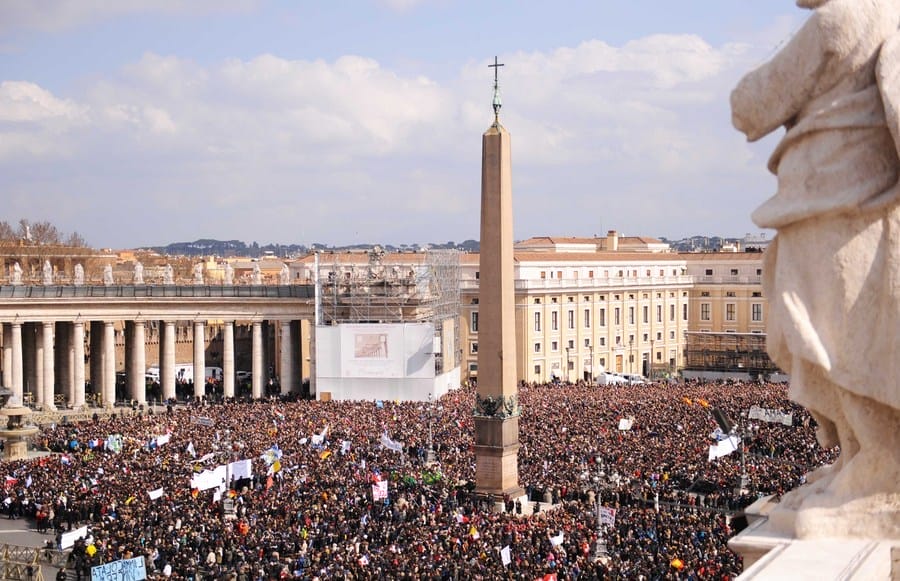
With The Death Of Francisco, The Catholic Church Begins The Papal Succession Process; Conclave Should Gather Cardinals In The Coming Days To Choose The New Spiritual Leader
Pope Francis died this Monday (21) in Rome at the age of 87. He had been battling pneumonia since February and was under medical care. The Catholic Church is now beginning the process that involves the funeral of the pontiff and the selection of his successor, a ritual that follows strict rules established for centuries.
Elected on March 13, 2013, Jorge Bergoglio was the first Argentine pope, the first Latin American, and the first Jesuit to assume the throne of Peter.
He was also the first pontiff to choose the name Francis, in honor of Saint Francis of Assisi. The choice was inspired by a phrase from Cardinal Dom Cláudio Hummes: “Don’t forget the poor.”
-
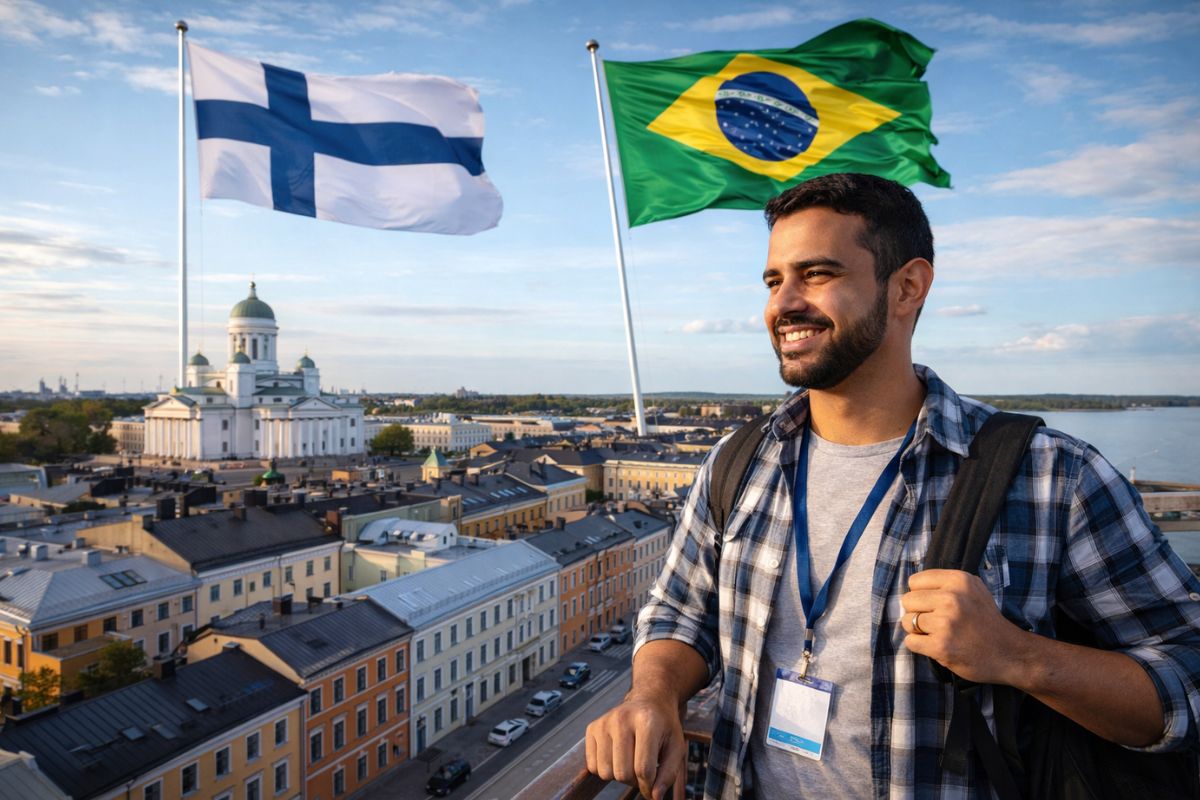
Finland, the happiest country in the world, wants to hire 140,000 technology professionals and is eyeing Brazilians: visas are issued in just two weeks and salaries with a 37-hour workweek are surprising.
-
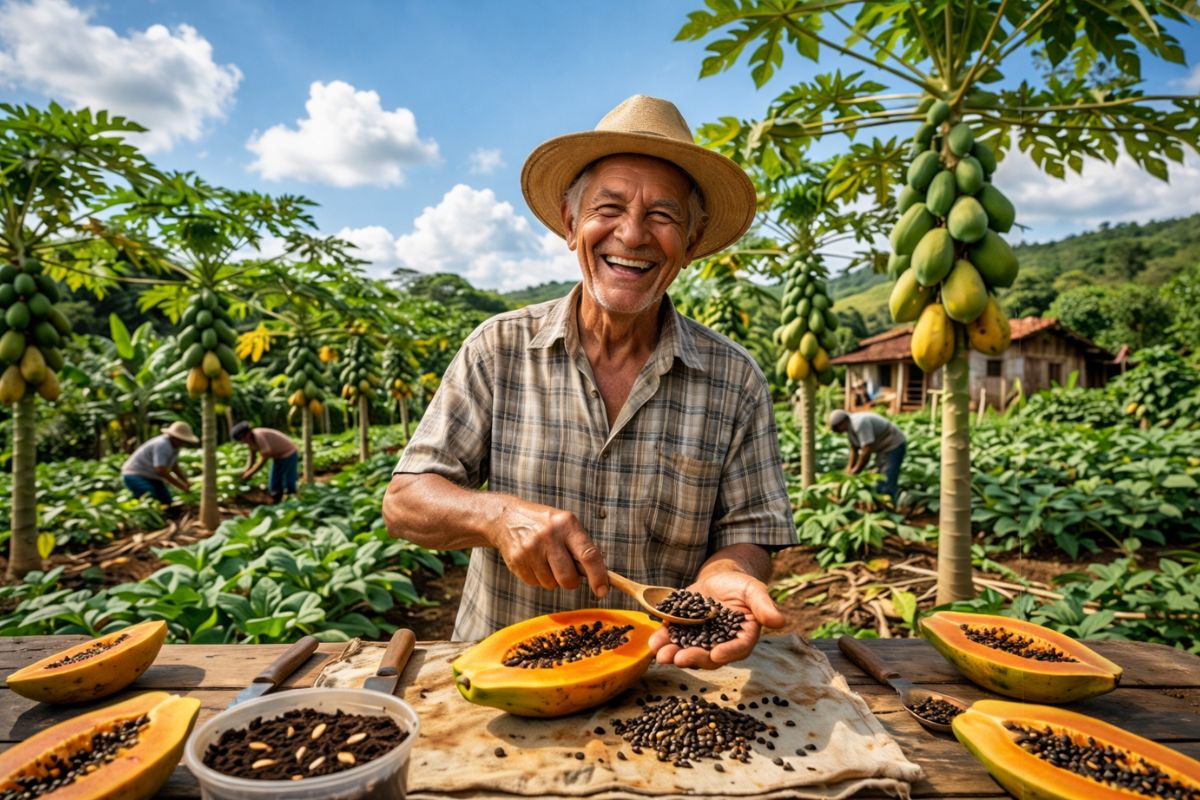
Mr. Mário reveals the technique of the caipira papaya: he cuts the fruit in half, discards the seeds from the tip, and plants the ones from the back to increase the chance of a productive female tree.
-
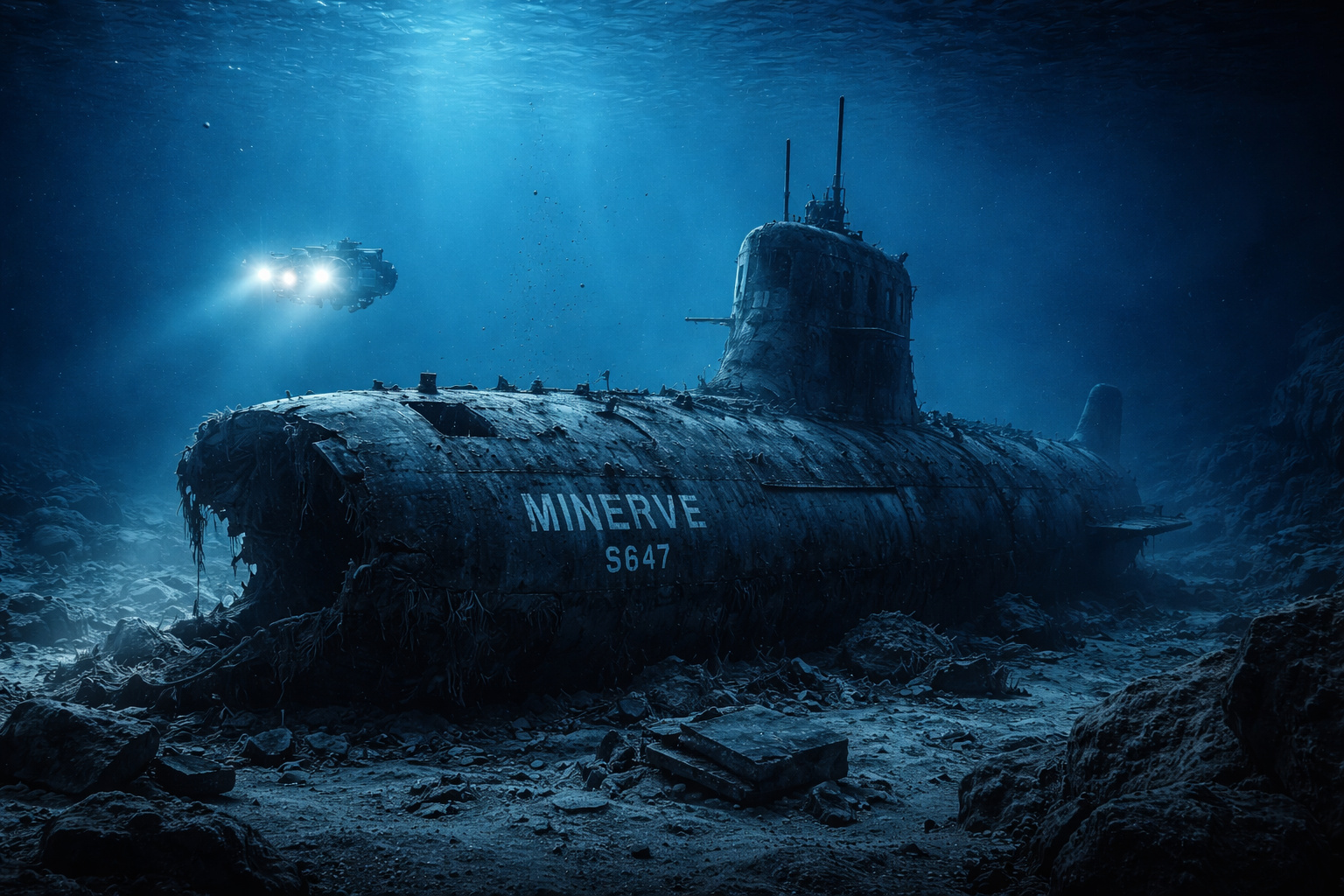
Few remember, but the submarine that disappeared in 1968 with 52 crew members was found after 51 years at the bottom of the sea at more than 2,000 meters, intriguing the entire world.
-
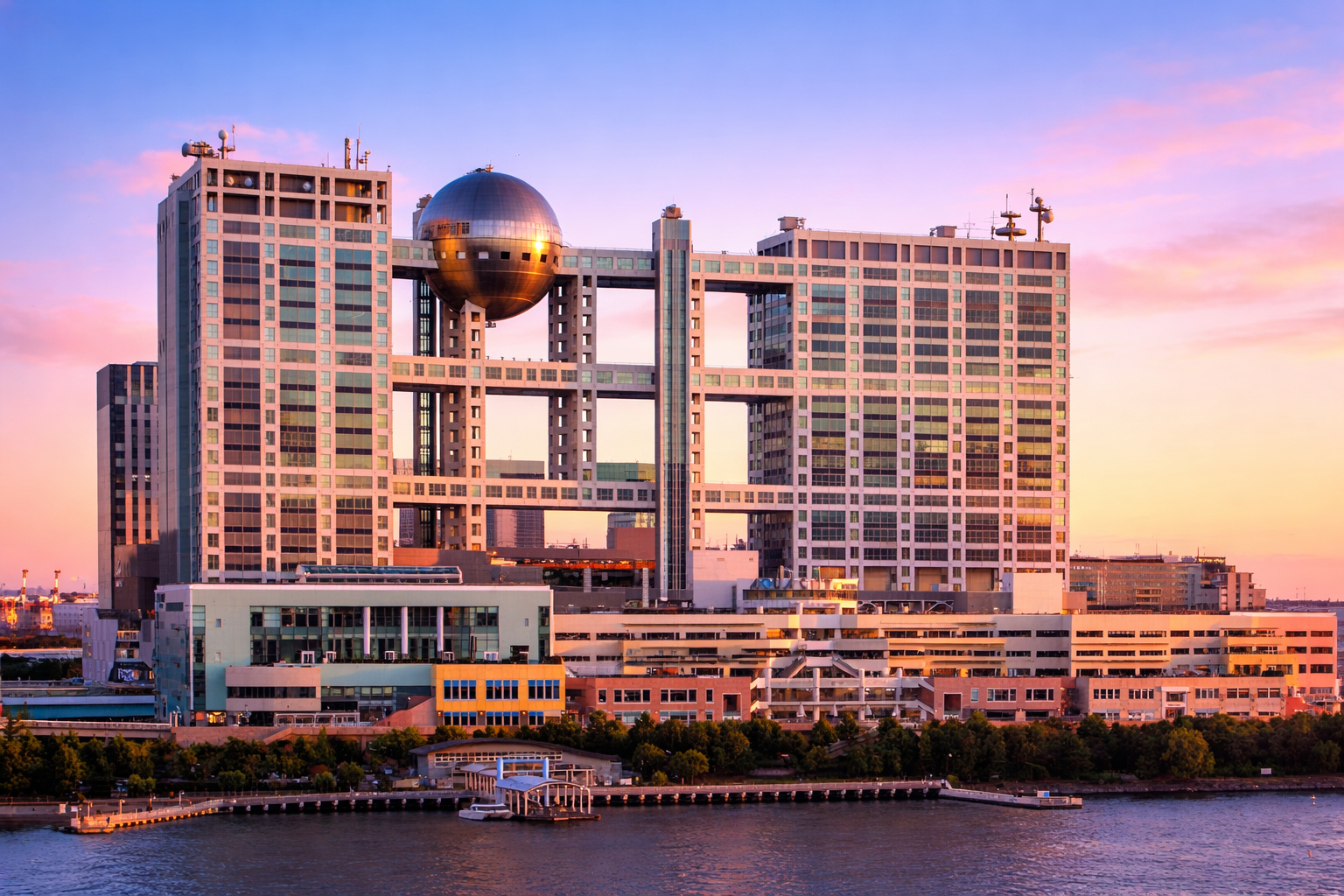
With 1,200 tons suspended, the Japan mega-structure in a grid shape with a floating sphere from Fuji TV features two 25-story towers connected by elevated walkways, titanium panels, and impresses the world with its ability to reduce wind impact.

Start Of The Funeral Ceremonies
Shortly after the announcement of his death, the Vatican released the official schedule for the funeral rites. On this Monday (21), at 2 PM (Brasília time), a mass will be celebrated in the Basilica of Saint John Lateran in Rome. The ceremony will be presided over by Cardinal Baldo Reina.
At 3 PM, the rite of verification of death and the placing of the body in the coffin will take place. This moment will occur in the private chapel of Casa Santa Marta, where Francis resided.
The ceremony will be conducted by Camerlengo Kevin Farrell, the figure responsible for managing the Church’s affairs during the period of Sede Vacante.
Body Of The Pope Will Be Taken To The Basilica Of Saint Peter
On Wednesday (23), Francis’ body will be transferred to the Basilica of Saint Peter, where it will be exposed for public visitation. Faithful from different parts of the world will be able to pay their last respects to the Catholic leader.
Francis left specific instructions regarding his funeral. He chose a single wooden coffin with a zinc lining, instead of the traditional set of three urns.
He also decided to be buried in the Basilica of Santa Maria Maggiore in Rome, contrary to the tradition of burial in the Basilica of Saint Peter. The last pope buried outside it was Leo XIII in 1903.
The Church expects the burial to take place between four and six days after death. After the funeral, there will be a period known as novendiales: nine consecutive days of masses in honor of the deceased pontiff.
Heading Towards The Selection Of The New Pope
With the death of Francis, the process for selecting the next leader of the Catholic Church begins. The Conclave, as the election ritual is called, will take place in the Sistine Chapel at the Vatican.
The word “conclave” comes from the Latin cum clavis, which means “shut with a key,” symbolizing the complete isolation of the electing cardinals.
The cardinals participating in the election must be under 80 years old. Currently, there are about 120 electors, although the Church has a total of 252 cardinals.
They must gather between the 15th and 20th day after the pope’s death. During this period, they will stay at Casa Santa Marta, without contact with the outside world, until the end of the voting.
How The Conclave Happens
The first vote may occur on the very day the conclave opens. If no name is decided by the end of the second day, the third day is reserved exclusively for prayer. Starting on the fourth day, up to four votes per day are allowed — two in the morning and two in the afternoon.
The vote is secret. Each cardinal writes the name of their candidate on a ballot with the phrase “Eligio in Summum Pontificem.” To ensure confidentiality, they do not use their usual handwriting. For the election to be valid, the candidate must receive two-thirds of the votes.
At the end of each round, the ballots are burned. The smoke that comes from the chimney of the Sistine Chapel serves as a signal to the public: black smoke means no decision has been made; white smoke indicates that the new pope has been elected.
Habemus Papam
When a name receives the necessary number of votes, the chosen cardinal is asked if they accept the election. If they accept, they choose the name they will use as pope and don the papal vestments. The other cardinals pledge obedience to them.
The most symbolic moment occurs immediately after, when the announcement is made from the balcony of the Basilica of Saint Peter. A cardinal appears and declares: “Habemus Papam” — “We have a pope.” The new pontiff appears at the window and gives his first blessing urbi et orbi, to the city and the world.
The Last Blessing Of Pope Francisco
Francis made his last public appearance on Easter Sunday in Saint Peter’s Square. Even weakened, he offered his blessing to those present. His final gesture as pope reflected the style that marked his pontificate: close, simple, and focused on the faithful.
With information from TVT News.






Seja o primeiro a reagir!