





 Portuguese
  English
  Spanish
  5 min of reading
  53 comments





Brazil Discusses Creating Specific Licensing for Motorcycles Over 300cc; Proposal Seeks to Require Special Course and Test to Reduce Accidents and Align with Traffic Code.
The rise of high-displacement motorcycles in Brazil has reignited a discussion that has circulated for years among traffic experts, manufacturers, and public authorities: Should there be a specific license for those who ride powerful motorcycles? This is the basis of Bill 1745/2025, which is under consideration in the Chamber of Deputies and proposes new requirements for motorcycle riders with more than 300cc. The text aims to create a special category in the National Driver’s License (CNH), with different courses and tests for this type of vehicle, enhancing control over the sport and large motorcycle segment.
The initiative arises at a time of significant growth in the national fleet of motorcycles. According to Denatran, Brazil surpassed the mark of 33 million motorcycles in circulation in 2024, of which about 12% have engines over 300cc. These models, known for their performance and acceleration, also account for a growing number of fatal accidents on highways and in urban areas. The legislative proposal seeks to reduce the rate of accidents involving experienced motorcyclists who lack specific training to handle machines that can exceed 200 km/h in a matter of seconds.
What the Bill Proposes
The Bill 1745/2025 amends provisions of the Brazilian Traffic Code (Law No. 9,503/1997) and proposes that the current “A” category of the CNH, valid for driving any motorcycle, should be divided into subcategories according to the power and weight of the vehicle.
-
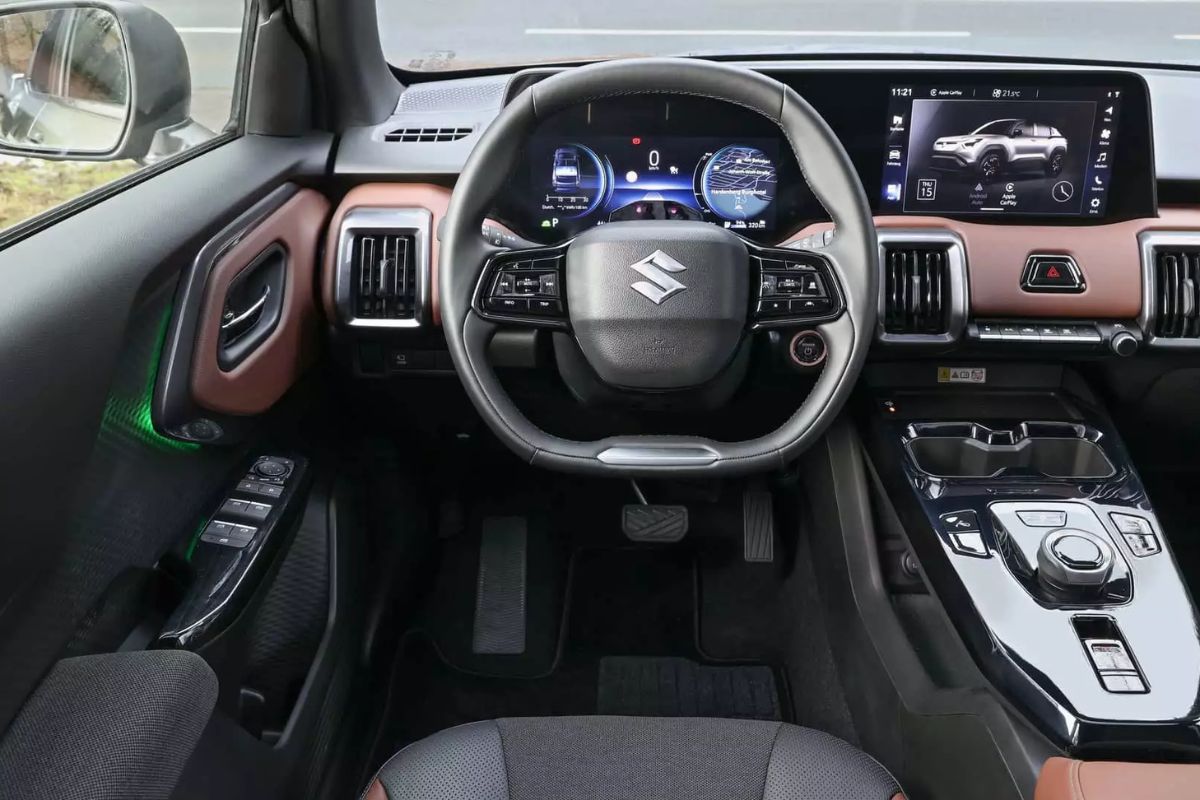
The 2026 electric Vitara arrives in Brazil and proves that Suzuki is not leaving: 4×4 traction, 184 hp, 61 kWh LFP battery, 293 km range, R$ 259,000, and a trunk capacity of 224 L.
-
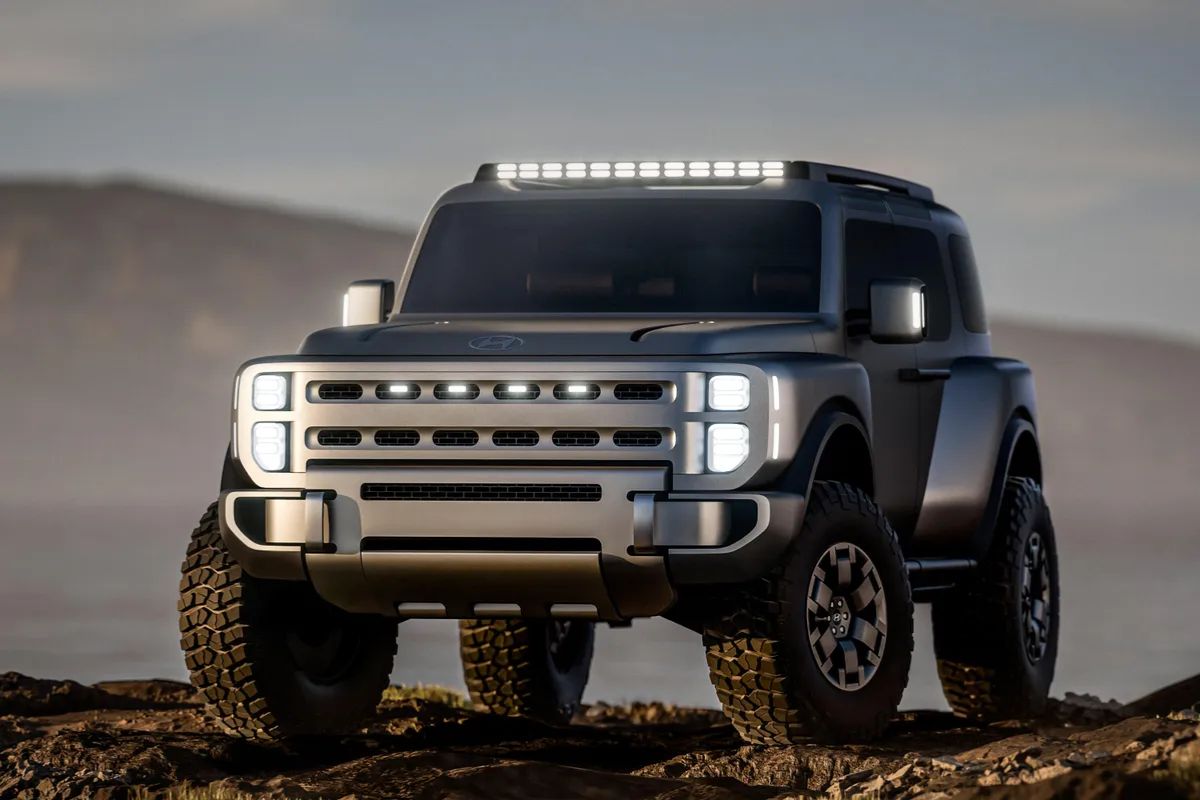
Hyundai has unveiled the Boulder, a square SUV with a body-on-frame design, 37-inch mud tires, and carriage-style doors that seems to be made to take on the Ford Bronco and the Scout Traveller in the United States.
-
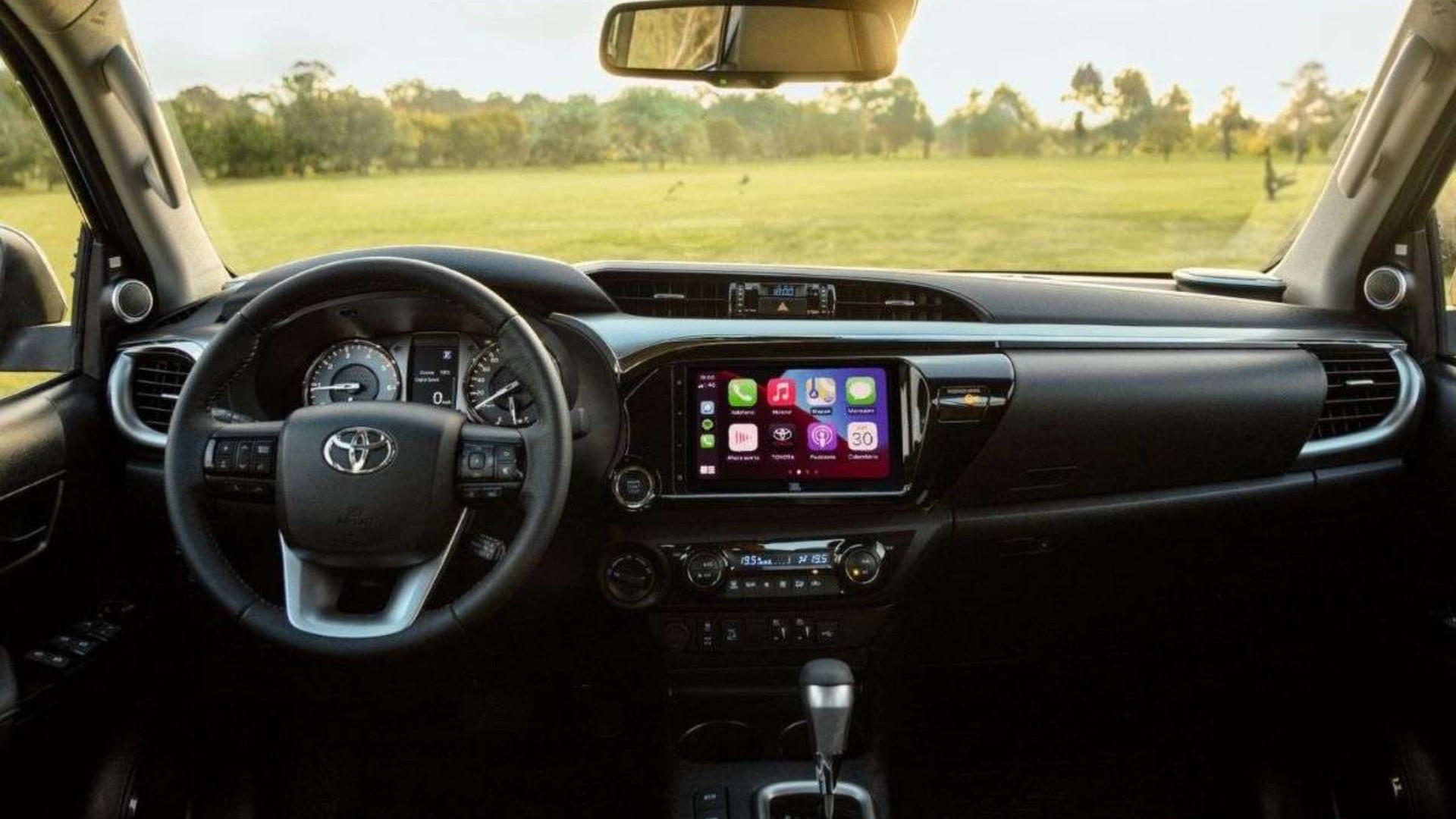
The Toyota Hilux is R$ 75.5 thousand cheaper and bets on the 2.8 turbodiesel engine with up to 204 hp and 50.9 kgfm to catch up with the VW Saveiro, which leads with 4,472 sales.
-
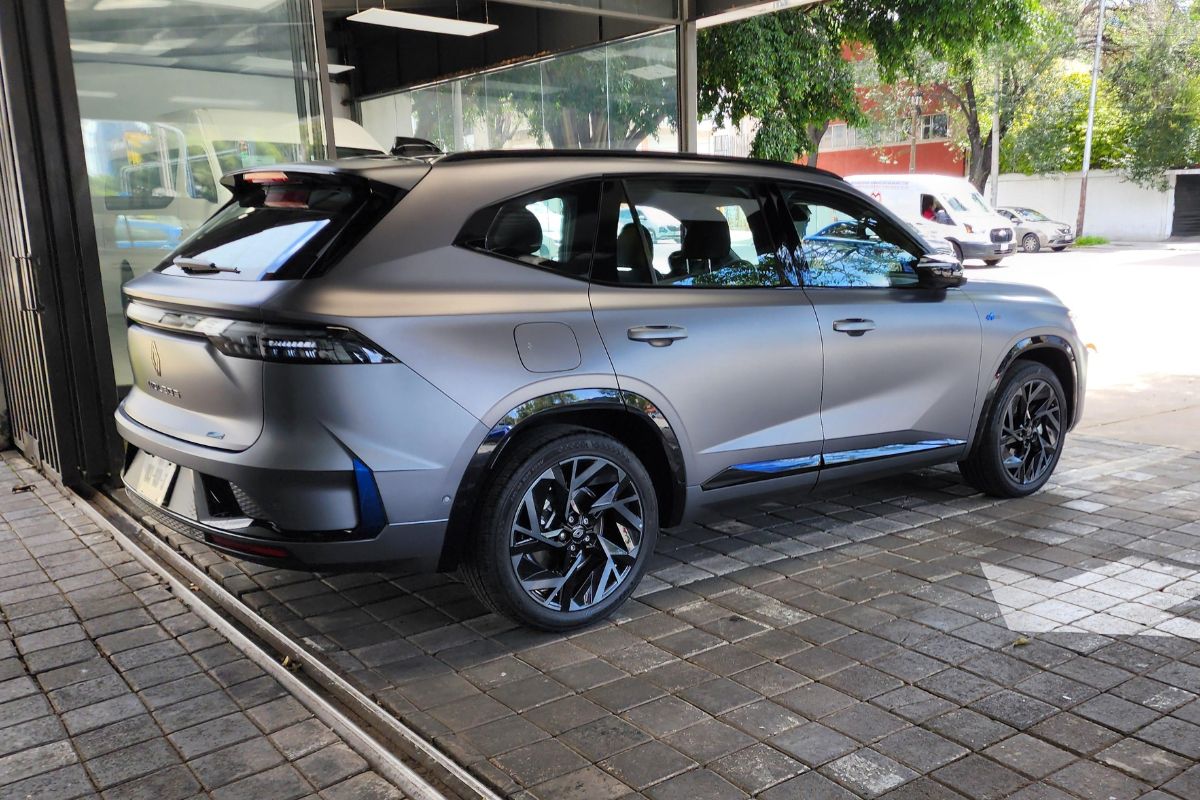
The new Renault Koleos has a screen exclusively for the passenger that is invisible to the driver, heated rear seats, and 29 assistance systems, but its Chinese competitors cost R$ 40,000 less and deliver more power.

In practice, the rider would need to obtain an additional license to operate motorcycles over 300cc, similar to the model already adopted in European Union countries such as Germany and Spain.
The proposal also stipulates that training courses include modules on defensive riding for high speeds, emergency braking, torque control, and stability management. These trainings would be conducted on racetracks or approved tracks and supervised by instructors certified by Denatran. The aim is to prepare the driver for risky situations specific to large motorcycles, which require superior technical skills and calibrated reflexes.
Reasons and Statistics Behind the Proposal
The increase in accidents involving high-displacement motorcycles is one of the pillars of the debate. Data from the National Confederation of Transport (CNT) indicates that between 2020 and 2024, the number of fatal occurrences involving motorcycles over 300cc rose by 27%, while reports involving low-displacement models increased by only 5%.
These vehicles also stand out due to the kinetic energy involved in collisions: a 600cc motorcycle at 120 km/h has three times more impact energy than a 150cc model at the same speed. Experts claim that a lack of technical preparation exacerbates the risk in situations of abrupt braking, sharp turns, and use on urban roads.
Beyond safety, the project considers the technological evolution of motorcycles. Recent models come equipped with electronic throttles, traction control, riding modes, and multi-stage ABS brakes, requiring knowledge of features that go beyond the standard auto school training.
According to the author of the proposal, deputy Henrique Vieira (PSB-RJ), “the current CNH does not distinguish a 125cc scooter from a 1,000cc superbike, which is an evident gap in terms of public safety.”
Debate Among Experts and the Automotive Sector
The discussion divides opinions among motorcyclists and experts. Road safety organizations support the creation of a specific category, emphasizing that current training is insufficient to cope with the dynamic behavior of powerful motorcycles. Meanwhile, representatives from the automotive sector and motorcyclist groups fear that the new requirement may dissuade the market and increase costs for riders.
For the Brazilian Association of Motorcycle Manufacturers (Abraciclo), the country still needs to improve its enforcement and maintenance of roadways, which continue to be determining factors in accidents. However, the organization acknowledges that specialized training programs could reduce road accidents and enhance the technical profile of Brazilian riders.
Professor Rafael Campos, a traffic safety expert from the University of Brasília (UnB), assesses that creating a special license is consistent with international standards:
“In European countries, there is a progression of categories based on power. This prevents a new rider from jumping from an urban model to a 1,200cc motorcycle without the necessary training. Brazil still treats everyone as equals, which creates a false sense of mastery over the vehicle.”
Legislative Process and Next Steps
The project is currently under consideration in the Commission on Transportation and Transit (CVT) and will subsequently be analyzed by the Commission on Constitution and Justice (CCJ). Since it amends the Traffic Code, it will also need to go through the Chamber Plenary and, if approved, will move on to the Senate.
The text does not yet have a set deadline for voting but has already garnered support among lawmakers from the Safe Traffic Parliamentary Front.
If approved, the National Traffic Council (Contran) will have up to 180 days to regulate the new requirements, define the curriculum content of the courses, and specify the engine sizes that will require a specific license.
During the adaptation period, riders with a valid CNH will be allowed to continue riding normally, but they will need to comply if they choose to acquire more powerful models.
Expected Impacts and Challenges
The measure could profoundly alter the structure of driving schools and driver training centers. It will be necessary to create infrastructure for practical lessons on high-displacement motorcycles, which is currently rare outside urban centers. Furthermore, the cost of obtaining a license is likely to increase, as the additional step will involve rental of motorcycles, insurance, and supervised training.
On the other hand, authorities believe that the change will bring a significant reduction in motorcyclist mortality rates, which currently account for 35% of road fatalities in Brazil, according to DataSUS.
Brazil has one of the highest proportions of motorcyclist fatalities in the world — and high-performance motorcycles, although a minority in the fleet, are associated with more serious accidents.
SENATRAN and Federal Government Unite
The federal government, through the National Traffic Secretariat (Senatran), is following the debate and is already studying revising the training guidelines for drivers to align the country with international standards. The idea is for the CNH to reflect the type of vehicle being operated, ensuring that those who drive more powerful models receive training commensurate with the level of risk.
The potential creation of an exclusive license for high-powered motorcycles reignites the debate about the balance between freedom and safety in Brazilian traffic.
The country is experiencing a boom in the sports and touring motorcycle market, but it also faces alarming mortality rates among riders. If the proposal moves forward, Brazil will take a step similar to that of Europe, which has long differentiated amateur riders from technical operators, and this could redefine the future of riding in the country.










Querem enventar moda ai para tirar proveito .
Alguém vai lucrar com isso
Então muda a estratégia na hora que for tirar a c cnh ja fazer com mais rigor toda as moto acima de.300 cc.
Porque todos que terão a CNH ja tem interesse em pagar uma moto com mais potência
Os caras com uma 150 mexida até o talo andando mais que algumas motos potentes!!!! 🤡🤡
Mais taxas, mais cursos, só aumento de gastos . Prender **** de moto, ninguém quer fazer nada. Esses politicos são uma vergonha!