





 Português
  Inglês
  Espanhol
  3 min de leitura
  17 comentários


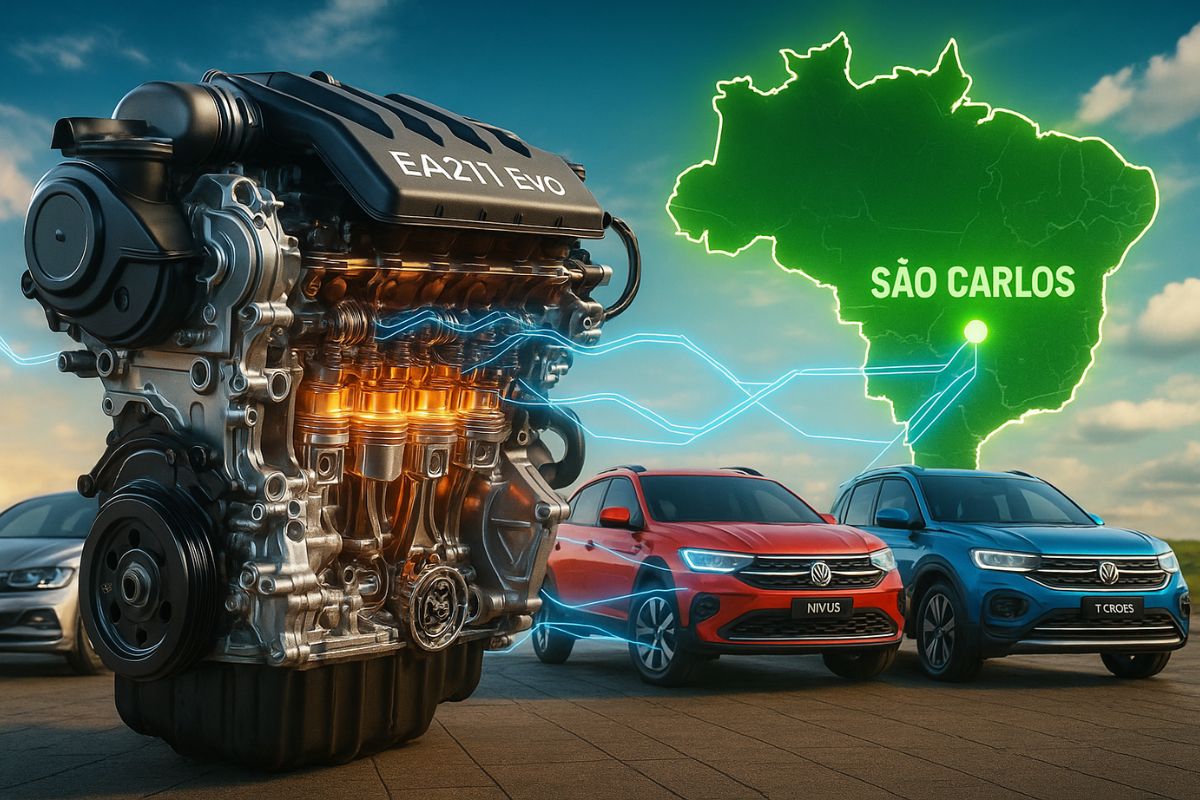


EA211 Evo Engine Marks Volkswagen’s Revolution in Brazil Starting in 2026. The EA211 Evo engine will be produced in São Carlos and will bring cutting-edge technologies already applied in Europe, including hybrid versions and greater energy efficiency
Volkswagen has confirmed the production of the EA211 Evo engine in Brazil starting in 2026, at its factory in São Carlos (SP). The arrival of this new generation represents a revolution in the brand’s TSI engines, with features that promise to reduce emissions, increase durability, and prepare cars for electrification.
According to industry experts, the EA211 Evo engine is considered one of the most modern in the world, already used in Europe for seven years and now adapted for the Brazilian market. The expectation is that it will be present in 98% of the national line, including compact vehicles, SUVs, and hybrid versions.
Why the EA211 Evo Engine Represents a Revolution
The EA211 Evo engine brings unprecedented advances over the current generation. Among the key differences are:
-
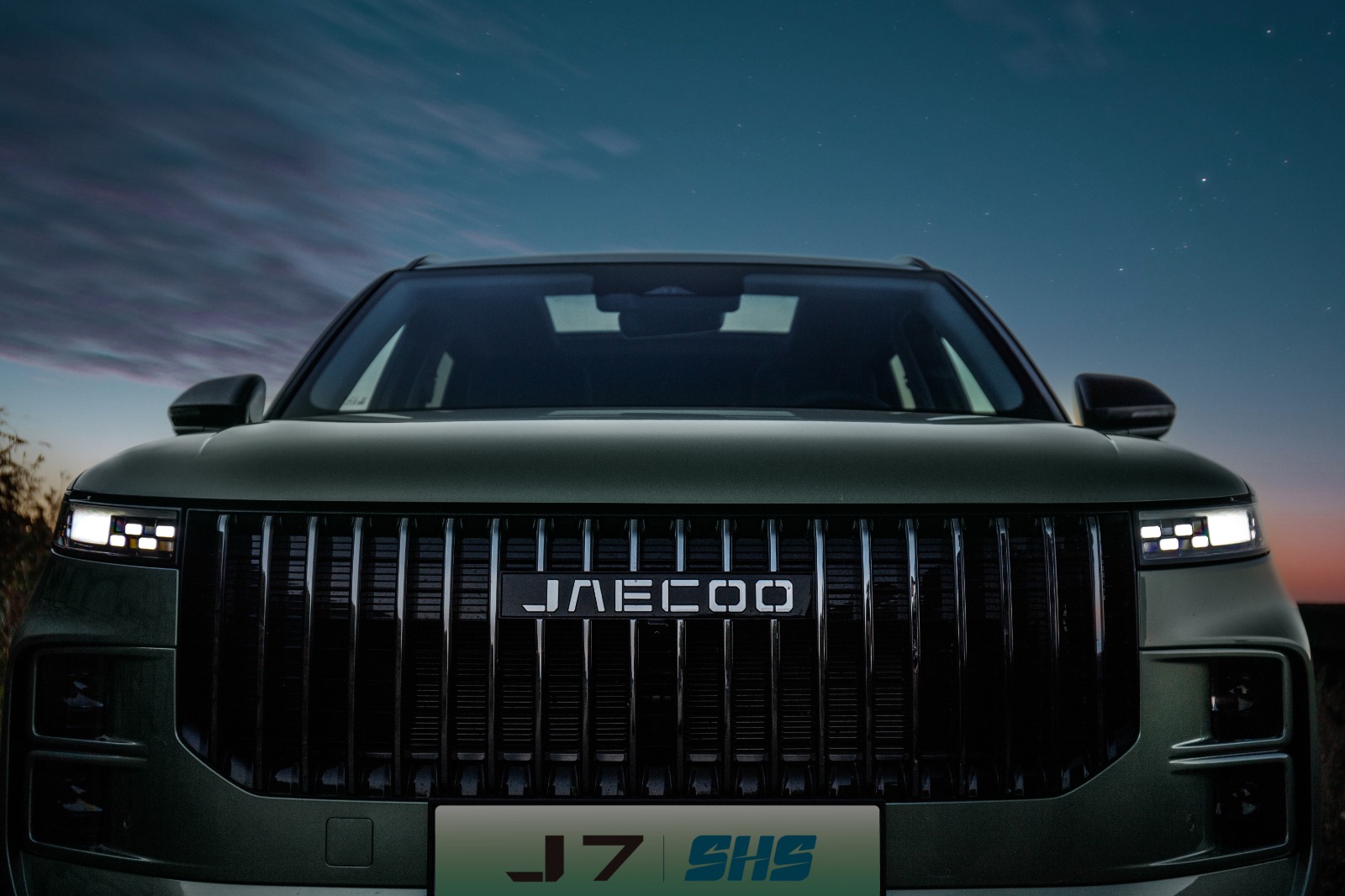
With awards in various countries, the Jaecoo 7 is establishing itself globally and accelerating the expansion of Omoda & Jaecoo in the hybrid SUV market.
-
5 cheapest used cars than a Honda CG 160 Titan 0 km, with options starting at R$ 13,000 for those who want to trade their motorcycle for a car and escape the rain, sun, and risks of riding.

-
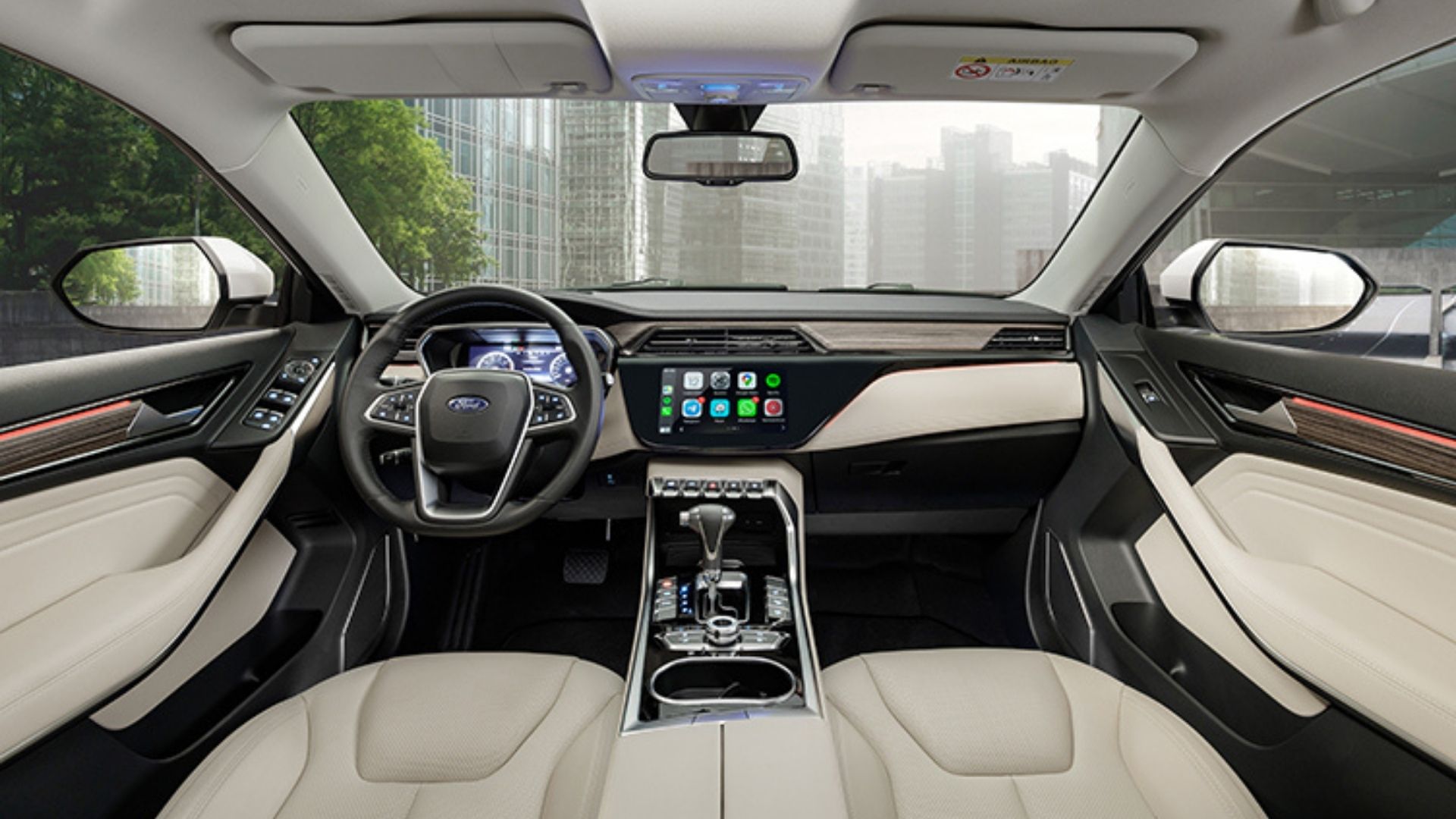
Around R$ 24,000: 4 used Ford SUVs with up to 253 hp, V6 engine, all-wheel drive, 7 airbags, panoramic sunroof, and a complete package that surprises with its price and performance in Brazil.
-
A brand new car starts at around R$ 75,000 in Brazil, but what stands out the most is seeing streets filled with SUVs and expensive sedans in a country where millions remain in debt.


- Milller Cycle applied on a large scale, improving efficiency without loss of power.
- Variable geometry turbo (VTG), capable of reducing lag and increasing torque at low RPMs.
- Plasma coating in the cylinders, a technology from Formula 1 that replaces cast iron sleeves, reducing weight and friction.
These innovations place the EA211 Evo engine in a technological realm that was previously restricted to premium models, such as Porsche and Audi, but will now be accessible in vehicles produced in Brazil.
Impact of the EA211 Evo Engine on Maintenance and Durability
For owners and mechanics, the EA211 Evo engine changes the way maintenance will be performed. With greater technical complexity, advanced knowledge will be required to handle items such as variable turbo, cylinder deactivation systems (ACT), and gasoline particulate filters (GPF).
Despite the higher maintenance cost of some components, the promise is of greater durability and lower fuel consumption, especially in hybrid versions. The use of low-viscosity 0W20 oil, combined with the Miller cycle, ensures less internal wear and increases the lifespan.
The Arrival of Production in São Carlos and Plans for Electrification
The Volkswagen factory in São Carlos will be the center of the national production of the EA211 Evo engine, in both 1.0 and 1.5 versions. The brand has already announced that all new engines will be prepared for hybrid systems, from the mild 48V (eTSI) to the plug-in versions, which are expected to become popular starting in 2026.
This means that the EA211 Evo engine will be the foundation for Volkswagen’s transition towards electrification in Brazil, aligning with emissions reduction targets and the global trend towards energy efficiency.
Is It Worth the Wait for the Volkswagen Engine?
For those considering changing cars in the coming years, the arrival of the EA211 Evo engine may be decisive. It is expected to equip already established models, such as Polo, Nivus, T-Cross, and even more sophisticated versions of SUVs and sedans. The promise is of more power, lower consumption, and adaptability to ethanol, a fuel widely used in the country.
Moreover, the EA211 Evo engine aligns Brazil with the most modern global technologies, creating opportunities for the maintenance market and for consumers seeking more sustainable vehicles prepared for the future.
The new engine marks a turning point in the Brazilian automotive industry. With unprecedented technologies, a focus on efficiency, and national production starting in 2026, it will be the backbone of Volkswagen in the country for years to come.
And you, do you believe the EA211 Evo engine will truly transform the Brazilian market? Do you prefer to invest in a car with a traditional engine or are you already thinking of switching to Volkswagen’s new hybrids? Share your opinion in the comments — we want to hear from those who experience it firsthand!








Motores com sistema híbrido a bateria auxiliar quando acaba a vida útil, o custo de substituição é bem alto, e pelo que vejo, a vida útil não passa de 4 anos, daí a economia de combustível acaba se transferindo para a troca da bateria. Resumo: é 6 por meia dúzia.
VW nunca mais. Meu Polo começou bater os batentes dos amortecedores, aos 5 mim km. O chefe da oficina autorizada disse que aquilo estava dentro das especificações do fabricante, informou que o protocolo é aplicar graxa na suspensão, dar um tapinha nas costas do freguês e mandá-lo de volta pra casa.. famoso ‘tirar da reta’. Garantia da VW é fake.
Melhor motor é o AP e do fusca
Pode até ser, mais isso é passado, quem tem um em boas condições vai reparando até quando for possível, tudo evoluiu, mesmo que não nos agrade é assim que será, olha o exemplo dos eletrônicos em geral
. Tvs, sim, celulares