





 Portuguese
  English
  Spanish
  3 min of reading
  6 comments


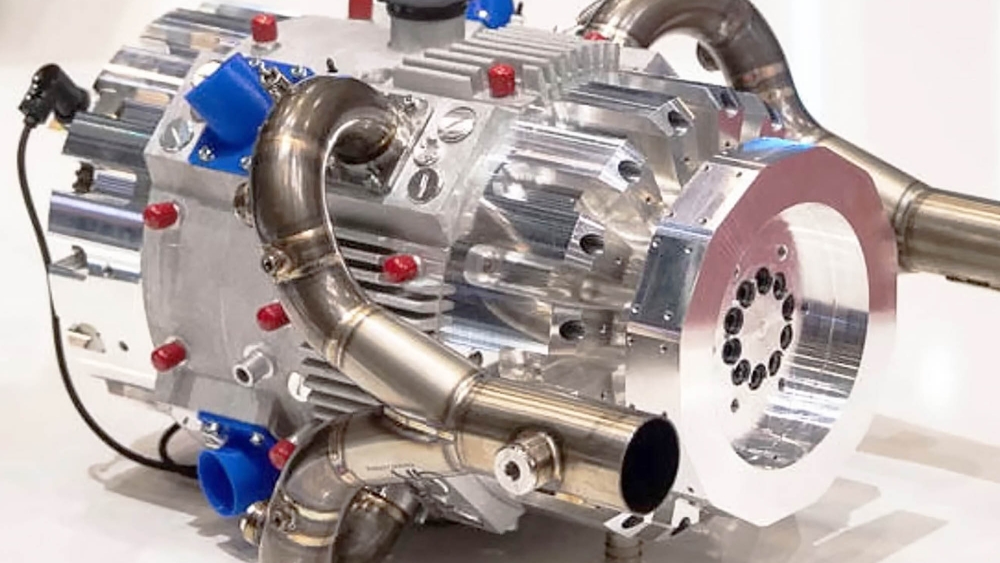


A Spanish Company Is Developing An Innovative Engine That Combines Combustion And Electricity Features, Promising To Transform The Automotive Sector.
The motto of the Spanish company INNengine, “The Future Is Eclectic”, may reflect the philosophy that drove the development of the e-Rex engine, an innovative solution that combines traditional combustion concepts with modern demands for electrification.
Despite being technically classified as a two-stroke, the engine represents a proposal that promises to transform the automotive market.
The design of the e-Rex combines the advantages of traditional two-stroke engines – greater power relative to size and thermodynamic efficiency – with innovations that eliminate their disadvantages.
-
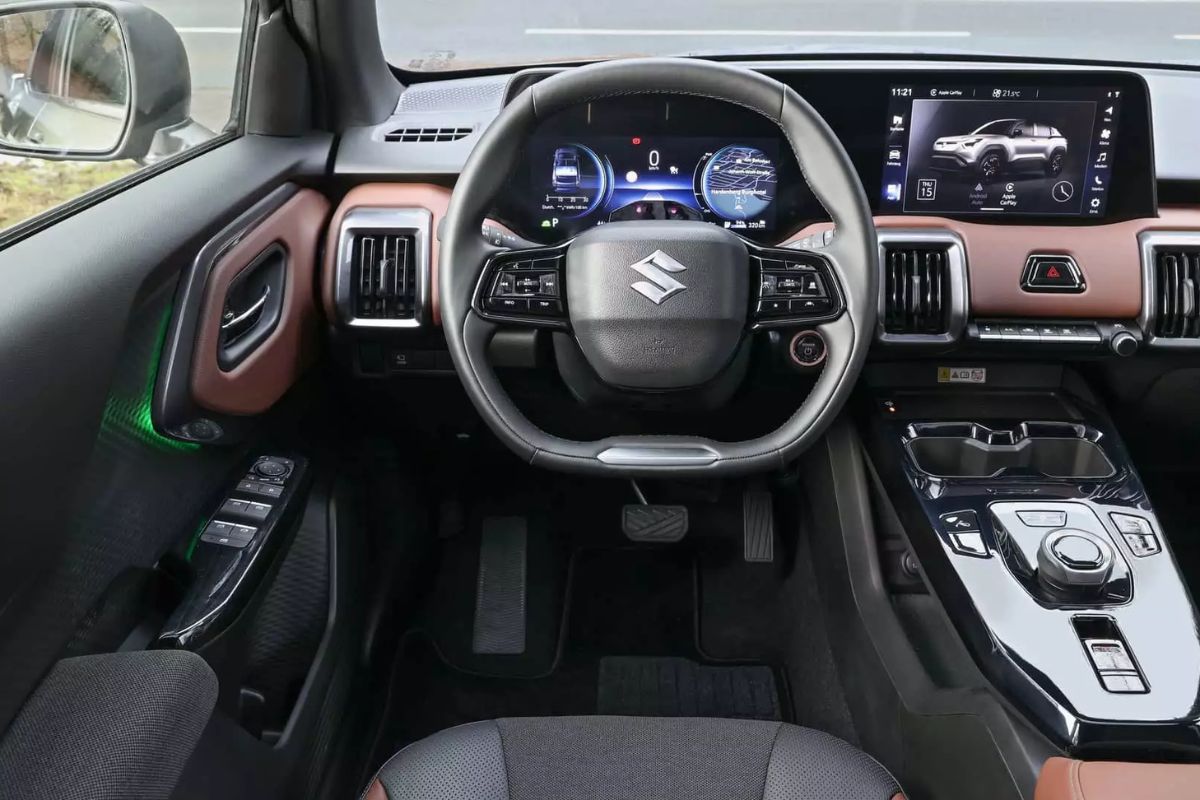
The 2026 electric Vitara arrives in Brazil and proves that Suzuki is not leaving: 4×4 traction, 184 hp, 61 kWh LFP battery, 293 km range, R$ 259,000, and a trunk capacity of 224 L.
-
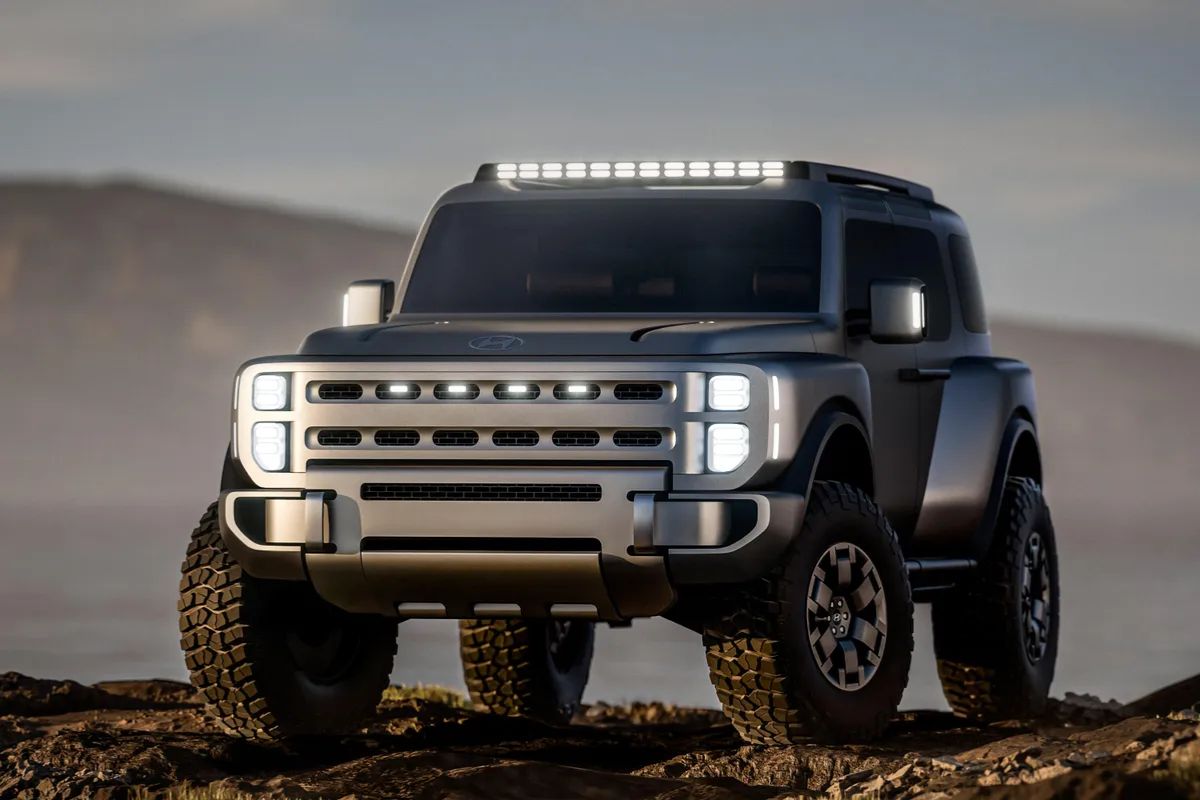
Hyundai has unveiled the Boulder, a square SUV with a body-on-frame design, 37-inch mud tires, and carriage-style doors that seems to be made to take on the Ford Bronco and the Scout Traveller in the United States.
-
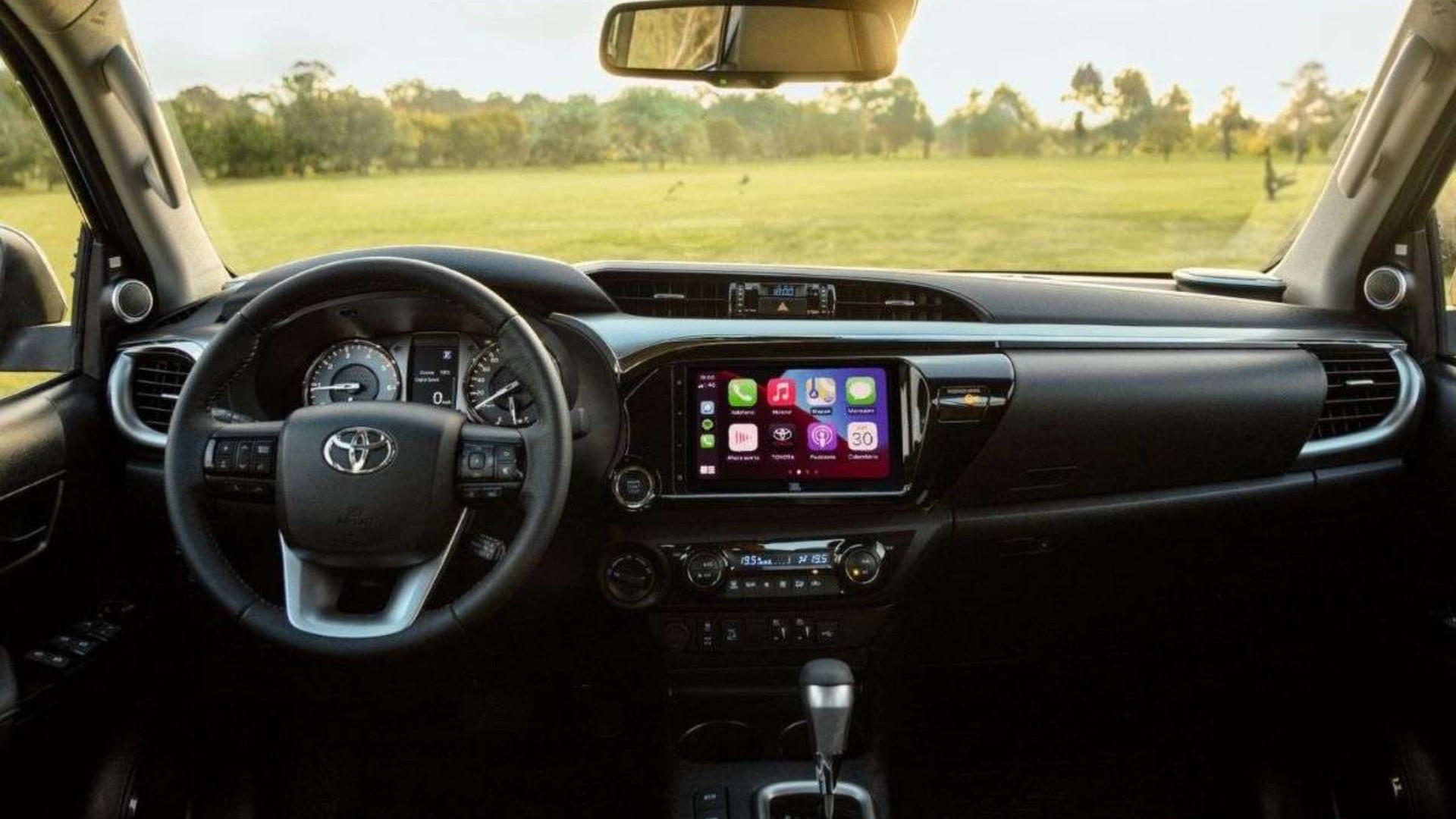
The Toyota Hilux is R$ 75.5 thousand cheaper and bets on the 2.8 turbodiesel engine with up to 204 hp and 50.9 kgfm to catch up with the VW Saveiro, which leads with 4,472 sales.
-
The new Renault Koleos has a screen exclusively for the passenger that is invisible to the driver, heated rear seats, and 29 assistance systems, but its Chinese competitors cost R$ 40,000 less and deliver more power.
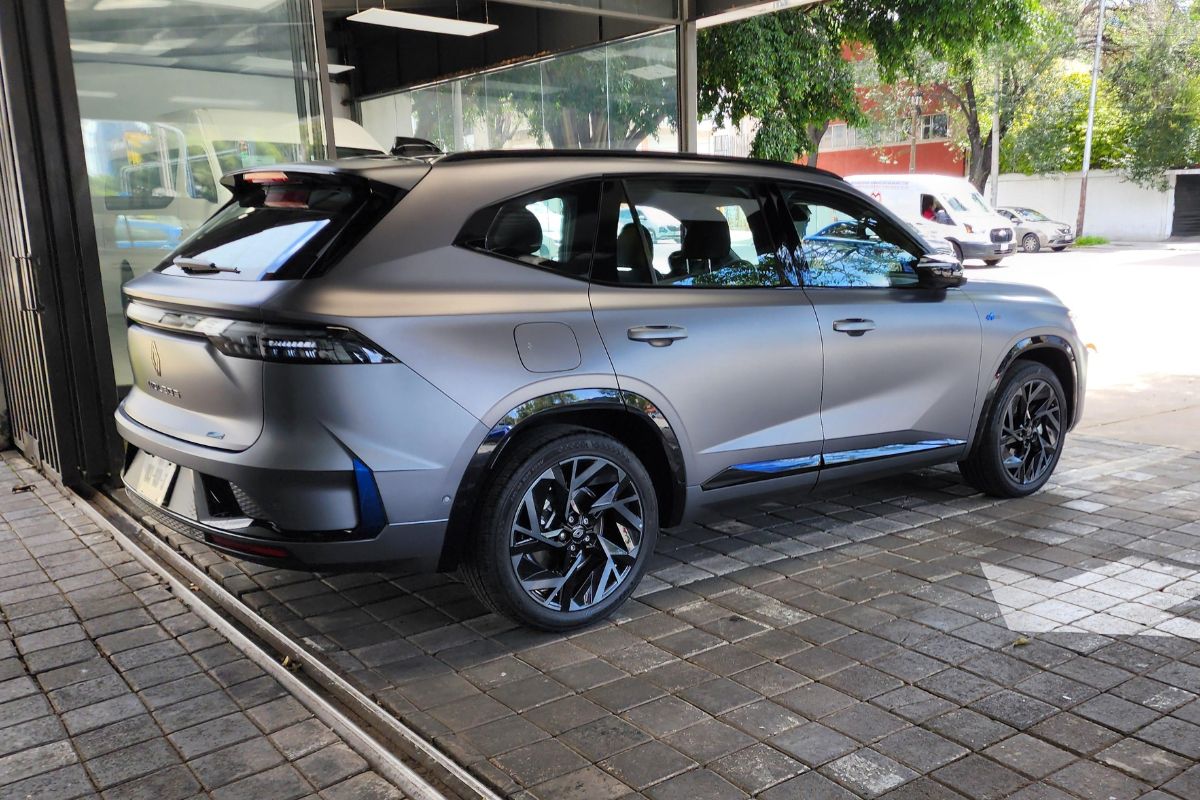

By separating the processes of combustion, lubrication, and cooling, it eliminates the need to mix oil and fuel, a problem that contributed to the poor reputation of these engines as polluting and noisy.
This solution positions it as an efficient range extender for electric vehicles, addressing current challenges of sustainability and performance.

Closer To Mass Production
The prototypes of the e-Rex are advancing quickly towards the industrial development phase. Based in Granada, INNengine plans applications in various sectors, from the automotive industry to the aerospace sector, including drones and small aircraft.
This broad approach demonstrates the transformative potential of the engine for different markets.
In a conventional engine, the intake, compression, combustion, and exhaust phases occur independently. However, in two-stroke engines, intake and exhaust happen simultaneously.
The e-Rex optimizes this principle with an innovative architecture that uses four opposing pistons, organized in pairs that share a combustion chamber. This design allows for smoother operation, with less noise and vibration, in addition to a compact size.

Variable Compression And Improved Efficiency
One of the major differentiators of the e-Rex is its variable compression system. This feature is achieved by shifting terminal plates that control the clearance between the pistons during compression, allowing for greater control and efficiency in the engine’s performance.
This broadens its use in applications ranging from automobiles to power generation.
The most notable prototype so far is a Mazda MX-5 Miata equipped with the e-Rex engine. This 500 cc engine delivers 126 horsepower, performance comparable to the original 1.8-liter engine of the model, but occupying only half the space and significantly reduced weight.
This compact configuration also allows the vehicle to be equipped with all-wheel drive, further expanding its possibilities.
Solution For Electrification Challenges
In the transition to electric mobility, the e-Rex emerges as a flexible and efficient range extender. It is capable of operating with synthetic fuels, reducing the reliance on large and expensive batteries – one of the greatest challenges for current electric vehicles.
This solution not only lowers production costs but also enhances the safety of cars by reducing their weight.
Lighter vehicles also positively affect range and performance. By dedicating the combustion engine for long trips, the system allows daily commutes to be lighter and more efficient.
Studies also show that lighter vehicles tend to cause less severe damage in accidents, a relevant point in road safety.
Impact On Diverse Sectors
The e-Rex is not limited to the automotive industry. According to INNengine, the engine has potential for applications like power generation in maritime environments and off-grid installations, where efficient and compact solutions are highly valued.
Although there are still challenges to its large-scale adoption, the e-Rex already stands out as one of the most promising innovations in the field of hybrid engines.
With its multifunctional approach and bold design, the e-Rex positions INNengine as a pioneer in transforming the energy and mobility market.
The combination of advanced technology, fuel flexibility, and greater efficiency promises to change the course of the industry in the coming years. Only time will tell the next steps and the impacts of this revolution on global markets.










Não deixa de ser um sistema híbrido, motor à combustão com alternador integrado, que manda energia elétrica para alimentar as baterias. E, essas baterias, é que vão alimentar os motores elétricos de tração, que ficam situados nos eixos com duas ou quatro rodas.
Onde se encontra o elétrico nessa reportagem ?
Sempre o homem está aperfeiçoando para melhor o que é útil para o desenvolvimento dos nossos meios de transportes.Principalmente no que tanje os veiculos auto motores poluentes.Espero que esse novo motor a combustão e elétrico possa dar certo!