





 Portuguese
  English
  Spanish
  4 min of reading
  0 comments


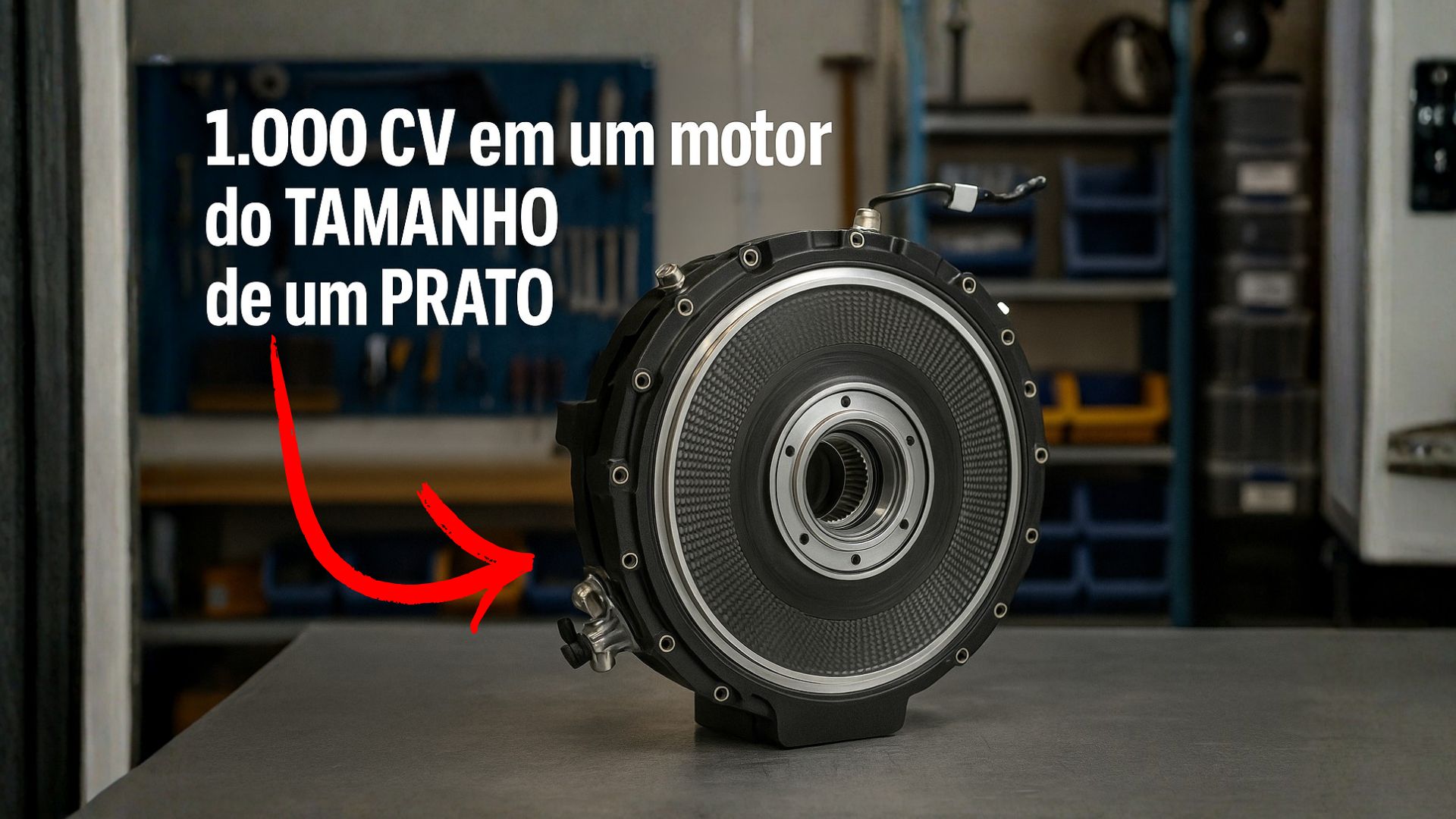
British Prototype Developed by YASA, Company Controlled by Mercedes-Benz, Achieves Over 1,000 HP with Just 12.7 kg. Axial Flow Technology Promises to Redefine Efficiency and Performance of Electric Motors.
A prototype of an axial flow electric motor, developed by the British company YASA, controlled by Mercedes-Benz, has achieved over 1,000 peak horsepower on a dynamometer, with just 12.7 kg and dimensions comparable to a plate.
The result represents an advance in power density for electric motors and is under evaluation for future applications in models from the Mercedes-AMG division.
Although no date has been confirmed, the project was conceived with materials available at industrial scale, according to the manufacturer.
-
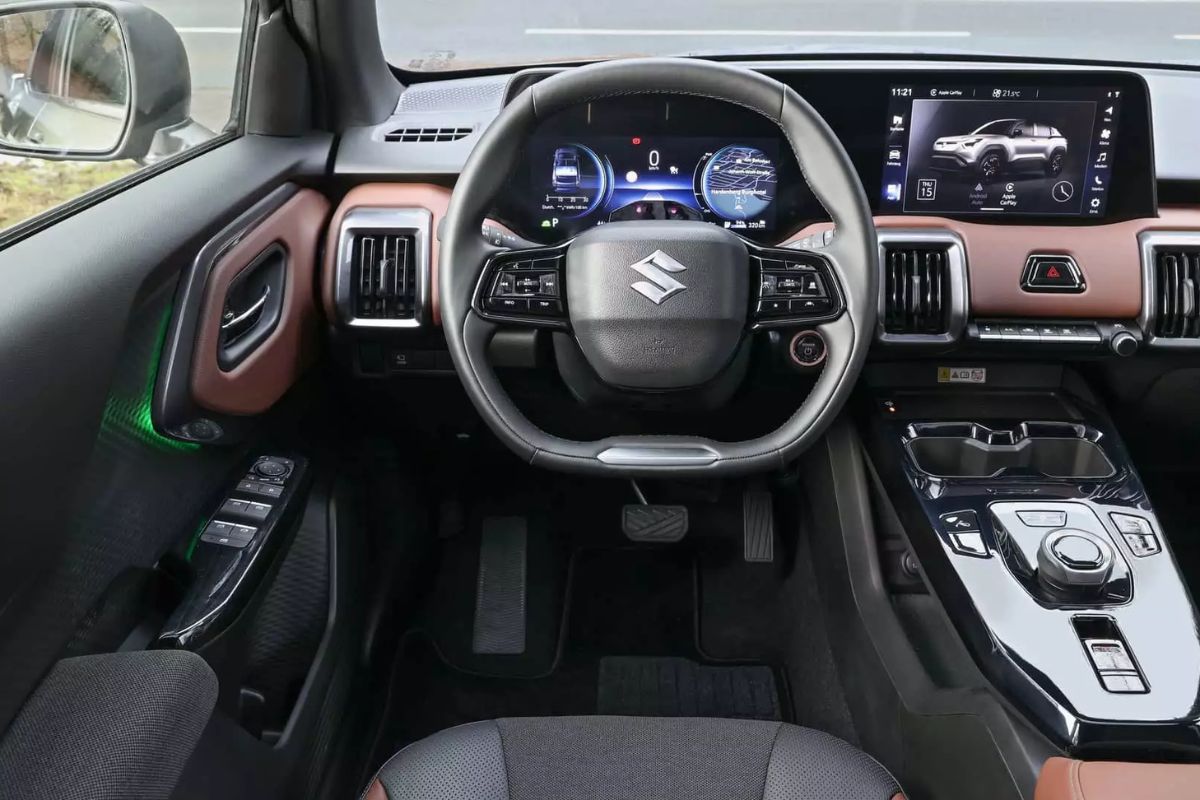
The 2026 electric Vitara arrives in Brazil and proves that Suzuki is not leaving: 4×4 traction, 184 hp, 61 kWh LFP battery, 293 km range, R$ 259,000, and a trunk capacity of 224 L.
-
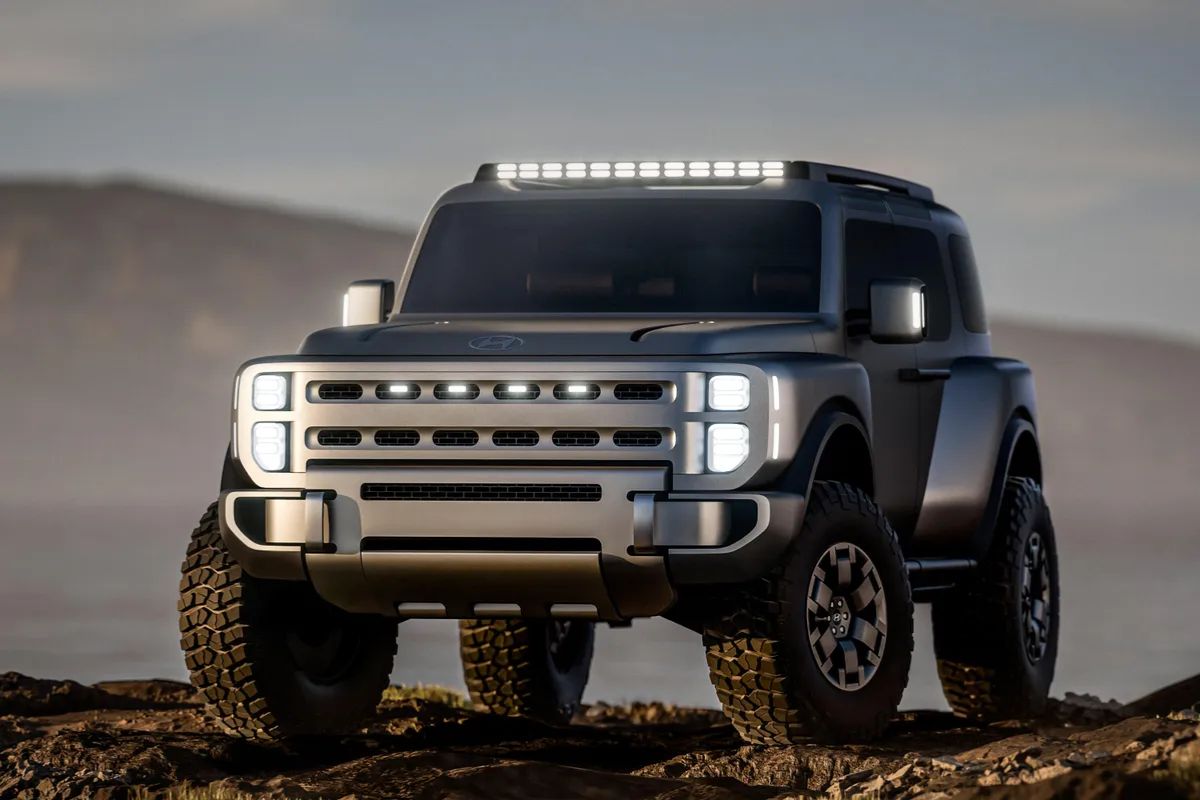
Hyundai has unveiled the Boulder, a square SUV with a body-on-frame design, 37-inch mud tires, and carriage-style doors that seems to be made to take on the Ford Bronco and the Scout Traveller in the United States.
-
The Toyota Hilux is R$ 75.5 thousand cheaper and bets on the 2.8 turbodiesel engine with up to 204 hp and 50.9 kgfm to catch up with the VW Saveiro, which leads with 4,472 sales.

-
The new Renault Koleos has a screen exclusively for the passenger that is invisible to the driver, heated rear seats, and 29 assistance systems, but its Chinese competitors cost R$ 40,000 less and deliver more power.

How The Axial Flow Electric Motor Works
The motor uses an axial flow configuration, different from the traditional radial layout, where the magnetic field travels through the rotor perpendicular to the axis.
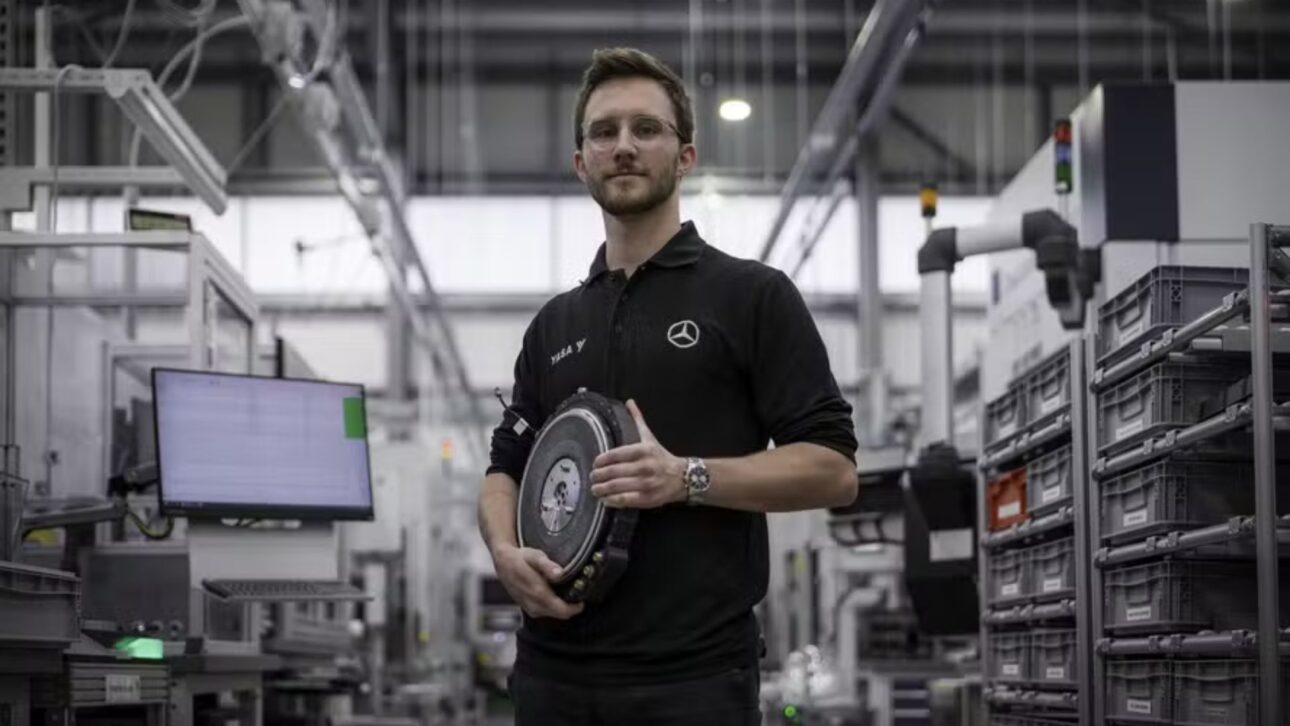
In this new arrangement, the flow occurs parallel to the rotation axis, which increases the active magnetic surface and enhances thermal dissipation.
YASA reports that the prototype reached 750 kW (about 1,005 HP) of peak power, with 59 kW per kilogram, a number considered significant in the industry.
The company explains that the results depend on factors such as temperature, structural rigidity, and the battery’s ability to sustain high currents.
For this reason, the parameter most commonly used in the industry is continuous power, which indicates the performance maintained without overheating.
According to data released by the manufacturer, the continuous power of this prototype is between 350 and 400 kW (469 to 536 HP), a range that keeps the power-to-weight ratio above average for comparable motors.
Impact of Innovation on Electric Cars
Industry experts state that lighter and more compact electric motors could allow for vehicles of lower total mass, which reflects in energy efficiency and improved performance.
A smaller package also frees up space for batteries and cooling systems, facilitating the development of all-wheel-drive vehicles with independent modules.
According to YASA, the prototype uses common materials from the supply chain, which reduces barriers for its adoption at commercial scale.
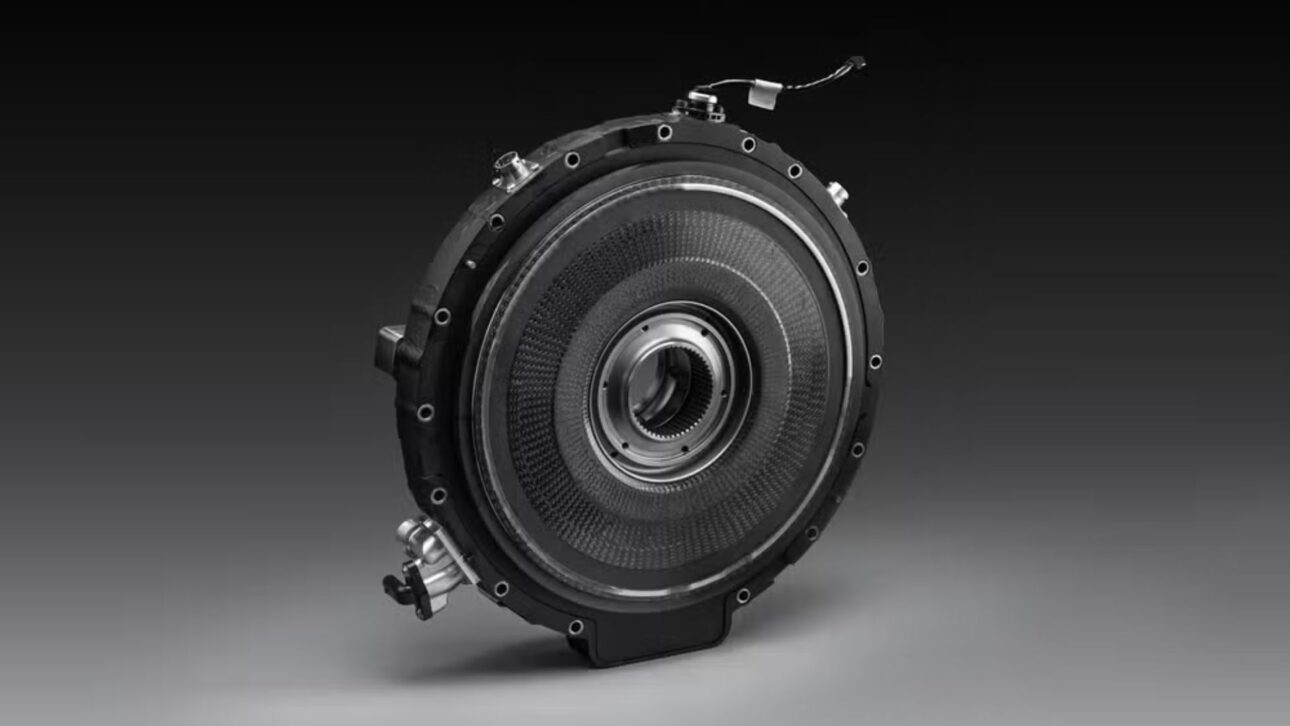
Despite the advancements, the company acknowledges that maintaining peak power for extended periods still depends on improvements in thermal management and inverter calibration.
The expectation is that advancements in these areas will make it possible to balance high performance and durability in street applications.
Partnership Between YASA and Mercedes-AMG
Since 2021, YASA has been part of the Mercedes-Benz group and has been working on the development of electric motors for the brand’s high-performance division.
In June 2025, Mercedes-AMG unveiled the Concept GT XX, which uses three axial flow motors developed by the British company.
The system achieves over 1,000 kW (about 1,340 HP) of combined power.
According to information from the automaker, the system employs two motors on the rear axle and one in the front, prioritizing rear-wheel drive and engaging the front axle on demand.
Mercedes-AMG also announced that the concept introduced megawatt charging technology, associated with a direct oil-dielectric cooling battery, still in the validation phase.
Applications in Production Supercars
The axial flow motors from YASA are already equipping hybrid supercars in production.
The system is present in the Ferrari 296 GTB, positioned between the V6 engine and the transmission, and in models from Lamborghini, such as the Revuelto and Temerario, the latter launched in 2025 with a biturbo V8 associated with three YASA electric motors.
According to the manufacturer, these applications demonstrate that the technology can already operate in production vehicles, albeit with specifications distinct from the new prototype.
Why The Motor Is Lighter And More Compact
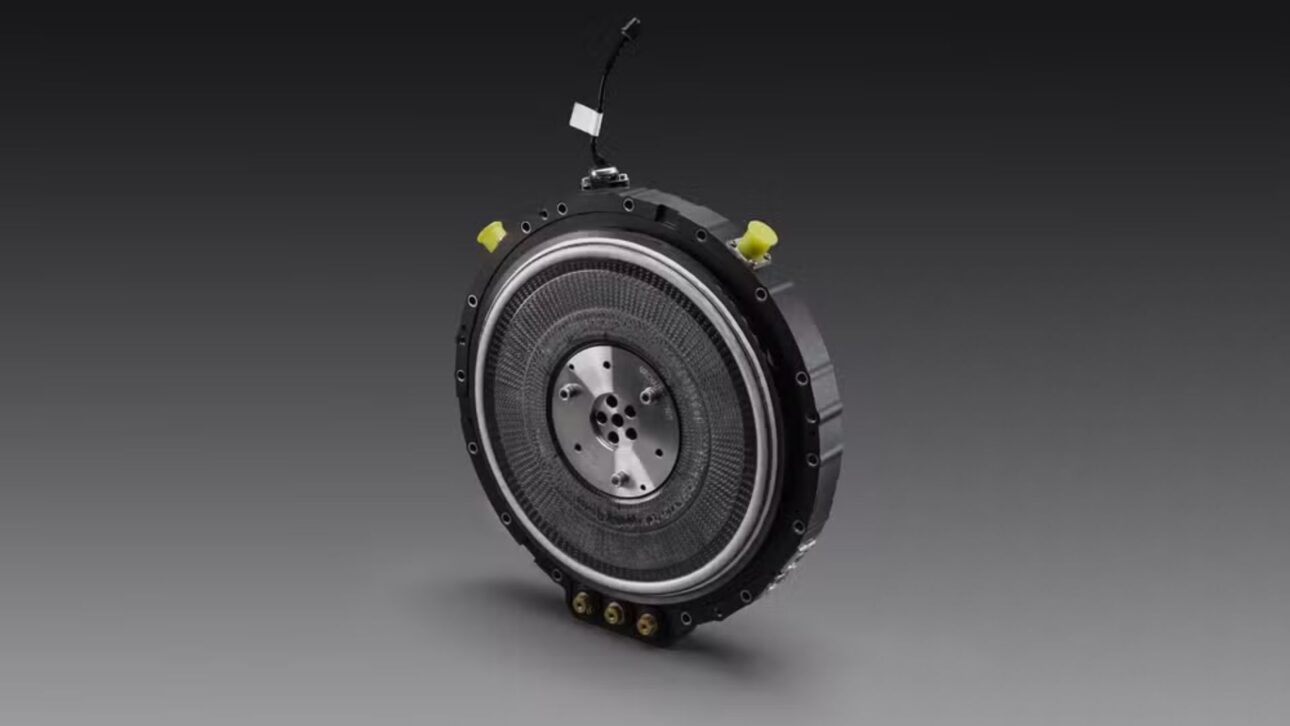
The axial configuration arranges the stator and rotor as parallel discs, which increases the interaction area between the magnetic fields in a thinner assembly.
According to YASA engineers, this shape helps reduce rotational inertia and improves cooling, since critical components are closer to the heat dissipation surfaces.
These factors explain the high specific power achieved without the need for rare materials.
Path To Large-Scale Use
According to analysts in the electric mobility sector, the miniaturization of motors could allow for smaller batteries to maintain the same range, which would reduce costs and charging time.
However, they emphasize that large-scale application still requires additional validations of durability, noise and vibration (NVH), and production cost.
YASA reported that it expanded its factory in the UK in 2025 to increase production capacity, focusing on meeting high-performance vehicle programs and limited series.
Technical Challenges and Validations
Automotive engineering experts highlight that there is a significant difference between peak power and continuous power, and that the performance obtained on the test bench needs to align with the thermal and structural limits of the complete vehicle.
YASA states that its current focus in testing is to optimize the cooling system, the power electronics, and the torque control, in order to enable commercial applications.
Scalability of YASA Technology
The company emphasizes that the prototype does not use exotic materials or techniques limited to research.
The design is scalable and can be reproduced at different power levels, depending on the application.
According to YASA, the improvements achieved are the result of engineering adjustments and enhanced thermal management, not of high-cost solutions.
This development model can facilitate the gradual introduction of technology in production lines of Mercedes-AMG and other partner automakers.








-

-

-

-

12 pessoas reagiram a isso.