





 Portuguese
  English
  Spanish
  4 min of reading
  11 comments


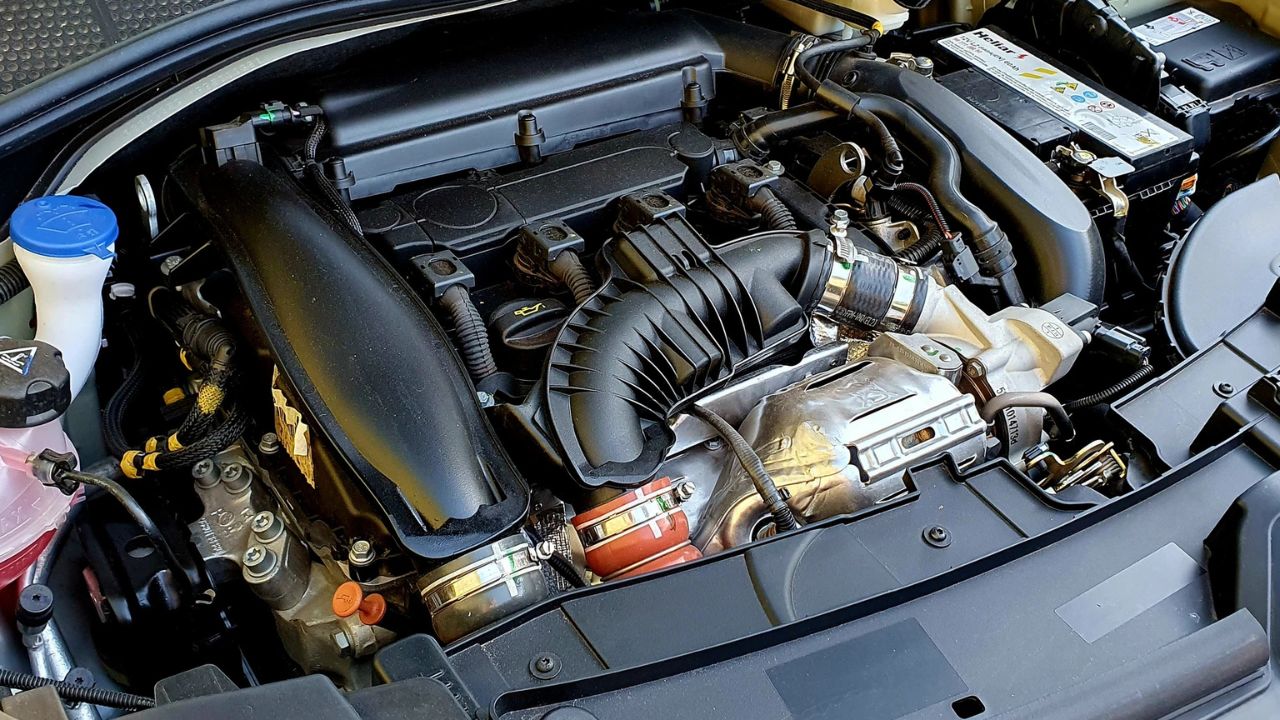


Discover The History And Key Facts About The THP Engine, Resulting From The Partnership Between PSA And BMW. Learn About Its Advantages, Disadvantages, And Why It Divides Opinions In The Brazilian Automotive Market.
The THP (Turbo High Pressure) engine is one of the most discussed propulsion systems in the automotive market, especially in Brazil, where it equipped popular models from brands like Peugeot, Citroën, and Mini.
Initially launched through the partnership between PSA (Peugeot-Citroën) and BMW, the THP became known for its combination of high power and fuel efficiency.
However, its complexity and maintenance costs have generated criticism over the years. If you are curious about the THP engine, keep reading to discover 9 essential facts about this engine that divides opinions.
-
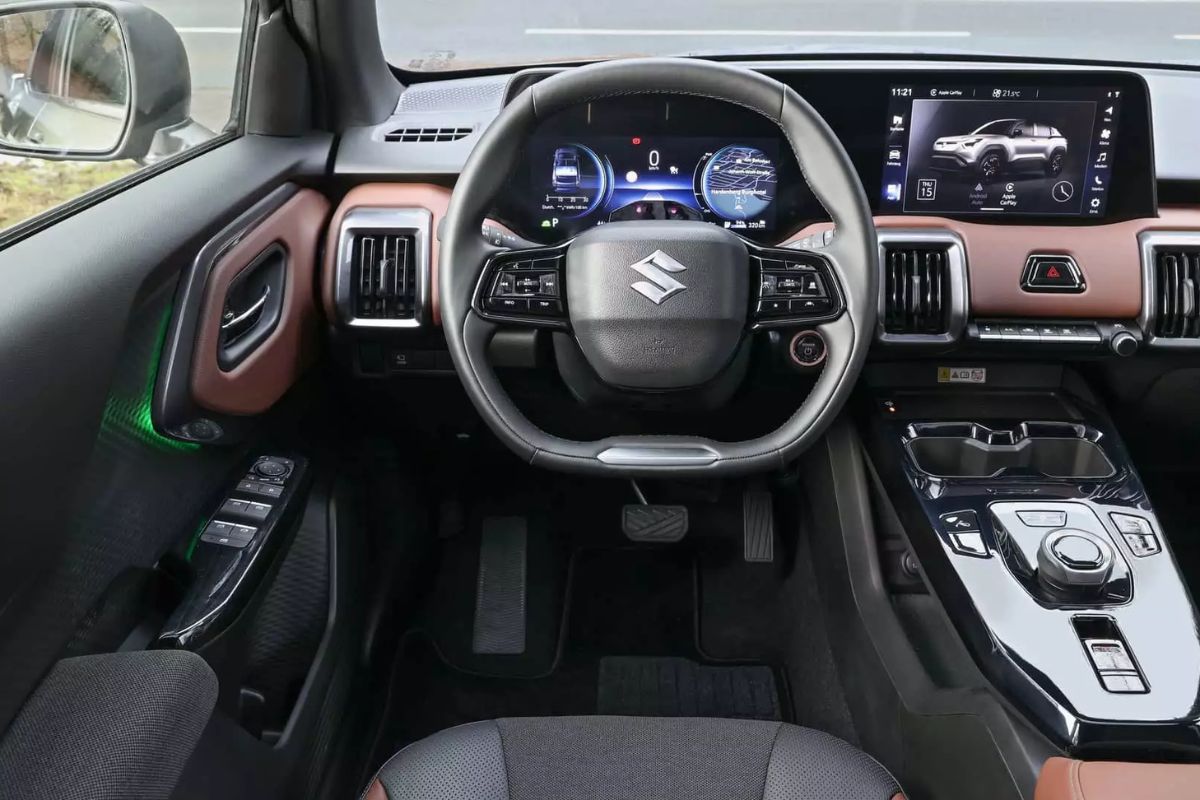
The 2026 electric Vitara arrives in Brazil and proves that Suzuki is not leaving: 4×4 traction, 184 hp, 61 kWh LFP battery, 293 km range, R$ 259,000, and a trunk capacity of 224 L.
-
Hyundai has unveiled the Boulder, a square SUV with a body-on-frame design, 37-inch mud tires, and carriage-style doors that seems to be made to take on the Ford Bronco and the Scout Traveller in the United States.

-
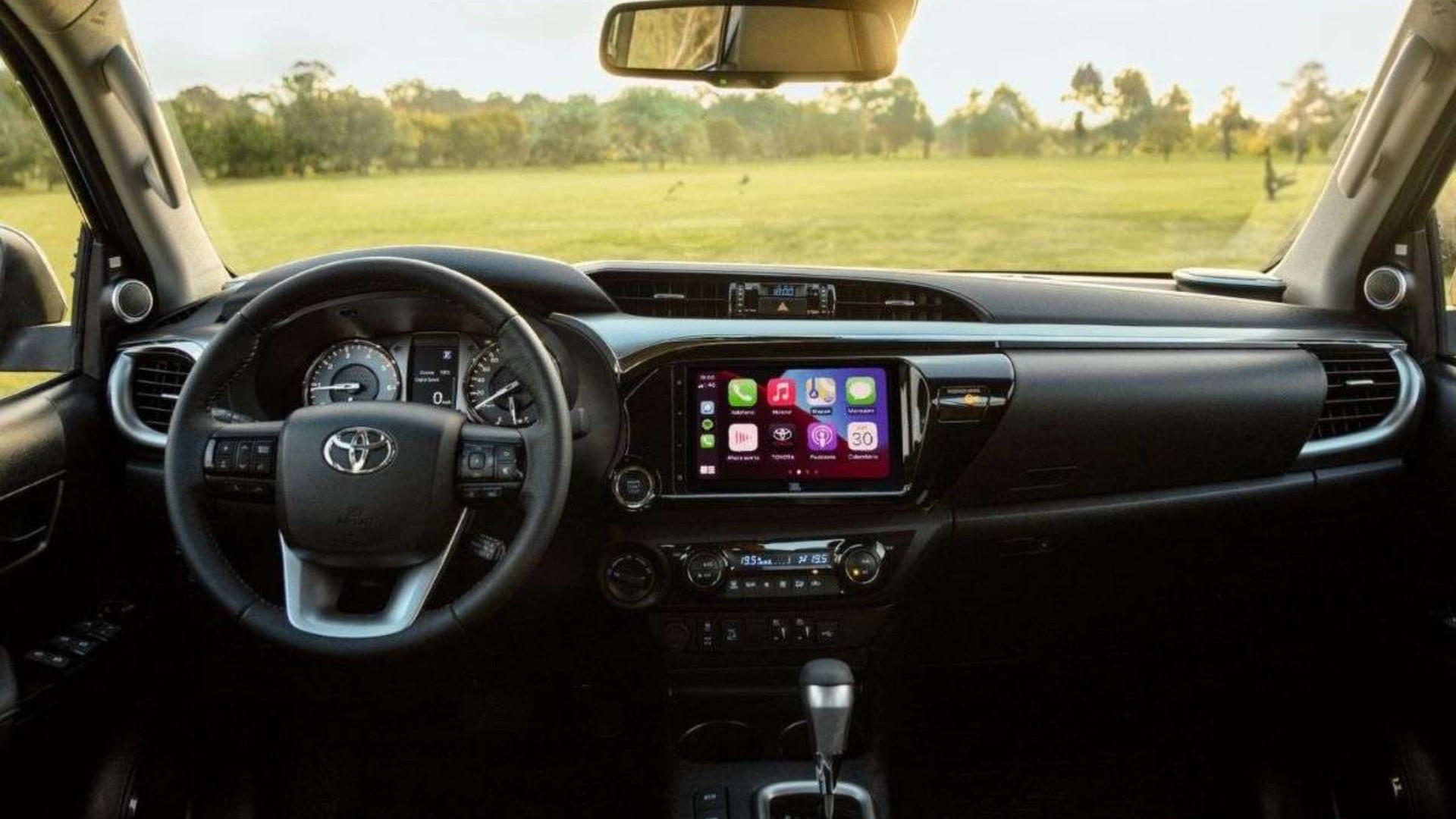
The Toyota Hilux is R$ 75.5 thousand cheaper and bets on the 2.8 turbodiesel engine with up to 204 hp and 50.9 kgfm to catch up with the VW Saveiro, which leads with 4,472 sales.
-
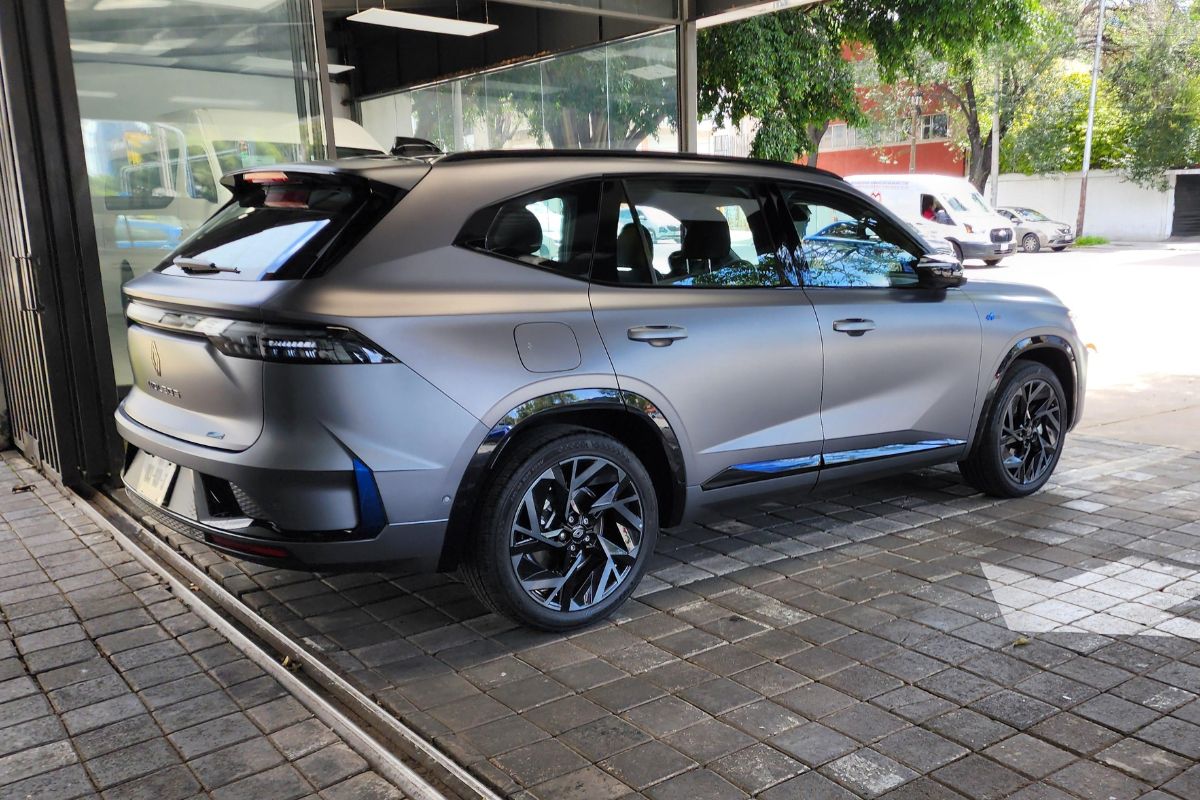
The new Renault Koleos has a screen exclusively for the passenger that is invisible to the driver, heated rear seats, and 29 assistance systems, but its Chinese competitors cost R$ 40,000 less and deliver more power.

Origin Of The THP Engine: The Partnership Between PSA And BMW
The THP engine was born from a joint venture between the PSA Peugeot-Citroën group and BMW, being launched in Europe in 2004 under the project name “Prince”. Initially, the engine was offered in naturally aspirated and turbocharged versions.
In Brazil, the engine arrived with the Peugeot 3008 in 2010 and quickly spread to other models from the group’s brands, such as the Peugeot 208 and Citroën C4 Lounge.
With its development and variants, the THP has gained both admirers and critics.
How Does The THP Engine Work?
The THP engine is a 1.6 turbocharged four-cylinder engine with an aluminum block.
One of its main differentiators is the combination of turbocharging with variable valve timing, both for intake and exhaust.
This allows the engine to offer more power and torque with lower fuel consumption, a characteristic that defines the downsizing philosophy (smaller engines with higher efficiency and performance).
THP Innovations: Efficiency And Power In Downsizing
The THP engine is one of the pioneers of downsizing, which aims to combine smaller engines with more power.
In addition to turbocharging technology, the engine has received direct injection systems developed by Bosch, which helped improve its efficiency.
It has also been equipped with a variable oil pump, an innovation that contributes to reducing consumption and improving performance.
The THP Engine In Brazil: The Arrival Of The Peugeot 3008
The Peugeot 3008 was the first car in Brazil to receive the THP engine. Launched in 2010, the French midsize crossover came equipped with the 1.6 turbo engine, capable of generating 156 hp of power and 24.5 kgfm of torque.
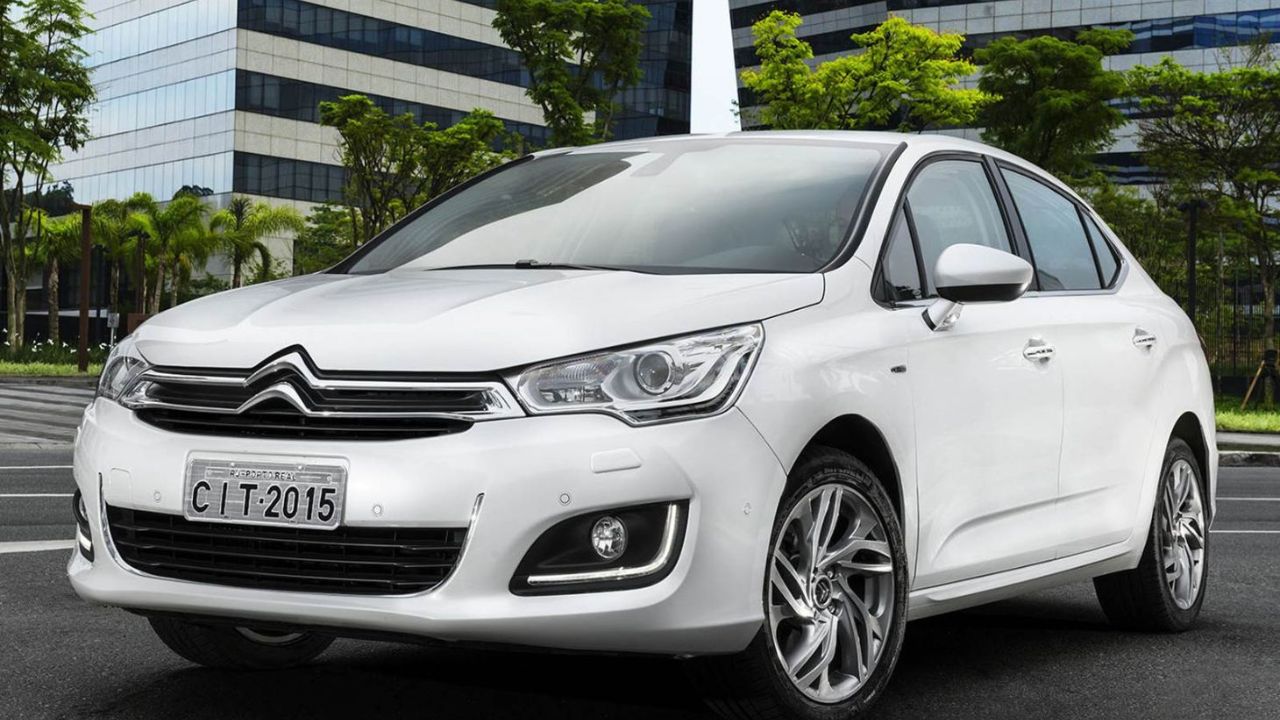
Starting in 2014, the engine began to offer 165 hp with Bosch’s new injection technology, being used in various models from the PSA group, such as the Peugeot 208, 308, 408, 508, 2008, and the Citroën C4 Lounge.
THP Flex Engine: The Version That Ran On Ethanol And Gasoline
One of the milestones for the THP engine in Brazil was the introduction of the flex version, which debuted in the medium sedan Citroën C4 Lounge.
With the flexibility to use ethanol or gasoline, the flex version of the THP engine produced 173 hp with ethanol and 165 hp with gasoline.
The torque was always 24.5 kgfm, regardless of the fuel used, representing a significant advancement over the old 2.0 engine of the C4 Pallas.
Sport Performance: The Peugeot 208 GT
In 2016, the THP engine was responsible for transforming the Peugeot 208 into a sports model.
The 208 GT, with its 173 hp of power, accelerated from 0 to 100 km/h in just 7.7 seconds, reaching a top speed of 222 km/h.
Equipped with a six-speed manual transmission and specific calibrations for the version, the 208 GT became the most powerful model in the 208 lineup, attracting sports fans.
The THP Engine In The Luxury DS Brand
DS, a luxury brand derived from Citroën, also used the THP engine in its models.
Between 2012 and 2017, the 1.6 turbo engine was equipped in the DS3, DS4, and DS5 models, offering a combination of performance and sophistication.
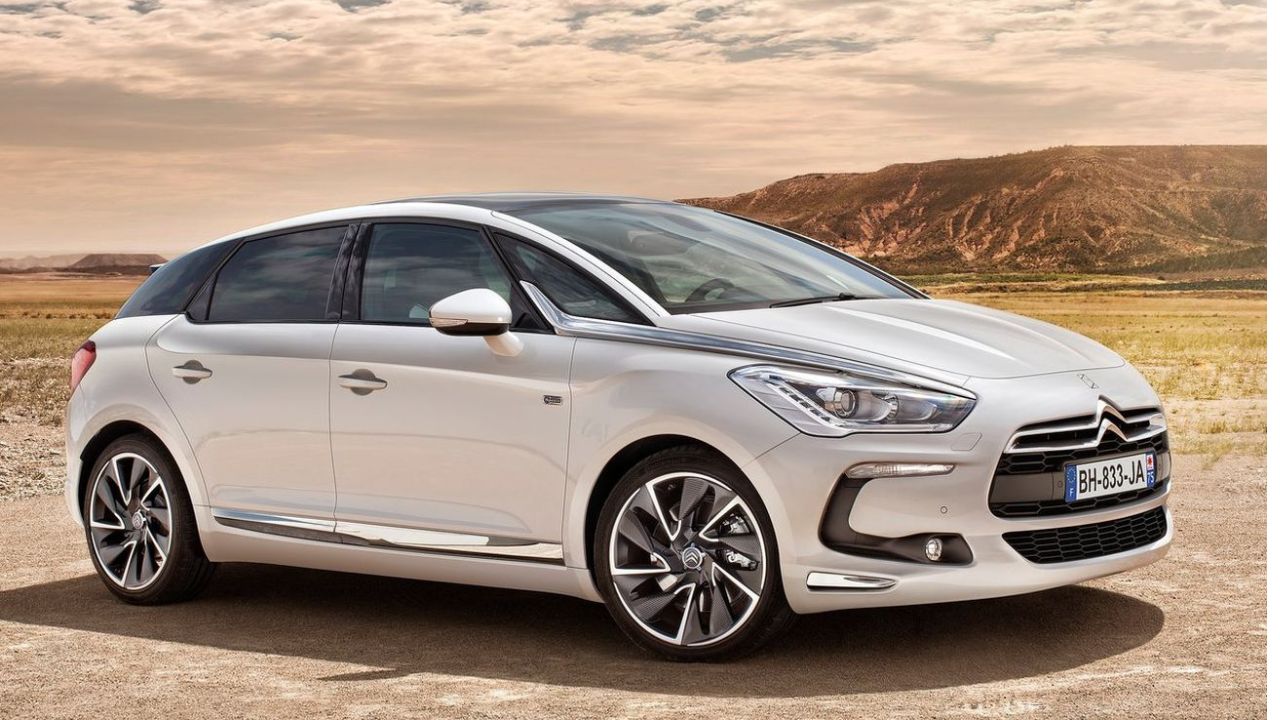
DS differentiated itself with superior quality in finishing and equipment, and the THP engine helped enhance the driving experience with power and efficiency.
The End Of An Era: The THP Engine And The Transition To Stellantis
With the merger between PSA and Fiat Chrysler (Stellantis), the THP engine began to lose space.
From 2021 onward, with the launch of new models, the group started to adopt engines from Fiat, such as the 1.0 turbo GSE.
This meant the end of using the THP engine in the Peugeot 208 and 2008, as well as the Citroën C3 and C4 Cactus, which began using new engine technologies.
In 2023, the production of the first generation of the Peugeot 2008 and the Citroën C4 Cactus was halted, marking the end of the THP engine cycle in Brazil.
Main Problems: What Concerns Owners?
Although the THP engine is admired for its efficiency and performance, it also presents some recurring problems.
Among the main issues are excessive oil consumption and lubricant leaks, as well as strange noises when starting.
These problems can be minimized with preventive maintenance, such as regular oil changes according to the manufacturer’s specifications.
Updating the valve seals and timing chain is also recommended for used models, ensuring safer and more efficient operation.
Is It Worth Buying A Car With A THP Engine?
The THP engine is an excellent option for those seeking power and economy, especially in models like the Peugeot 208, Peugeot 3008, and Citroën C4 Cactus.
However, maintenance costs and the engine’s complexity can be a concern for those not willing to perform preventive maintenance.
If you are considering a car with a THP engine, make sure you can afford the necessary care to keep the engine running efficiently and without failures.
Source: AutoPapo










Tenha um C$ Lounge 2017 Exclusive, estou há 4 anos, maravilhoso em todos os aspectos. Tive um Peugeot 408 que também era fantástico. Esses dias coloquei no anúncio e bombou, até pela conservação e cuidado que tenho.
Tenho um Peugeot 408 THP já com atualização. Quando fui comprar, busquei todas essas informações. Inclusive sobre o câmbio. Porque o AL4 não dá. Esse já tem o câmbio Aisin de 6 marchas. Estou com ele a 4 anos. Excelente conjunto motor e câmbio. Econômico e muito esperto.
A questão do THP é a próprio relaxo da montadora em entregar um produto de ponta:
– Problemas na tampa de válvulas, demoraram anos pra substituir por uma tampa que trocasse a membrana.
– Problema na corrente de comando, material fraco tornava ela elástica gerando folgas.
– Problema nos retentores das hastes de válvulas, material muito fraco ressecava rápido gerando queima de óleo, os com tecnologia de retentor de viton demoraram a chegar.
– Bomba de alta pressão nas versões mono combustível, pagar em torno de 8k em uma bomba de combustível é impraticável no Brasil, ainda mais que por conta da gasolina podre e batizada vai detonando tudo.
– Anéis de pistão, os anéis raspadores de óleo tinham baixa durabilidade e tornavam um carro uma máquina de baixar óleo.
Dito isso os motores THP só tiveram todas as correções depois de 2018, quase 10 anos após o lançamento no Brasil, isso fez o mercado de seminovos e usados se afastarem do motor THP, fazer todas as manutenções necessárias faziam o dono gastar quase 50% do valor do carro, isso fez o carro que tem esse motor se tornar uma loteria, será que vou ser premiado com esse custo na manutenção?
Realmente. Tenho o THP no DS5 com 120 mil km e baixa 1 litro d óleo a cada 1000 km. Mecânicos não recomendam retificar pois vai voltar a consumir óleo em menos d 40 mil km. Melhor deixar assim e no futuro comprar outro motor novo…
Por favor, o C4 CACTUS 2019 já é o motor com todas as correções? Se sim, qual os cuidados que devo ter?