





 English
  Francês
  Alemão
  Italiano
  Japonês
  Norueguês
  Portuguese
  Spanish
  3 min of reading


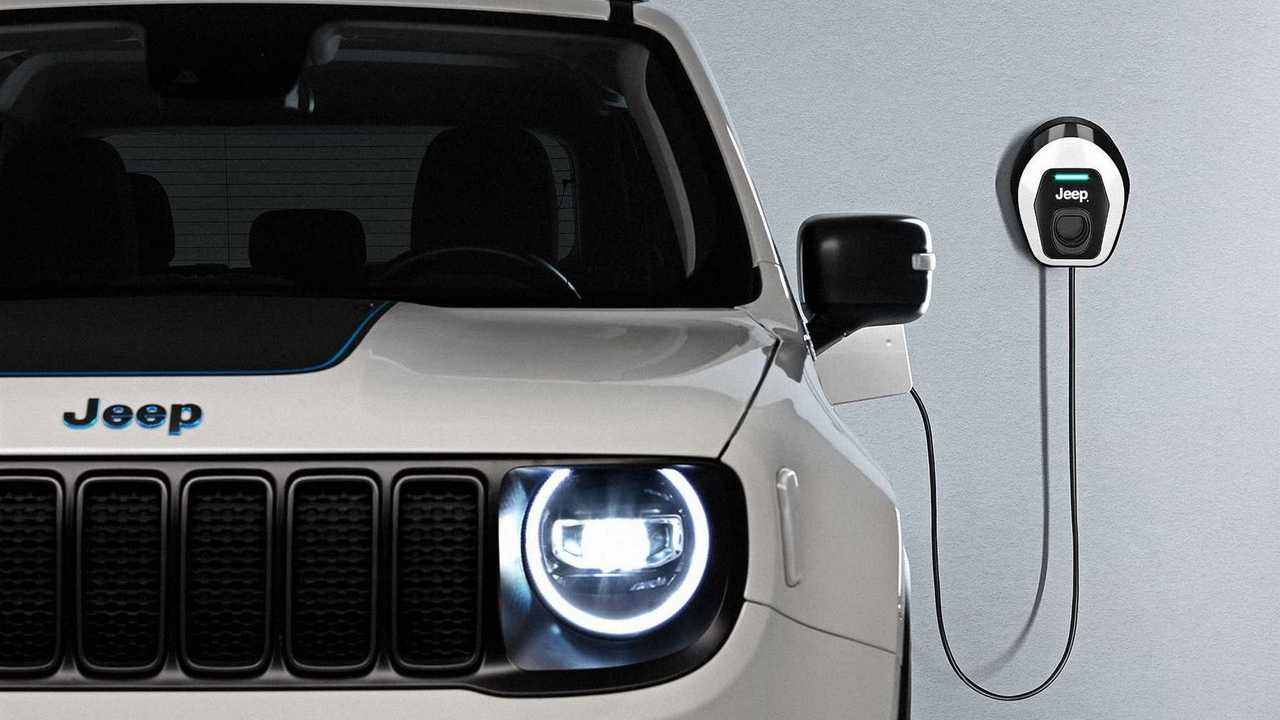
Stellantis Commented on the End of Combustion Engines and Claims They Should ‘Die’ Sooner Than Expected, Given That Companies Are Investing More and More in Renewable Technologies.
While the automotive market is focused on 2035, the year in which Europe plans to abolish vehicles with combustion engines, emission rules will become increasingly stringent in the Old Continent. In this context, Stellantis believes that these polluting gasoline or diesel engines may disappear due to the arrival of electric cars before the established deadline.
Combustion Engines Will Be Extinct by 2027, Says Stellantis
It all starts with Euro 7 and the arrival of new, stricter emission reduction targets in Europe in 2027. Davide Mele, Senior Vice President of Corporate Affairs at Stellantis in Italy, spoke on this topic during a roundtable related to the ecological transition within the national council of Uilm.
The executive states that the energy transition can be brought forward from 2035 to 2027 due to the new European emissions regulations.
-
Engineers propose a fourth traffic light for intersections – the change promises to affect crossings, queues, and waiting times.

-
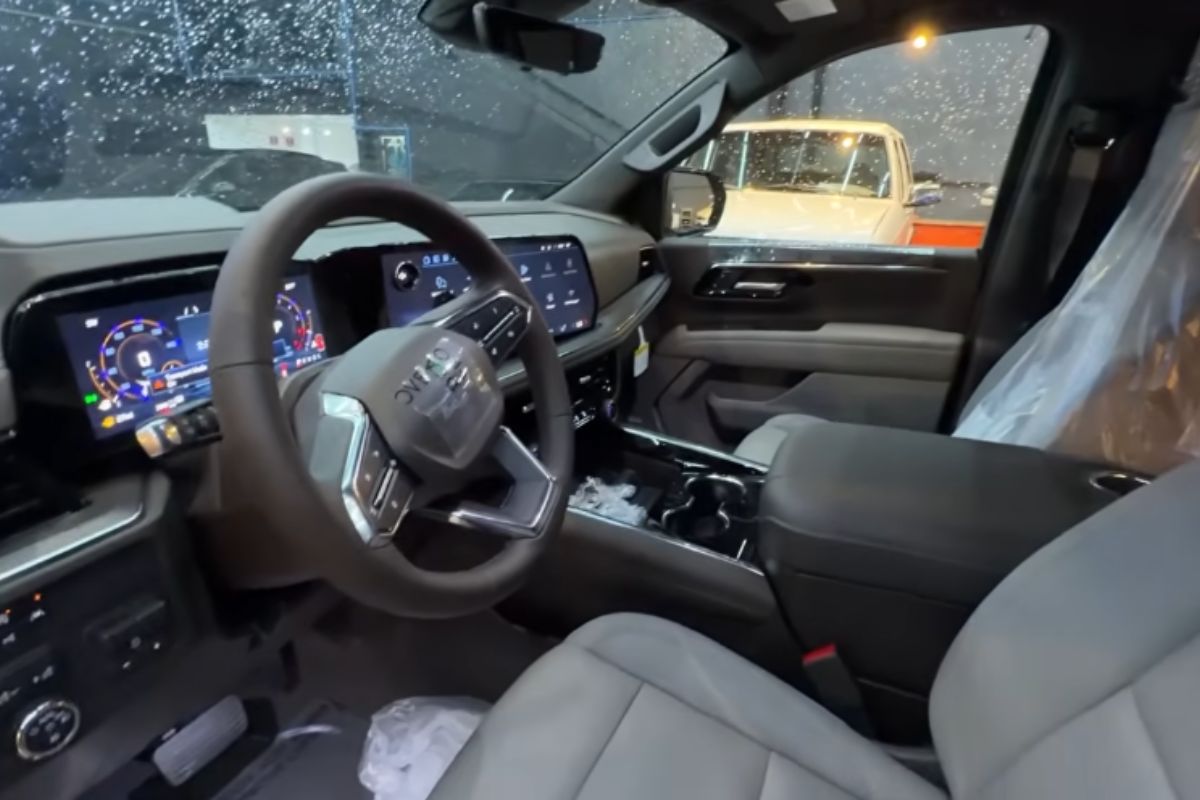
Chevrolet Suburban Z71 lands in Brazil with a V8 engine, off-road design, air suspension, seven seats, and colossal size, a rare version imported for around R$ 1.3 million with luxury and exclusivity.
-
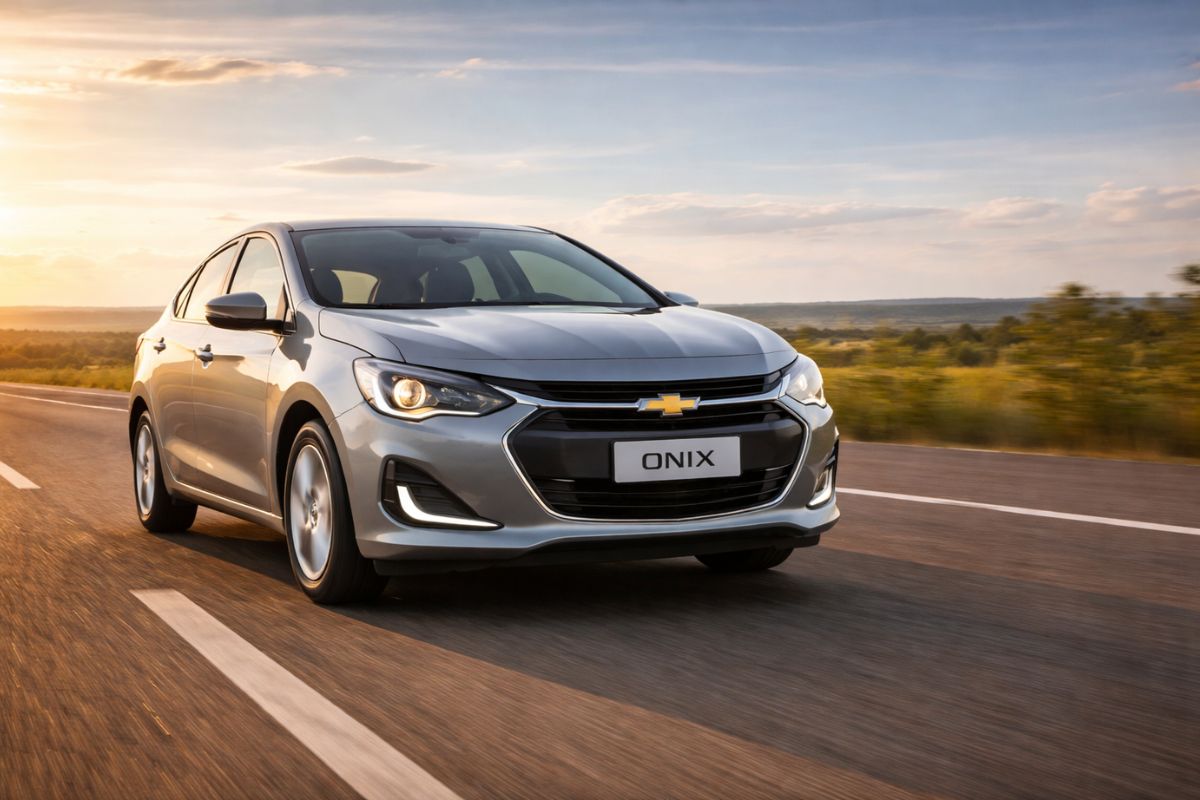
The Chevrolet Onix 1.0 turbo achieves 17.7 km per liter on the highway and ranks among the three most economical cars in Brazil in 2026, alongside two more expensive Toyota hybrids available at dealerships.
-
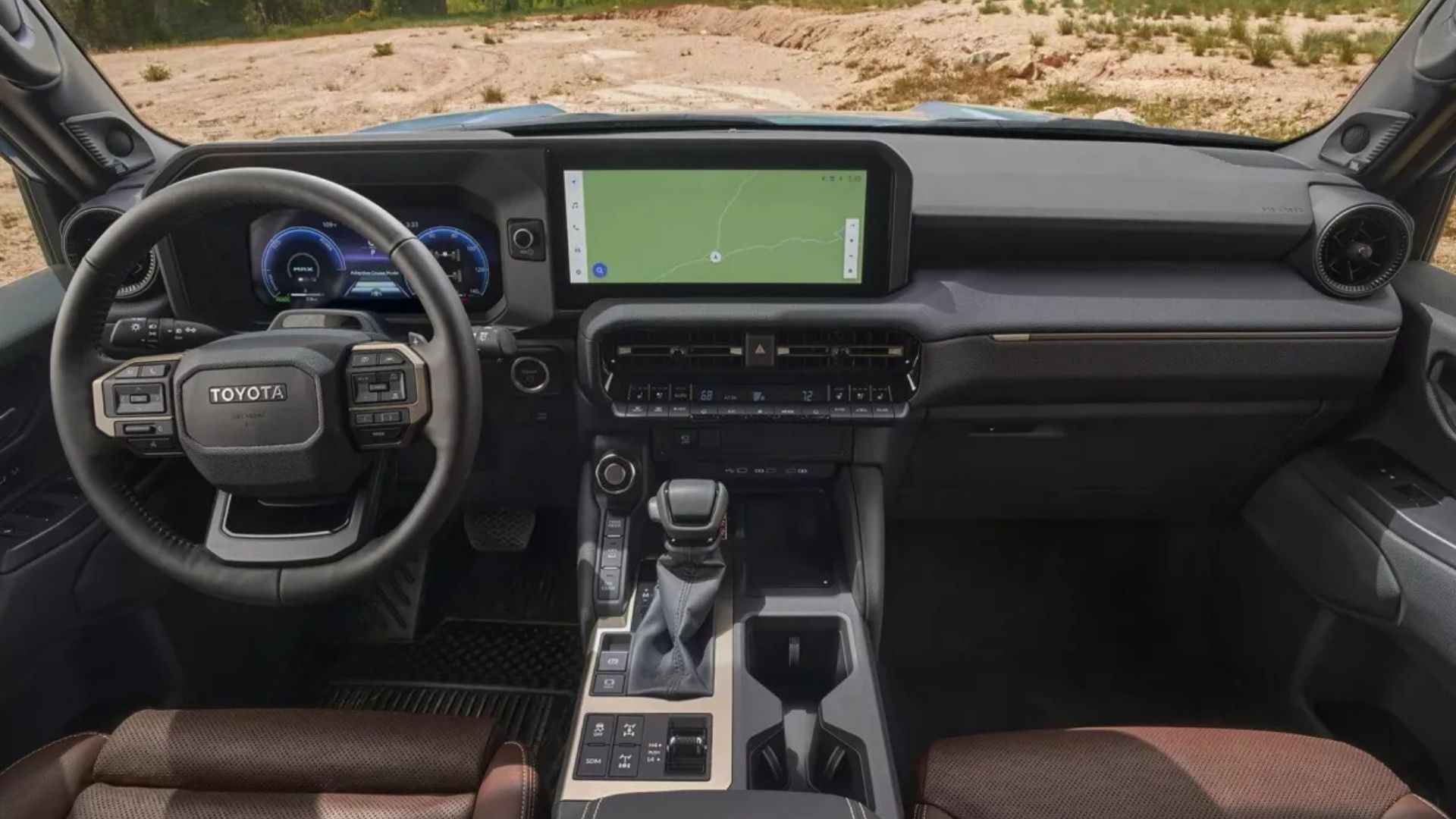
Little sister of the Hilux: Toyota launches Land Cruiser FJ with 4 radical versions, 2.7 engine with 166 hp and 4×4 traction with locking.
In practice, Mele highlights something that is being faced not only by Stellantis but also by most manufacturers operating in Europe.
The central point is that, with Euro, manufacturers will have to make significant investments in current combustion engines to ensure they meet stringent emission standards. In this case, the thinking is that gasoline and diesel combustion engine cars will become unviable due to their high production costs for manufacturers.
Automakers Make Double Effort to Maintain Combustion Engine and Electric Cars
According to the executive, Stellantis embraces the transition, but does not forget that there is Euro 7 legislation requiring companies to invest in combustion engines that will die in 2035. Thus, if we really focus on the reasoning being made, 2027 will in fact be a year when the thermal engine will die.
From this viewpoint, the company is requesting a review of the Euro 7. Mele also emphasizes that during the energy transition of the automotive market, producers are forced to make a dual and costly effort, such as developing new electric cars, platforms, infrastructures, batteries, while simultaneously continuing to improve current combustion engines. Returning to Euro 7, several automakers have questioned the very strict limits.
The limit is 30 mg of NOx per vehicle and CO2 emissions between 100 and 300 mg per km, while the current value ranges between 500 and 1000. Thus, combustion engine cars would not be able to meet these figures, necessitating some form of electrification, whether hybrid, plug-in hybrid, or fully electric.
How Does This Fit into the Brazilian Automotive Market?
This is all seen in Europe, where the energy transition is at the center of debate and the speed at which it should happen generates intense discussions.
Brazil, on the other hand, still does not have a strategic plan to evolve with electric cars. Still, these vehicles are gradually gaining ground in the national market.
The paradigm shift in Europe and other markets like the United States and China should gradually force a change in mindset in Brazil. The headquarters of major automakers are in these markets and may begin to impact decisions more in countries that are still starting to adopt electric cars.








Seja o primeiro a reagir!