





 Portuguese
  English
  Spanish
  5 min of reading
  0 comments


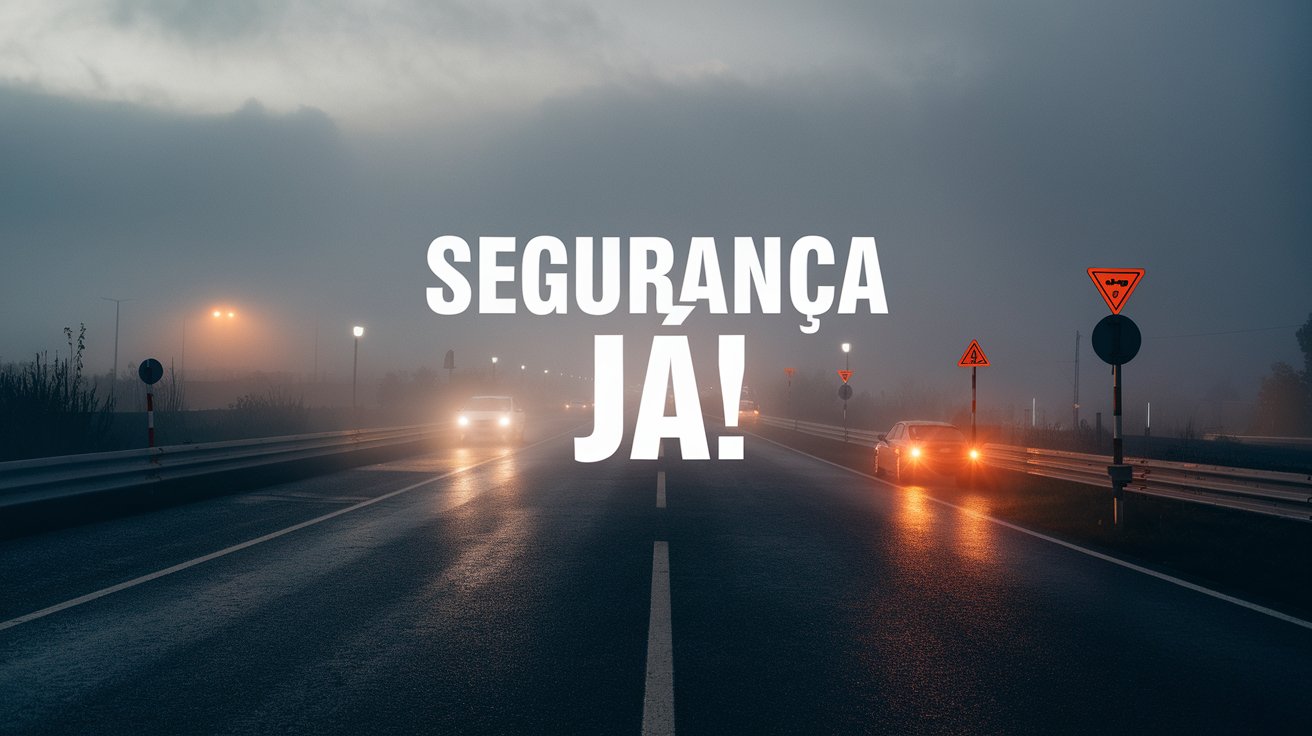
Did You Know That The Headlight Law Is Now In Force In Brazil? Drivers Must Keep Their Low Beams On During The Day On Single Lane Highways. This Measure Promises To Save Lives!
In a country with so many highways and access roads, road safety is a topic that never goes out of style.
In Brazil, authorities have been seeking solutions to improve traffic conditions and reduce the number of accidents.
Among the most recent measures adopted, Law 14.071/2020, popularly known as the Headlight Law, imposes a requirement that directly impacts driver behavior: mandatory use of low beams during the day on specific highways.
-
A woman went out for a regular walk and ended up finding a treasure buried for over 900 years, with more than 2,000 medieval silver coins compared by archaeologists to a lottery prize and considered one of the most significant finds in recent years in the country.

-
The Federal Revenue issues a good alert for Brazilian taxpayers: 60.9% are already using the pre-filled tax return, automatic refunds via Pix reach millions, and the government plans for a fully automated income tax in the coming years.

-
Scientists revealed 11 signs that very intelligent people exhibit in their daily lives, and most people have no idea that some of these common behaviors are directly linked to an above-average brain.

-
With a mild hybrid system of 48 V, 176 hp and a price of R$ 175,990 in the Sahara version, the new Jeep Renegade changes mostly on the inside, improves slightly in fuel consumption, and remains almost the same car.

This rule is already in effect, and it is no longer possible to ignore it.
The main motivation behind the Headlight Law is to increase vehicle visibility on the roads, especially on single lane highways and sections with poor visibility, where accidents are more frequent.
What Is The Headlight Law And What Is Its Importance For Road Safety?
The Law 14.071/2020 was implemented with the aim of improving safety on Brazilian highways.
It establishes that, under certain conditions, the use of low beams during the day is mandatory.
The measure was created to reduce the risk of accidents and increase visibility among drivers, especially in highway sections where visibility is limited by natural factors such as fog, heavy rain, or lack of lighting.
On single lane highways, the rule requires drivers to keep their low beams on during the day.
On the other hand, on dual lane highways, using headlights during the day is optional, meaning it is up to the driver.
However, at night, the use of low beams is mandatory on all types of highways, without exception.
This is a step forward in making roads safer since visibility at night is always more compromised.
The Impact Of The Headlight Law: More Visibility And Fewer Accidents
The main benefit of the Headlight Law is to ensure greater visibility of vehicles, <stronghelping to reduce the risk of collisions and fatal accidents on highways.
When a vehicle’s headlight is on, it becomes visible from a greater distance, which makes it easier to identify the vehicle, especially in adverse weather conditions.
Thus, by requiring the use of headlights during the day on single lane highways, the law aims to reduce the number of frontal and side accidents.
These types of collisions are more frequent when drivers cannot see each other in time, which can easily happen in fog, rain, or even in low-light areas.
The increase in visibility thus helps reduce the number of accidents, allowing drivers to see vehicles earlier and react more safely.
Low Beams During The Day: A Change In Driver Behavior
The implementation of the Headlight Law has brought a change in the behavior of Brazilian drivers.
Many drivers were already used to keeping their headlights on during the day, especially on more dangerous highways, but the new legislation made this a requirement in certain situations.
This change aims to transform the traffic culture in Brazil, promoting a more responsible and aware attitude among drivers.
Additionally, the mandatory use of low beams during the day also contributes to raising awareness among drivers about the importance of being visible on the roads.
The law serves as a constant reminder to drivers that road safety is everyone’s responsibility.
And by ensuring greater visibility between vehicles, the measure can help create a safer environment for drivers, passengers, and pedestrians.
Technology: Vehicles With Daytime Running Lights And The Exemption From The Rule
An important detail of the Headlight Law is that it allows an exception for vehicles equipped with daytime running lights (DRL).
These vehicles are already designed to ensure visibility during the day, without needing low beams on.
As a result, vehicles with DRL are exempt from the requirement to keep their headlights on during the day, as long as they are traveling on highways that allow for this flexibility, such as dual lane highways.
It is worth noting that, even for vehicles with daytime lights, the use of low beams is still mandatory at night, on all highways, regardless of whether they are single or dual lane. This ensures that visibility is maintained, even in areas where lighting is scarce or nonexistent.
How To Keep Headlights In Good Condition?
To ensure that the Headlight Law fulfills its purpose and helps save lives, it is essential that drivers keep their headlights in good working condition.
Dim or misaligned headlights can impair visibility, increasing the risk of accidents, both for the driver and for other drivers.
The recommendation is that drivers carry out regular checks on the vehicle’s lighting system. This includes adjusting the headlight intensity and checking if they are properly aligned.
Misaligned headlights can hinder the vision of those in oncoming vehicles, and are also one of the main causes of traffic fines.
Possible Penalties For Those Who Disregard The Headlight Law
Disregarding the Headlight Law can result in penalties.
Drivers who do not use low beams during the day on single lane highways may be fined and even receive points on their driver’s license.
Additionally, if the infraction occurs at night, the fine will be even harsher, as visibility is even more compromised.
Fines for disobeying the Headlight Law are classified as medium infractions, which means that the driver may be fined amounts that vary according to current legislation, in addition to losing points on their driver’s license record.
The Future Of Road Safety In Brazil: What More Can Be Done?
Although the Headlight Law represents a significant advancement in Brazilian road safety, there is still much to be done to improve highway conditions and ensure the safety of all drivers.
The use of more advanced technologies, such as automatic headlights and collision warning systems, can make roads even safer.
Furthermore, it is important for drivers to be aware of the importance of adopting safe driving practices and for traffic authorities to continue investing in educational campaigns.






-

-

4 pessoas reagiram a isso.