





 Portuguese
  English
  Spanish
  6 min of reading
  2 comments


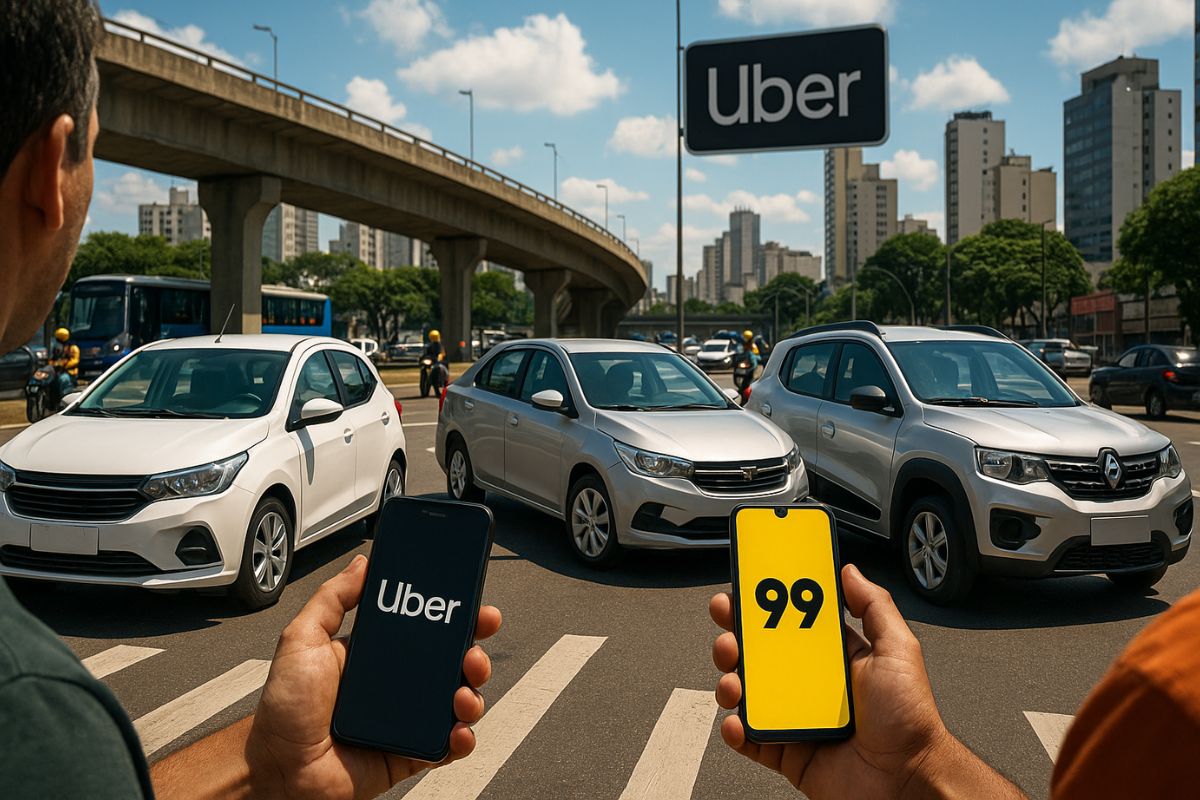


In an increasingly tight market due to pressured rates and rising costs, app drivers have started to treat their cars as financial assets, not as consumption goods, and this is silently changing the profile of the fleet on the streets. The new trend is the preference for popular cars for applications that can deliver more mileage with less expense, combining low consumption, simple maintenance, and good acceptance as cars for Uber and 99, always focusing on profit per kilometer.
In this context, emotional logic gives way to the cold spreadsheet calculation. Rather than looking only at the purchase price, app drivers have started to compare models based on TCO total cost of ownership, a concept that adds fuel, maintenance, insurance, taxes, depreciation, and resale value.
The choice of vehicle is no longer just a matter of taste and becomes a technical decision, where compact sedans, economical hatches, and some specific SUVs compete for space in the garage of those who live off the app.
The Car as an Asset: How App Drivers Have Changed the Selection Criteria
For app drivers, changing cars is not a consumption dream, but an investment decision.
-
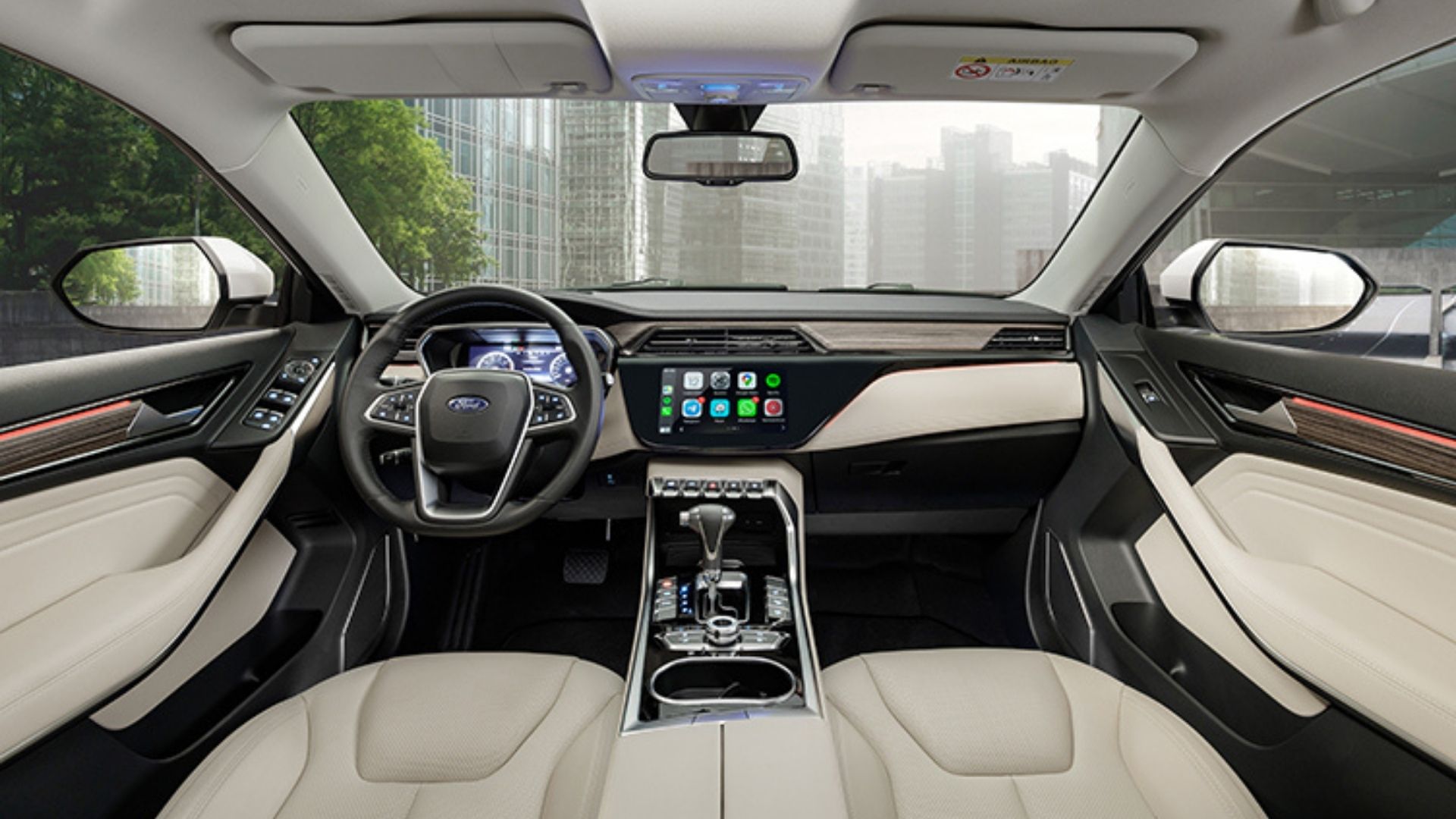
Around R$ 24,000: 4 used Ford SUVs with up to 253 hp, V6 engine, all-wheel drive, 7 airbags, panoramic sunroof, and a complete package that surprises with its price and performance in Brazil.
-
A brand new car starts at around R$ 75,000 in Brazil, but what stands out the most is seeing streets filled with SUVs and expensive sedans in a country where millions remain in debt.

-
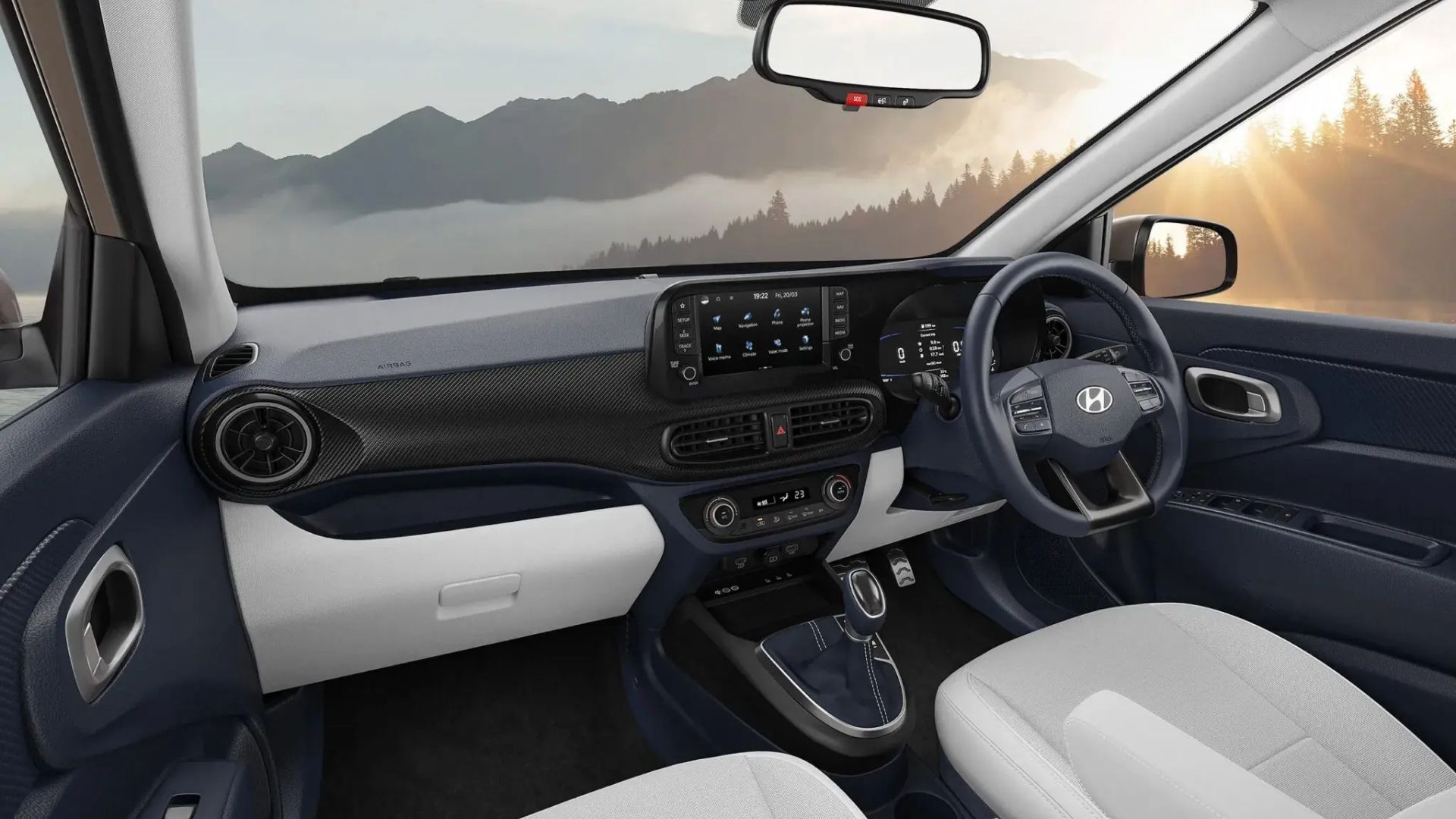
For R$ 32,000, a brand new Hyundai car is a rival to the Kwid with a 1.2 engine producing 82 hp, 6 airbags as standard, multimedia with wireless Android Auto, up to 391 liters in the trunk, and a refreshed look for 2026 in India.
-
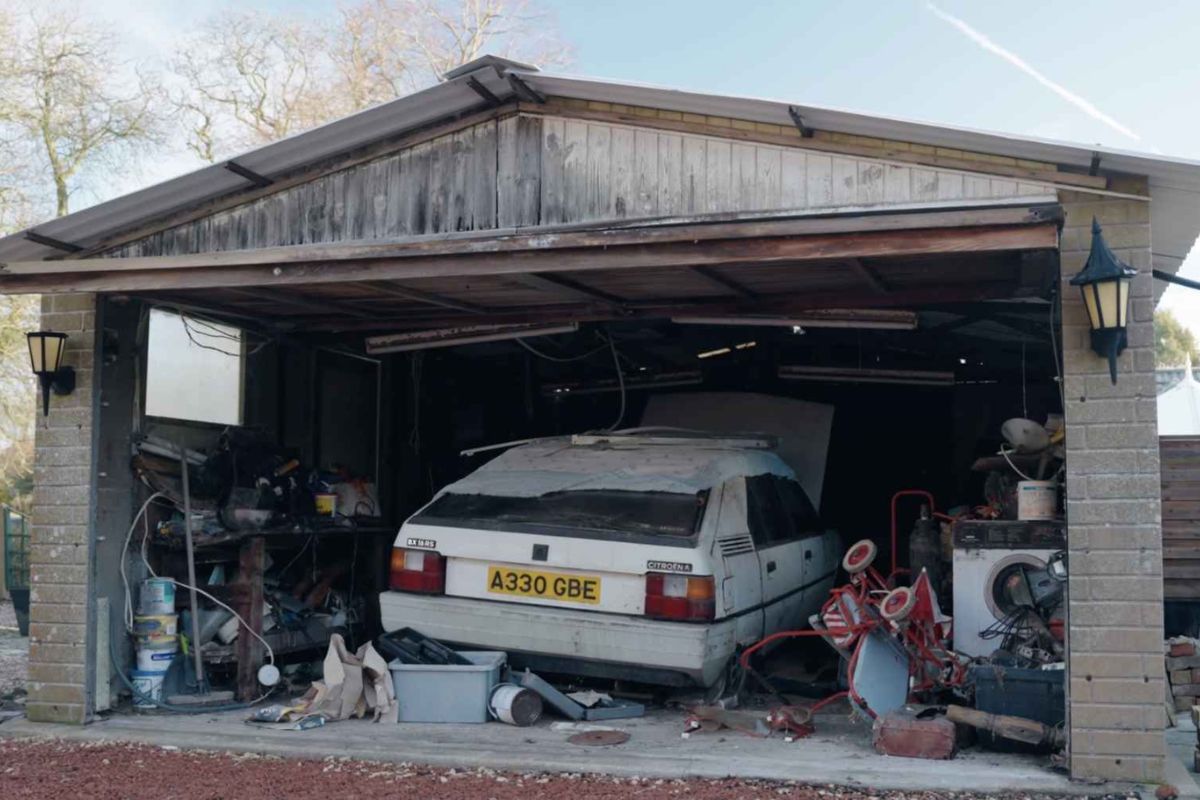
He bought a new car in 1983, locked it in the barn in 1988, and no one opened the door for 38 years until the family discovered what was stored inside and realized it looked like something out of a movie.

The vehicle needs to generate daily income enough to pay for fuel, maintenance, financing, or rental, and still leave a positive margin.
In this logic, popular cars for applications that deliver high mileage with controlled costs become work tools, rather than symbols of personal status.
This is where TCO total cost of ownership comes in. Rather than looking only at how much the car does per liter, app drivers have begun to consider the complete package, adding parts prices, frequency of maintenance, insurance costs, risks of time in the shop, and depreciation over the years.
A car that is cheap to buy but expensive to maintain and hard to resell tends to compromise profit per kilometer, even when it seems economical at the pump.
Popular Cars for Applications: Why Sedans Are Still in Front
In the competition among popular cars for applications, compact sedans continue to lead the interest of many app drivers.
Models like Chevrolet Onix Plus, Hyundai HB20S, and Fiat Cronos bring together three decisive factors for those driving cars for Uber and 99: controlled consumption, spacious trunk, and good interior space for passengers.
This combination allows for airport runs and longer trips, which tend to increase profit per kilometer compared to very short rides.
In addition to this trio, sedans like Renault Logan and the older Fiat Grand Siena remain valued in the used market precisely for their mechanical robustness and the ease of adapting to GNV in some versions.
For app drivers who travel long distances every day, this robustness weighs on the TCO total cost of ownership, as it reduces the risk of unexpected breakdowns and makes it easier to find parts in independent shops, keeping the car on the road for longer and less time in the shop.
Compact Hatches in the Urban Routine of App Drivers
Despite the favoritism of sedans with generous trunks, compact hatches remain relevant among app drivers focused on short routes and dense traffic.
Popular cars for applications such as Chevrolet Onix hatch, Hyundai HB20, and Fiat Argo use the same mechanical base as their equivalent sedans, preserving low consumption and familiar maintenance.
In these cases, the lower acquisition cost helps alleviate the initial investment burden.
For those looking for the cheapest option possible, the Renault Kwid frequently shows up in the calculations of app drivers who are just starting out.
Consumption is low, and the purchase cost is among the lowest for cars for Uber and 99, but there is a clear limit: the internal space and the trunk of about 290 liters restrict the type of rides and may affect passenger ratings, especially on trips with luggage.
In practice, this impacts profit per kilometer, as it reduces the chance of picking up longer and better-paying rides.
SUVs in the Comfort Categories and the Impact on TCO Total Cost of Ownership
The expansion of higher categories, such as Uber Comfort, has created a new frontier of opportunity for app drivers willing to invest more in vehicles.
In this range, cars for Uber and 99 like compact SUVs, such as Nissan Kicks, Hyundai Creta, and Chevrolet Tracker, have become common.
The perceived comfort by passengers and the higher driving position attract better ratings and higher rates per kilometer.
However, the cost jump is significant. SUVs have a higher acquisition price, more expensive tires, heavier insurance, and often higher fuel consumption.
In the TCO total cost of ownership, this requires high mileage and strict financial management for the fare gain to offset the extra expense.
For many app drivers, the math works out only when there is a constant volume of rides in the more expensive categories; otherwise, the risk is just improving the car’s image while worsening the actual profit per kilometer.
GNV, Consumption, and Maintenance: What Really Changes in Profit per Kilometer
In any conversation with app drivers, GNV appears as a recurring option to lower fuel costs.
In scenarios of intense mileage, the savings compared to gasoline can exceed 50 percent, directly affecting profit per kilometer.
For popular cars for applications with traditional aspirated engines, the adaptation tends to be simpler and more predictable.
On the other hand, installing the GNV kit alters the calculation of TCO total cost of ownership.
There is the initial installation cost, the need for specific maintenance, and the partial loss of trunk space, which again affects airport runs and trips with luggage.
In some cases, the adaptation may lead to discussions about factory warranty, especially in direct injection turbo engines, which are more sensitive.
App drivers who travel a lot can depreciate the GNV investment over time, but those with less volume may not see the same gain at the end of the month.
Resale Value and Liquidity as Components of the TCO of Cars for Uber and 99
Another variable that gains importance in the routine of app drivers is resale value.
Cars for Uber and 99 like Onix and HB20, among other bestsellers, tend to depreciate less and have higher liquidity in the used market.
This allows for periodic exchange planning to keep up with the year and model limits required by platforms, without significant capital losses.
Within the TCO total cost of ownership, liquidity is a component often overlooked in hasty decisions.
Popular cars for applications with a good resale history allow the driver to recover a significant portion of the investment when deciding to move to a newer or more efficient model, preserving the balance of profit per kilometer over the years.
On the other hand, vehicles with low demand can force professionals to accept values far below expectations, compromising the overall strategy results.
How App Drivers Can Plan Their Next Car with a Focus on Data
In the end, the “new trend” is not just the choice of a specific sedan or hatch, but the change in mentality among app drivers.
Instead of deciding on the prettiest car or based on third-party comments, the trend is to compare popular cars for applications based on TCO total cost of ownership and the direct impact on profit per kilometer, evaluating each expense component over the vehicle’s lifetime.
Simple spreadsheets that sum installments, fuel, maintenance, insurance, IPVA, GNV, and resale value are already part of the routine of many professionals.
For those who live off cars for Uber and 99, this long-term view is what differentiates those who merely keep driving from those who turn the app into a sustainable business.
In light of this, the question that arises is straightforward: when thinking about the next car, do you consider TCO and profit per kilometer as the main decision criteria, or do you still choose your work vehicle more by impulse than by numbers?










São motorista **** que aceitam qualquer corrida, incapazes de perceber que o app é o algoritmo que trabalha de acordo com os próprios motoristas, fato é o movimento de chama dinâmico, que acontece por os motoristas não a estarem as corridas que a Uber manda fazendo com que automaticamente os preço subam para ser atrativo e atender a demanda…tem motoristas que nem sabem o preço das corridas que aceitam ou seus destinos. São iludidos com missões e ao final do mês não conseguem nem trocar o óleo do carro… lamentável!
Verdade…essas promoções que as plataformas dão principalmente a Uber é chamado por muitos de promoção picolé… são promoções ridículas que fazem muitos motoristas sem visão ficar pegando qualquer viagem sem critério de km e tempo, eles pensam em valer várias viagens para ganharem praticamente 1 real a mais por essas viagens e fazer a plataforma mandar valores como 5,50 … assim ele faz mais viagens e dependendo como for não tem tempo nem de entrar em outra plataforma…. esse tipo de motoristas atrapalham e d+ os outros em função desses algarismos…hoje em dia precisamos não só ver a km mas sim tb o tempo total da viagem, tanto para buscar quanto para levar pq as plataformas não contam a buscas e as vezes pra buscarbe mais longe e mais demorado do que para levar… hoje em cidades como SP o trânsito atrapalha d+ e hoje o motorista precisa ficar bem esperto com isso…. exemplo uma viagem de 30km esta pagando 75 reais parece boa né? Só que o tempo só para fazer a viagem, sem contar o tempo que vc gasta para buscar o passageiro esta em 140 min…. ou seja essa viagem é muito ruim… em SP isso acontece direto.