





 Portuguese
  English
  Spanish
  5 min of reading
  0 comments


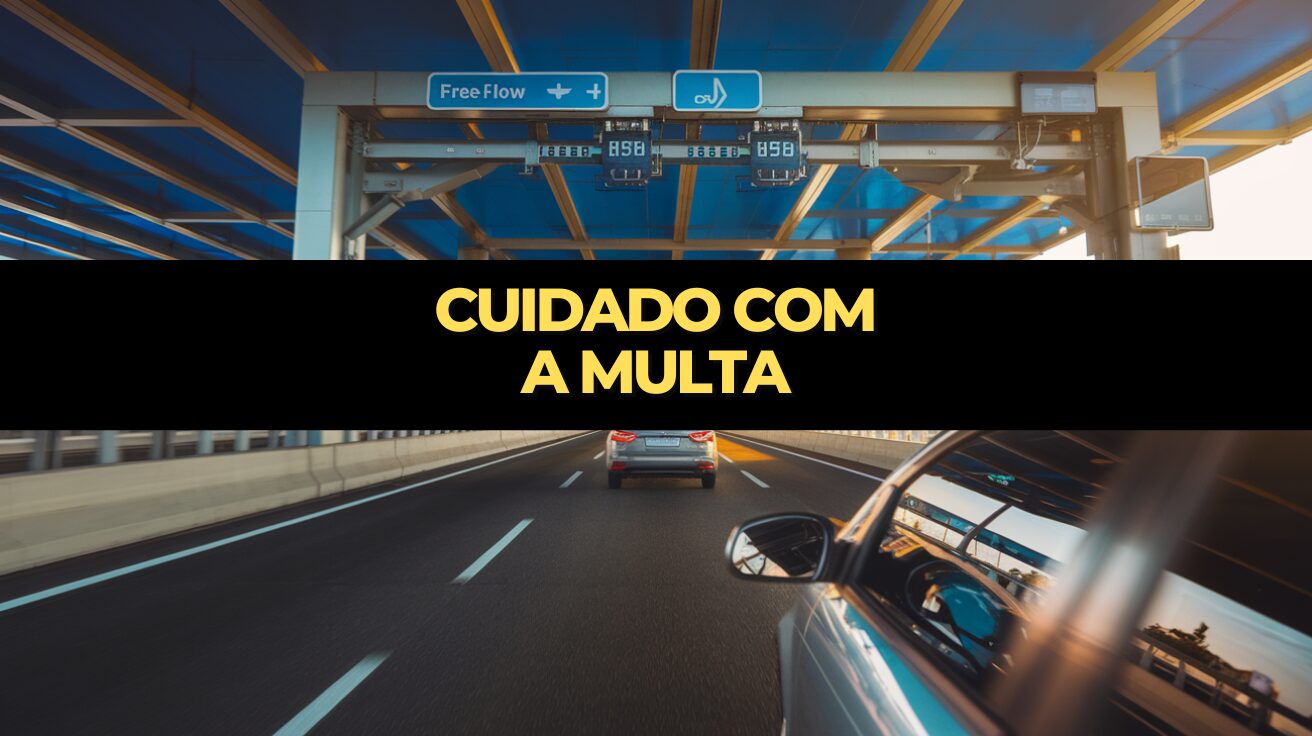
Technology And Increasingly Strict Laws Are Changing Driver Behavior In Belo Horizonte. Drones, Extremely High Fines And New Infractions Are Transforming How Traffic Is Monitored. Understand What Is Happening On The Streets Of The City.
The implementation of new traffic legislation in Belo Horizonte is generating a real “shock” between drivers and authorities, especially due to the severe penalties that are now part of the circulation rules in the city.
Fines of up to R$ 1,467.35 and the loss of 7 points on the driver’s license have been applied for serious infractions, leading drivers to rethink their behavior on the roads.
These new guidelines are part of a broader effort by the government of Minas Gerais to increase safety on the streets and reduce the number of infractions that compromise the integrity of drivers and pedestrians.
-
“No one will make us change the Pix,” says Lula after the US report.

-
Less than a Tera TSI, up to 710 km of range and charging in 9 minutes: the new BYD Song Ultra expands the Chinese brand’s bet on increasingly faster, more technological, and competitively priced electric SUVs.

-
Lula responds directly to Trump and says that Pix is from Brazil and will not change under pressure from anyone, after a report from the United States pointed out the Brazilian payment system as an American trade barrier.

-
Amazon has just announced a new fee on all deliveries, and your online purchases will become more expensive starting April 17, including for those buying from the United States here in Brazil.


The main goal of the government is to curb infractions such as overtaking in prohibited areas, a behavior that often leads to serious accidents.
With the recent update in legislation, drivers need to adapt to a stricter monitoring system, using innovative technologies such as drones.
These changes are raising the level of control over traffic, aiming to ensure greater safety on the roads. In addition, monitoring becomes more efficient, helping to identify infractions that previously went unnoticed.
The Role Of Technology In Traffic Monitoring
One of the most notable innovations is the use of drones by the Federal Highway Police (PRF), a technology that is already revolutionizing how traffic violations are detected.
These devices allow remote monitoring of highways, which increases the safety of agents and reduces the need for direct approaches in high-risk areas.
Equipped with high-definition cameras, the drones can capture a series of violations without the immediate intervention of traffic agents.
Among the most common infractions recorded by drones are the use of cell phones while driving, not wearing a seat belt, and, of course, overtaking in prohibited areas.
Furthermore, the technology allows offending drivers to be penalized from a distance, which not only speeds up the monitoring process but also reduces the risk of direct confrontations between drivers and authorities, which can end in dangerous situations.
Drones: The Most Frequently Captured Infractions
The use of drones has been particularly effective in identifying specific infractions that often jeopardize safety on the roads.
Among the most common infractions detected by these aircraft are:
- Overtaking in prohibited areas: Overtaking in inappropriate places is one of the most frequent infractions, and drones are able to capture them accurately even from long distances.
- Use of cell phones while driving: Despite awareness campaigns, the use of cell phones while driving continues to be one of the main causes of accidents, and drones can easily identify this behavior.
- Not wearing a seat belt: A simple infraction, but one that can be fatal in the event of an accident. Remote monitoring facilitates the identification of these cases.
- Inappropriate circulation of trucks in the left lane: This behavior, which obstructs traffic and increases the chances of accidents, is also closely monitored by drones.
Expansion Of Drones In Traffic Monitoring
With the success of drone implementation in Minas Gerais, the Federal Highway Police is already considering the expansion of this technology to other regions of Brazil.
The use of drones has shown positive results in detecting infractions, with an increase in monitoring efficiency and a reduction in serious infractions.
The expansion of drone usage requires specialized training for PRF agents, in addition to equipment certification by the National Civil Aviation Agency (ANAC).
These requirements are fundamental to ensure that drones operate within safety and effectiveness standards, while also complying with national legislation.
Despite all the potential of this technology, some challenges still need to be overcome, such as the need for financial resources to purchase equipment and expand support infrastructure.
But if the project expands successfully, the presence of drones in the daily lives of drivers will become increasingly common, creating a scenario of stricter and more effective monitoring.
Challenges Of The New Traffic Legislation
Although many support the changes as a necessary way to increase safety on the roads, there are those who criticize the severity of the new penalties.
The imposition of high fines and the loss of points on the driver’s license are seen by some drivers as excessive measures.
The lack of clarity regarding the infractions that result in such heavy penalties has also generated doubts.
Moreover, the use of drones for monitoring raises questions about privacy and the impact of digital surveillance on citizen freedom.
The adaptability of drivers to these new forms of control will be crucial for the success of the measures. Many still need to understand how to avoid infractions so as not to be caught by the drones, which could create a more tense environment on public roads.
While some question the effectiveness and transparency of the new rules, others argue that these measures are necessary to reduce traffic violence and save lives.
The increase in penalties and the introduction of new monitoring technologies are important steps towards making streets and highways safer.
What To Expect From The Future Of Traffic Monitoring?
The introduction of drones and the new legislation represent just the beginning of a larger movement to modernize traffic monitoring in Brazil.
If positive results continue, the use of this technology could be adopted in various parts of the country, bringing a new level of safety and efficiency to Brazilian traffic.
Now, the question remains: will the increase in monitoring and severe penalties really be enough to change driver behavior? What do you think about the use of drones to monitor the roads? Comment below and share your opinion!







-

Uma pessoa reagiu a isso.