





 Português
  Inglês
  Espanhol
  4 min de leitura
  1 comentário


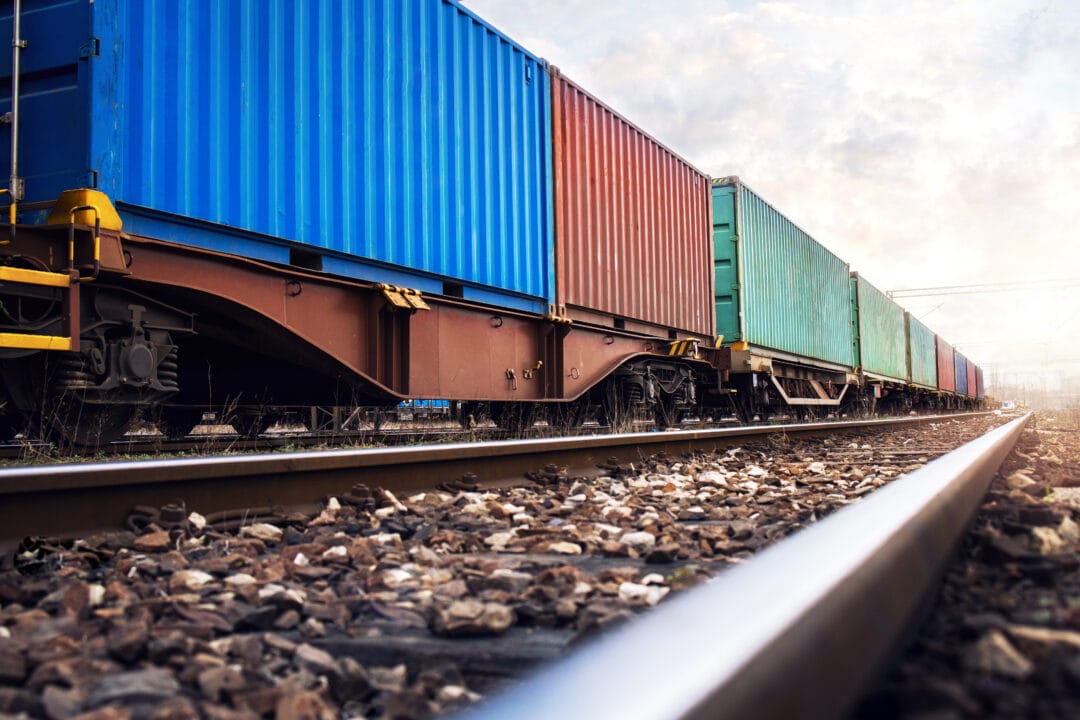

Rail Cargo Movement Record in 2023 Highlights Sustainable Progress and Modernization of the Sector in Brazil.
Rail cargo movement reached its highest level in five years in 2023, with a total of 530.6 million tons of cargo transported by trains. These figures were released in the report from the National Association of Rail Transporters (ANTF), highlighting a promising outlook for the sector.
Rail transportation in Brazil recorded significant growth of 5% in 2023, reaching its highest level since 2018.
This increase in rail activity is a positive indicator of the sector’s strengthening, which plays a fundamental role in the transportation of commodities, industrial products, and essential inputs for various production chains. In addition, the growth of rail transportation contributes to the reduction of greenhouse gas emissions, as trains are a more sustainable option compared to road transport. Continue reading to learn more!
-
São Paulo surprises the world with a colossal railway network project that promises over 1,000 km of tracks, R$ 194 billion in investments, and 40 projects connecting the capital to the interior with fast and sustainable trains.
-
The world’s largest escalator, measuring 905 meters in China, reduces urban travel time from 1 hour to about 20 minutes and transforms mobility in mountainous regions with an engineering solution adapted to the terrain.
-
A R$ 300 million logistics giant is taking shape in Serra with over 100,000 m² and raises a question: how can this transform e-commerce and distribution in the state?
-
Could Uber Rides Lose Minimum Fare? Understand What’s Happening!


Monitor the Increase in Rail Cargo Volume
According to the ANTF, this volume represents the third highest recorded in the historical series, trailing only behind the record of 569.4 million tons in 2018 and 538.3 million in 2017. The report also highlights that from 2006 to 2023, there was a 64% increase in the volume of cargo transported by railways in Brazil.
This increase in cargo movement by railways is also aligned with the Brazilian government’s efforts to promote the modernization and expansion of the country’s transport infrastructure. Investments in railways have been prioritized as part of public policies aimed at economic development and regional integration.
When analyzing the data without considering iron ore shipments, the performance stands out even more. Last year, the rail transportation of general cargo, which includes agricultural products, fuels, containers, and other goods, totaled 148.6 million tons. This was the highest volume recorded for this category since 2005, when 149.6 million tons were transported.
The Civil House attributes this growth to the recovery of the economy and increased partnerships with the private sector. The combination of public and private investments has enabled significant improvements in the country’s railway network.
Among the main achievements highlighted by the government are the resumption of investments in the West-East Integration Railway (Fiol) 1 and the intensification of works on the Center-West Integration Railway (Fico). Additionally, the new Growth Acceleration Program (PAC) envisions over R$ 94 billion in public and private investments in rail transportation by 2026.
Energy Efficiency and Resilience: Advances in the Railway Sector
One of the most highlighted aspects in the report is the increase in energy efficiency that accompanies the growth in the volumes transported by railways over the past two decades.
According to the data presented by the association, between 2006 and 2023, there was an impressive increase of 64% in the volume of rail cargo. At the same time, the amount of diesel used per thousand TKUs (ton-kilometer useful) decreased from 4.9 liters to 3.33 liters, representing a drop of 26%. Furthermore, the number of accidents recorded a significant reduction.
Davi Barreto, executive director of the ANTF, emphasized that the 2023 balance numbers reveal not only the recovery of the rail cargo sector after the impacts of the pandemic but also its potential for expansion and resilience.
“The strength of the transport of iron ore and agricultural bulk has once again become evident, along with the fundamental role of sugar and pig iron transport in the movement of general cargo. This positive and consistent result, combined with the significant reduction in the number of accidents and increasing operational energy efficiency, strengthens our optimism regarding the performance of Brazilian railways in 2024”, stated the director.
As rail cargo transport reaches its highest level in years, opportunities arise to further boost this vital sector for the Brazilian economy. The expansion of the railway network, the modernization of existing infrastructures, and the encouragement of intermodality are measures that can enhance the efficiency and competitiveness of cargo transport in Brazil, contributing to a more sustainable and balanced development of the country.
The government also emphasizes the improvement of contracts with railway concessionaires and the development of incentive policies for the return of idle segments, aiming to increase the efficiency of the railway network in the coming years. Public-private partnerships will be essential to free up budgetary resources for other important works, such as the Pernambuco segment of the Transnordestina and the continuation of Fiol 2 in Bahia.
Curiosity: Do You Know What Rail Transport Means?
- locomotive: pulls and provides power for the entire structure;
- shunting locomotive: pulls trains into rail yards;
- passenger vehicles: trains and subways;
- freight trains: store products according to transportation management needs.









O Governo federal poderia transportar muito mais produtos do agronegócio se autorizasse a MRS a construção do maior Jamal de exportação de café, ligando o Porto Seco de Varginha, obra que seria construída pela própria MRS, até a cidade de Andrelândia onde encontraria com a Ferrovia do Aço, podendo também nesse mesmo pátio, um mondal de transbordo com a Ferrovia VLi, transportando assim toda a produção de café e outros cereais, do cerrado mineiro e do Sul de Minas, tendo Porto de Sepetiba com um principal via de exportação.