






 Portuguese
  Spanish
  3 min of reading



The Government Project Aims to Enable Public-Private Partnerships in the Infrastructure Sector and Investment in the Area Reaches the Billion Mark
The 2024 Budget project submitted by the government to Congress includes a specific action aimed at future federal investments in highway and railway concessions. This move aims to enable federal public-private partnerships (PPPs) in the infrastructure sector. The Ministry of Planning allocated R$ 1.84 billion for this initiative, which was well received by the Ministry of Transport, according to CNN.
This budgetary action for infrastructure represents a similar approach to an “informal” PPP, which combines resources from public and private sources in a single project. For highway concessions, R$ 1.29 billion in investments have been reserved, while for railways, R$ 645 million in investments. Additionally, the possibility of issuing a decree to provide greater security for this format is being evaluated.
Decree to Secure Investments
The government is discussing the issuance of a decree to ensure that the financial commitments of the public power in concession contracts for infrastructure are provided for in the budget law each year. This would serve as a guarantee that private partners will receive the due public contributions. This measure aims to give private initiative the assurance that the funds will be available, given that the new fiscal framework guarantees a minimum level of investments for the next year, totaling R$ 68.5 billion.
-
Railway returns to prominence in Brazil after STF approval: a R$ 25.2 billion project promises to save R$ 9 billion in freight, transport 50 million tons per year, and transform Sinop into a logistics powerhouse for agribusiness.

-
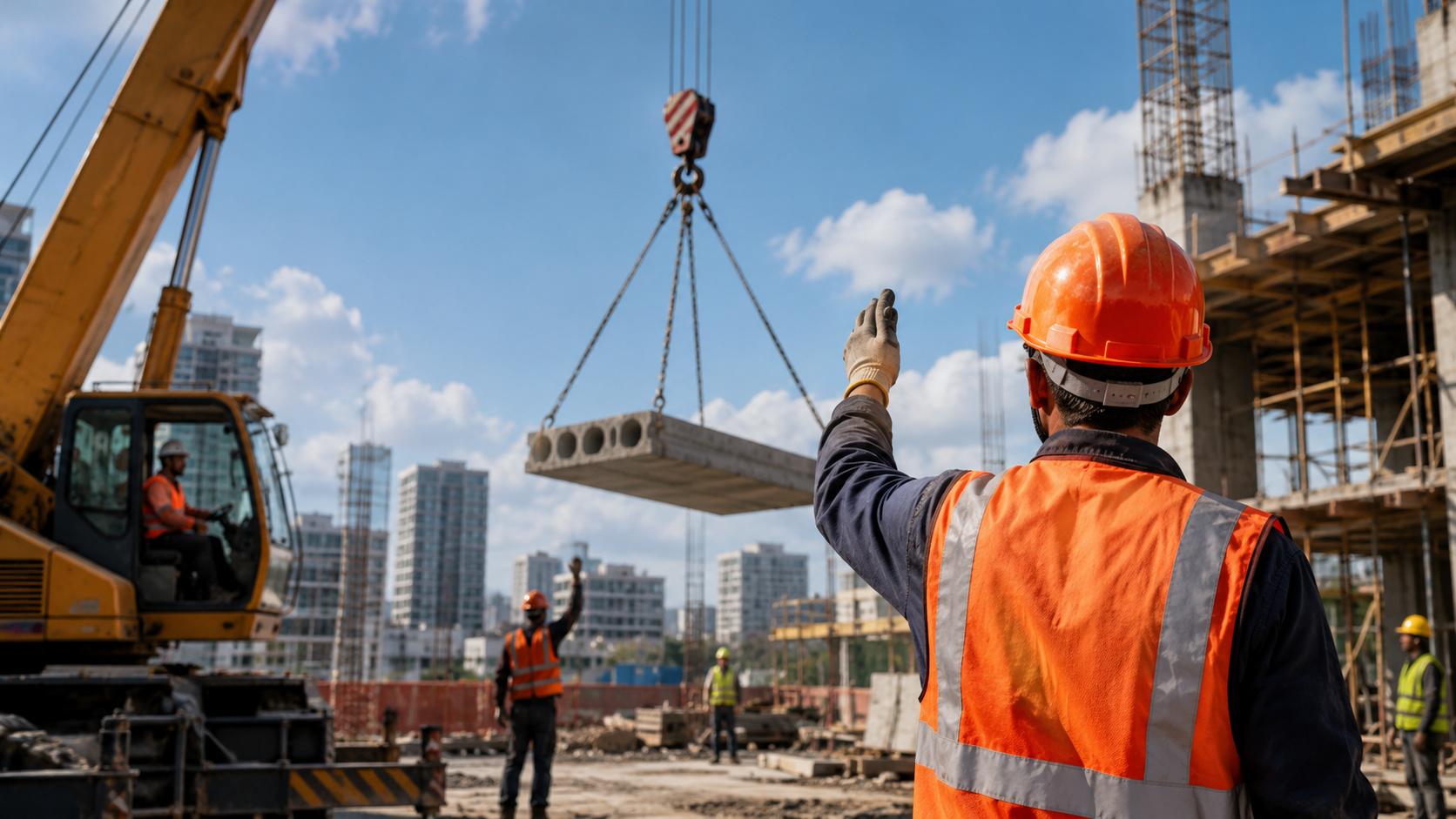
Why can the crane operator only obey the correct signalman on the construction site: among dozens of workers, a hand raised by the wrong person can confuse the maneuver and turn a load of tons into an immediate risk.

-
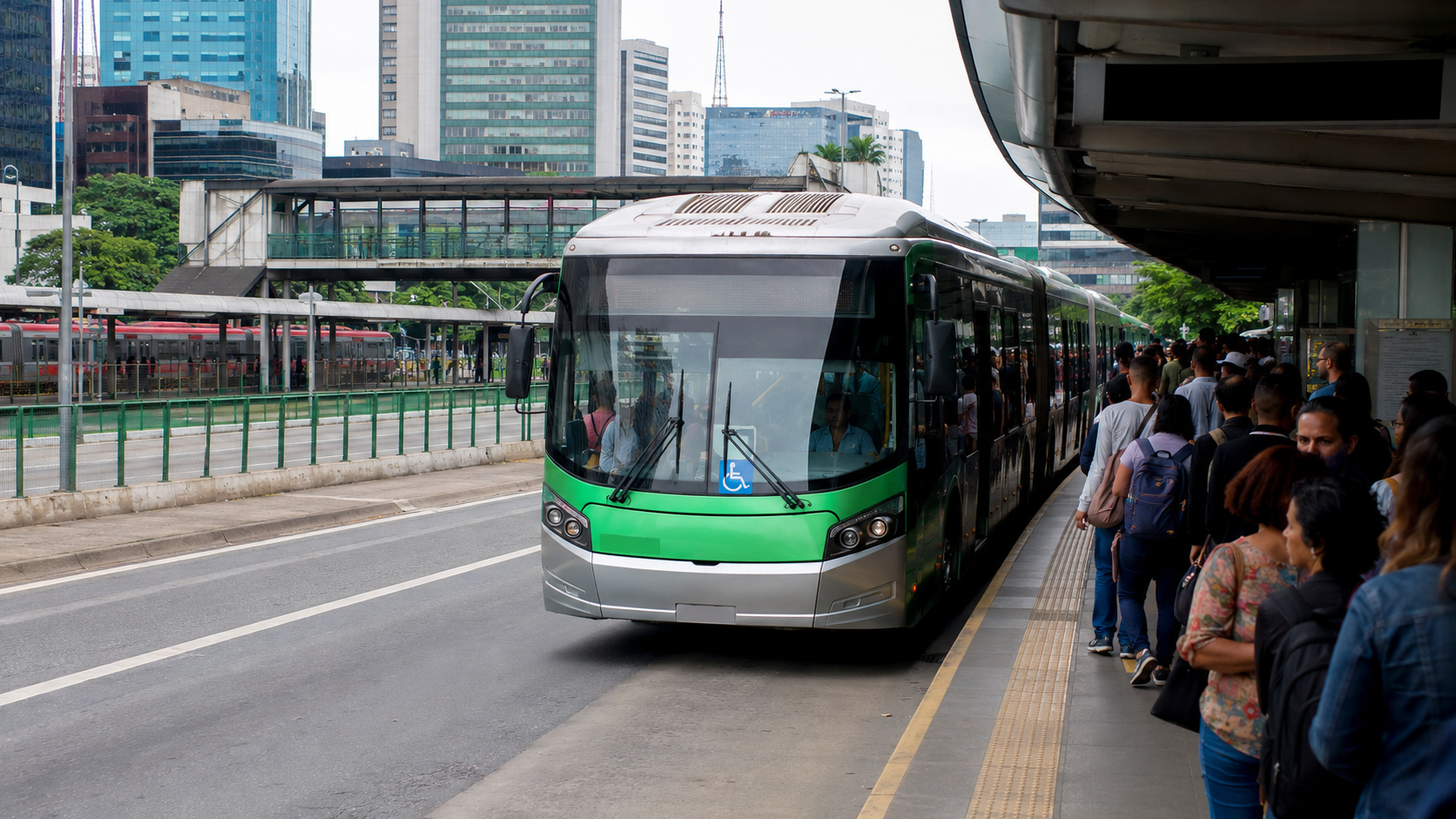
What changes with the new public transportation rules that can reduce pressure on fares and pave the way for zero fare in Brazil?
-
Driver who “holds” the left lane can receive a hefty fine and 4 points on their driver’s license even if they think they are going at the correct speed for the road.


Representatives of financial institutions that frequently finance infrastructure projects have shown interest and confidence in this format. The combination of public and private resources becomes more attractive to investors, contributing to the effective execution of infrastructure projects.
PPPs Needed Due to Scarce Assets for Infrastructure
The growing scarcity of federal assets, such as highways, that can be granted without financial assistance from the public power, has made federal PPPs more urgent. In some regions, it is not possible to grant highways with common toll tariffs due to the high cost, while in other cases, engineering challenges require public support.
The government believes that upfront contributions at the beginning of projects, in the first two or three years, are the most advantageous option, especially during the critical investment phase. This helps strengthen the concessionaire against economic fluctuations.
In the past, the government tried to implement federal PPPs, including guarantee funds such as the Public-Private Partnership Guarantee Fund (FGP) and the Infrastructure Guarantee Fund (FGIE). However, these attempts at government investments did not achieve significant success. Now, with the new fiscal framework and greater interest from the private sector, the government seeks to revitalize the approach to federal PPPs to boost infrastructure development in the country.


Be the first to react!