





 Portuguese
  English
  Spanish
  2 min of reading
  0 comments


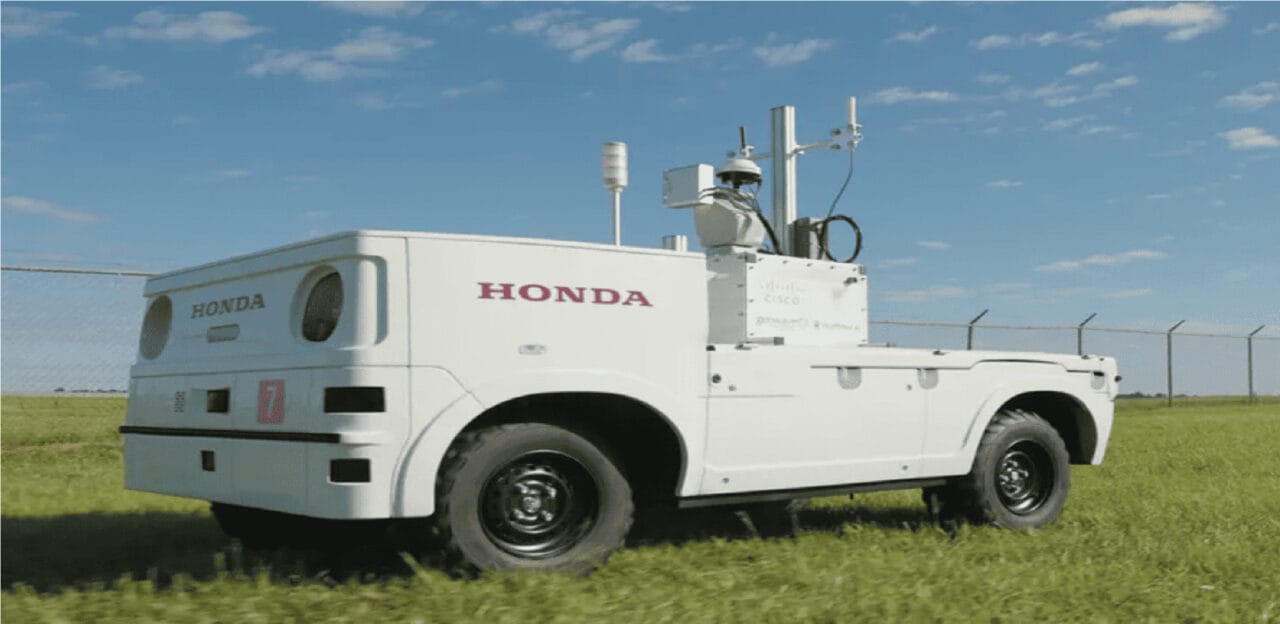
Expanding Your Business Beyond Vehicles, Honda Innovates with Technology That Promises to Revolutionize Daily Life at Airports
Honda, known for its automotive innovations, expands its technological reach to airports with the development of a multifunctional robot. This robot is not just an automated machine, but an example of how technology can solve challenges in various sectors. Introduced as a concept in 2018, the technology is now ready to take action, according to the Olhar Digital website.
The Honda robot is designed to be versatile and solve common problems at airports. One of the tasks it can perform is inspecting perimeter fences for potential security breaches. This task, which would typically require hours of manual patrolling, can now be carried out efficiently and accurately by the robot. This not only saves time but also enhances security at the airport.
Additionally, the robot’s technology can transport significant loads across the tarmac, making the handling of goods much easier and more efficient. In many airports, cargo transportation is a labor-intensive task that requires significant workforce. The Honda robot can help reduce labor shortages at airports, making the process more effective.
-
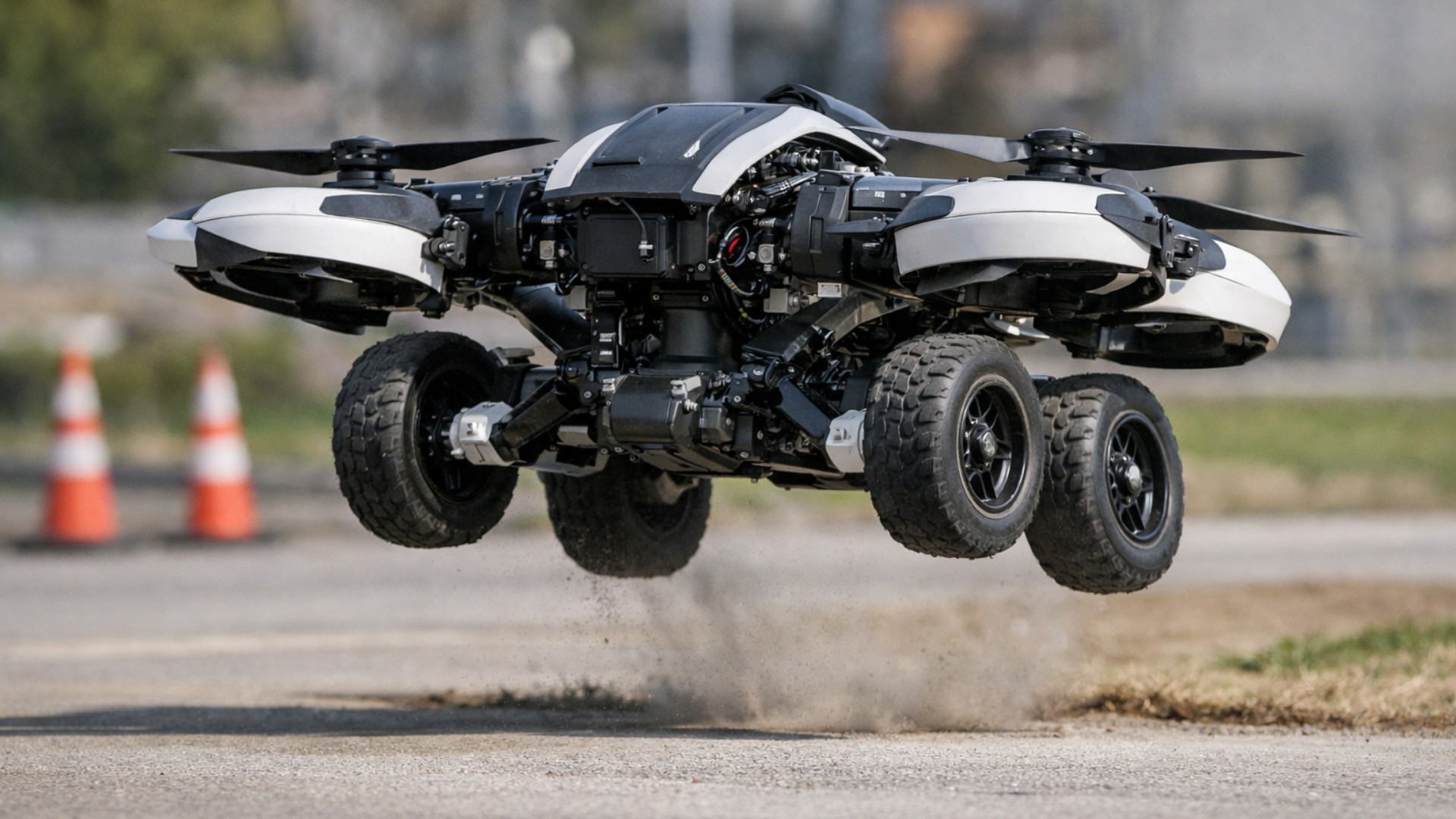
Researchers in the U.S. have created a flying robot that transforms into a land vehicle while still in the air. The technology, based on aerodynamic transition, converts landing into a scene worthy of Transformers and redefines mobility between sky and ground.
-
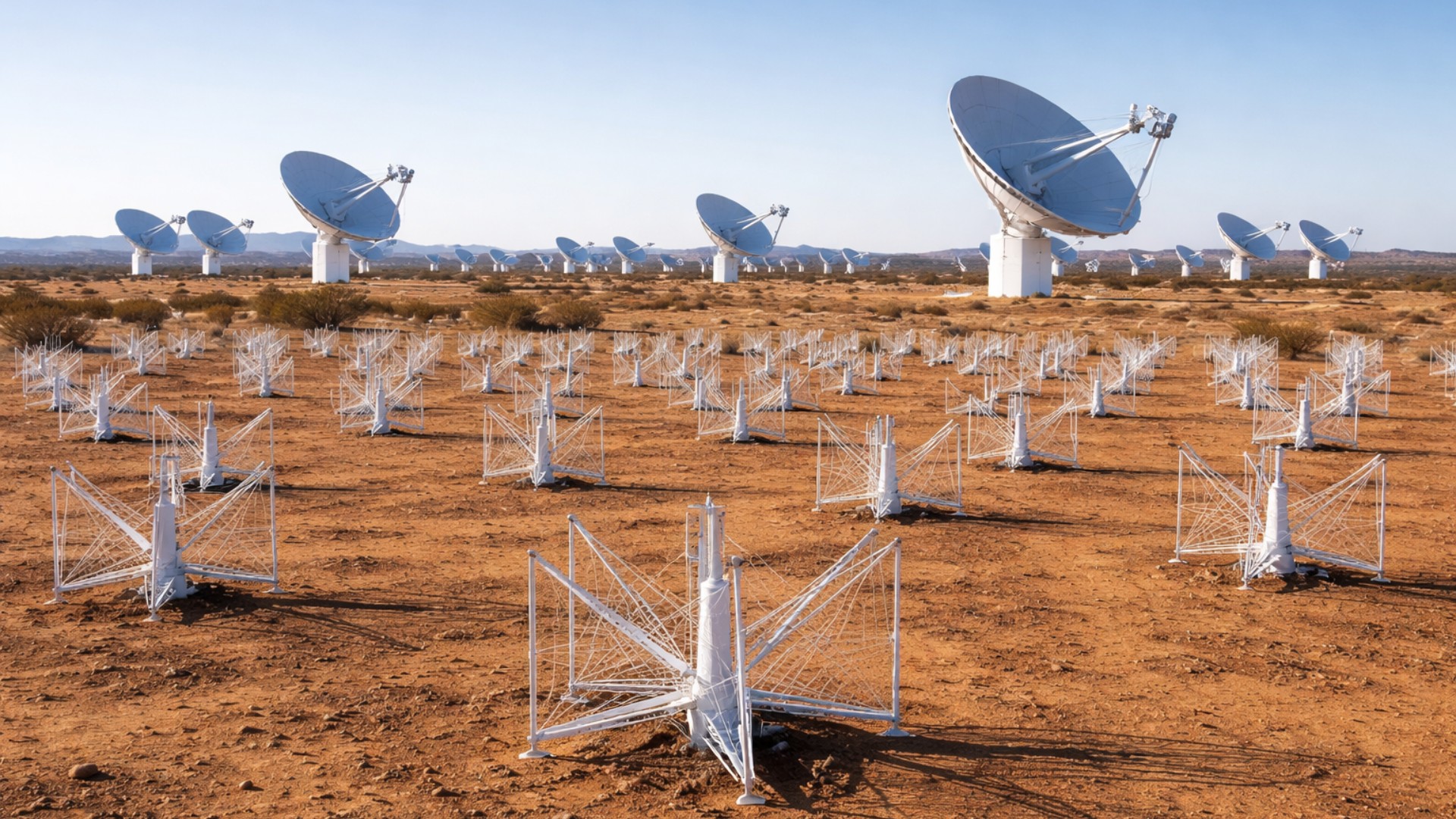
Spread across two continents, with 197 parabolic antennas in South Africa, 131,000 2-meter antennas in Australia, and a range of up to 150 km, the SKA begins to “listen” to the Universe on an unprecedented scale and accelerates the search for black holes, primitive galaxies, and nearly invisible radio signals.
-
Goodbye batteries: a new sensor created by Japanese scientists uses sweat as an energy source and points to a promising path for more sustainable devices, with greater autonomy and less need for frequent recharging.

-
The Brazilian Army inaugurated the assembly line for the Guaicurus armored vehicle with a contract for 420 units by 2033, and the same vehicle has already been tested in combat in Afghanistan and Lebanon by European armies.


The Future of Technology at Airports
Although Honda’s robot technology is initially being tested for fence inspections, its potential is much greater. With its fully electric structure, radar obstacle detection, GPS location, and artificial intelligence learning capabilities, it can perform a variety of tasks.
In the future, we can expect these robots to be employed not only for security inspections but also for cargo transport and maintenance of airport facilities. Imagine robots handling luggage transport, towing baggage carts, and even dealing with cleaning and debris removal on airport runways.
Vast Experience in the Robotic Market
Honda already has a solid track record in the world of robotics, as demonstrated by its beloved Asimo robot, which delighted the world before being retired in 2018. Honda’s presence at CES 2018, where it showcased a quartet of new robot concepts, highlights its commitment to innovation and the application of technology in various fields, from off-road autonomous vehicles to mobility solutions. Honda’s futuristic vision is becoming a reality, bringing greater efficiency and innovation to airports and beyond.
The Honda robot at Pearson Airport in Toronto is just the beginning. This technology is expected to spread to airports worldwide, redefining how challenging tasks are carried out and promoting efficiency and safety in one of the busiest sectors in the world. Honda, with its heritage of innovation, is once again leading the way toward a more technological and efficient future.






Seja o primeiro a reagir!