





 Portuguese
  English
  Spanish
  3 min of reading
  0 comments


Brazil Debates Operational Changes in LPG While Experts, Distributors, and Consumers Point Out Immediate Risks to Safety and Supply
The debate over the new rules for LPG gained momentum in June 2025, as the ANP analyzed structural changes and thus reignited historical concerns in the sector. Furthermore, Sindigás formalized technical questions that broadened the public discussion, especially since the product is present in 91% of households, according to data released by the organization in 2025. Thus, the proposal placed security, traceability, and the quality of the cylinders at the center of the agenda.
ANP Proposal Alters Current Model and Intensifies Debate on Responsibilities and Inspection
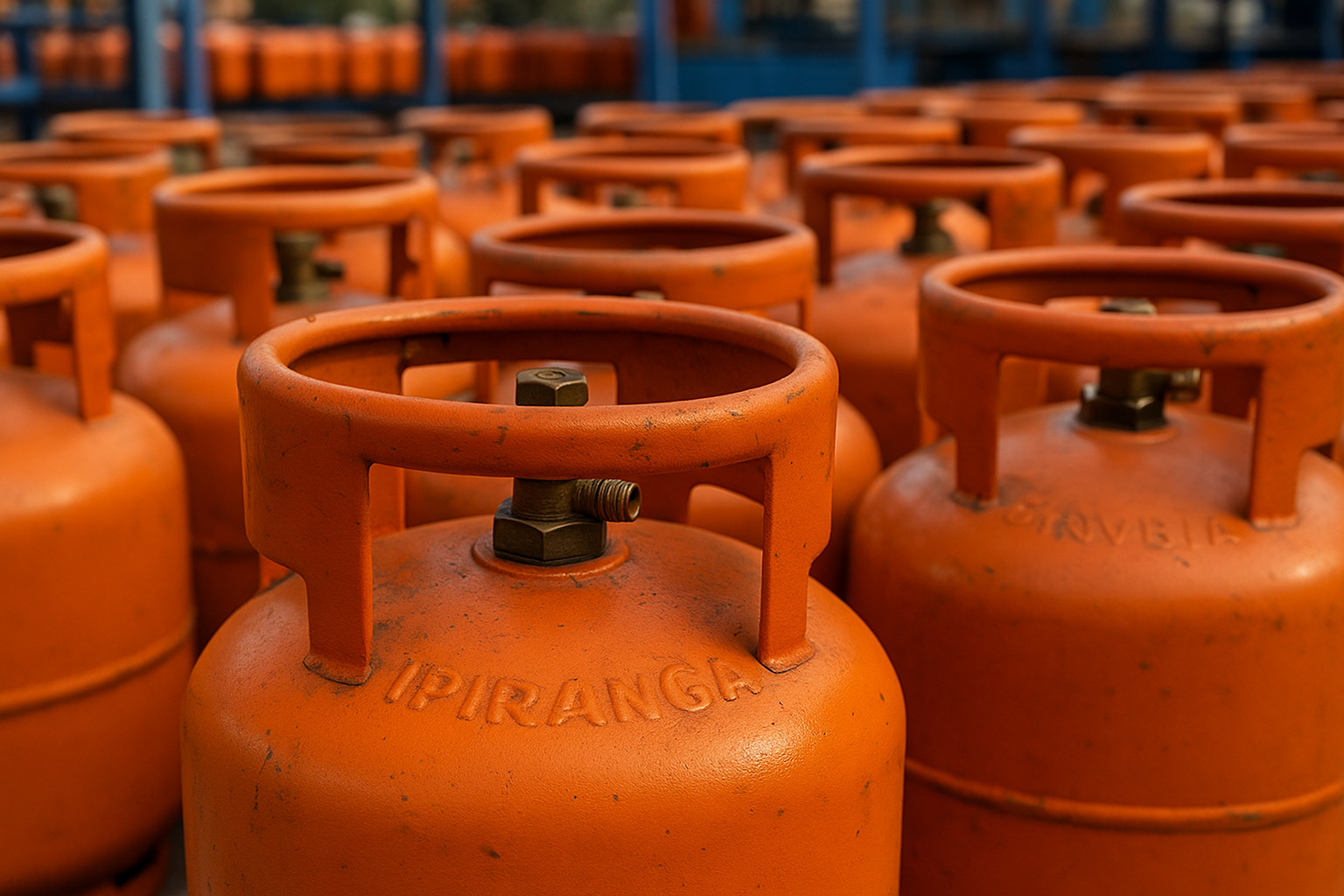
The Regulatory Impact Analysis, studied by the ANP in 2025, suggested allowing any distributor to fill containers of other brands. Moreover, the text examined the possibility of fractional filling in small installations, including urban ones, which would thus require the creation of a national tracking system. However, experts claim that the measure would create space for fraud, accidents, and loss of operational control. Therefore, the president of Sindigás, Sergio Bandeira de Mello, emphasized in 2025 that “the economic and social impacts have been underestimated”.
National Research Shows Massive Rejection of Proposed Changes
A survey by the Locomotiva Institute, conducted in June 2025, reinforced popular rejection. Therefore, according to the survey, 93% of respondents expressed fear of buying gas without a recognized brand. Additionally, 97% considered the visible brand on the cylinder essential, while 94% supported embossing and 83% backed the current rule that limits filling to the brand owner. Therefore, the institute’s president, Renato Meirelles, stated that “a cylinder without proper maintenance puts lives at risk and makes it difficult to identify responsibilities”.
-
A major turn in the Justice system suspends tax increases and directly impacts oil and gas companies in Brazil by affecting costs, contracts, and financial planning, leaving uncertain what could happen to the sector if these costs had increased.

-
Brava Energia begins drilling in Papa-Terra and Atlanta and could change the game by reducing costs in oil while increasing production and strengthening competitiveness in the offshore market.

-
Petrobras surprises the world again by announcing a new discovery in the pre-salt with excellent quality oil.

-
Offshore industrial demand in Macaé skyrockets with the recovery of oil and gas and could grow by up to 396% by 2026 in the Campos Basin.

Experts Point Out Risk of Setbacks and Cite International Examples
The sector highlighted, in opinions from 2025, that fractional filling could facilitate adulteration and diversions. Additionally, representatives mentioned that Mexico and Paraguay face recurring fraud and cylinders that are overdue for recertification. Thus, industry leaders assert that more flexible rules create openings for negligence and crime. Therefore, Sergio Bandeira de Mello also warned that operations in urban areas would be unsafe, since LPG requires robust industrial infrastructure. Moreover, he mentioned Operation Hidden Carbon, conducted in 2024, as an example of the risks already present in the fuel sector.
Gas For The People Program Advances While Distributors Alert to Legal Uncertainty
In 2025, the Federal Government began the accreditation of vendors through the Caixa Econômica Federal and released regional prices for the Gas For The People program, which will serve over 15 million families from the CadÚnico. However, Sindigás stated that the ANP’s proposal could compromise the program’s safety. Therefore, Sergio Bandeira de Mello emphasized in 2025 that “the brand on the cylinder means direct responsibility and ensures operational safety”. Moreover, he questioned who would bear the investment in the replacement and maintenance of the cylinders.
Impacts and Challenges Concern Distributors, Consumers, and Public Agents
Distributors assert that hasty changes could raise costs, reduce trust, and compromise continuous supply. Additionally, experts assessed that the sector lacks sufficient oversight structure for the new model. Thus, they warn that the country delivers 13 cylinders per second, according to data cited by the sector in 2025, and that any change requires rigorous planning and safe transition.









Seja o primeiro a reagir!