





 Portuguese
  English
  Spanish
  3 min of reading
  0 comments


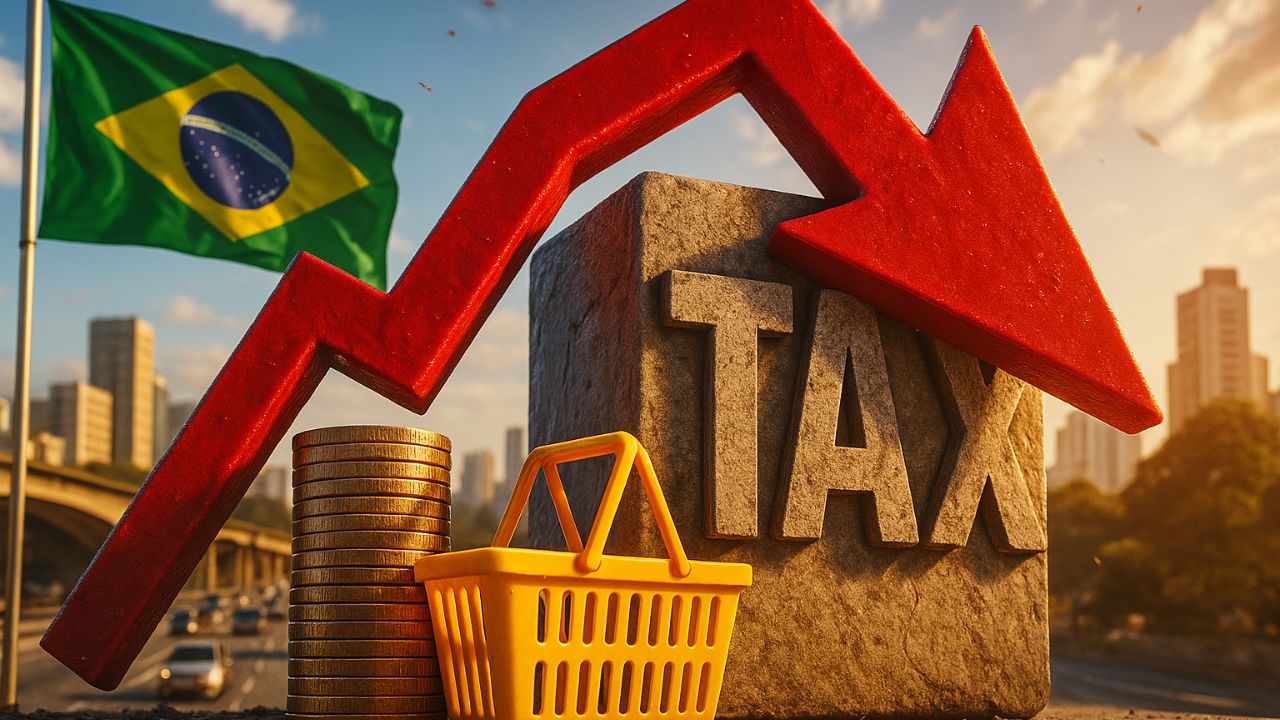
New Split Payment System of Tax Reform Prioritizes Collection: Government Will Retain Tax at the Time and Empties Companies’ Cash
Brazil will undergo a profound transformation starting in 2026 with the implementation of Split Payment, a central mechanism linked to tax reform. This new system completely changes the relationship between citizens’ money and the State, as the government will automatically retain tax at the exact moment of the transaction. The measure aims to ensure immediate collection, but it will heavily impact the cash of companies, retailers, and self-employed individuals.
Before the money from a sale even enters the cash of companies to pay salaries, suppliers, or rent, the State’s share will be deducted in milliseconds. The system slices the transaction and sends the tax portion directly to Brasília.
While federal collection hits successive records, the new rule establishes a surveillance where the government will retain tax with total priority, removing liquidity from the market.
-
Brazil Ignores Trump’s threats to BRICS, Buys 42 tons of gold and reduces the Dollar’s share by 6.45% in international reserves.

-
Havan buys historic football land in Blumenau for a million-dollar amount protected by a confidentiality clause and is already planning to change even the layout of streets to build a megastore in half-timbered style costing 80 million reais.

-
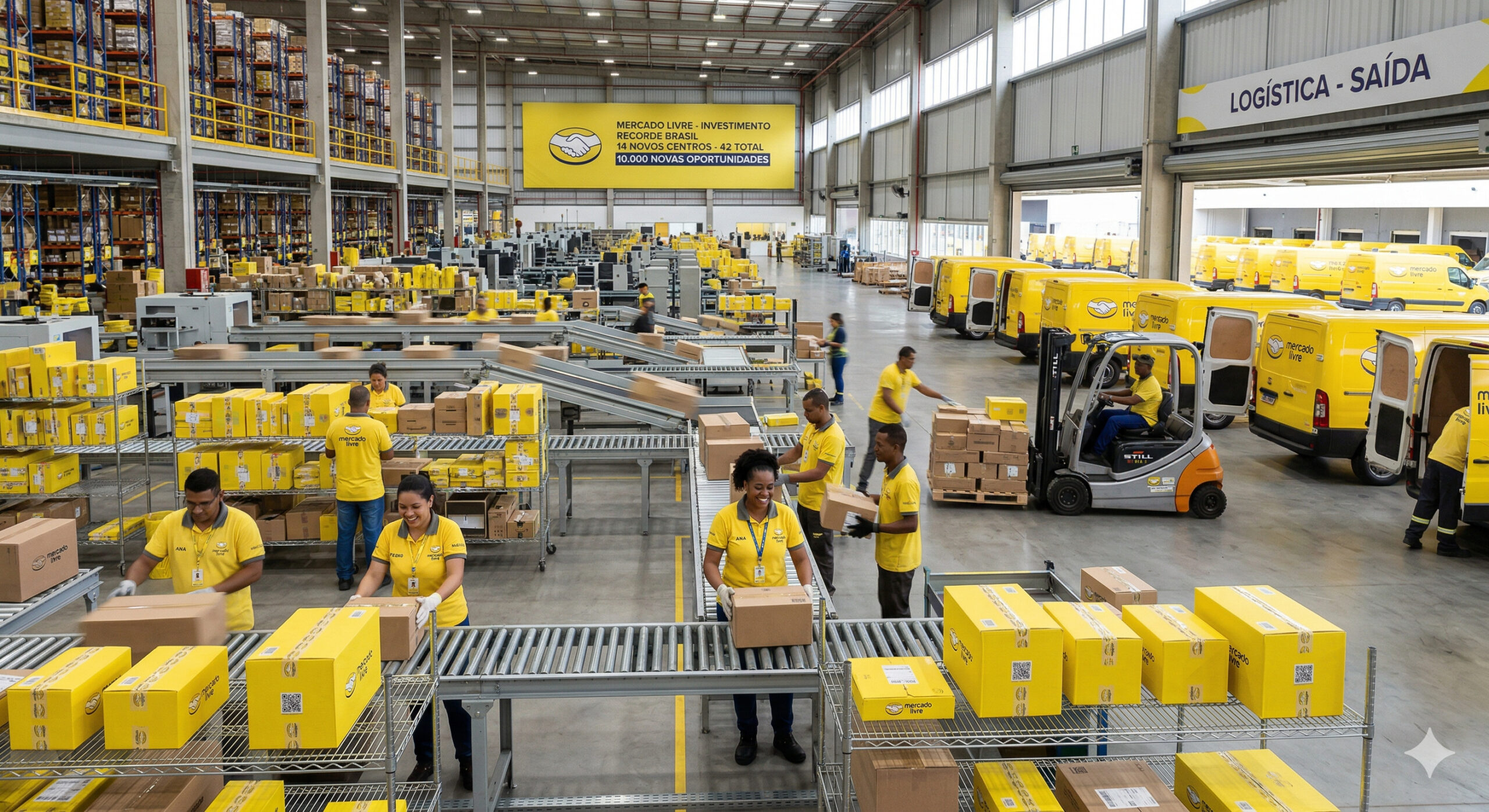
Mercado Livre “opens the vault” and announces a record investment of R$ 57 billion in Brazil in 2026, a value 50% higher than the previous year, with an expansion plan that includes 14 new logistics centers, totaling 42 units in the country and hiring an additional 10,000 employees.
-
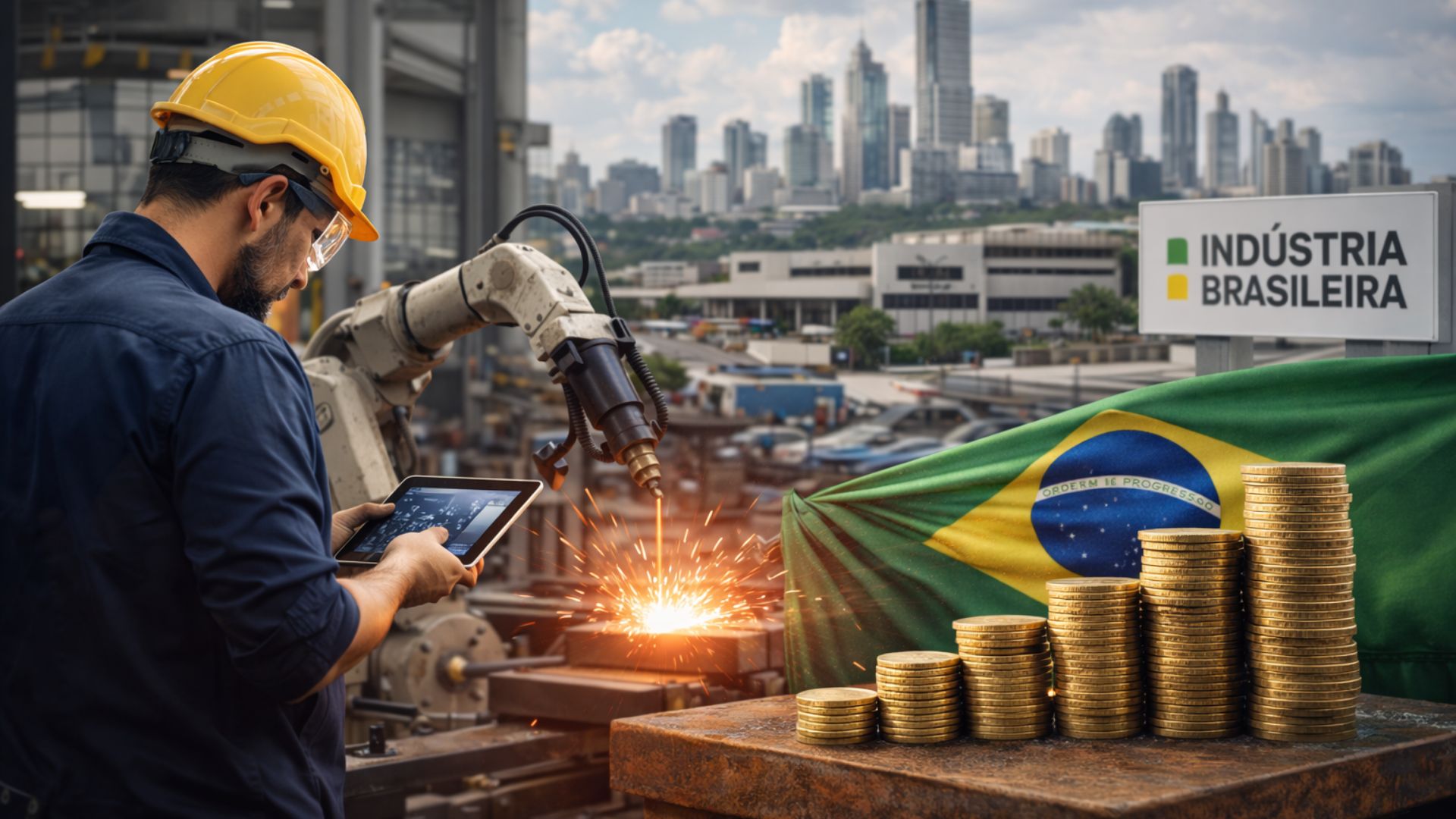
How investment in technology can revolutionize the national economy and enhance industrial gains, according to a study that highlights the direct impact on productivity, innovation, and wealth retention within Brazil.

The End of Breathing Room in Companies’ Cash
The major change brought by Split Payment is the end of traditional financial flow. Currently, the company receives the full amount and uses it to manage the cash of companies, paying taxes later.
With the tax reform, this logic is inverted: the government will retain tax at the time, eliminating financial “breathing room.” For Brazilian commerce, this drastic change may be fatal for the survival of the business.
The banking system will be responsible for separating the amount and forwarding it to public collection.
By removing control over the timing of tax collection, a scenario is created where Split Payment can lead millions of businesses to close due to lack of working capital.
When the system becomes more expensive and the entrepreneur receives less, the final price increases.
Record Collection and Unchecked Spending


Although the official discourse of tax reform claims that the measure aims to combat tax evasion, the data shows that the problem is not a lack of money. Federal collection reached historical records, accumulating trillions in 2025.
Even so, the accounts close in the red. The government will retain tax with maximum efficiency through Split Payment, but the return in services remains precarious.
The money from collection often funds political luxuries instead of infrastructure. The increase in the burden via tax reform serves to feed the public machine.
The government will retain tax to secure its resources, while citizens face indebtedness and neglected public services.
A Majority Partner in Every Transaction
Split Payment consolidates the State as a majority partner. The technology ensures transparency for collection, but removes the autonomy of producers.
With the fact that the government will retain tax immediately, an asymmetry is created: the public purse fills while the cash of companies empties. A company without cash invests less and hires less.
This dynamic of tax reform drains the vitality of the real economy. The digital encirclement of Split Payment prevents the entrepreneur from negotiating terms, as the State intervenes in the operation.
In the end, the measure accelerates a model where the government will retain tax first and the population is the last to benefit.
In light of this scenario of automatic collection, do you believe that the cash of companies will withstand this pressure or will we see a wave of bankruptcies?







-

Uma pessoa reagiu a isso.