





 Portuguese
  English
  Spanish
  6 min of reading
  0 comments



With the Expansion of IPVA Exemption in Santa Catarina, Vehicles 20 Years or Older Are Exempt from Charge in 2026, While Motorcycles Up to 200cc Without Infractions, People with Disabilities, Taxi Drivers, and Other Categories Continue with the Benefit Provided by Current Santa Catarina Legislation.
The IPVA in Santa Catarina enters 2026 with a change that can directly impact the wallets of many vehicle owners in the state. The main turning point is the expansion of the exemption for vehicles 20 years or older, which means a larger portion of the fleet will no longer pay the tax starting this year.
In practice, this means that IPVA will no longer be an obligation for some drivers who previously had to budget for this expense at the beginning of the year. At the same time, the state maintains benefits that already cover low-displacement motorcycles, people with disabilities, taxis, and other specific categories while preserving rates considered among the lowest in the country for those who remain subject to the charge.
What Changes in IPVA in Santa Catarina in 2026
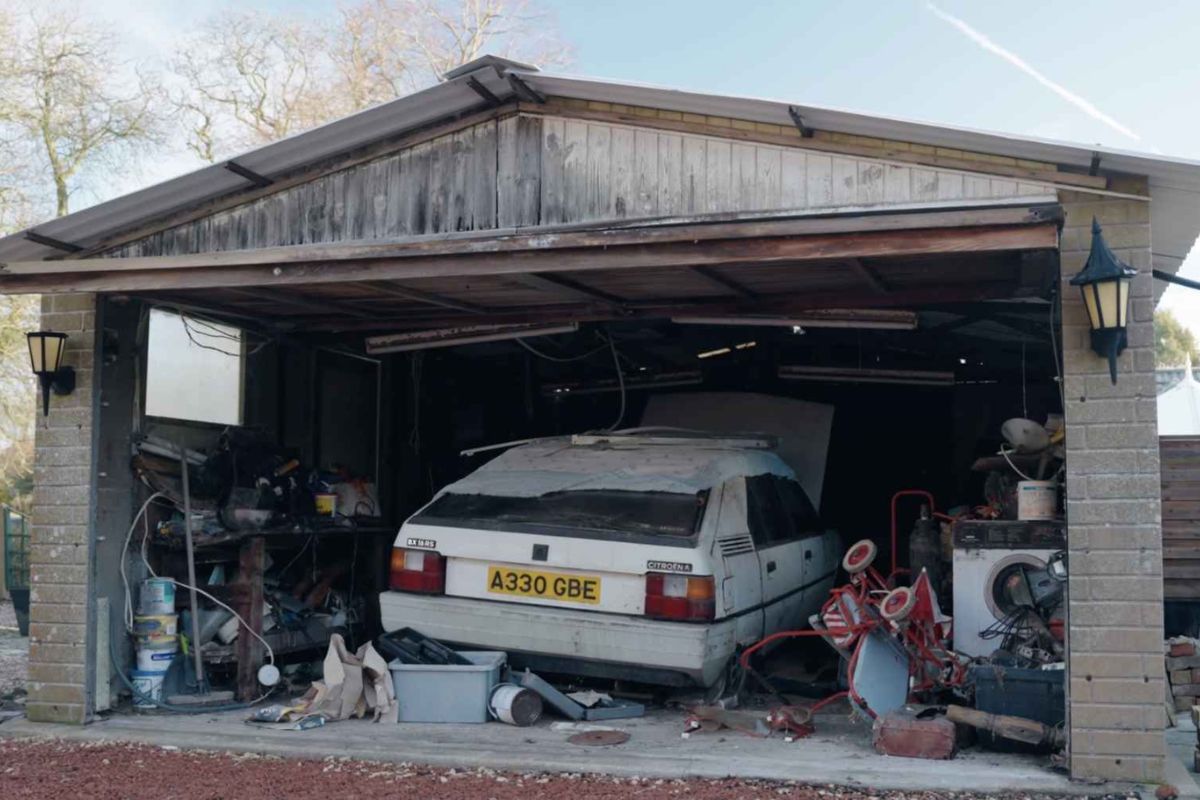
The most relevant change in the Santa Catarina IPVA for 2026 is the new exemption rule for vehicles 20 years or older. This expands the tax exemption and reaches an important segment of owners, especially those who keep older cars in circulation and who until now needed to follow the annual payment calendar.
-
5 cheapest used cars than a Honda CG 160 Titan 0 km, with options starting at R$ 13,000 for those who want to trade their motorcycle for a car and escape the rain, sun, and risks of riding.

-
Around R$ 24,000: 4 used Ford SUVs with up to 253 hp, V6 engine, all-wheel drive, 7 airbags, panoramic sunroof, and a complete package that surprises with its price and performance in Brazil.

-
A brand new car starts at around R$ 75,000 in Brazil, but what stands out the most is seeing streets filled with SUVs and expensive sedans in a country where millions remain in debt.

-
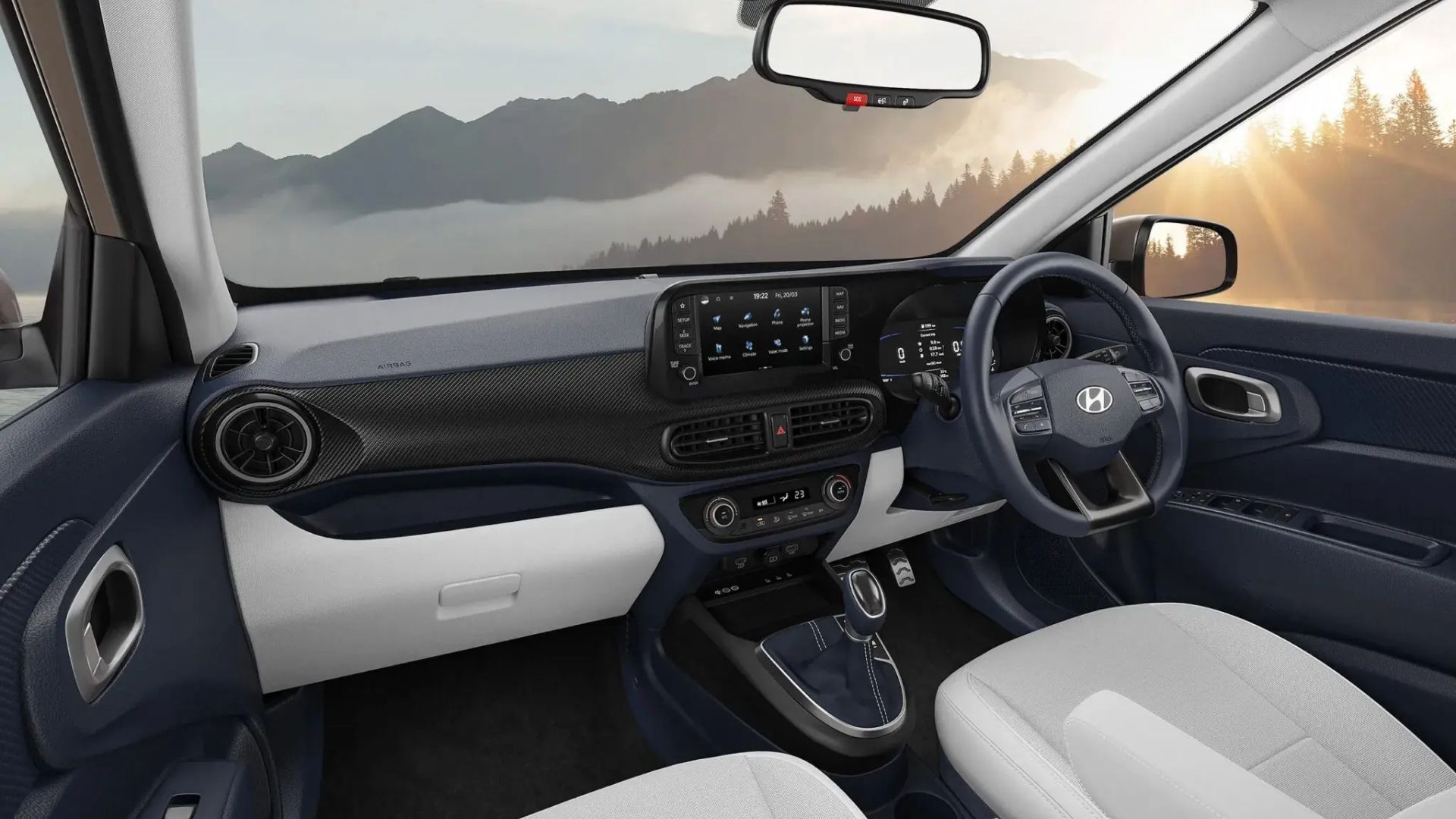
For R$ 32,000, a brand new Hyundai car is a rival to the Kwid with a 1.2 engine producing 82 hp, 6 airbags as standard, multimedia with wireless Android Auto, up to 391 liters in the trunk, and a refreshed look for 2026 in India.

This expansion, however, does not apply to all types of old vehicles. Buses, microbuses, and trucks are excluded from this specific rule, even when they are over 20 years old.
This detail is important because it avoids the interpretation that any aging vehicle will automatically stop paying IPVA.
In Santa Catarina, the benefit has been expanded but remains conditioned on the correct classification of the vehicle within the specified categories.
In addition, the change occurs at a time when the collection calendar is already beginning to pressure taxpayers who do not qualify for the exemption.
The first installments for license plates ending in 1 and 2 have already passed, and the sequence of the schedule follows according to the last digit of the plate. Those who do not qualify for the benefit need to stay attentive because timely payment remains essential for the annual vehicle licensing.
Who Continues with the Right to IPVA Exemption in the State
The expansion for vehicles 20 years or older does not eliminate other cases where IPVA can already be waived in Santa Catarina. Among the beneficiaries are motorcycles up to 200cc, including electric mopeds, as long as the owner has not committed a traffic violation in the previous year.
In this case, the concession is automatic, which simplifies the process for those who meet this requirement. It is a rule that combines tax relief with encouraging good behavior on the road.
Vehicles owned by individuals with physical, visual, severe mental, or profound disabilities, as well as individuals with autism spectrum disorder, are also included.
In these cases, the benefit remains even when the vehicle is driven by third parties, which enhances the practical usefulness of the measure and prevents the exemption from being limited only to the act of driving. Taxis also remain exempt, preserving an already established policy for a professional activity that relies on the vehicle as a work instrument.
The same applies to vehicles owned by Volunteer Fire Departments, consulates, and political parties, as well as vehicles linked to religious, educational, and social assistance institutions, which enjoy immunity.
There is also provision for vehicles of consulates accredited with government agencies. This shows that the IPVA exemption policy in Santa Catarina is not restricted only to the profile of the average driver, but also encompasses institutional situations and functions of collective interest already recognized by legislation.
How Much Continues to Be Charged for Those Who Do Not Qualify for the Exemption
For owners who do not qualify for the exemption, the IPVA in Santa Catarina continues with relatively low rates in 2026. Cars and utility vehicles remain at a rate of 2%, while motorcycles and vehicles for cargo, passengers, or rental remain at a rate of 1%. This difference maintains a logic of charging that varies according to the type of vehicle, preserving a smaller burden for certain categories.
Santa Catarina remains among the states with the lowest IPVA rates in the country. It lags only behind Paraná, which reduced the tax to 1.9% in 2026.
Besides Santa Catarina, only Acre and Espírito Santo maintain the rate of 2%. This data helps explain why, even when there is no exemption, the IPVA in the state is still perceived as less burdensome compared to other federative units.
Even so, for those who need to pay, the tax continues to represent a significant expense at the beginning of the year.
Therefore, understanding whether the vehicle qualifies under the new 20-year rule or any already benefited category can make an immediate difference in the household or professional budget. In many cases, simply updating this information prevents the owner from organizing their financial year based on a charge that no longer applies.
How IPVA Payment Works for Those Who Still Need to Settle the Tax
Those who remain obliged to pay the IPVA in Santa Catarina have several payment options in 2026. The first is a single installment, which must be paid by the end of the month corresponding to the final number of the plate.
There is also the possibility of payment in three installments without interest, with the first installment due on the 10th of the month related to the vehicle’s plate. This division helps reduce the immediate impact of the charge, although it still requires attention to the official schedule.
Another alternative is payment in up to 12 installments via credit card through accredited companies, but in this case, there is an increase in interest.
There is also the option of payment via Pix, using a QR Code on the bill, which makes the process quicker for many taxpayers. For new or imported vehicles, the rule changes: the payment deadline is up to 30 days after acquisition. For others, the organized table applies according to the last number of the plate.
Even with different payment methods, the central requirement remains the same: timely payment of IPVA is an essential condition for annual licensing. This means that paying attention to the calendar is not only a matter of financial organization but also of document regularity. In other words, failing to monitor the tax can create a problem that goes beyond the charge and affects the legal circulation of the vehicle itself.
What the Expansion of Exemption Represents for the Santa Catarina Driver
The expansion of IPVA exemption for vehicles 20 years or older in Santa Catarina changes the relationship of many owners with one of the most predictable expenses at the beginning of each year. For some, the news means direct relief in the budget.
For others, it acts as a reminder to review the vehicle’s status and understand if it still makes sense to set aside resources for a charge that may no longer exist. The central point is that 2026 opens a new reality for part of the Santa Catarina fleet.
At the same time, the continuation of benefits for motorcycles up to 200cc without infractions, people with disabilities, taxi drivers, and other categories shows that the state policy maintains a combination of expanding coverage while preserving well-known rules. This minimizes surprises for those who were already beneficiaries and increases the impact for those who are now qualifying for the exemption.
In the end, IPVA in Santa Catarina ceases to be a universal obligation and becomes increasingly dependent on the vehicle profile and the owner’s condition.
For many, the tax may simply disappear in 2026. In your opinion, was expanding the exemption for vehicles 20 years or older a fair measure, or should the state adopt another criterion?








-

Uma pessoa reagiu a isso.