





 Portuguese
  English
  Spanish
  3 min of reading
  0 comments


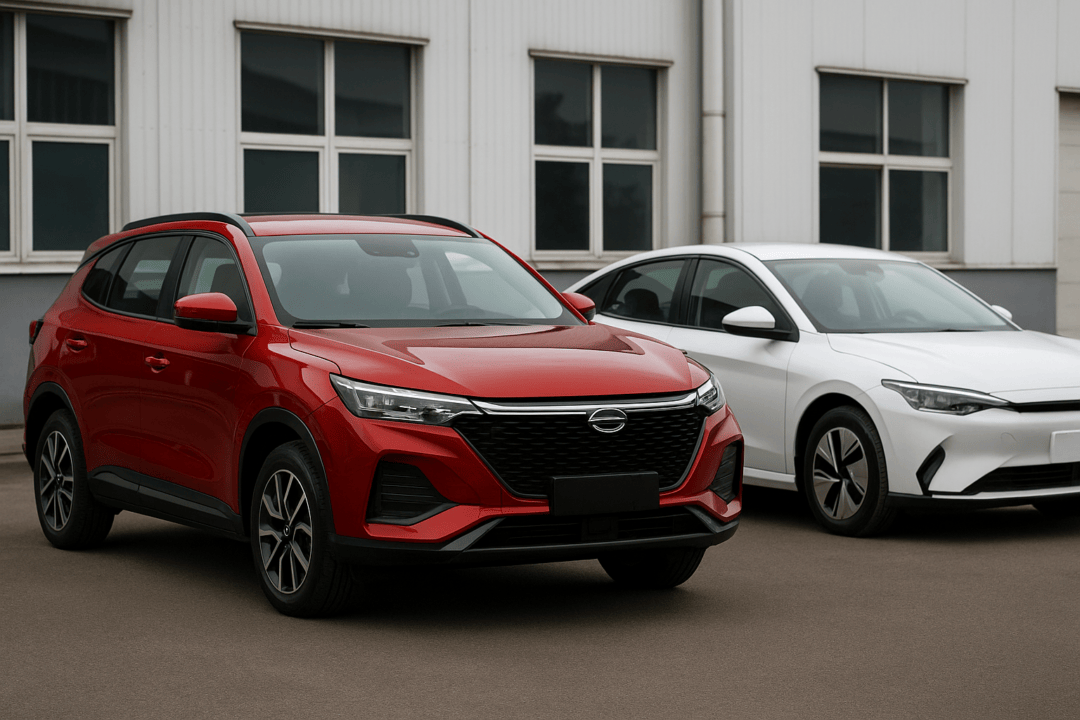
Expert Points Out That Accelerated Expansion and Lack of Differentiation Put Chinese Companies at Risk of Competitive Situation
Amid the growing competition in the market for electric vehicles, experts warn that some of the best-known Chinese brands are at risk. NIO, Xpeng, and Li Auto, which are currently drawing attention for their technology and innovation, may disappear if they do not adopt a decisive survival strategy.
Internal Competition Puts Pressure on Automakers
Despite the global focus on tariffs, the strict rules of the Europe, and the expansion of Chinese brands, little is discussed about the internal pressure that these same companies face in China.
In recent years, several automakers have emerged in the country, increasing competition and making it difficult for smaller companies to remain in the market.
-
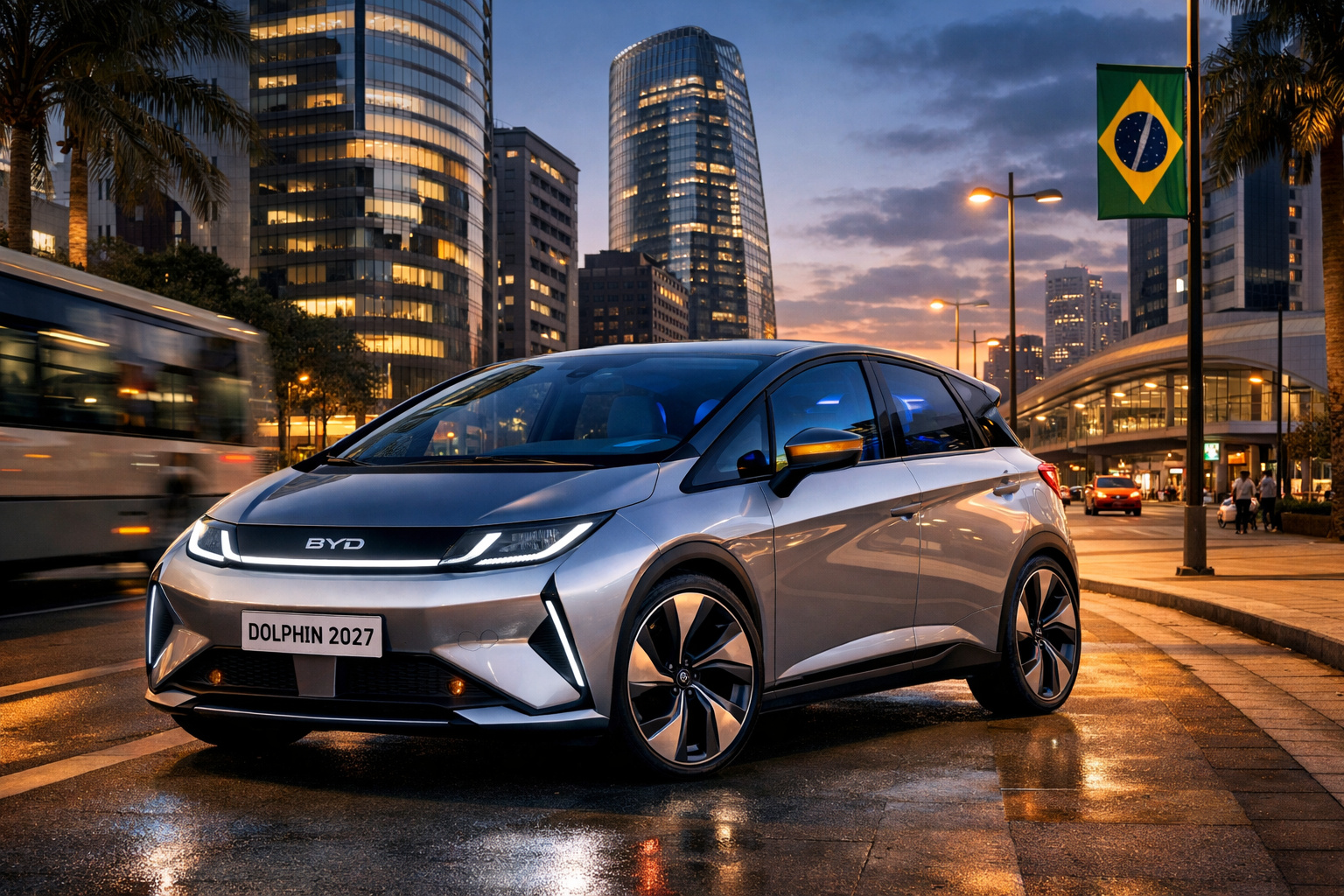
BYD Dolphin 2027 gains more power, increases in size, changes interior, and abandons controversial feature to face new competition in Brazil.
-
The German economist Wolf-Peter Schill has no doubts: “Electric cars are already far superior to cars with internal combustion engines.”

-
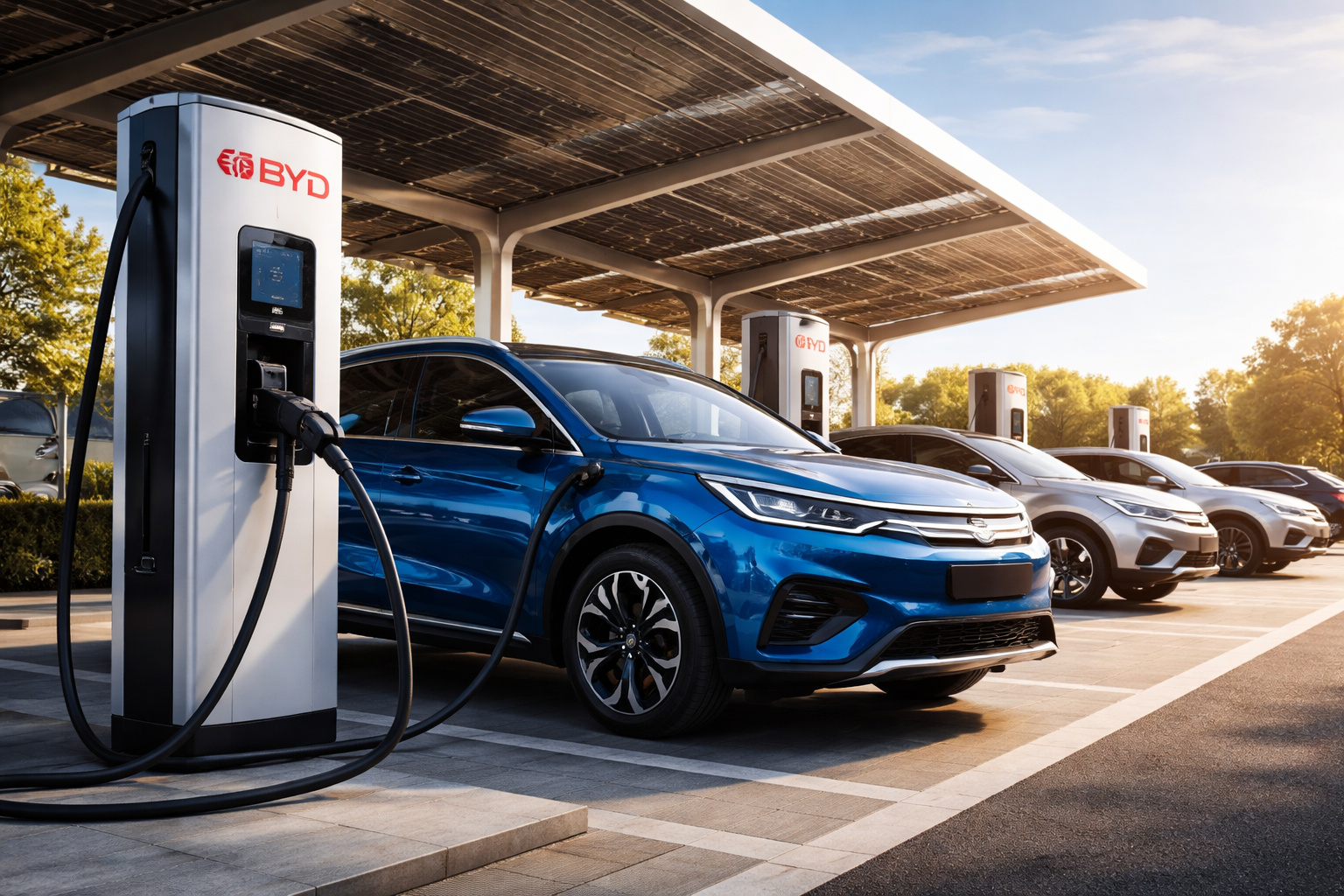
Largest public charging network in Brazil: BYD reaches 125 fast chargers and accelerates national expansion of electric mobility.
-
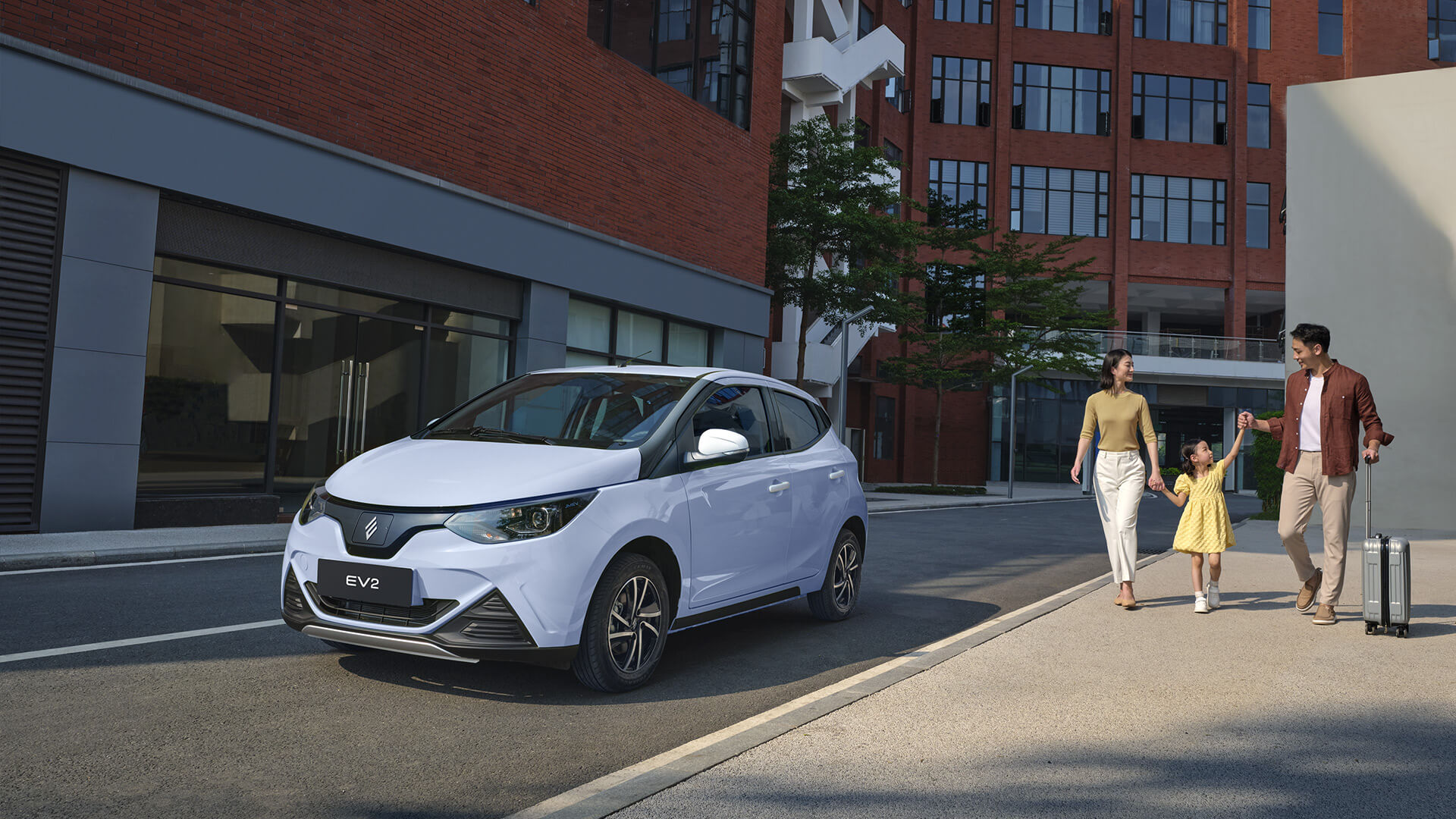
Goodbye expensive popular car: electric vehicle for less than R$ 70,000 starts being sold in Brazil with a range of 200 km and targets those looking to escape gasoline.

According to Professor Zhu Xican from the Tongji University Automotive Engineering School, the environment is so competitive that well-known brands have no guarantees of survival.
In an interview with the site AutoMarketHotTopics, Zhu stated that NIO, Xpeng, and Li Auto are unable to sustain themselves independently.
For him, the only possible path is through mergers and strategic partnerships. Otherwise, high research and development (R&D) costs and low production scale could lead them to failure.
Attention to Production Scale and Innovation
Zhu explains that no manufacturer selling fewer than two million cars a year will be able to survive.
This is because, with small production, innovation costs become very high. And if there is not enough investment in R&D, technological advancement stops, and the company disappears.
Each of the three automakers faces specific problems. Xpeng, for example, focuses too much on software and neglects the hardware of the cars.
NIO, on the other hand, concentrates on the user experience, but does not invest enough in development. The only exception, according to Zhu, is Li Auto. He claims that this brand is the most balanced, as it avoids the mistakes of its competitors.
Mergers and Alliances May Be the Solution
There is no information on which companies could join NIO, Xpeng, and Li Auto. It is possible that these brands are absorbed by large automotive groups such as SAIC, Geely, or BYD.
Another hypothesis is that they join together or seek partnerships with other mid-sized companies. The objective would be to share resources and strengthen their position in the market.
Li Yanwei, a member of the Expert Committee of the China Automobile Dealers Association, also commented on the scenario.
For him, there are too many brands in the industry, and many should cease operations.
According to Li, it is unlikely that small automakers will survive, mainly because of the dominant presence of BYD. He believes that few companies can offer something truly relevant in comparison.
Xiaomi SU7 Seen as an Exception
During the interview, the case of Xiaomi was also mentioned. The company recently launched the electric car SU7, which has been well received by the public.
Experts point out that the strength of the Xiaomi brand instills confidence in consumers.
According to them, the company’s success provides security for buyers, as there is no fear of the manufacturer closing down or a sharp drop in the vehicle’s resale value.
The comparison with Xiaomi reinforces the idea that only strong and well-structured brands will have a place in the future of the Chinese automotive sector. The market is becoming increasingly demanding — and not even the most popular companies are immune to changes.









Seja o primeiro a reagir!