





 Portuguese
  English
  Spanish
  5 min of reading
  0 comments


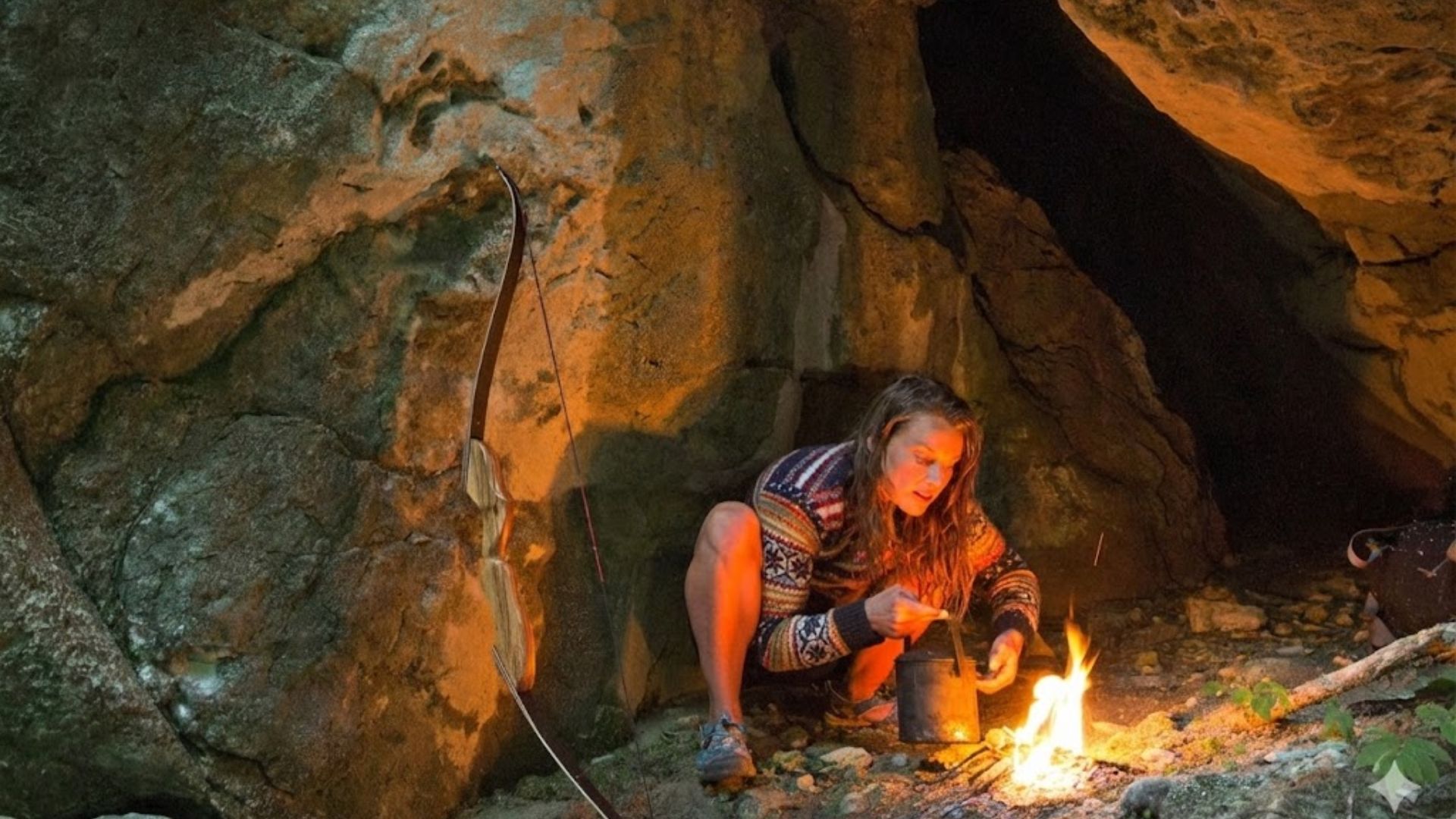
Life Outside The System, Extreme Routine And Choices That Challenge The Modern Urban Model In One Of The Most Preserved Countries In The World, With Prolonged Isolation, Practical Survival, Radical Reduction Of Belongings And Daily Adaptation To The Natural Environment.
Dutchwoman Miriam Lancewood became known after reporting a prolonged lifestyle change marked by a departure from urban routine and staying in remote areas of New Zealand.
According to a report published by the newspaper The Guardian, she left behind a steady job, regular use of electronics, and habits associated with city life to adopt a routine based on self-sufficiency, practical survival, and staying in isolated regions, taking on the core daily tasks in the bush by herself.
In an interview with the British newspaper, Miriam stated that the decision was the result of a period of dissatisfaction with conventional life.
-
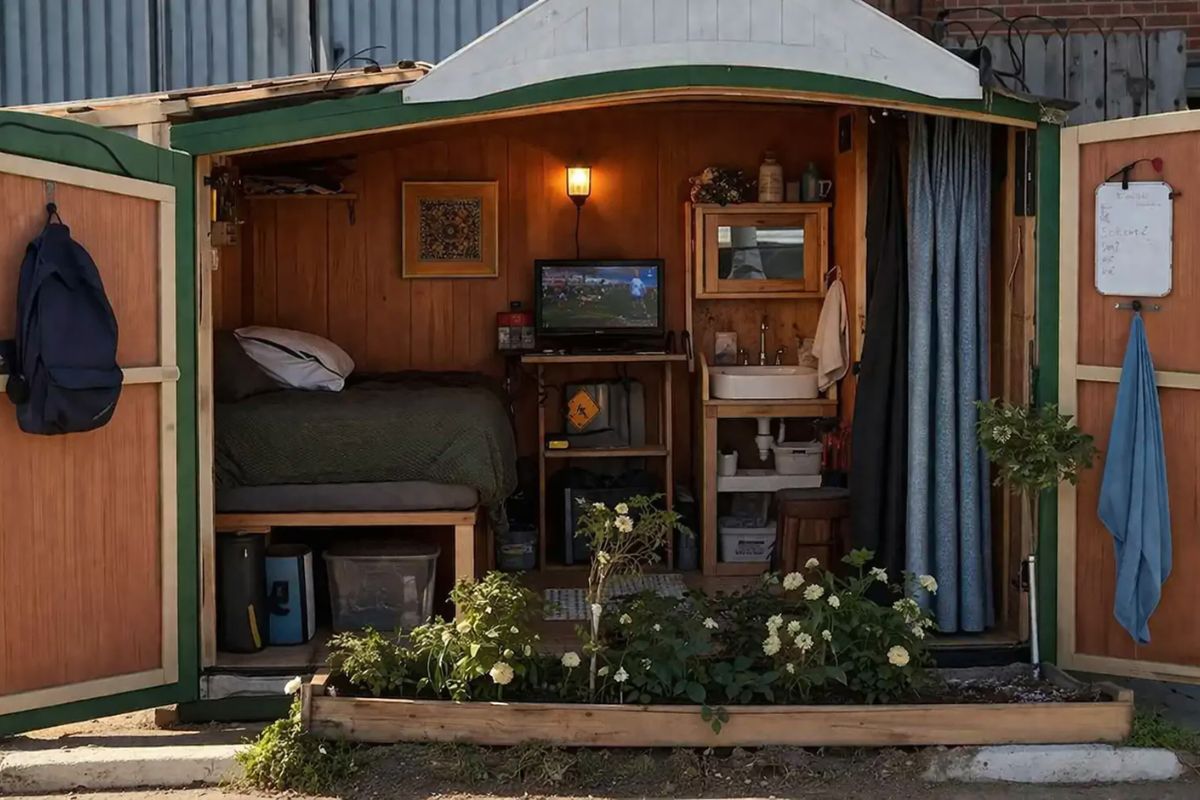
A homeless person in Los Angeles built their own wooden house with a garden at the entrance, a bed, a television, and a bathing area, and is now selling identical mini houses for $150 to other homeless individuals who prefer anything over returning to plastic tents.
-
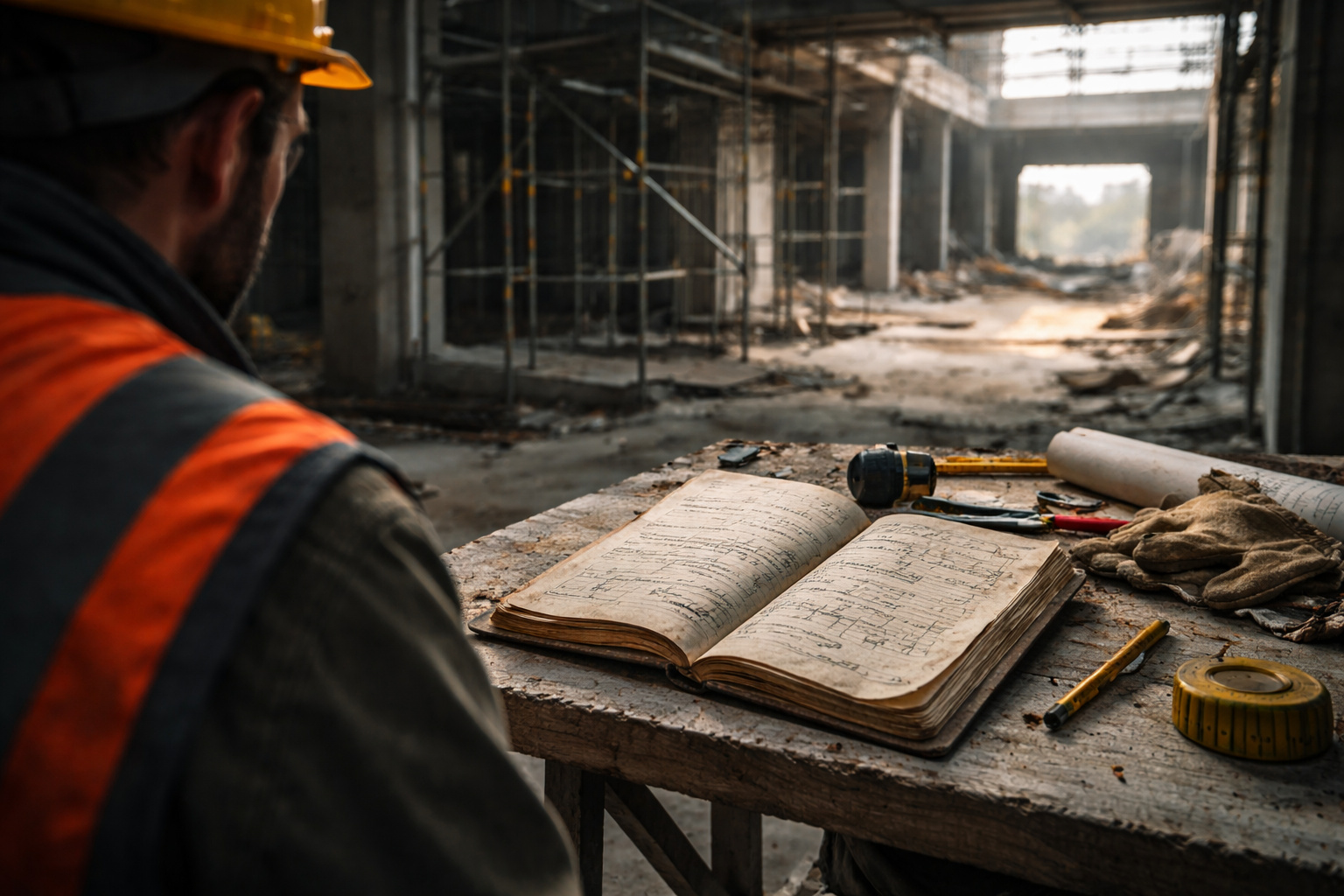
The lack of labor in the construction industry is already well-known, but a less visible effect worries companies: the loss of knowledge during the execution of projects, points out a specialist.
-
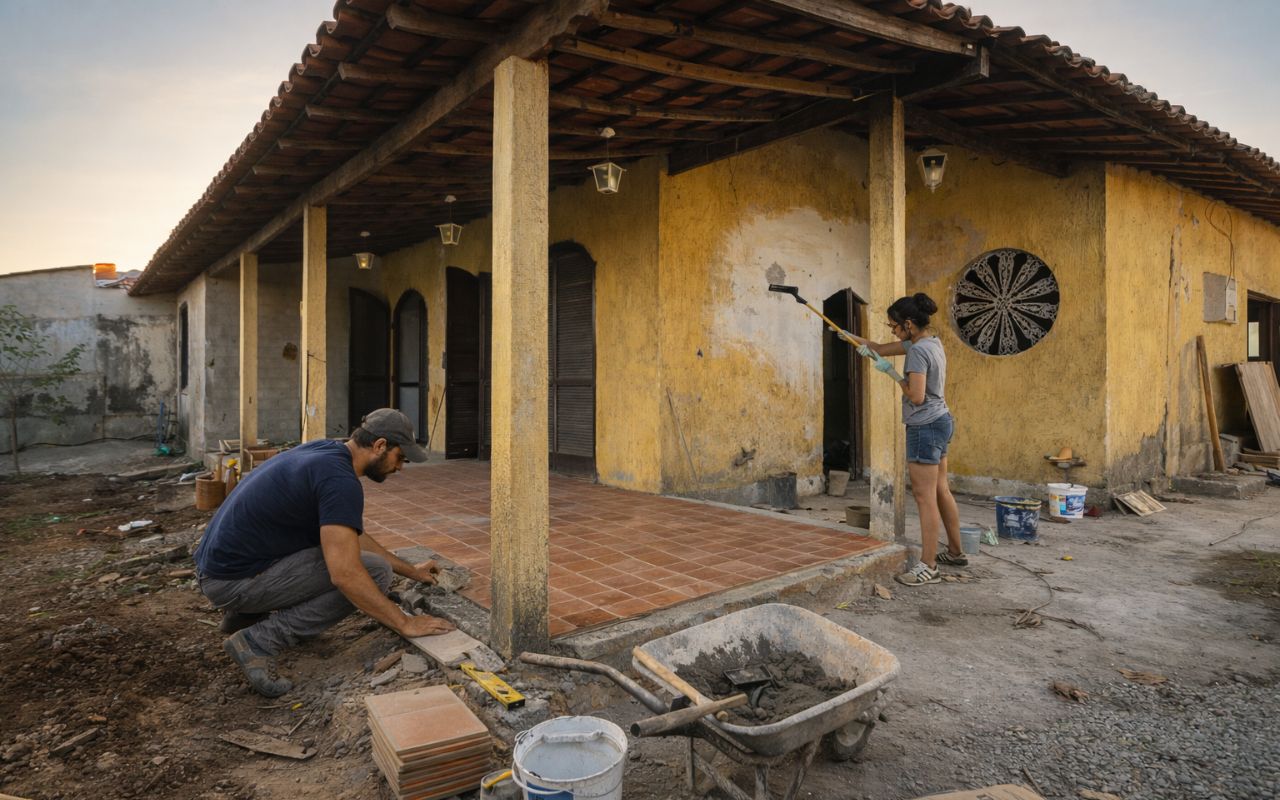
Couple faces challenges and transforms abandoned house from 1976 with a complete renovation, creating a modern, functional, and welcoming home.
-
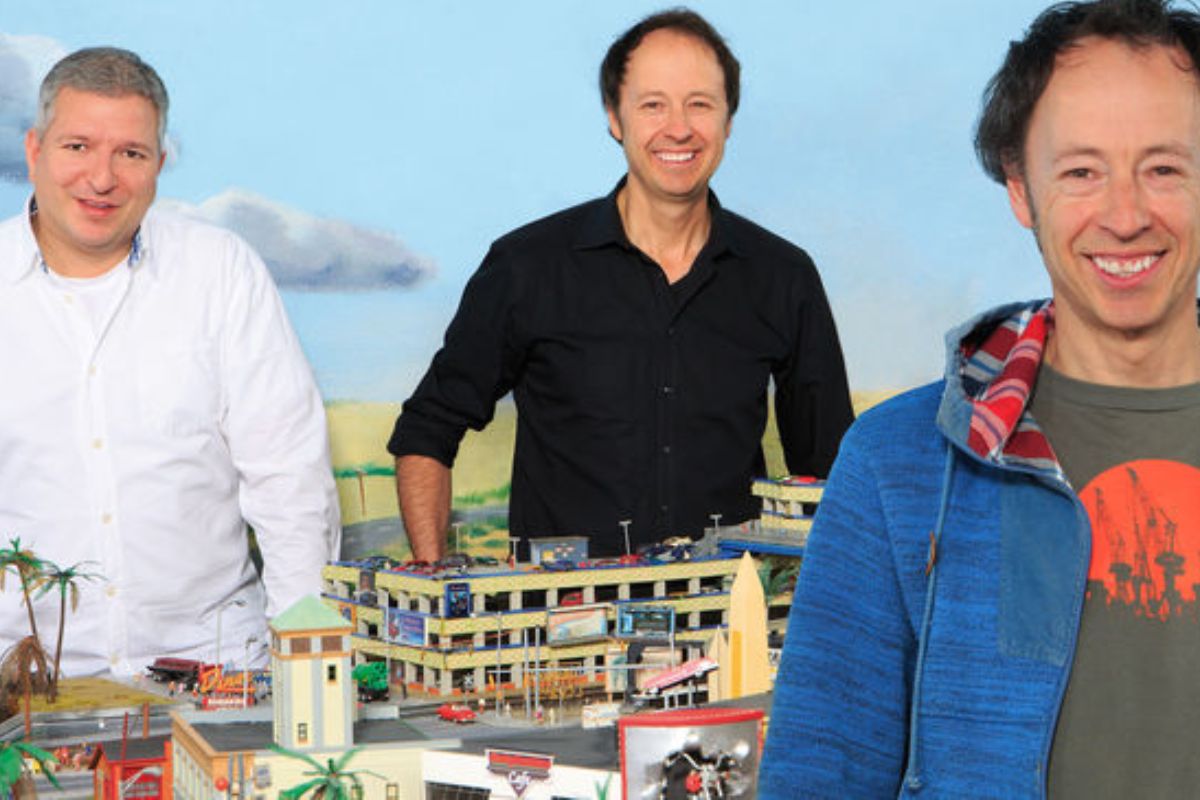
Three partners left the nightclub, convinced the bank, and decided to build the largest model railway in the world; Miniatur Wunderland became a success in Hamburg, with 12 sections and expansion planned until 2028.
“I was always stressed, bored, and depressed thinking that I would do that forever,” she told The Guardian, recalling the phase before the change.
The experience was later narrated in the book Woman in the Wilderness, published in 2017, as well as in interviews and profiles featured by different international outlets.

Life Without Electricity And Routine Guided By Nature
The accounts of this period describe a routine marked by practical choices and the absence of modern infrastructure.
There was no access to the electrical grid, refrigerator, or other common appliances in urban homes.
Daily activities began to be organized around natural light and basic subsistence needs.
A profile published by New Zealand Geographic describes Miriam during a stay in an isolated shelter within Abel Tasman National Park.
According to the publication, the place had minimal structure, no electricity, and no typical installations of a conventional house.
According to the investigation by The Guardian, this type of shelter was part of a deliberate strategy of simplification, aimed only at protection against the weather, rest, and food preparation.
Absence Of Technology And Rejection Of Modern Consumption
The break from the urban model was also reflected in the absence of objects common in contemporary daily life.

There was no car, smartphone, laptop, or watch.
As reported by The Guardian, Miriam described the initial adaptation period as physically and mentally challenging.
“In the first months, I thought I would go crazy with boredom,” she stated to the newspaper, commenting on the difficulty of disconnecting from the constant stimuli of urban life.
As time passed, according to the same account, interaction with the natural environment began to fill the space previously occupied by technology-mediated activities.
Origin Of The Project And First Years In The Forest
Biographical information indicates that Miriam arrived in New Zealand after a period of international travel.
Once in the country, she worked for a while before initiating the lifestyle change.
New Zealand Geographic reports that in 2010, she left conventional life and began living in mountainous and forested areas of the country.
During this time, she used simple shelters, tents, and rustic cabins, set up according to each location and the climatic conditions faced.
The Guardian noted that the initial plan was for a duration of one year, but it ended up extending as the lifestyle consolidated.
Practical Survival, Hunting And Simple Shelter

The available accounts indicate a routine based on frequent movements, use of temporary shelters, and obtaining food through fire, gathering, and hunting.
In an interview published by The Guardian, Miriam’s partner, Peter Raine, described the division of tasks adopted during this period.
“Miriam is the hunter and I am the cook,” he stated to the newspaper.
Miriam herself declared that she took on physically demanding tasks and commented on different approaches to hunting.
“We are less driven by trophy hunting,” she said, speaking about her experience.
The daily life is described with a focus on practical procedures related to food, hygiene, and prolonged stays in isolated environments.
Reduced Money To The Minimum And Limits Of Isolation
An interview published by the Now To Love website reports that Miriam drastically reduced her belongings before starting life in the bush in 2010.

During this period, she alternated stays between cabins, rustic shelters, and tents, including months in winter in remote areas.
According to The Guardian, Miriam stated that the couple maintained a reduced budget, resorting to money only for essential items.
“We live very economically, with about NZ$ 5,000 a year, basically for food,” she declared to the newspaper.
The accounts do not indicate a total absence of financial resources, but rather an attempt to minimize dependence on income and consumption.
International Recognition And Transformation Into Book
The account of the experience gained international projection after the publication of the book Woman in the Wilderness.
New Zealand Geographic reports that the book became a bestseller and reached readers beyond New Zealand.
The Guardian highlighted that the book attracted mainly female readers interested in alternative lifestyles.
“Many women write to me saying: ‘You inspired me’,” Miriam told the newspaper. The work has been translated into other languages, expanding the reach of the story.
Extreme Routine And Real Risks Of Isolated Life
The published profiles describe a routine marked by physical demands, constant adaptation, and individual decision-making.
Among the reported challenges are facing the cold, planning meals, maintaining fire, and long hikes.
New Zealand Geographic recounts a solo expedition in Kahurangi National Park where the plan to live only on what was found proved unfeasible.
The episode is cited as an example that life in isolation imposes practical limits, even on people with prior preparation.
In the interview with The Guardian, Miriam also mentioned emotional difficulties associated with prolonged isolation. “Nothing meant boredom, emptiness, and a sense of loneliness that I had to learn to face,” she stated.







-

-

2 pessoas reagiram a isso.