





 Portuguese
  English
  Spanish
  4 min of reading
  2 comments


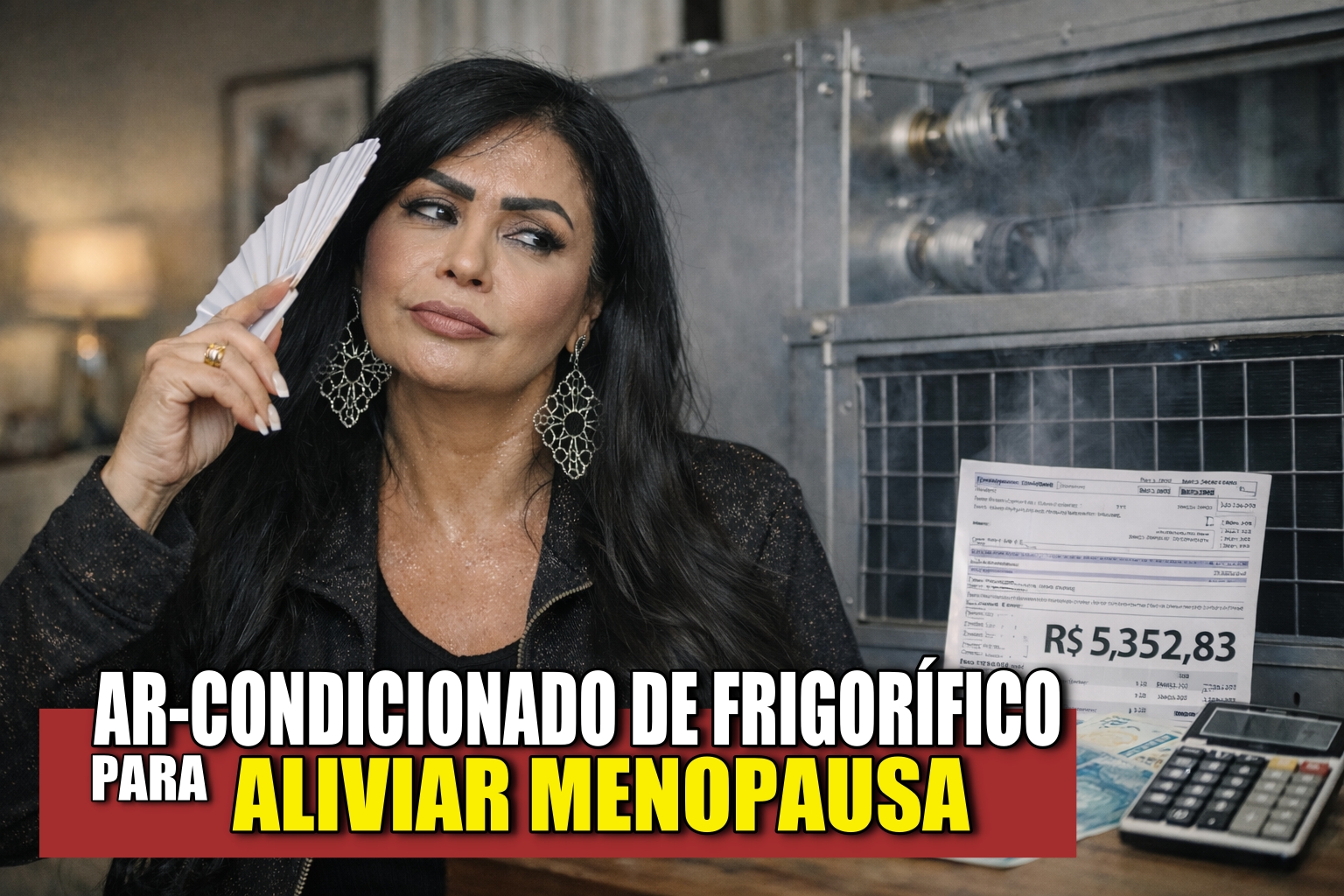


At 50, Ana Paula Oliveira Says That the Hot Flashes from Perimenopause Became So Strong That She Installed a Commercial Air Conditioner and Went Down to –2°C; Her Electricity Bill Exceeded R$ 5,000 Until She Sought Medical Treatment.
When the Body Becomes an “Oven” and Nothing Seems to Solve It. Some People Think That a “Little Heat” Is an Exaggeration Until It Happens for Real. At 50, Influencer Ana Paula Oliveira Reported That the Hot Flashes from Perimenopause Became So Intense and Unexpected That She Made an Unconventional Decision: She Installed a Used Air Conditioner from a Commercial Refrigeration Unit in Her Home.
And, on some days, she Had to Lower the Temperature to –2°C to Get Some Relief. The Result Came Quickly — But It Wasn’t Just the Coolness: Her Electricity Bill Shot Up and Exceeded R$ 5,000.
The Beginning at 47: “It Was Coming from Inside Out”
Ana Paula Remembers That the First Episodes Started When She Was 47. At That Moment, She Still Didn’t Understand What Was Happening to Her Body. She Described the Sensation with a Straightforward Sentence, Just Like Many Women Recognize Instantly: “It Was a Heat Coming from Inside Out, It Felt Like I Was Going to Faint“.
-
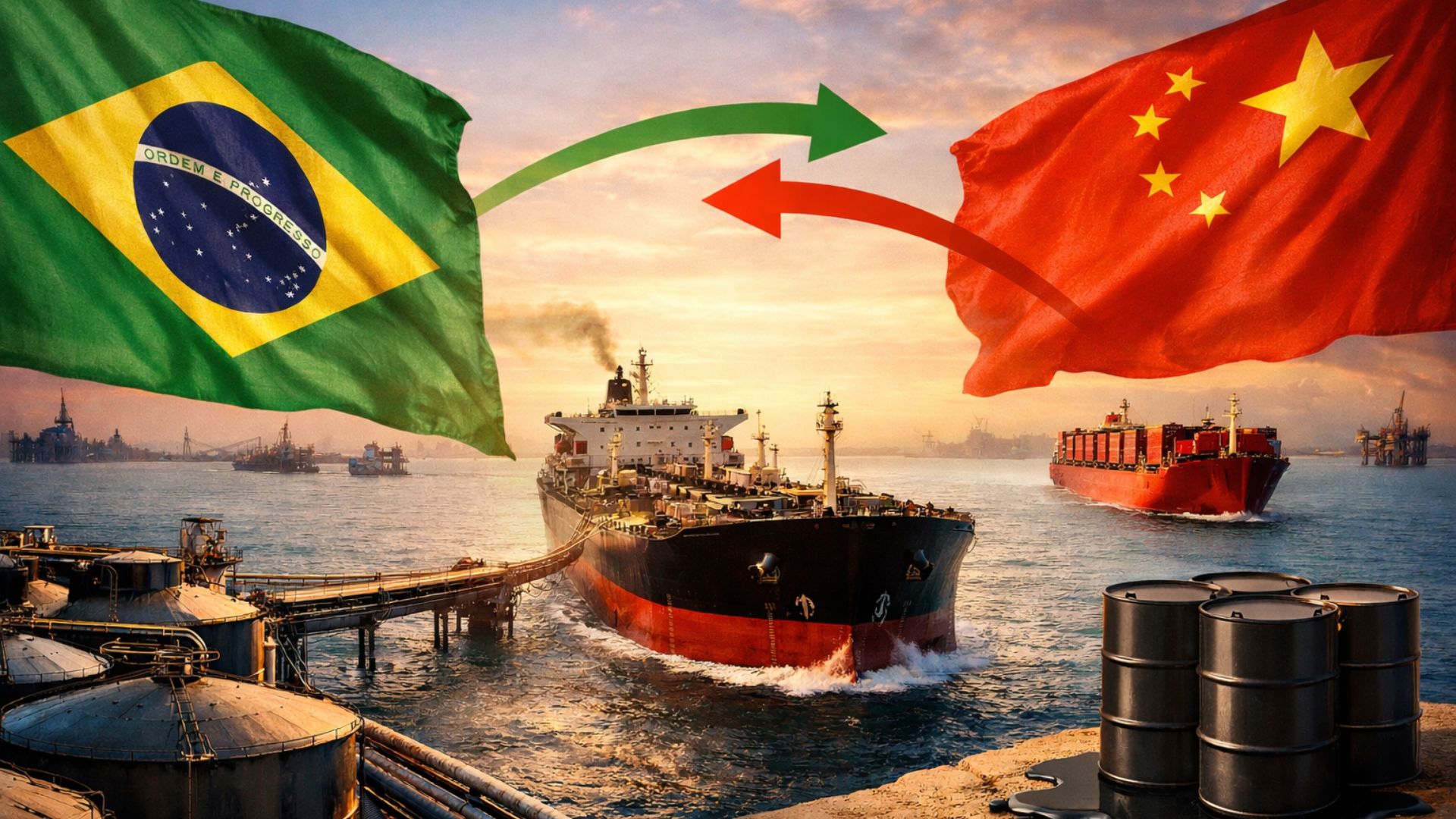
Brazil’s oil exports soar with record purchases from China, potentially generating a new cycle of economic growth, increasing external revenues, and consolidating the country as a global strategic supplier.
-
São Paulo has connected its two airports by rail for the first time in history, and now you can travel by train from Congonhas to Guarulhos for just R$ 5.40. However, the journey requires four transfers, takes about two hours, and only operates during a narrow time window that almost no one can use.

-
The savings of Brazilians are depleting: savings accounts recorded the third consecutive month of withdrawals, with over R$ 41 billion taken out in the first quarter of 2026, the largest outflow in an entire year.

-
Curitiba will have a direct flight to Europe starting in July, and for the first time in history, Paraná will have a continuous air connection with Europe, saving three hours of travel for passengers who previously needed to connect in São Paulo.

With the Discomfort Out of Control and Not Knowing That It Could Be a Sign of Transition to Menopause, She Tried the Most Obvious Route: a Regular Air Conditioner. However, According to Her Account, It Didn’t Solve the Problem. That’s When She Opted for an Extreme Solution: Installing a Heavy-Duty Refrigeration Unit Designed for Environments That Need to Be Much Cooler Than a Typical Home.
Air Conditioner Set to –2°C at Home and the Bill Skyrocketing
In Her Account, She States That There Were Days When She Needed to Keep the Unit Set at –2°C to Feel Any Relief. The Immediate Consequence Was Financial. “My Electricity Bill Ended Up Exceeding Five Thousand Reais Because of This,” She Reported, Explaining That, Back Then, She Was Still Unaware of the Severity of the Symptoms and What Was Behind Those Hot Flashes.
It’s Understandable That the Expense Was Alarming: Equipment Designed for Intense Cooling Tend to Use Much More Energy Than a Traditional Home Air Conditioner. Moreover, When Consumption Increases, Factors from the Electric Sector Can Further Impact the Final Price — Like the Tariff Band System Announced by ANEEL. Services and Information from Brazil
What Changed Afterwards: Doctor and Hormone Replacement
The Turning Point Came When Ana Paula Sought Medical Guidance and Started Hormone Replacement Therapy. She Says That From Then On, She Was Able to Stabilize Her Condition and Regain Her Quality of Life.
In the Conclusion of Her Account, She Emphasizes That She Decided to Speak Publicly to Support Other Women Who Are Going Through the Same Experience and Feeling Misunderstood: “Today I Am Great, But I Wanted to Share Because Many Women Go Through This Thinking They Are Crazy. They Are Not. It’s Normal, There Are Treatments, and You Can Live Wonderfully,” She Concludes.
Why These “Hot Flashes” Deserve Serious Attention
The Symptoms Described by Ana Paula Align with What Medicine Calls Vasomotor Symptoms (Like Hot Flashes and Night Sweats), Common in the Transition to Menopause. And There’s a Key Point Here: It’s Not a “Drama,” Nor “Fuss,” Nor Lack of Resilience. It’s Physiology.
In Widely Used Guidelines, The Menopause Society (Formerly NAMS) Summarizes This Quite Objectively: “Hormone Therapy Remains the Most Effective Treatment for Vasomotor Symptoms.“
In Brazil, Medical Entities Have Also Been Updating Recommendations and Reinforcing Individualized Care During This Phase, Such as FEBRASGO, Which Published New Guidelines on Hormone Replacement Therapy in Perimenopause and Menopause.
Outside the Country, Clinical Guidelines Also Emphasize That the Conversation About Benefits and Risks Needs to Be Personalized, As NICE Stresses When Addressing Symptoms Like Hot Flashes and Night Sweats and the Need to Tailor Decisions to Each Person’s Context.
And When Hormones Can’t Be Used?
Not Every Woman Can or Wants to Undergo Hormone Therapy, and Medicine Has Been Advancing in Alternatives. One Example Is Fezolintant, Evaluated in Studies as a Non-Hormonal Option for Moderate to Severe Vasomotor Symptoms in Individuals for Whom Hormones Are Not Recommended.
This Doesn’t Turn Treatment into a “Canned Recipe.” It Means That There Is a Path — and Seeking Professional Evaluation Changes the Game, as Happened with Ana Paula.
Relief Without Shock: Air Conditioner Efficiency Also Comes into Play
Her Case Also Draws Attention to Another Point: Thermal Comfort Is Expensive When the Equipment Is Not Designed for Residential Use, Like a Commercial Air Conditioner. If the Goal Is to Avoid a Skyrocketing Electricity Bill, It’s Worth Recognizing Equipment That Cools with Official Efficiency Standards.
Inmetro Maintains a Public System for Checking Tagged Products and the Performance of Air Conditioners, Under the Brazilian Labeling Program. Services and Information from Brazil
And the Procel Seal Exists Specifically to Identify and Value Equipment with Better Levels of Energy Efficiency.
The Influencer’s Account Is Not Just a Curious Internet Story. It Reveals How the Transition to Menopause Can Hit Hard, Confuse, Scare, and Disrupt Daily Life. It Also Shows That Information and Medical Care Make a Difference.
If You Have Been Through Something Similar, or Know Someone Going Through This Phase, Leave a Comment Sharing Your Experience or Share This Publication to Reach More Women Who Still Think They Are “Alone” in This.








Smurfette!
**** kkkkk **** kkkkkkkk