





 Portuguese
  English
  Spanish
  6 min of reading
  1 comment


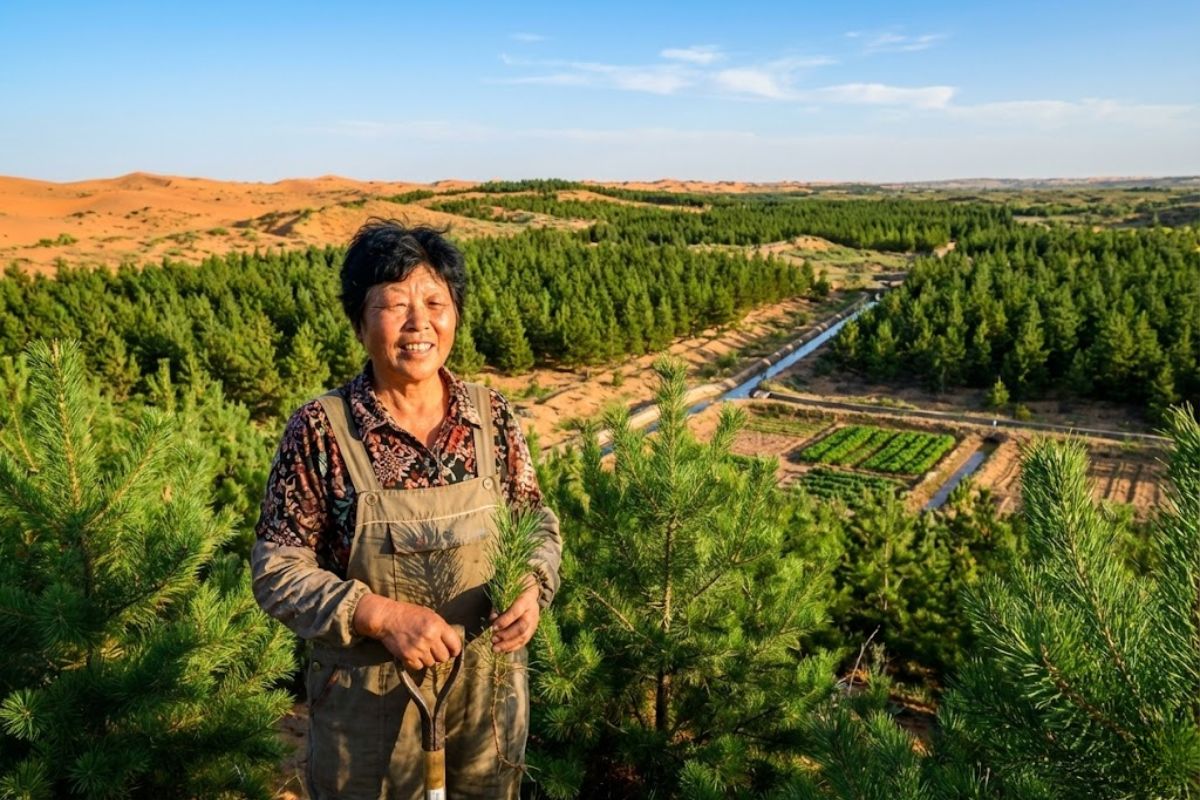


In The Moose Desert, In Inner Mongolia, Yin Yuzhen Started With Seedlings That Almost Always Died And, Through Trial And Error, Perfected Techniques To Fix Sand, Outsmart Rodents, And Protect Roots From The Wind. The Result: More Than 300 Thousand Trees In The Desert And 70 Thousand Hectares Recovered Over Decades.
When It Comes To Trees In The Desert, The Most Common Image Is Of Seedlings Condemned By Lack Of Water, By The Constant Wind, And By Soil That Seems To “Hold” Nothing. In Northern China, However, Yin Yuzhen’s Story Became A Real Example Of How Persistence, Technique, And Adaptation Can Transform An Area Known For Sandstorms Into A Space With Vegetation, Production, And Life.
Over 35 Years, She Planted Well Over 300 Thousand Trees And Native Plants, Helped Recover 70 Thousand Hectares, And Contributed To A Region Of The Moose Desert, Also Known As The Mausu Desert, Advancing To A Point Where Desertification Control Exceeds 90%. What Was Environmental Pressure Became A Survival Strategy And Then A Reference For Larger Actions.
The Desertification That Threatens Water, Food, And Infrastructure

Desertification Appears As One Of The Fragile Points Of Chinese Territory, With More Than A Quarter Of The Country Mentioned As Affected And Vast Dry Areas Vulnerable.
-
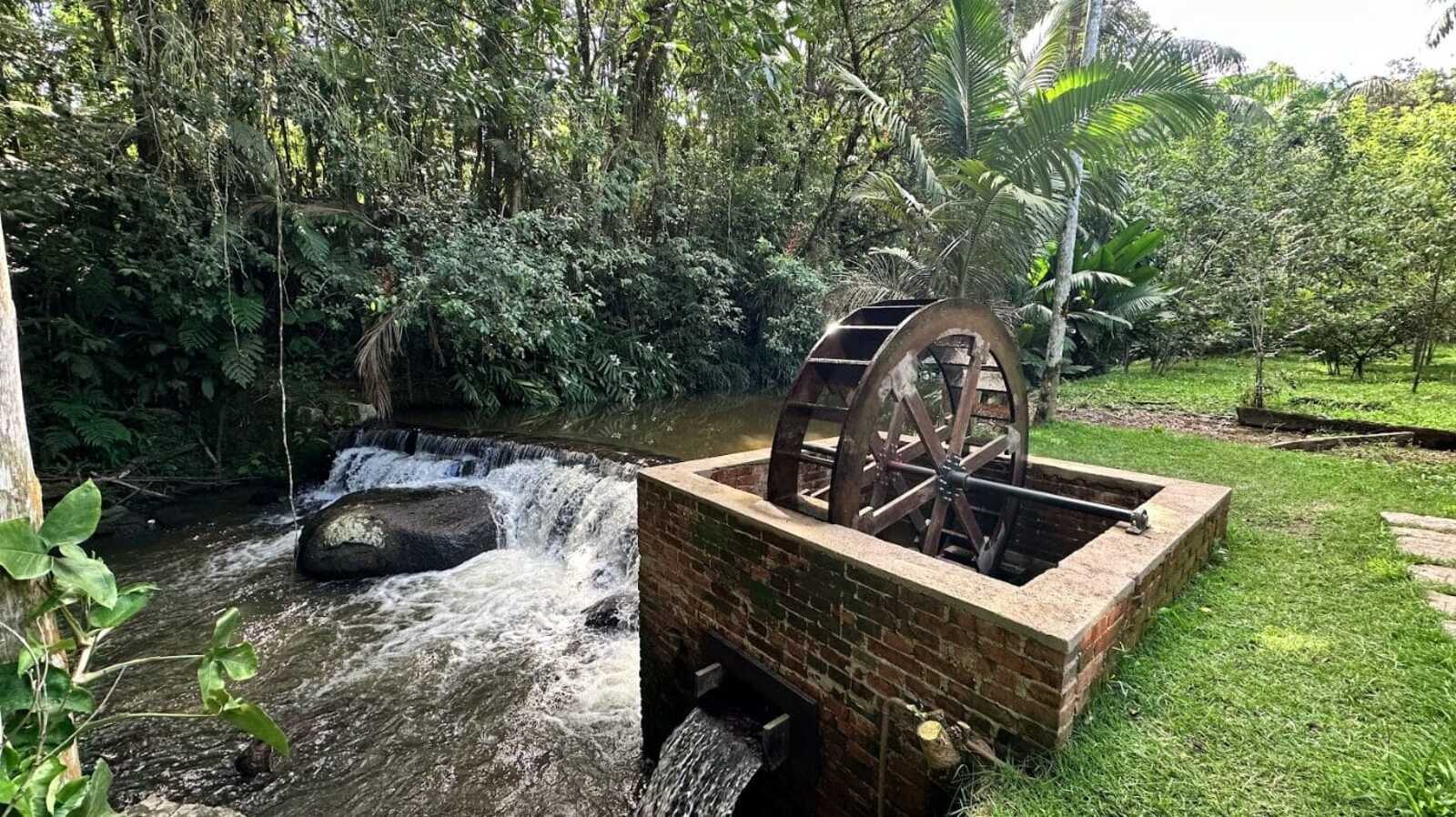
While restoring a historic mansion from 1910, a brick structure with an old turbine that generated energy from the Rio do Testo emerged, along with a hidden door and a rare floor concealed under layers of wax.
-
Italian researchers have detected what appears to be a second Sphinx buried under the sands of Egypt, and satellite scans reveal a gigantic underground megastructure hidden beneath the Giza Plateau for over 3,000 years.

-
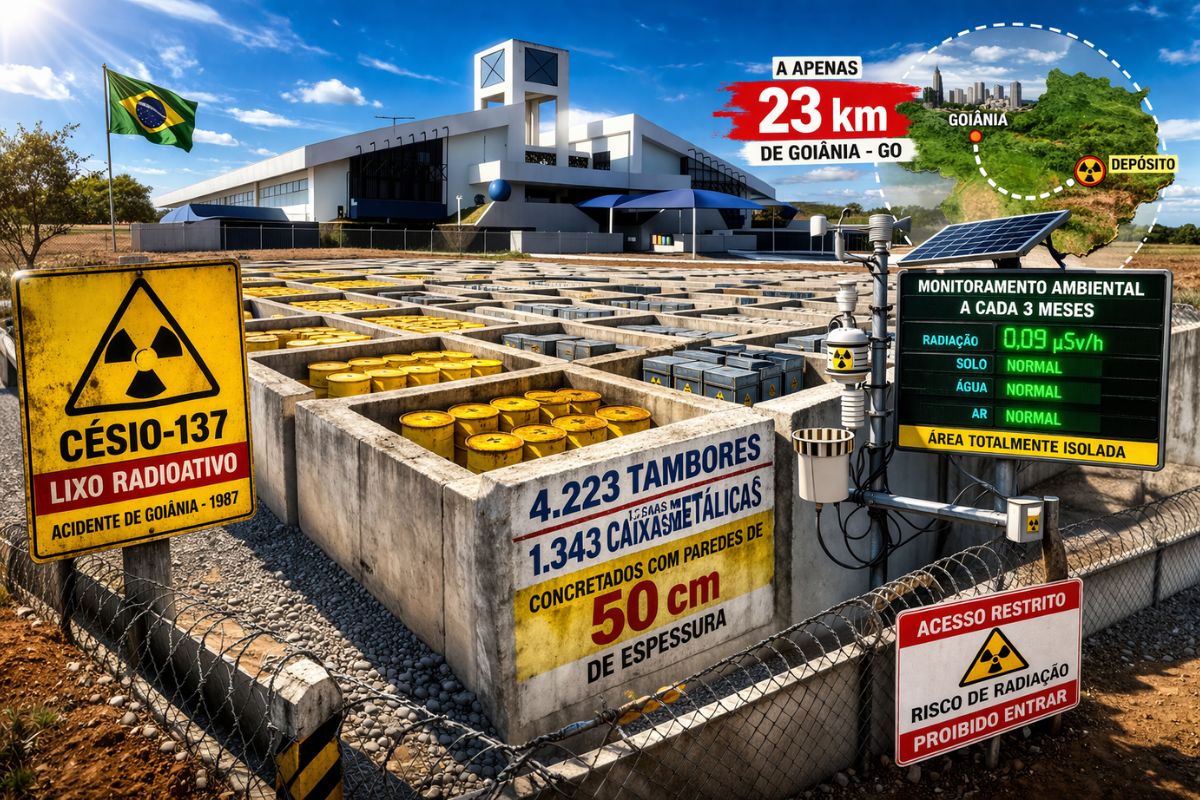
There are 4,223 drums and 1,343 metal boxes concreted with 50-centimeter walls that store the radioactive waste from Cesium-137 in the worst radiological accident in Brazil, just 23 kilometers from Goiânia, with environmental monitoring every three months.
-
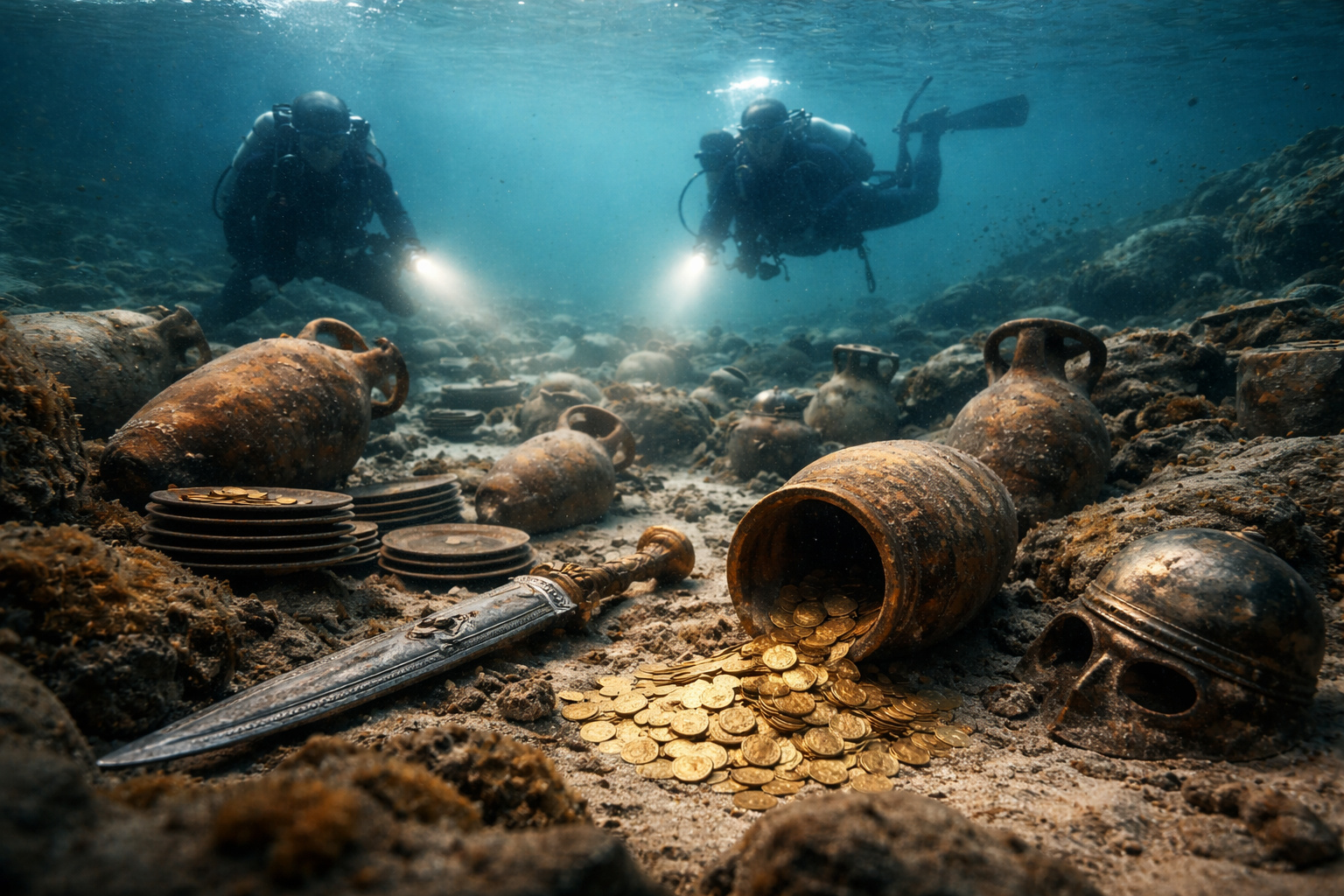
Giant Roman treasure found at the bottom of Lake Neuchâtel in Switzerland reveals an advanced trade system, circulation of goods, and armed escort in the Roman Empire about two thousand years ago.

Estimates Indicate 6.6 Million Square Kilometers Of Dry Lands Exposed To Risk, While Deserts Are Described As Occupying About 27% Of The Territorial Area. It’s Not Just Sand: It’s A Dispute For Resources Such As Water And Food, With A Direct Impact On Agricultural Production.
Besides Making Water And Food More Difficult To Obtain, The Dune Dynamics Can Bury Fields And Structures. Where The Sand Advances, It Doesn’t “Choose” Its Target: It Enters Roads, Invades Crops, And Pressures Entire Communities To Spend Energy Just To Keep The Basics Standing.
A Cold Desert, Long Winds, And A Life That Began In 1985

The Moose Desert Is Like A “Cold Desert”, With An Average Temperature Between 6°C And 8.5°C And Annual Precipitation Between 250 Mm And 400 Mm, Concentrated Mainly In Summer. Added To This Is A Wind Regime That, According To Reports, Extends From Spring To Winter Almost Continuously. It’s A Scenario Where The Climate Works Against Any Attempt To Fix The Soil, And This Explains Why The Region Gained A Reputation For Being Desolate.

It Was To This Environment That Yin Yuzhen Moved In 1985, At The Age Of 19, After An Arranged Marriage To Wang Xiang, Who Lived In Extreme Conditions In Inner Mongolia.

She Came From A Childhood Marked By Poverty And, Upon Arrival, Found An Even Harder Reality, With Sandstorms That Lasted Days And Required Frequent Sand Removal Just To Keep The Space Habitable. The Isolation And Harshness Of The Place Were Not Metaphor: They Were Routine.
The Beginning With Enormous Losses And The Idea Of Building Green In Layers

In The Beginning, The Logic Seemed Simple And Cruel: Plant And Lose. Of The First Thousand Trees, Only Ten Survived, And The Survival Rate Was Reportedly As Low As 1%. Even So, Yin Insisted On Planting, Replanting When The Wind Uprooted Seedlings, And Caring For Each One In An Environment That Did Not Forgive Mistakes.
She Carried Water On Her Back, Crossing Dunes, And Faced Constant Dryness As A Daily Obstacle. The Physical Effort Was Part Of The Method, Not A Detail.
Over Time, She Treated The Attempt To Reforest As A Practical Engineering Problem. Instead Of Starting With The Most Difficult Trees, She Decided To Stabilize The Soil First: Grass, Then Shrubs, And Only Then Trees.
When She Tried To Sow Grass And Saw Rodents Destroying The Seeds, She Sought Solutions Through Trial And Error. One Of The Reported Adaptations Was To Use The Smell Of Sheep As “Camouflage,” Taking A Sheet Along With The Animal To Disguise The Seeds And Reduce Predation, Allowing The Grass To Grow. That’s How Trees In The Desert Stopped Being A Gamble And Became A Process, And The Success Rate Is Said To Have Reached 70% After Years Of Testing Techniques.
Protective Belts, Resistant Species, And The Design That Holds The Sand
Another Turning Point Was Choosing Species And Positions With A Logic Of Defense. Yin Evaluated That Local Willow Seedlings Had A Low Success Rate And Began To Prioritize Taller And More Resistant Trees, Such As Poplars And Mongolian Pines, As Well As Scots Pines, Planted On The Outer Perimeter To Contain The Sand.
On The Inside, She Combined Smaller Trees And Stabilizing Shrubs, With The Idea Of Creating A “Vegetal Fortress” To Protect The Center Where They Lived. The Strategy Was To Contain The Desert Before Cultivating The Heart Of The Oasis.
After Forming The Protective Edge, The Plan Included Inserting Fruit Trees And Agricultural Crops In The More Protected Area.
This Logic Helps To Explain Why The Project Became More Than Planting: It Was Landscape Design, Species Selection, Reading The Wind, And Building Microenvironments. In Later Actions, The “Checkered” Planting Pattern Appears As A Technique Also Embraced By Larger Initiatives, Creating Blocks That Reduce Erosion And Favor Soil Fixation. Trees In The Desert Depend As Much On Geometry As On Water.
When Green Becomes A Right, And Land Becomes A Dispute

After About Ten Years Of Work, The Report Points To An Important Institutional Change: In This Region, Whoever Plants Trees In The Desert Gains The Right To Use The Land Where They Planted. Yin Would Have Planted In Two Districts, And With The Advancement Of Green, Conflicts Also Arose.
Entrepreneurs And Politicians From Shanghai Discovered The Area And, Through Local Articulations, Tried To Take Part Of The Lands. The Environmental Project Also Became A Test Of Power And Belonging.
Without Direct Confrontation, The Solution Was To Seek Visibility. A Relative Suggested Contact With The Media, And Reporters From Talk Shows Came From Different Parts Of The Country To Hear Her Story. In The End, She Recovered Most Of The Land She Had Planted.
By Around 2000, The Government Began Officially Approving The Work And Incorporating Similar Techniques Into Larger Projects, Also With Resistant Species And Planting Patterns Inspired By What She Practiced.
Yin Received Awards, Was cited As An Exemplary Employee, May Have Been One Of The Torchbearers In 2008, And Appears To Have Been Nominated For The Nobel Peace Prize In 2005. The Recognition Did Not Erase The Harshness Of The Beginning, But Changed The Scale Of Impact.
From Sandstorms To A Productive Oasis With Biodiversity And Agriculture

The Described Transformation Is Great: 80% Of The Moose Desert Would Have Converted Into Green Forest, And The Desertification Control Rate Would Exceed 90%, Indicating A Turning Point Where The Area Would No Longer Be Seen As “Desert” In The Traditional Sense.
Around The House And Eco Resort, The Landscape Was Being Filled By About 300 Thousand Trees Over The Decades, Creating Oases And Patches Of Vegetation In An Area Of 40 Square Kilometers. Furthermore, The Couple Planted More Than 100 Species Of Shrubs And Trees, Learning Which Adapted Best. When Trees In The Desert Begin To Sustain Themselves, They Pull Life Along.
The Practical Effect Is Seen In Production: Potatoes, Carrots, Small Corn, Grapes, Watermelons, Along With Pear, Peach, And Apricot Trees.
To Expand The Planting, Workers Were Hired, And Yin Also Started Leading Neighboring Villages To Ensure That Desertification Control Would Be Collective.
The Very Landscape Would Have Changed Signs, With More Presence Of Bees, Birds, And Butterflies Accompanying The Green.
Even Going Through Periods Of Extreme Isolation And Personal Difficulties, She Maintained A Long-Term Commitment To The Place, With The Idea That Future Generations Would Not Have To Face The Same Hostile Environment. The Oasis, Here, Is Not A Symbol: It’s A Chain Of Decisions Repeated Over 35 Years.
What Makes This Story Hard To Ignore Is Not Just The Number, 300 Thousand Trees In The Desert, Nor The Size, 70 Thousand Hectares Recovered.
It Is The Sum Of Adverse Environment, Technique Built In Practice, And Persistence Enough To Transform Dunes That Fed Storms Into An Area Capable Of Sustaining Vegetation And Production. Not Every Individual Effort Becomes Landscape, But Some Become Method.
And You, If You Lived In A Place Where The Wind Brings Sand For Days, What Would Be Your First Attempt To Protect Your Home And Soil: Start With Grass, Build A Belt Of Resistant Trees, Or Bet Directly On Crops? Which Of These Solutions Seems More Intelligent To You, And Why?








Que coisa mais incrível! O ser humano quando quer, faz coisas lindas acontecerem.