





 Portuguese
  English
  Spanish
  3 min of reading
  0 comments


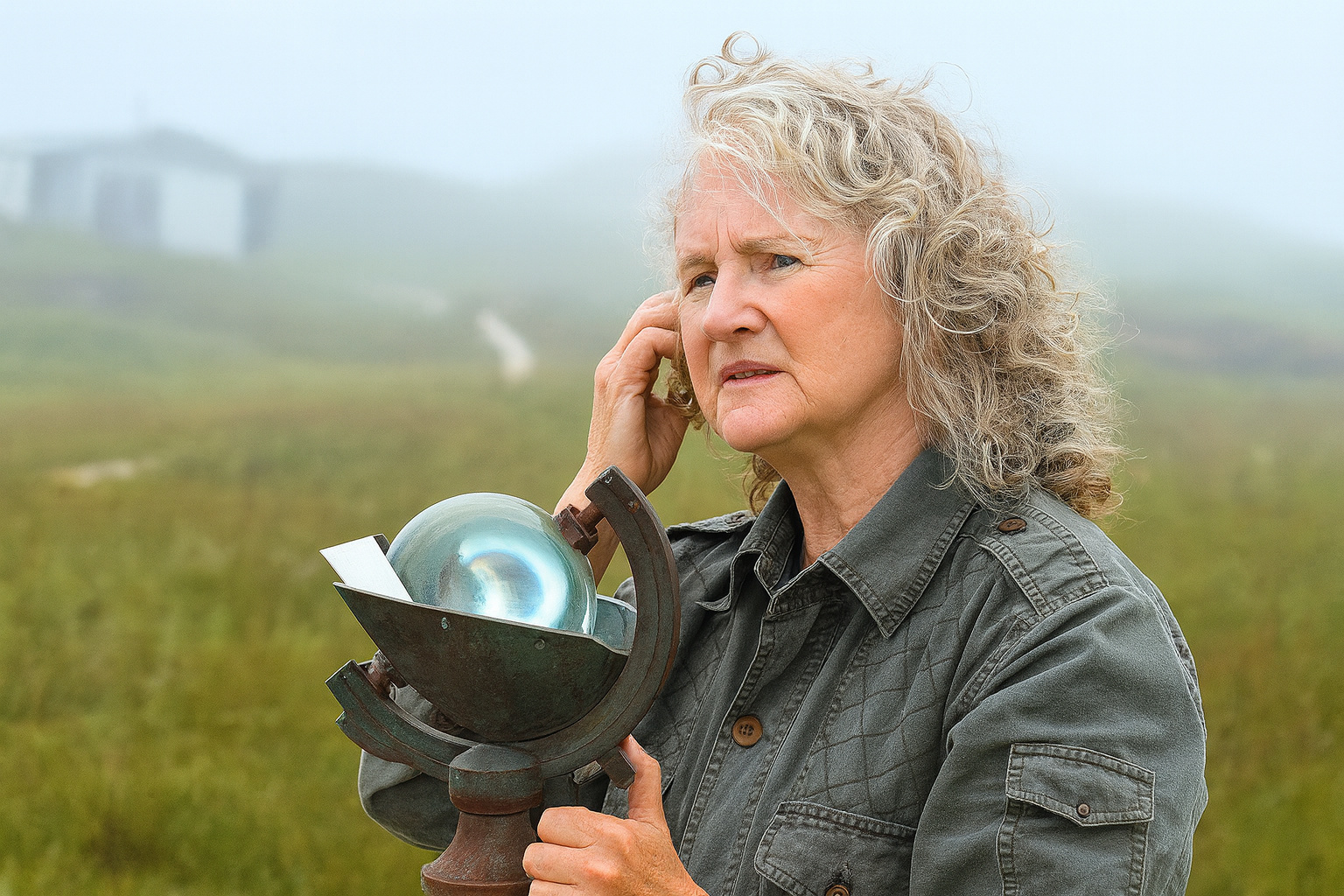
The Routine Chosen By Canadian Zoe Lucas Transformed Sable Island Into A Scenario Of Continuous Coexistence With Dunes, Strong Winds And Hundreds Of Wild Animals
Zoe arrived at Sable Island in 1971, when she was still a 21-year-old student. The Canadian island is located in the North Atlantic, about 300 kilometers from Halifax, Nova Scotia. She has spent a large part of the last four decades in the area.
History Of Zoe Lucas’s Stay On Sable Island
Her first visit occurred during an academic trip in 1971. She returned for short periods before deciding to stay for an extended time. Later, she got a job as a cook for a research project that operated away from urban centers. Subsequently, she joined an environmental recovery program that enabled her permanent presence.
The researcher has always shown interest in the wild horses that inhabit the island. Even in the early 18th century, these animals were brought to the location during a failed attempt to establish a community. The project did not advance, but the horses adapted to the environment and multiplied in the dunes.
-
Mars is accelerating, and scientists have discovered that the planet’s day is getting shorter, revealing surprising signs of internal activity.

-
Artemis 2 is set to launch on April 1 at 7:24 PM to orbit the Moon with four astronauts, but a class X solar flare and coronal mass ejection could interfere with communications and threaten the launch.

-
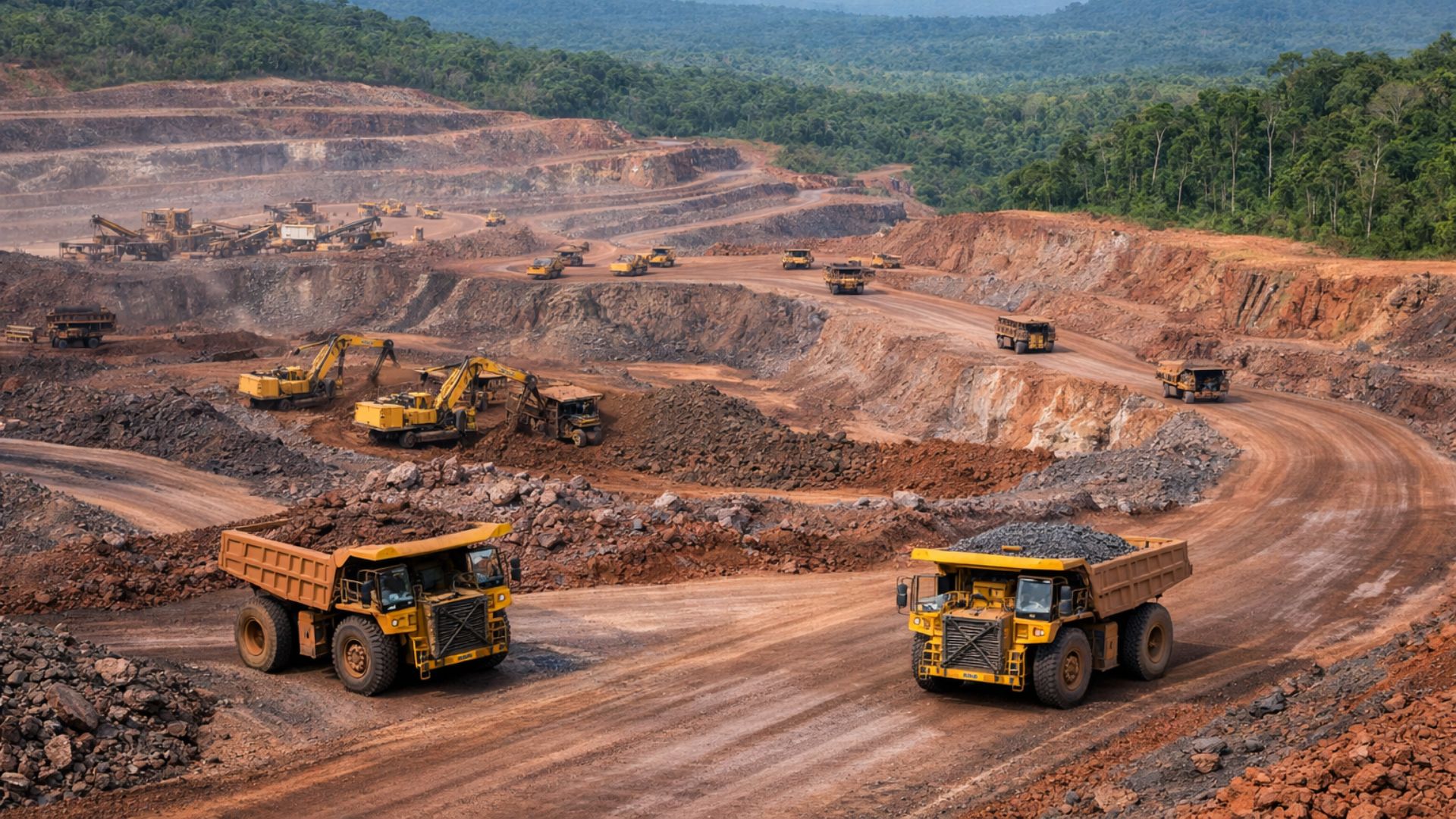
The largest deposit of Vale was discovered by accident and today represents almost all the ore produced by the company.
-
The Brazilian Army takes F-5 fighters out of the garage and stars in an air combat with support from the KC-390.


Geographical And Environmental Characteristics Of Sable Island
The island is about 34 square kilometers and is under heavy fog for approximately 125 days each year. The weather conditions make navigation difficult and explain the large number of shipwrecks recorded in the region. More than 300 vessels have been identified in the surrounding area, which solidified the nickname “Cemetery of the Atlantic.”
Zoe is surrounded by about 400 horses, approximately 300,000 seals, and over 350 species of birds cataloged by Canadian researchers. Despite the intense animal diversity, she remains the only permanent human resident.
Environmental Monitoring And Activities Carried Out On The Island
Her routine includes detailed observations of the horses, collection of skulls for scientific analysis, and constant monitoring of environmental changes recorded over time. Consequently, Zoe also manages a weather station and collects debris brought in by the tides to support studies on marine pollution.
The collected data is sent to universities and research centers that analyze the adaptation of wildlife and climate impact. In this way, the island functions as a natural laboratory due to its geographical isolation and extreme weather conditions.
Supply Logistics And Conditions Of Stay
Despite the distance, Zoe receives weekly supplies transported by helicopters. The loads are dropped with parachutes to ensure safety in the unstable dunes. For this reason, she can maintain her routine without frequent relocations.
The researcher claims that she does not feel lonely and expresses satisfaction with her life choice. She rarely leaves the island and hardly ever visits Halifax. As reported by Sadie Whitelocks, Zoe intends to stay there for the rest of her life, surrounded by dunes, animals, and the ocean.
Relationship Between The Researcher And The Local Wildlife
The prolonged coexistence has allowed Zoe to accumulate deep knowledge about the behavior of wild horses. Additionally, the constant mapping of the equine population supports studies on genetic adaptation and evolution of species isolated from urban centers. The collected information also contributes to the formulation of Canadian environmental policies.
Influence Of Isolation And Perception Of Remote Routine
The continuous presence has shaped a routine marked by silence, strong winds, and observation of nature. For specialists involved in the project, Zoe’s experience demonstrates that remote environments can offer unique opportunities for environmental research, especially when associated with complex logistics and challenging weather conditions.







Seja o primeiro a reagir!