





 Portuguese
  English
  Spanish
  4 min of reading
  0 comments


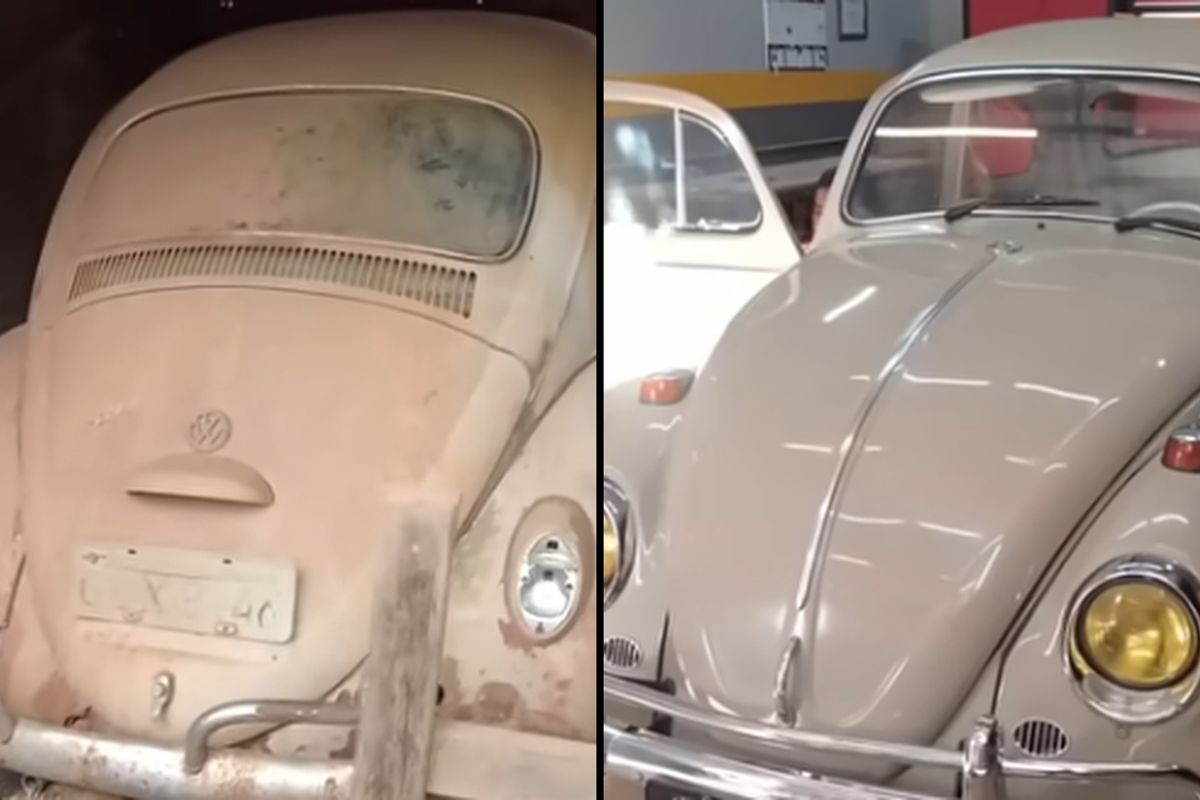
The 1970 Beetle Was Stuck in the Wreckage, With Locked Wheels, Broken Glass, and Stolen Wiring, But Was Dismantled Piece by Piece and Came Back to Life With Shine Again
The 1970 Beetle had been sitting for almost 20 years in an abandoned corner house, one of those that became “landscape” of the city. On the day of the rescue, the scene was one of complete abandonment: dirt piled up, debris blocking the exit, and a strong smell that indicated the time trapped in the same place.
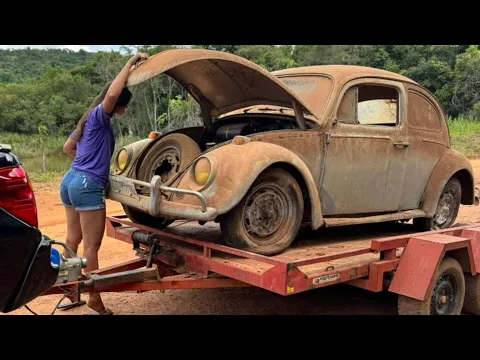
Even so, the owner of the project decided to face it. With a trailer, compressor, battery, and tools, she pulled the 1970 Beetle out of the ghost house by force, dealing with locked wheels, lack of brakes, and a tight gate that almost made the mission abort before it even started.
The Rescue of the 1970 Beetle Turned Into a War Operation
Right upon arrival, it became clear that getting the 1970 Beetle out of there wouldn’t be just “pull and done.” There was debris in front of the car, parts scattered, a bed headboard, and dirt blocking the way. The house was also abandoned, and access to the car was poor.
-
These living root bridges and ladders are over 700 years old and help indigenous people survive in one of the rainiest regions in the world.

-
From sertanejo star to international investor: Ana Castela invests millions in a mansion in the USA, creates a themed accommodation in Orlando, and shows that the “boiadeira” also wants to grow away from the stage.

-
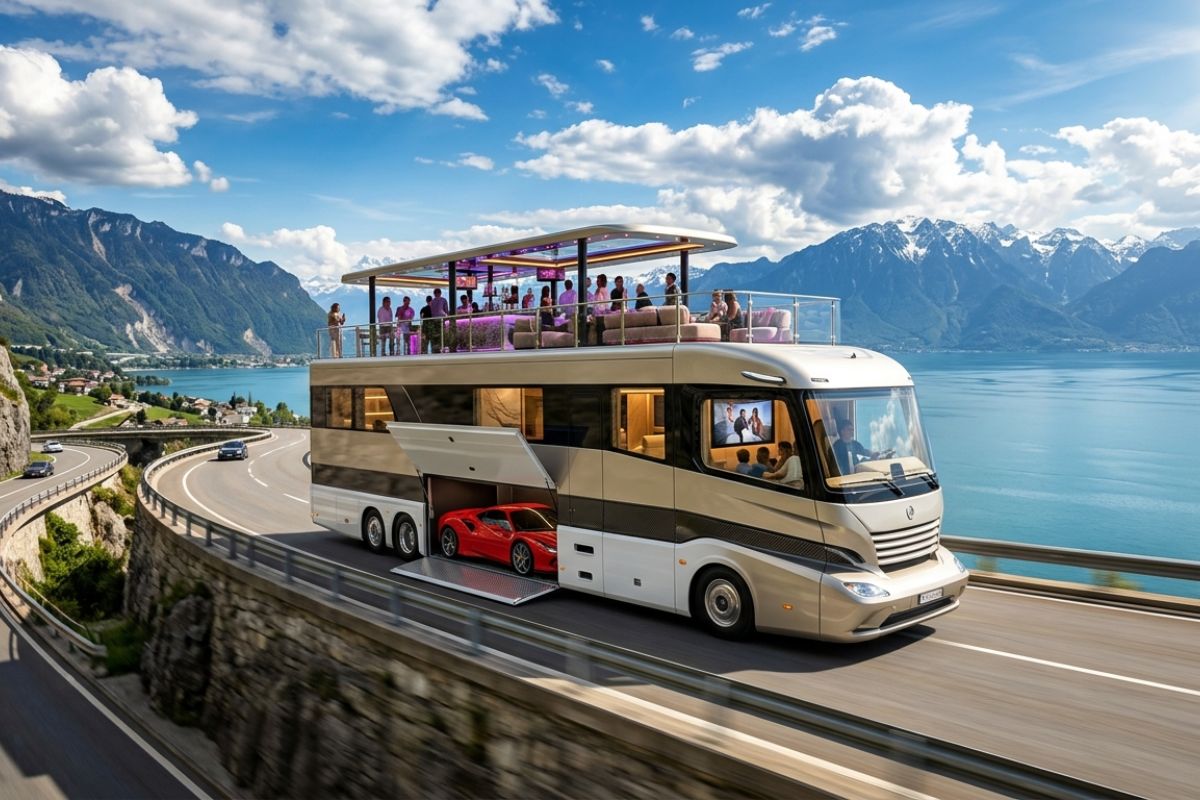
The 10 most stunning motorhomes in the world: a $3 million trailer with a rooftop nightclub and garage for a Ferrari, “palaces on wheels” with Italian marble, private cinema, and five-star hotel luxury for billionaires.
-
Trump wanted to spend $400 million on the White House, but the courts prohibited the million-dollar construction.


The owner authorized the rescue, but there was no key. The chain needed to be cut, and the car was dragged because pushing it “by hand” was impossible. The first major problem appeared quickly: locked wheels, a result of sitting too long, with brake shoes and drums rusty.
Locked Wheels, Broken Glass, and A 1970 Beetle That Had Been Messed With a Lot
Upon evaluating the car, the signs of abandonment were evident. The 1970 Beetle was very dirty, with torn seats, dirt everywhere, and flat tires. One of the windows was broken, with shards scattered, and taillights were missing.
There were also signs of vandalism: the wiring harness had been cut, probably because the car became vulnerable in the abandoned house. The wiring was taken, and this became one of the biggest tasks at the start of the process because without reliable electrical wiring, there’s no functional testing.
First Victory: The 1970 Beetle Shows Signs of Life After Almost 20 Years
After a lot of superficial cleaning and a temporary direct connection for testing, the most anticipated moment came: seeing if the 1970 Beetle still had an engine. The strategy was simple and careful: make a temporary jury-rig just to check for response since the original harness was compromised.
And the car responded. The 1970 Beetle gave signs of life and even started, even after so much time sitting. It wasn’t yet stable operation, with adjustments to be made and fuel supply to be checked, but it was confirmation that there was a foundation for a complete restoration.
Dismantling Piece by Piece: Cabin Separated from Chassis and Heavy Cleaning
With the decision to truly restore, the path was to dismantle. The 1970 Beetle ended up having its cabin separated from the chassis, exposing what normally stays hidden: a lot of dirt, spots with old filler, repair marks, and parts dried out from time.
The cleaning became a mandatory step, because it was impossible to “mask” decades of dirt. The tank, interiors, and corners where hands can’t reach required heavy work. In some areas, there was rust and parts so rotten that it was a challenge just to remove them.
Electrical System Rebuilt and the Care to Not Turn the Classic into a Risk

With the wiring stolen, the project required rebuilding the electrical part. The initial test was temporary, but the idea was clear: to redo the electrical system of the 1970 Beetle safely, avoiding bad connections and overheating risks.
Restoring an old car demands attention to small details because one wrong wire compromises headlights, dashboard, oil light, starting, and can cause serious problems. Therefore, the electrical work became one of the priorities before finishing the detailing and assembly.
Painting Changes Everything: Chassis Gains a New Look and the 1970 Beetle Is Reborn
Next came the stage that most changes perception: painting. The chassis, which had a tired appearance and rust spots, gained new life after the coats. The paint gave a new look to the 1970 Beetle, and each finished piece reinforced the feeling that the car was coming back.
The wheels, once pure rust and locked during the rescue, underwent transformation. The contrast between the “before” and “after” became evident as the parts began to shine and the assembly was put together to test fittings and alignment.
Showroom Finishing and a 1970 Beetle That No One Would Say Had Been Sitting for 20 Years
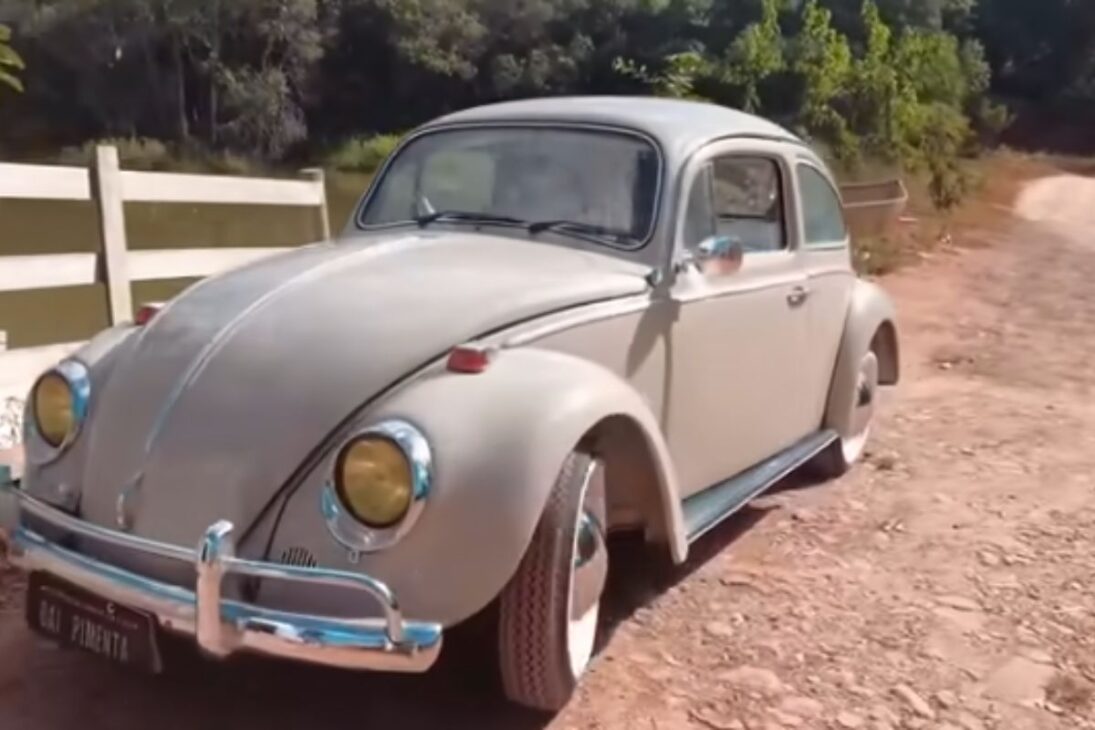
With the glass clean, the shine returning, and parts assembled, the comparison to the day of the rescue became almost absurd. The 1970 Beetle arrived dragged, locked, and destroyed, and left looking like a showroom.
In the end, the process was so comprehensive that it included painting, engine, suspension, and anything necessary to deliver the car at the expected level. The account still mentions costs: it was R$ 17,000 in materials and R$ 3,000 in labor, as the recording of the process influenced the amount charged.
Which part of the restoration of the 1970 Beetle do you think was the most difficult: getting the locked car out of the ghost house, rebuilding the electrical system from scratch, or tackling the full dismantling for painting and assembly?








-

-

-

4 pessoas reagiram a isso.