





 Portuguese
  English
  Spanish
  3 min of reading
  0 comments


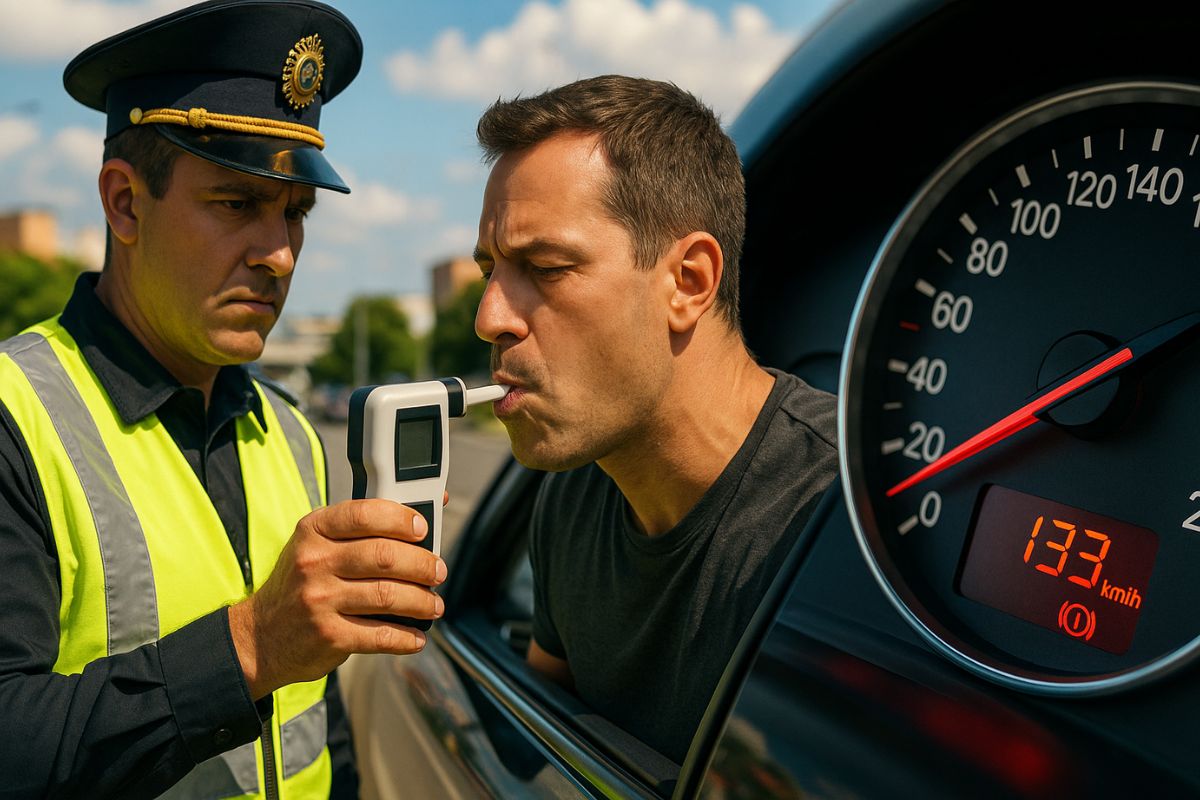
Severe Fines For Drivers Who Violate These 5 Traffic Laws. The Main Rules Of The Brazilian Traffic Code Are Becoming Increasingly Strict, And The Severe Fine For Drivers Who Ignore Them Can Hit Their Wallet.
The severe fine for drivers who violate the legislation is not only a financial punishment but also a warning about the risks of recklessness on the road. The Brazilian Traffic Code (CTB) establishes rules that aim primarily to save lives and reduce accidents, and failing to comply with these rules results in increasingly harsh penalties.
With the increase in recorded violations in 2025, experts emphasize that following the laws is essential for the safety of drivers, passengers, cyclists, and pedestrians. In addition to monetary penalties, which can exceed thousands of reais, disrespecting the rules also results in points on the license and, in some cases, even suspension of the right to drive.
Mandatory Seat Belt Use
The seat belt is the simplest and most effective device for reducing injuries in accidents. All vehicle occupants must wear it, regardless of whether they are in the front or back seats.
-
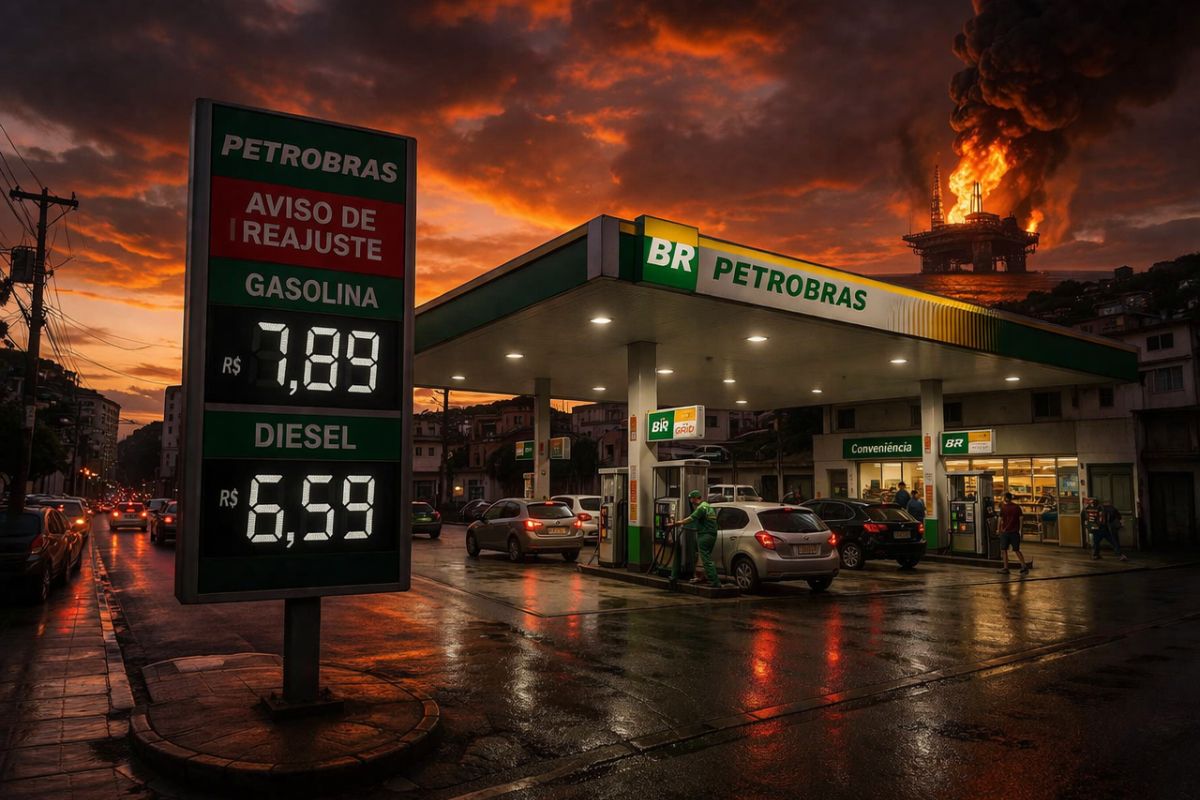
Oil surged to $115 a barrel due to the war in the Middle East, and diesel in Brazil has already risen to R$ 7.45 per liter, while the United States…
-
Brazilian city bets on the business environment to generate jobs and attract investments in the energy sector — secretary reveals strategy at Macaé Energy 2026.

-
50 viaducts, 4 tunnels, 28 bridges, and 40 kilometers of bike paths: BR-262 in Espírito Santo will receive 8.6 billion reais for the largest engineering project in the state’s history, inspired by the Immigrant Highway in São Paulo.

-
Brazil produces too much clean energy and doesn’t know what to do with it: over 20% of solar and wind capacity was wasted in 2025 while investors flee and 509 renewable generation projects were abandoned in the last year.


Failure to comply with this rule results in serious fines, loss of points on the driver’s license, and a heightened risk of fatal injuries in the event of collisions.
Zero Tolerance For Alcohol
The Dry Law is one of the most rigorous in the CTB. Any amount of alcohol detected constitutes a violation.
The caught driver may receive a severe fine of R$ 2,934.70, suspension of the driver’s license for 12 months, and vehicle seizure. In more severe cases, it may be categorized as a traffic crime, with the possibility of imprisonment.
Respect For Cyclists
The legislation requires drivers to maintain a minimum distance of 1.5 meters when passing bicycles, as well as to respect bike lanes and cycle paths.
Ignoring this rule can result in a severe fine for drivers and represents a direct risk to the lives of cyclists, who are considered the most vulnerable road users.
Safe Transport Of Children
The use of child seats, booster seats, and child safety belts is mandatory for transporting children.
Non-compliance results in extremely high fines, vehicle seizure, and seven points on the driver’s license, in addition to putting the lives of minors at risk in the event of accidents.
Speed Limit
Exceeding the established limit on roads remains one of the most frequently recorded violations in the country.
Depending on the severity, the penalty can range from a medium fine to a severe fine for drivers who exceed over 50% of the allowed speed, with immediate suspension of the driver’s license.
Why Respecting The Rules Is Vital
More than just avoiding penalties, following traffic legislation is about preserving lives. Studies indicate that the proper use of seat belts, adherence to speed limits, and zero tolerance for alcohol can reduce the number of traffic deaths by up to 70%.
In cities like São Paulo, Rio de Janeiro, and Curitiba, awareness campaigns have shown that small individual actions result in significant collective impacts, making the roads safer for everyone.
Social Impact Of Fines And Traffic Rules
Traffic laws exist not only to punish but to organize coexistence on the roads and protect the most vulnerable. Strict enforcement reflects the effort to reduce accidents and costs to the public health system.
In 2025, states and municipalities are strengthening education and enforcement actions, betting on a combination of severe fines for drivers and educational campaigns as a way to balance punishment and awareness.
The severe fine for drivers who disrespect the law is just the visible consequence of dangerous choices on the road. The real impact goes beyond the wallet: it involves preserved lives and a safer society.
And what about you? Do you believe that higher fines really change driver behavior, or are additional educational measures necessary? Share your opinion in the comments.









-

-

-

3 pessoas reagiram a isso.