





 Portuguese
  English
  Spanish
  3 min of reading
  1 comment


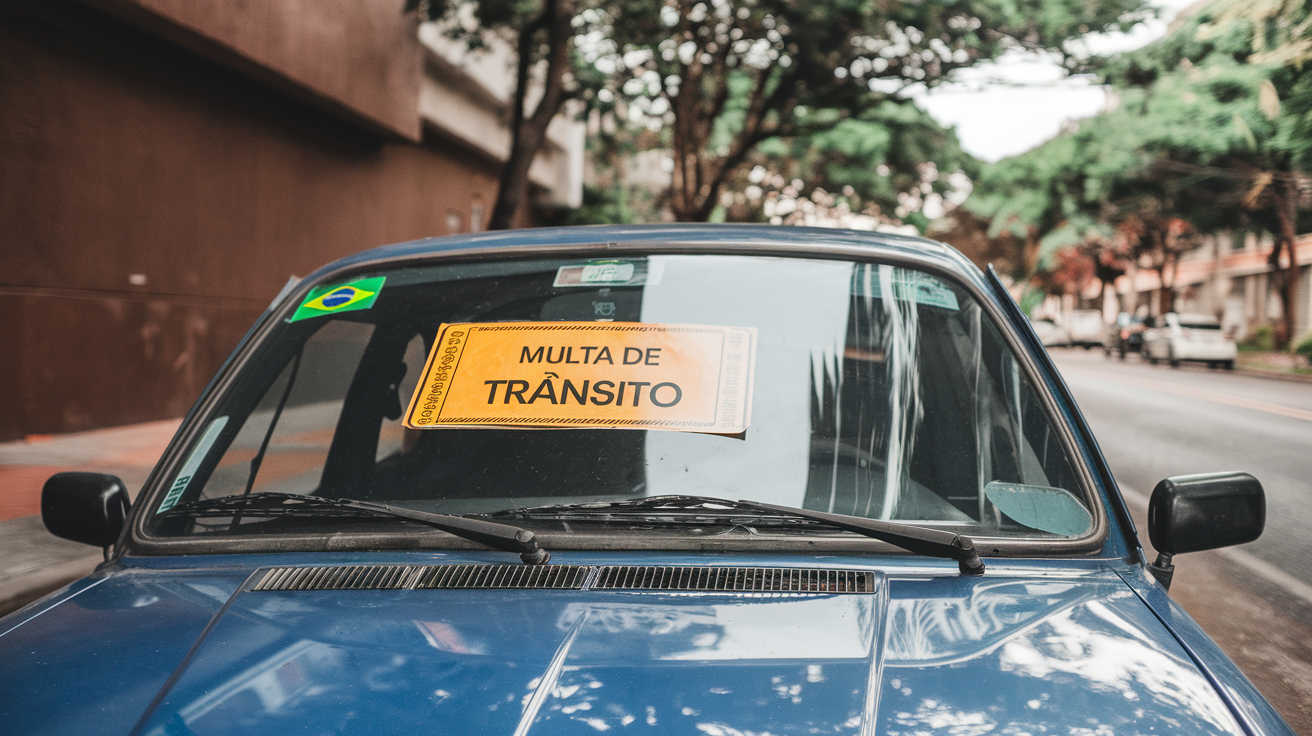


The Headlight Law Surprises Drivers: Fines Increase and Penalize with Points on the Driver’s License. Discover How to Avoid Violations and Understand Everything About the New Rules in Effect!
Millions of Brazilians use their cars daily to get to work, school, or other commitments. However, it is essential to always pay attention to traffic laws to avoid fines, points on the driver’s license, and even more serious complications. Recently, an important update in the legislation came into effect: the Law No. 14,071/2020, which amended the Brazilian Traffic Code and brought new rules regarding the mandatory use of headlights on highways. This change requires increased attention from drivers, as non-compliance can result in fines and penalties. In this article, we will detail the requirements of the headlight law, how it works, and the best practices to avoid traffic violations.
What Changed with the Headlight Law That Has Been Fining Drivers Across Brazil?
To better understand how the fine under the headlight law works, it is first necessary to remember that, since Law 13,290 in July 2016, drivers have had the habit of turning on their headlights upon entering a highway.
At that time, the law mandated the mandatory use of low-beam headlights on highways. In case of non-compliance, the driver could receive a headlight law fine of medium severity of R$ 130 and an additional four points on their document.
-
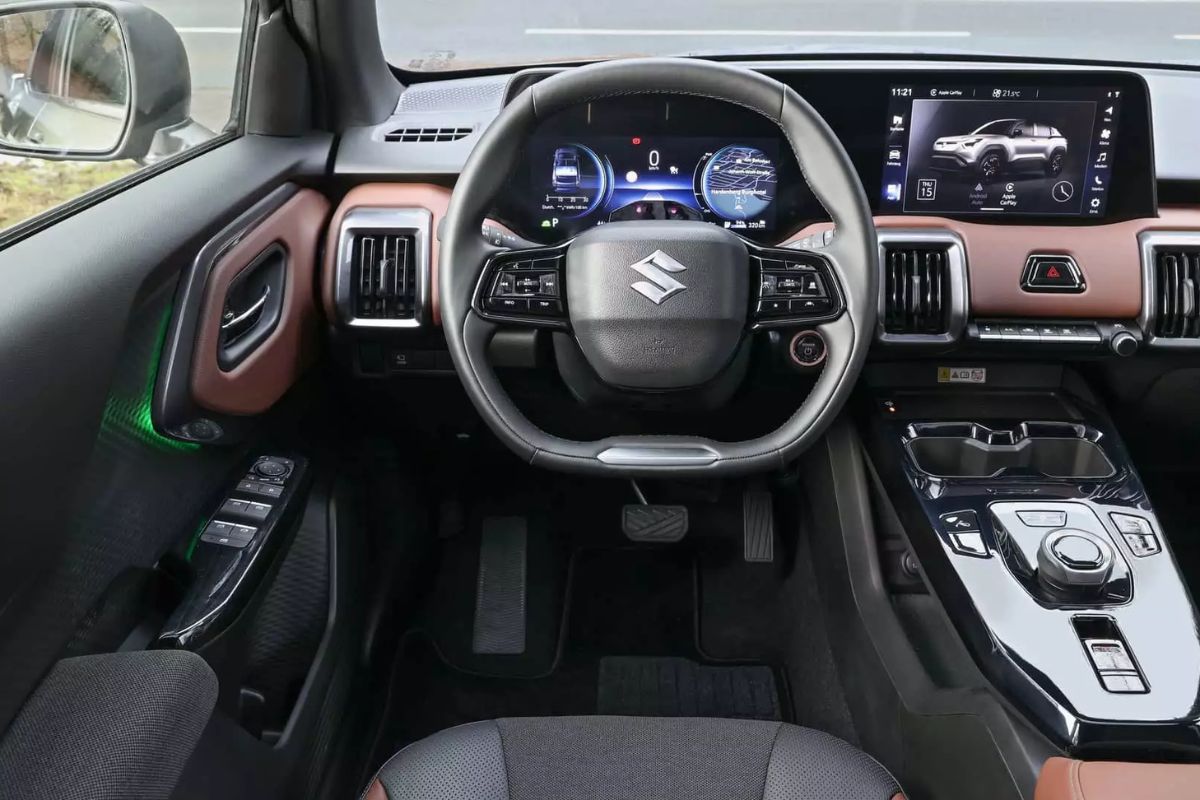
The 2026 electric Vitara arrives in Brazil and proves that Suzuki is not leaving: 4×4 traction, 184 hp, 61 kWh LFP battery, 293 km range, R$ 259,000, and a trunk capacity of 224 L.
-
Hyundai has unveiled the Boulder, a square SUV with a body-on-frame design, 37-inch mud tires, and carriage-style doors that seems to be made to take on the Ford Bronco and the Scout Traveller in the United States.

-
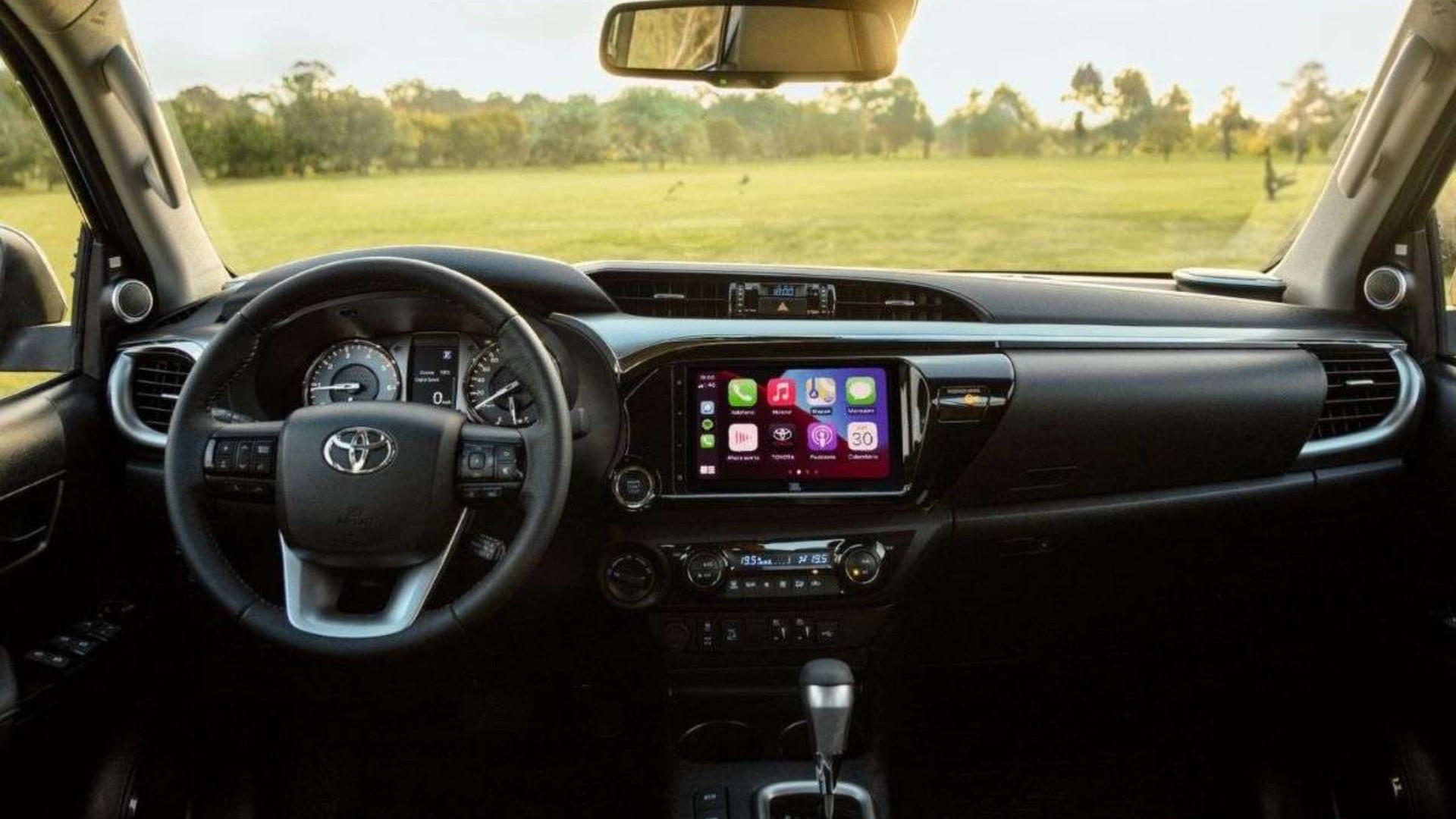
The Toyota Hilux is R$ 75.5 thousand cheaper and bets on the 2.8 turbodiesel engine with up to 204 hp and 50.9 kgfm to catch up with the VW Saveiro, which leads with 4,472 sales.
-
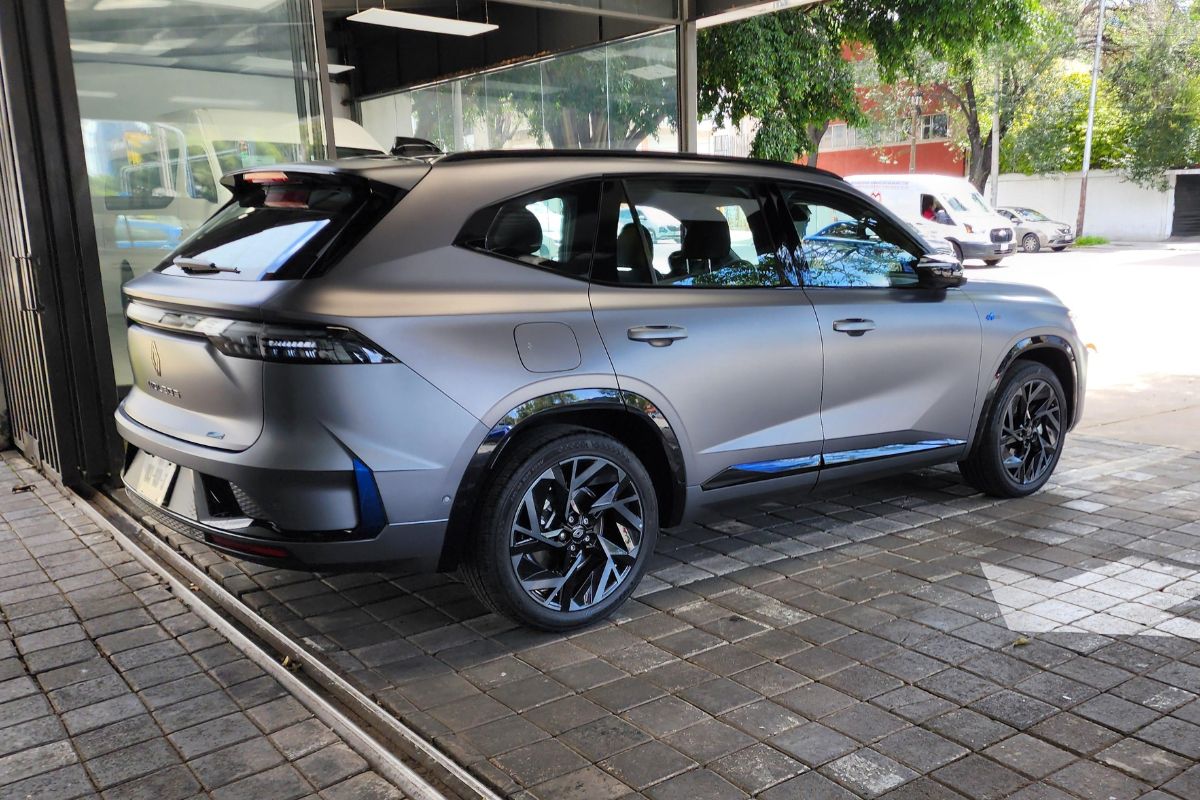
The new Renault Koleos has a screen exclusively for the passenger that is invisible to the driver, heated rear seats, and 29 assistance systems, but its Chinese competitors cost R$ 40,000 less and deliver more power.
However, in 2020, the law underwent an amendment due to the Norm 14,071/2020, which has been in effect since April 2021 and continues to apply. According to investigations by the Quatro Rodas website, the new headlight law dictates the use of low beams during the day on single-lane highways.
Thus, drivers who do not use low beams only on single-lane highways may be fined, meaning that on roads with multiple lanes and some physical separation between opposing directions, drivers will not need to turn on their headlights.
In Which Cases Should the Headlight Law Not Be Applied?
For example, on highways like Dutra, Castello Branco, Imigrantes, Ayrton Senna, Bandeirantes, and Anhanguera, drivers do not need to use low beams. On rural roads, often used to access farms, ranches, and small properties, the use of lights during the day is still mandatory to avoid fines under the headlight law that deduct points from the driver’s license.
However, at night, the law requires the mandatory use of low beams on all roads and by all types of vehicles. Moreover, the law also states that cars with daytime running lights (DRL) do not need to use headlights during the day, even on single-lane highways.
DRLs are characterized by LED lights with strong intensity that automatically turn on with the car. Since 2021, Contran has mandated that all new models come equipped with daytime running lights (DRL). Thus, starting in 2023, all vehicles manufactured in the country are required to have this equipment.
New Traffic Law That May Suspend Driver’s License
In addition to this fine under the headlight law, Brazilians must now pay attention to another law that may carry a fine of R$ 3,000.
The new Bill (PL) aims to tighten punishments for drivers who perform dangerous overtaking. Such overtaking, if the project is approved, will be classified as very serious infractions. The proposed penalty includes a significant fine of R$ 3,000, along with a 12-month suspension of the infractor’s driver’s license.
These measures are defended as essential to increase safety on the roads and reduce the number of accidents caused by reckless maneuvers. The proposal is still under analysis and needs to be approved in the competent committees before moving to a vote in plenary. The reason for the severity of the proposed penalties is the direct relationship between dangerous overtaking and fatal accidents.










Em melhoria das estradas ninguém fala, más apenas falar em multas é mais fácil.