





 Portuguese
  English
  Spanish
  4 min of reading
  21 comments


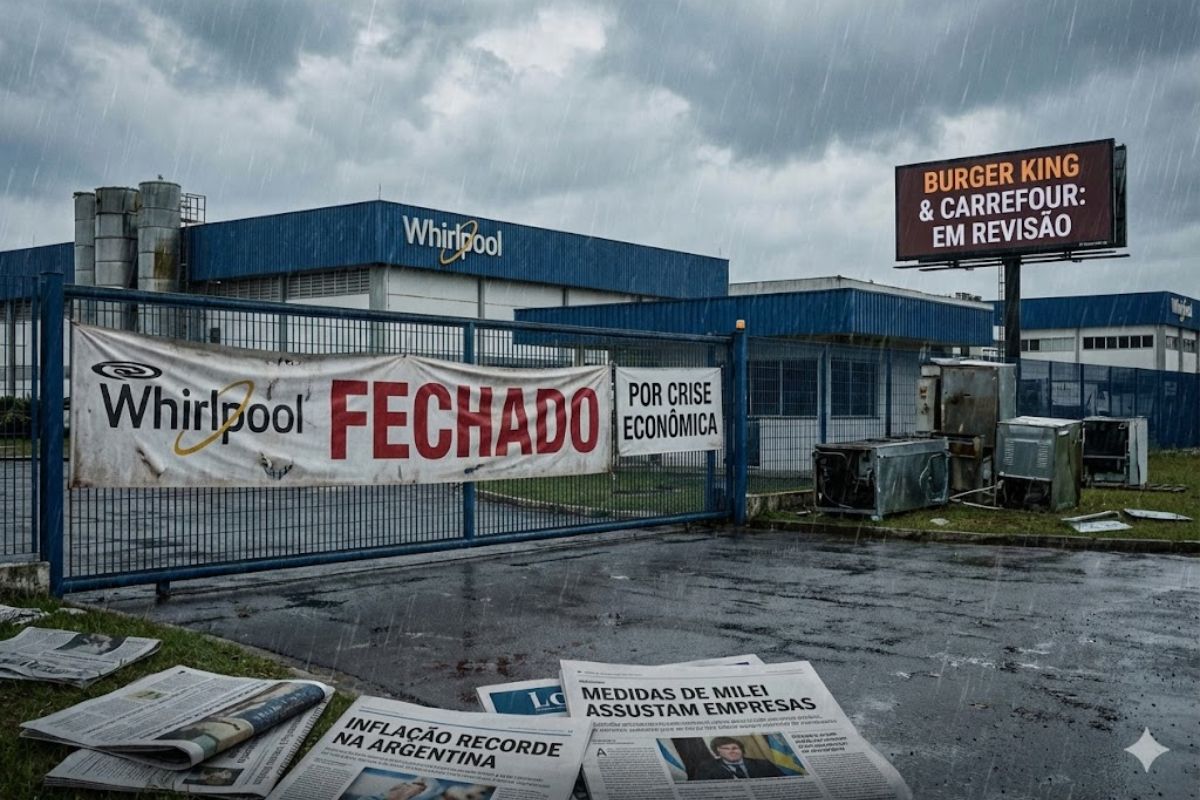


The Million-Dollar Factory in Pilar, Inaugurated in 2022 with an Investment of US$ 52 Million, Ceases Production of 300,000 Washing Machines Per Year, Lays Off 220 People, and Exposes How 117.8% Inflation and Javier Milei’s Measures Push Burger King and Carrefour Toward Divestment in Argentine Operations.
Announced on November 26, 2025, the closure of the million-dollar factory of Whirlpool in Pilar, Argentina, halts an annual production of 300,000 washing machines and leaves 220 workers unemployed, in yet another sign of the turmoil affecting the country’s economy. The decision deepens the climate of uncertainty for those dependent on the Argentine home appliance industry.
According to the portal Diário do Comércio published on November 29, Whirlpool was inaugurated at the end of 2022 after an investment of US$ 52 million, becoming a symbol of the new phase of Argentina under Javier Milei, where 117.8% inflation in 2024 and fiscal adjustment measures are pressuring foreign companies to review contracts, costs, and long-term plans. In this scenario, multinationals like Burger King and Carrefour are re-evaluating operations, physical presence, and investment volumes in the country.
Closure Marks the End of the Unit’s Cycle in Pilar
The million-dollar factory of Whirlpool in Pilar began operations at the end of 2022, following an investment of US$ 52 million to expand the production of the Consul and Brastemp brands in Argentina.
-
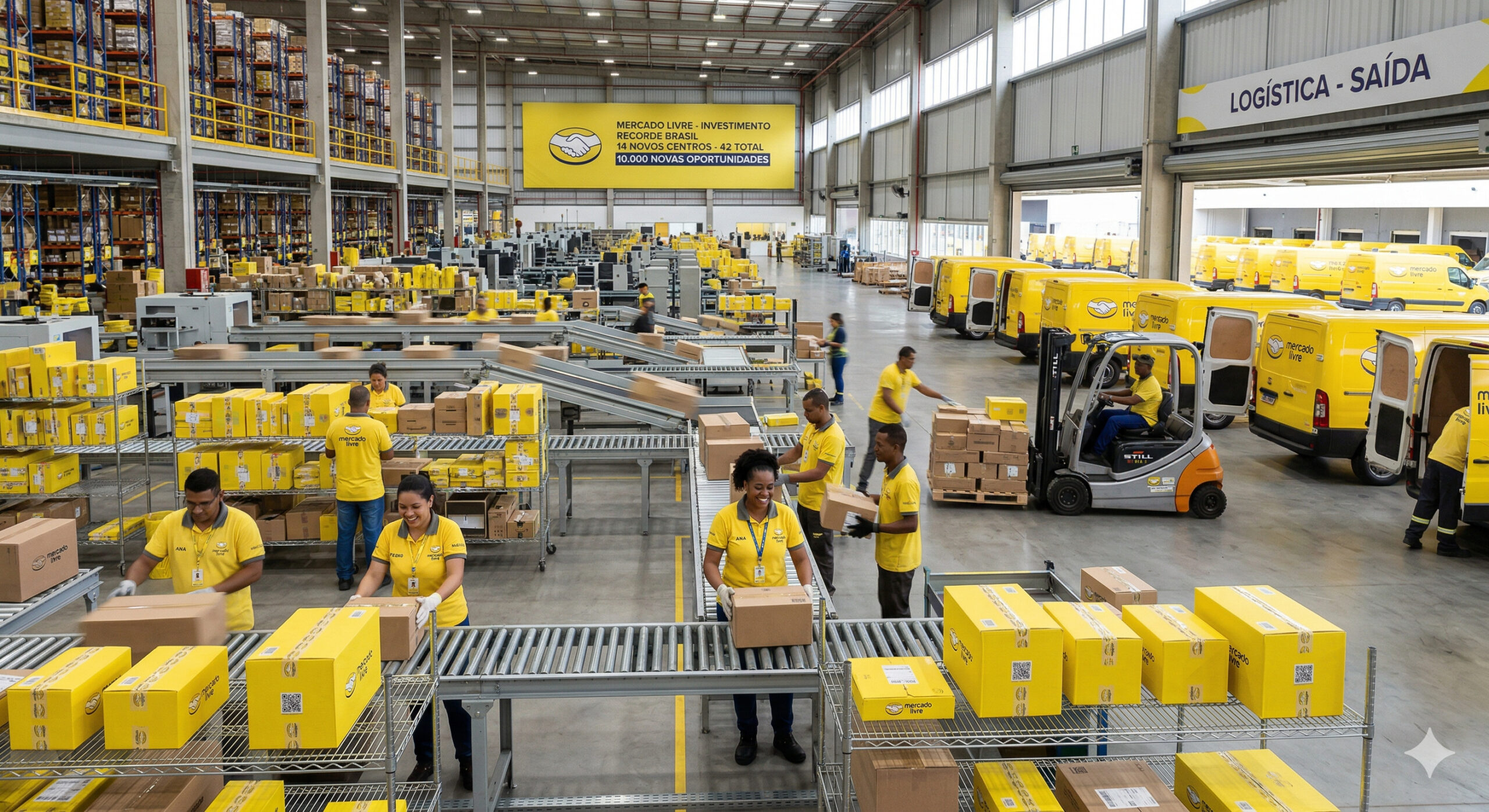
Mercado Livre “opens the vault” and announces a record investment of R$ 57 billion in Brazil in 2026, a value 50% higher than the previous year, with an expansion plan that includes 14 new logistics centers, totaling 42 units in the country and hiring an additional 10,000 employees.
-
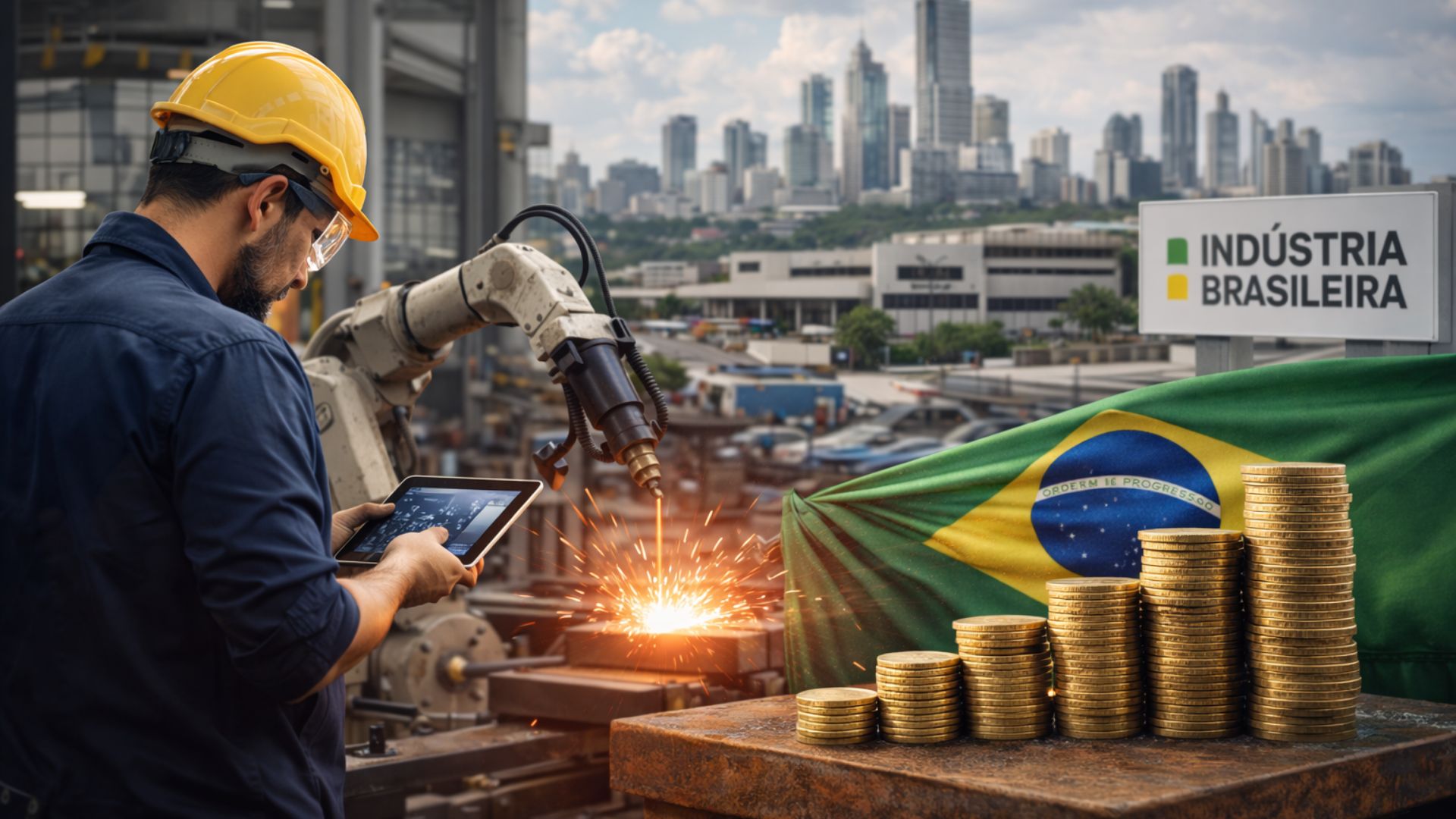
How investment in technology can revolutionize the national economy and enhance industrial gains, according to a study that highlights the direct impact on productivity, innovation, and wealth retention within Brazil.
-
The largest food company on the planet, JBS, has just opened a 4,000 square meter laboratory in Florianópolis to develop customized proteins that modulate muscle mass gain, immune response, and metabolic performance.

-
After nearly 30 bids and competition among industry giants, a Spanish company purchases one of the largest airports in Brazil for almost R$ 3 billion and takes over the management of Galeão in a concession that will last until 2039.


With a capacity for 300,000 washing machines per year, the unit was inaugurated as a modernization project for the company’s line of home appliances in the country and now has ceased productive activities, less than three years after opening.
According to the company, the closure of the plant is directly linked to the combination of declining domestic consumption and increasing imports of home appliances, factors that compress margins and reduce the competitiveness of local production.
With the production lines halted, 220 employees were laid off, and the closure of the unit now represents, for the sector, a portrait of the tightening faced by the home appliance industry in a weakened market.
117.8% Inflation and the Milei Government Change the Game for Multinationals
The decision by Whirlpool occurs in a given unfavorable economic climate in Argentina, worsened by fiscal measures adopted by the Javier Milei government. In 2024, annual inflation reached 117.8%, eroding households’ purchasing power, increasing credit costs, and putting pressure on operational costs of companies dependent on local and imported inputs. In an environment of weak currency and constantly revised rules, large-scale industrial projects become more vulnerable.
The practical effect of this situation is a wave of investment re-evaluation. Burger King announced the sale of its operations in Argentina as part of an expanded divestment strategy that also includes Chile and Mexico, reducing exposure to markets considered more volatile.
At the same time, Carrefour is exploring the sale of assets in the region, adopting a cautious approach and re-evaluation in light of the uncertain economic environment.
Large retail and food chains are beginning to adjust their physical presence, operating format, and financial commitments in the country.
Whirlpool Changes Strategy but Remains in the Argentine Market
Despite the closure of the million-dollar factory in Pilar, Whirlpool states that it will not leave the Argentine market. The company will adopt a strategy based on import, marketing, and distribution of products, instead of maintaining local production of washing machines.
The aim is that a lighter model in industrial assets allows greater flexibility to deal with variations in demand and costs.
According to the company, this approach seeks to maintain service to local consumers without reducing the supply of Consul and Brastemp products in Argentine stores.
Whirlpool emphasizes that it has maintained a presence in the country for about 35 years and retains a team structure involving between 100 and 120 employees, responsible for commercial operations, retail relationships, and brand management in the Argentine market, even after the production line in Pilar has been halted.
Warning Signal for Other Million-Dollar Factories in the Region
The closure of the million-dollar factory in Pilar serves as a warning signal for companies investing in high-value industrial plants in the region.
The case shows that, in a context of high inflation, pressured consumption, and increasing competition from imported products, expansion decisions can be reversed into capacity cuts and accelerated divestments.
In this new scenario, Whirlpool, Burger King, and Carrefour stand side by side on the map of global groups reevaluating their presence and strategy in Argentina.
As one closes production, another sells operations, and a third contemplates disposing of assets, the market observes whether the country will be able to provide enough predictability to retain investments and prevent other large factories from following the same path as the Pilar unit.
In your opinion, is the closure of this million-dollar factory in Pilar just a one-time adjustment or the beginning of a mass exodus of major brands from Argentina?









Jornal bem tendencioso da esquerda, no Brasil Carrefour já está quebrado, burguerkimg fechou lojas na Europa por má gestão e falta de investimento em inovação, aí vem falar que é Mlley. Vai se informação antes de publicar.
Que nada a empresa que foi mal acessorada. Ja tem fabricao brasil nem precisava de outea tao perto.
Jornalistazinha militante, foi tendencioso: a inflação não surgiu agora…. é herança **** que está sendo domada