





 English
  Francês
  Alemão
  Italiano
  Japonês
  Norueguês
  Portuguese
  Spanish
  3 min of reading


Beyond Heineken, Other Global Giants Like Coca-Cola and McDonald’s Also Sold Their Empires in Russia for Peanuts
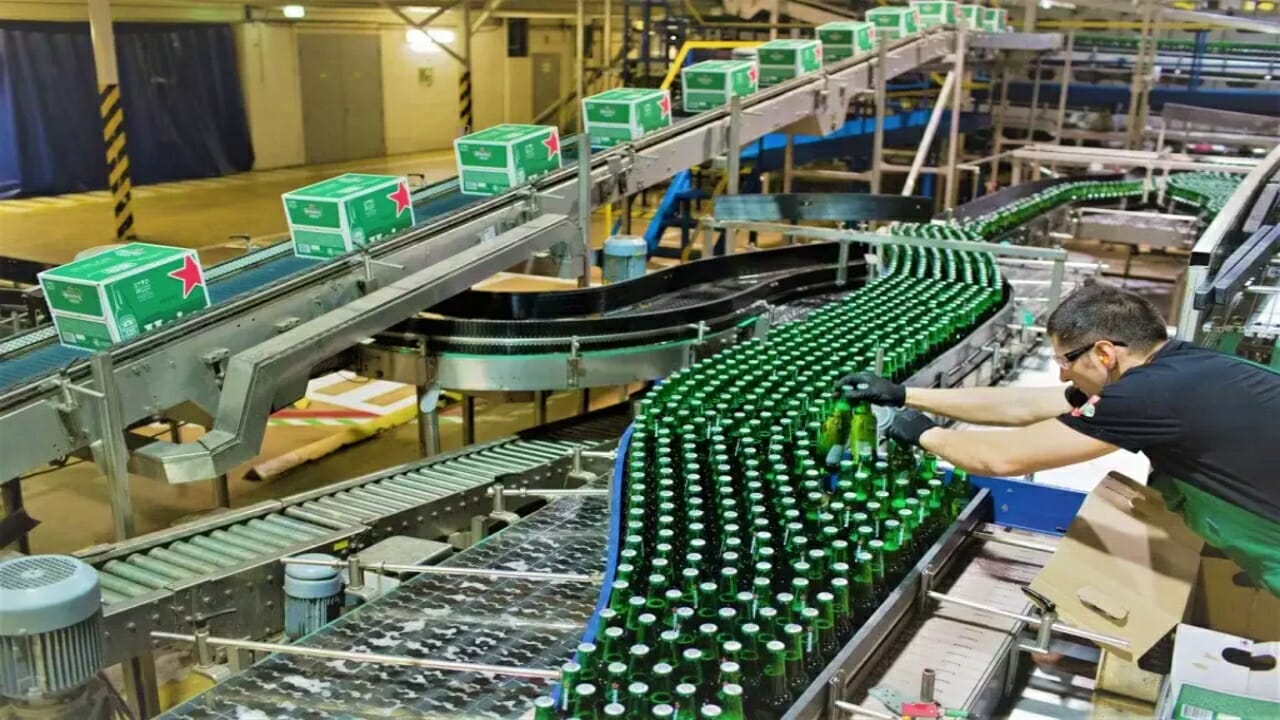
In a move that left the business world perplexed, Heineken, one of the largest breweries in the world, decided to sell its operations in Russia for a mere euro, approximately R$ 5 at the current exchange rate. The Dutch brewery’s operations included seven factories and employed around 1,800 workers across the vast Russian territory. But why would a giant like Heineken opt for such a seemingly risky move?
Not only Heineken, but other corporate giants like McDonald’s and Coca-Cola also faced challenges in Russia as the geopolitical and economic consequences of the tensions with Ukraine unfold.
The €1 Offer That Shocked the Business World and Left a €300 Million Loss for the Dutch Multinational
Heineken incurred an estimated loss of €300 million from the sale of its Russian division. That division is now being transferred to the Russian company Arnest, specializing in manufacturing aerosol cans. The sale represents the definitive end of Heineken’s operations in Russia, almost a year and a half after its initial commitment to exit the Russian market.
-
New shoe factory in Ceará is expected to create 400 jobs and strengthen the local economy.
-
No one imagined it, but a mixture of sawdust with a mineral that fights fires surprises scientists with a result that changes the course of fire-resistant construction.

-
From empty land to a high-end house, wooden construction uses a lightweight system, metal structure for the foundation, ventilated ceramic cladding, and special windows to create an efficient and comfortable living space throughout the year.

-
From vacant land to a high-end house, wooden construction uses a lightweight system, a metal structure for support, ventilated ceramic cladding, and special windows to create an efficient and comfortable living space throughout the year.


Surprisingly, this dramatic sale did not happen overnight. Heineken had already announced its commitment to exit the Russian market almost a year and a half prior. This raises the question: why did it take so long to finalize this decision? Dolf van den Brink, CEO of Heineken, admitted that “it took much longer than we expected.” However, he also emphasized that this transaction was a responsible choice to ensure the livelihood of the company’s employees.
Goodbye to Amstel and Heineken in Russia
The Russian company Arnest, which specializes in manufacturing aerosol cans, has become the new owner of Heineken’s seven factories in Russia for just €1. However, the agreement includes a vital commitment: Arnest has taken on the responsibility of keeping the 1,800 workers employed for the next three years. This measure aims to soften the impact of the transition and ensure stability for the local workforce.
The production of Amstel beer will be discontinued in six months, joining Heineken beer, which was removed from the Russian market in 2022, according to the company. This change signals the end of an era for popular beer brands in Russia, leaving room for new developments in the beverage market.
McDonald’s Sold 800 of Its Stores in Russia to a Local Entrepreneur
Heineken’s decision to sell for €1 is not an isolated case. Many other companies left Russia after the Russian invasion of Ukraine in February 2022. Businesses like McDonald’s were forced to hand over their operations and sold 800 of their stores in Russia to a local entrepreneur, creating the brand “vkusno i tochka” (“Tasty and That’s It!”). Coca-Cola also faced pressures before finally exiting the Russian market, creating alternative brands.
President Vladimir Putin also confiscated assets from foreign companies, such as the Carlsberg brewery and Danone yogurt manufacturer, in a show of state control. Additionally, some companies, like DP Eurasia, the owner of the Domino’s franchise in Russia, chose to close their doors and declare bankruptcy amidst the difficulties.
The decision by Heineken and other major corporations to leave Russia is intrinsically linked to the economic sanctions imposed on the country following its intervention in Ukraine in February 2022. Russia faced the immediate exit of several companies, while others, like BT Group and Lacoste, chose to remain.







Seja o primeiro a reagir!