Portuguese
  Spanish



The Impact of Fuel Prices on Brazilian Consumers: After a Truce in Adjustments, Diesel, Gasoline, and Ethanol Surge in August and Consumers Fear More Increases
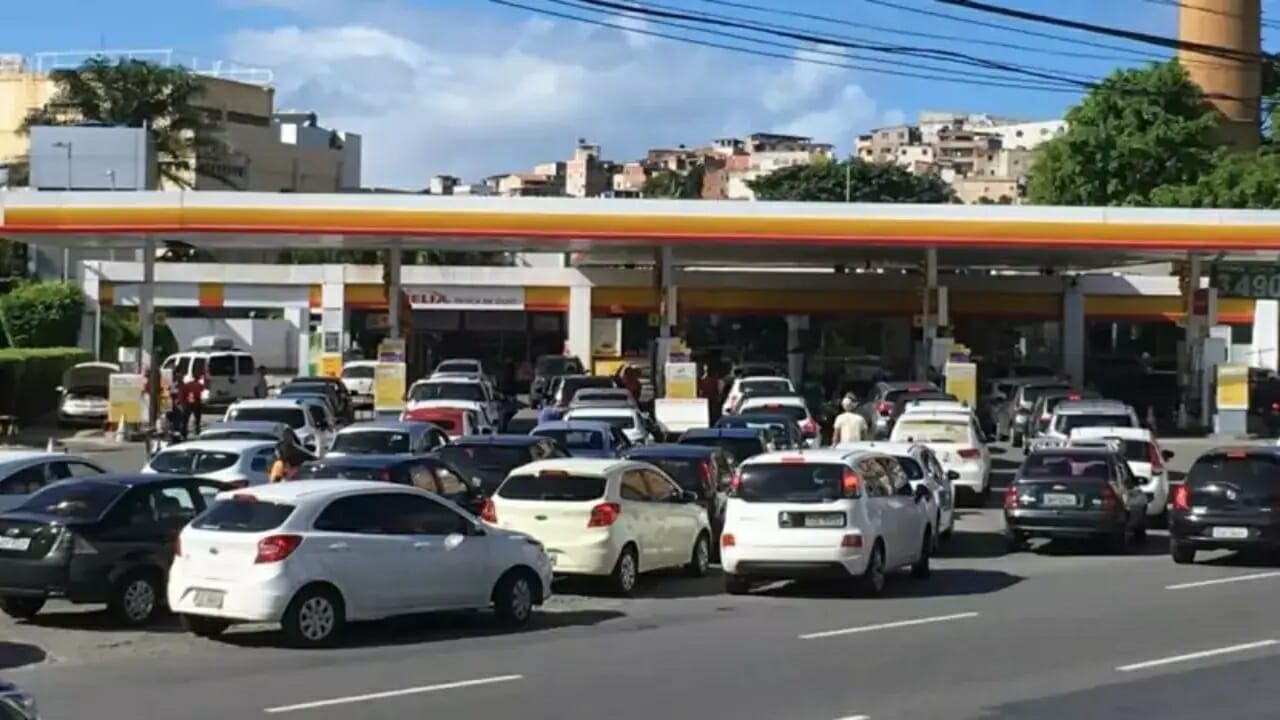
In the last week of August, the fuel scenario in Brazil underwent a shocking turnaround, leaving consumers apprehensive. Prices for gasoline, diesel, and ethanol saw significant increases, news that did not please most Brazilians already facing economic challenges.
The price of gasoline, the most used fuel in the country, increased by 3.22% from August 14 to 20, while diesel saw a significant jump of 10.06%. Ethanol also did not escape the trend, showing an increase of 0.77%.
But What Led to These Sudden Increases in Fuel Prices?
Petrobras, the main company responsible for fuel production and distribution in Brazil, announced a price increase of R$ 0.41 per liter of gasoline for distributors. As pointed out by Brendon Rodrigues, Head of Innovation and Portfolio at ValeCard, the pass-through of this adjustment is gradual. This is because gas stations maintain stocks at previous prices, meaning new prices will only be fully reflected at the pumps in the coming days.
-
A 180-meter ship with a deck the size of a football field was christened to carry 25,000 tons of giant energy modules around the world.

-
To erect the “Baleia” building on the richest avenue in Brazil, he bought 35 houses, paying with trips to Disney, a truck, and even an apartment, waited over 20 years, and today the complex is valued at R$ 2.5 billion.
-
The land belonged to her great-great-grandfather and was worth R$ 25 per square meter during the pandemic; the couple sold 250,000 m² for the nearly R$ 30 billion project that is transforming the “neighbor of Jericoacoara,” and today a house in the region goes for R$ 4.2 million.

-
Labor shortage reaches the truck drivers’ area: Brazil is already facing a deficit of 120,000 drivers, 65.1% of transport companies feel the impacts, and Mercedes-Benz strengthens training in the face of the new generation of technological trucks.



Price variations for gasoline were not uniform across Brazil. Some states registered more significant increases than others. Espírito Santo (7.04%), Amapá (7.03%), and Paraíba (4.57%) had the highest price hikes in gasoline. On the other hand, São Paulo surprised with the lowest prices, with an average of R$ 5.616 per liter. Acre, in turn, led the ranking with a staggering average of R$ 6.649
Scenario in the City of Rio de Janeiro
The city of Rio de Janeiro also did not escape the increases. The price of gasoline rose by 6.32% between August 21 and 27, with an average price of R$ 6.020. Neighborhoods in the city showed significant price variations, with a difference of 17.2% between the most expensive neighborhoods, such as Castelo (R$ 6.392) and Flamengo (R$ 6.296), and the cheapest ones, such as Irajá (R$ 5.453) and Quintino Bocaiuva (R$ 5.491).
These regional differences reflect the complexities of distribution logistics and state taxes.
Ethanol: A Smart Financial Alternative
While gasoline and diesel are experiencing price surges, ethanol still remains a smart financial alternative in some parts of Brazil. Federal units such as the Federal District, Goiás, Mato Grosso do Sul, Mato Grosso, Paraíba, Paraná, Minas Gerais, and São Paulo continue to see alcohol as a beneficial option.
Hydrated ethanol, used directly as vehicle fuel, saw a 0.77% increase, reaching a national average of R$ 3.759 per liter. This price fluctuation has a direct impact on the choice of drivers with flex vehicles. According to ValeCard, for ethanol to be financially advantageous compared to gasoline, the price per liter of ethanol must be equal to or lower than 70% of the price per liter of gasoline.
The Impressive Jump in Diesel Prices
While gasoline and ethanol saw noticeable increases, diesel surprised everyone with a significant rise of 10.06% in the third week of August. The average price per liter reached R$ 5.874, an increase of R$ 0.537 compared to the previous week.
Petrobras announced a substantial increase of R$ 0.78 per liter of diesel for distributors, which directly impacted the final price for consumers. However, the full pass-through of this increase was gradual due to older stocks at gas stations, meaning further adjustments may occur soon.
Similar to gasoline, regional variations in diesel prices are notable. São Paulo leads with the cheapest diesel in the country at R$ 5.585 per liter, while Roraima recorded the highest average at R$ 6.779. This discrepancy highlights the complexities of transportation and distribution logistics for fuels in a country of continental dimensions like Brazil.
Challenges for Drivers and Companies
The increases in diesel prices pose a significant challenge for heavy vehicle drivers, transport companies, and sectors that rely on this fuel for their operations. The volatility in diesel prices makes constant monitoring of fluctuations essential and the search for strategies that allow minimizing the financial impact of these abrupt changes. In an ever-evolving market, consumers must be prepared to make financially wise decisions when fueling their vehicles and managing their businesses.