





 Portuguese
  English
  Spanish
 3 min of reading


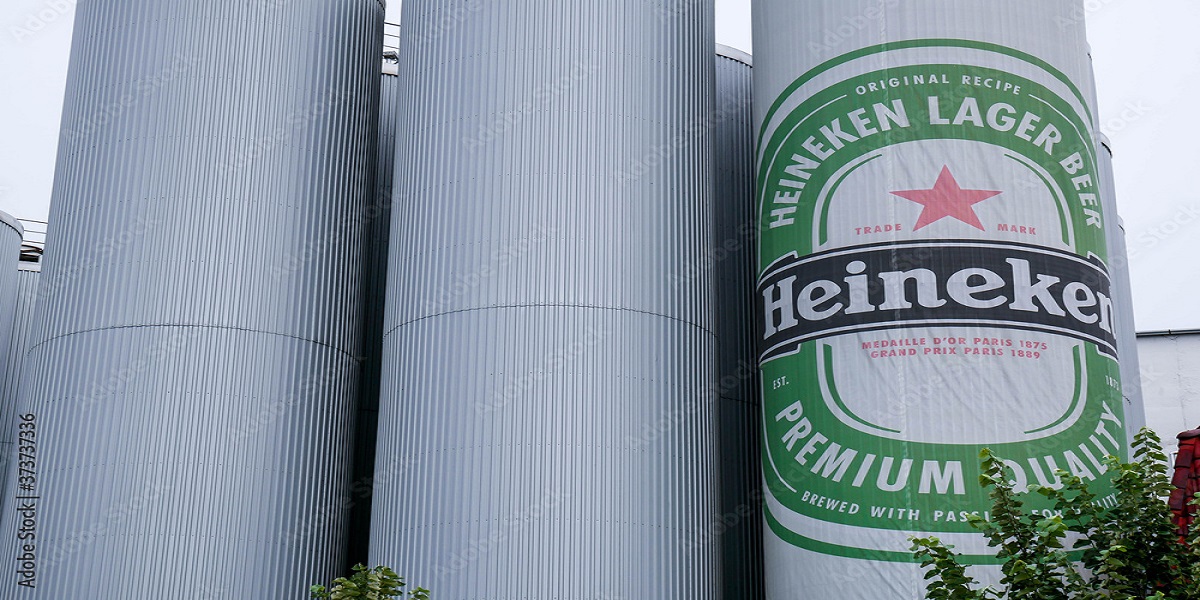
After Demonstration Of Interest From Several Municipalities In Minas Gerais, The City Of Passos Was Chosen By The Company Heineken To Host Its Newest Factory, Which Will Receive An Investment Of R$ 1.8 Billion
It was announced this Wednesday, the 27th, that the city of Passos, in Minas Gerais, was chosen by the brewery Heineken as the site for its newest manufacturing unit in Brazil. The decision came after the company’s withdrawal from installing the factory in the city of Pedro Leopoldo, also in Minas Gerais. The initial investment is R$ 1.8 billion, and the factory’s production capacity will be 500 million liters per year, with plans for future increases in that amount.
The announcement took place during an event for the signing of a Conduct Adjustment Term between the state of Minas Gerais, the Public Ministry, and the company Heineken. Present were Romeu Zema – governor of Minas Gerais –; Mauricio Giamellaro – president of the Heineken group –; Diego Oliveira – mayor of Passos –; Carlos Bruno Ferreira da Silva – federal prosecutor – as well as other state representatives and those from the company.
The opening of the factory is projected for the year 2025. According to forecasts from the Heineken Group, the installation will employ 350 people and provide around 11,000 indirect jobs. This unit will be the 15th factory of the brewery in Brazil and, according to the company, the first to be conceived and built from scratch.
-
BNDES and a Chinese bank create a billion-dollar fund of $1 billion to invest in Brazil in energy, infrastructure, mining, agriculture, and AI.

-
INSS confirms the 2026 13th salary calendar, but excludes thousands of elderly from payment; find out now who is left out and how to check by CPF.

-
Even facing a shortage of professionals, the construction industry generated 31,099 formal jobs in February, once again driving the labor market in Brazil and showing that it still fuels the economy.

-
IR 2026 will affect those who have crypto: the Revenue Service receives monthly data, pre-filled forms pull even cashback from Mercado Pago, and exchanging Bitcoin for USDT becomes a taxable sale; declare correctly or fall into scrutiny.

The production unit will be responsible for manufacturing the pure malt brands, such as Heineken and Amstel. In addition, the brewery will be located along the MGC-146, which connects Passos to the city of São João Batista da Glória, where a soybean plantation is currently situated.
Several Municipalities In Minas Gerais Competed For The Site Of The New Enterprise
Mauricio Giamellaro, president of the company in Brazil, stated that the company was contacted by more than 200 municipalities in the state of Minas Gerais interested in hosting the new factory, which were very receptive and accommodating in making themselves available to the group. “We are very happy with this recognition and would like to reiterate our gratitude to all the municipalities,” Giamellaro added.
In an interview with the news system Broadcast, the company said that the interested cities were willing to offer great land options, in addition to a favorable environment for the installation of a venture of this magnitude.
Without going into details about the tax incentives received, the Heineken group also stated: “As is naturally the case in negotiations in the industry, we received state and municipal incentives to make it possible to follow through with our expansion plans in the state.” However, despite the incentives offered, the initial investment for the installation of the new factory in Minas Gerais will come from the company’s own capital.
Watch this video to learn more about the opening of the new Heineken factory in Passos:
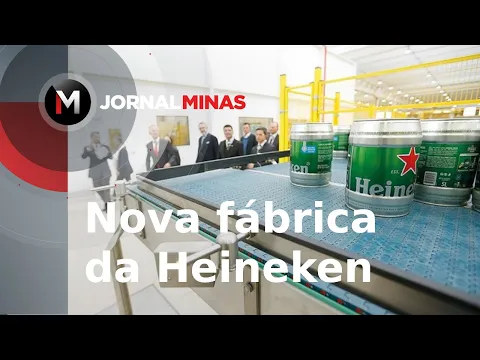

Brewery Heineken Plans To Use Only Renewable Energy Sources In The New Production Unit
The new factory will use only renewable energy resources, also adopting water efficiency practices. According to the company, this will be the most sustainable production unit of the Heineken group to date.
Furthermore, the municipality of Passos has also been included in Heineken’s renewable energy distributed generation project. Thus, residents of the city, through a digital registration on the company’s website, will be able to benefit from green energy, as will local bars and restaurants. As a consequence, there could be a reduction of up to 15% in these individuals’ monthly expenses.
The Heineken group has not disclosed how much it costs the company to extend access to clean energy to the rest of the local population.





Seja o primeiro a reagir!