Portuguese
  Spanish


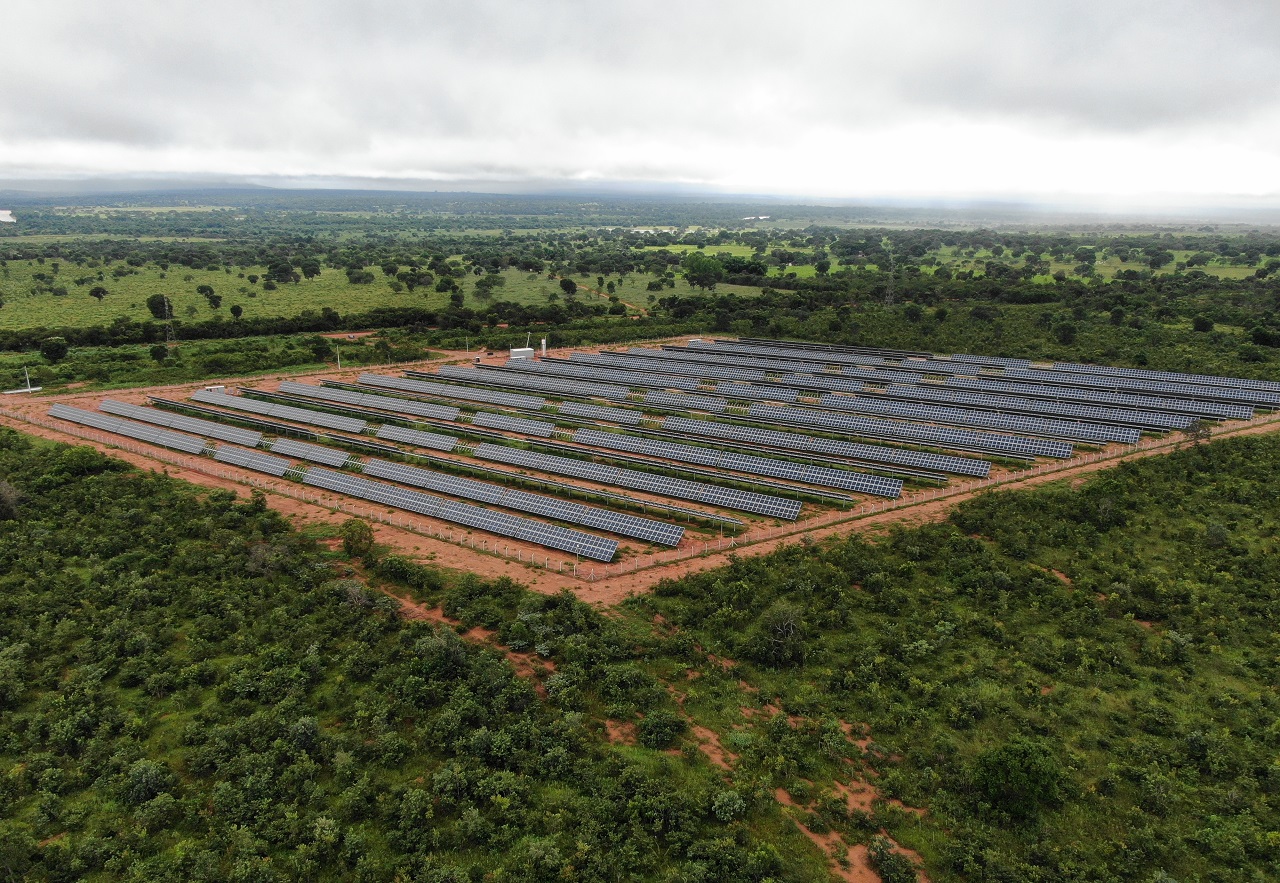

Ambev and Budweiser Launched the ‘The Energy Collective’ Program, Aiming to Make Access to Renewable Energy Around the World Easier and More Affordable.
Ambev and Budweiser, together with ABInbeV launched worldwide this Monday (25) the ‘The Energy Collective’, an initiative that aims to bring renewable energy to bars, concert halls, restaurants, and stadiums around the world. The first phase of the Ambev and Budweiser project targets the Brazilian market, where Lemon Energia, a startup accelerated for approximately two years by Z-Tech, Ambev’s innovation and technology hub, is already doing an excellent job alongside small and medium entrepreneurs, making renewable energy more accessible without any construction or investment, resulting in reduced electricity bills.
Discounts Using Ambev and Budweiser’s ‘The Energy Collective’ Can Reach Up to 20%
In this two-year period, Lemon’s initiative has already reached more than 2,700 establishments spread across four states in the country, representing savings of over R$ 3.7 million in the energy tariff of its clients, a base mainly composed of bars and restaurants. The discounts for establishments registered in ‘The Energy Collective’ can go up to 20%.
In addition to savings, the impacts of consuming renewable energy through Ambev’s innovation and technology hub services are also essential for the planet, considering that more than 2,300 tons of CO2 have not been emitted.
-
Fired during apartheid and with a little borrowed money, an electrician started with a borrowed truck and transformed electrical services into a group connected to energy, real estate, and infrastructure in South Africa.

-
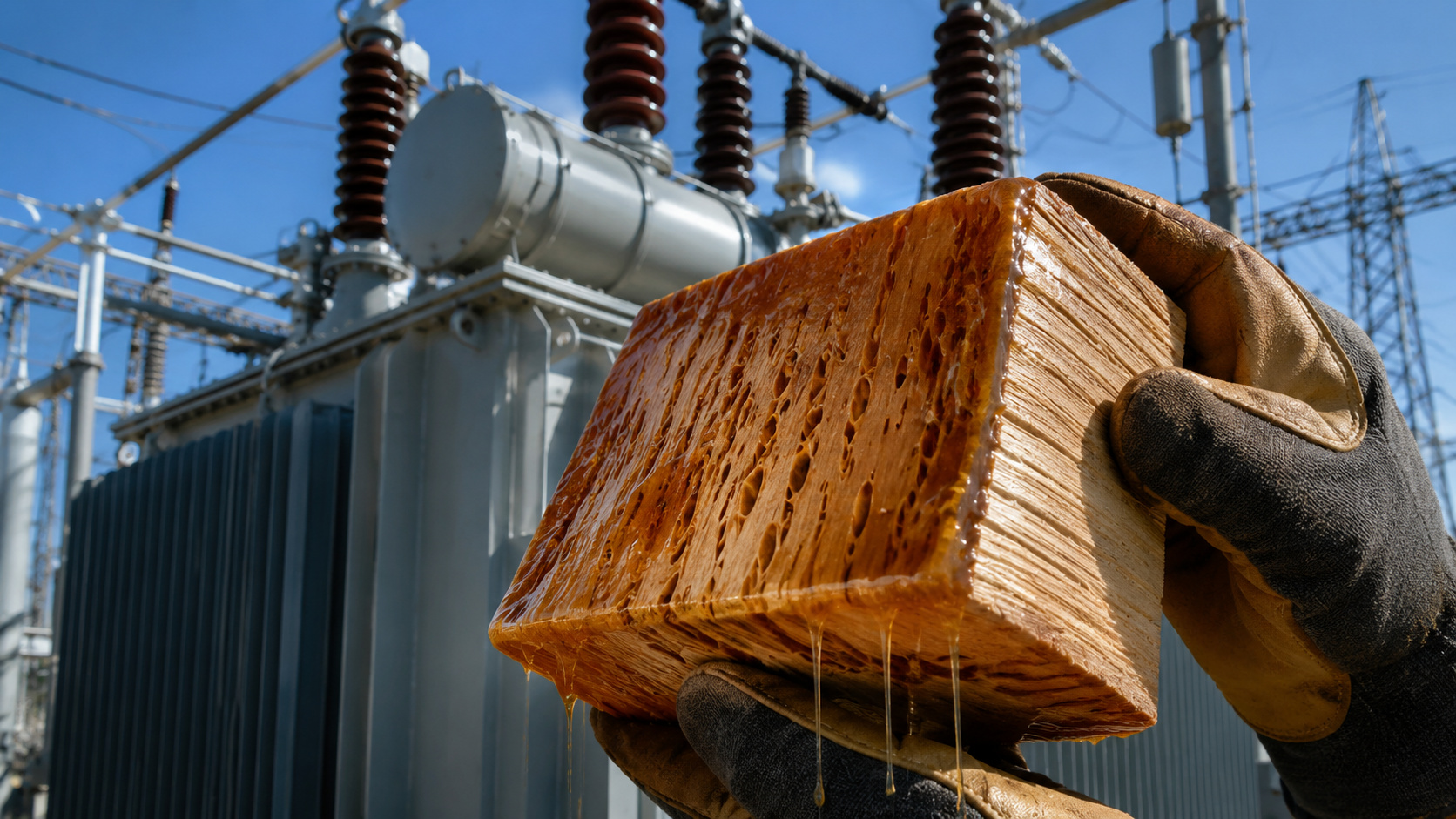
Wood has ceased to be just a construction material in Yale research and has become insulation for electrical transformers that face intense heat, aging, and increasing pressure from the renewable energy-powered grid.
-
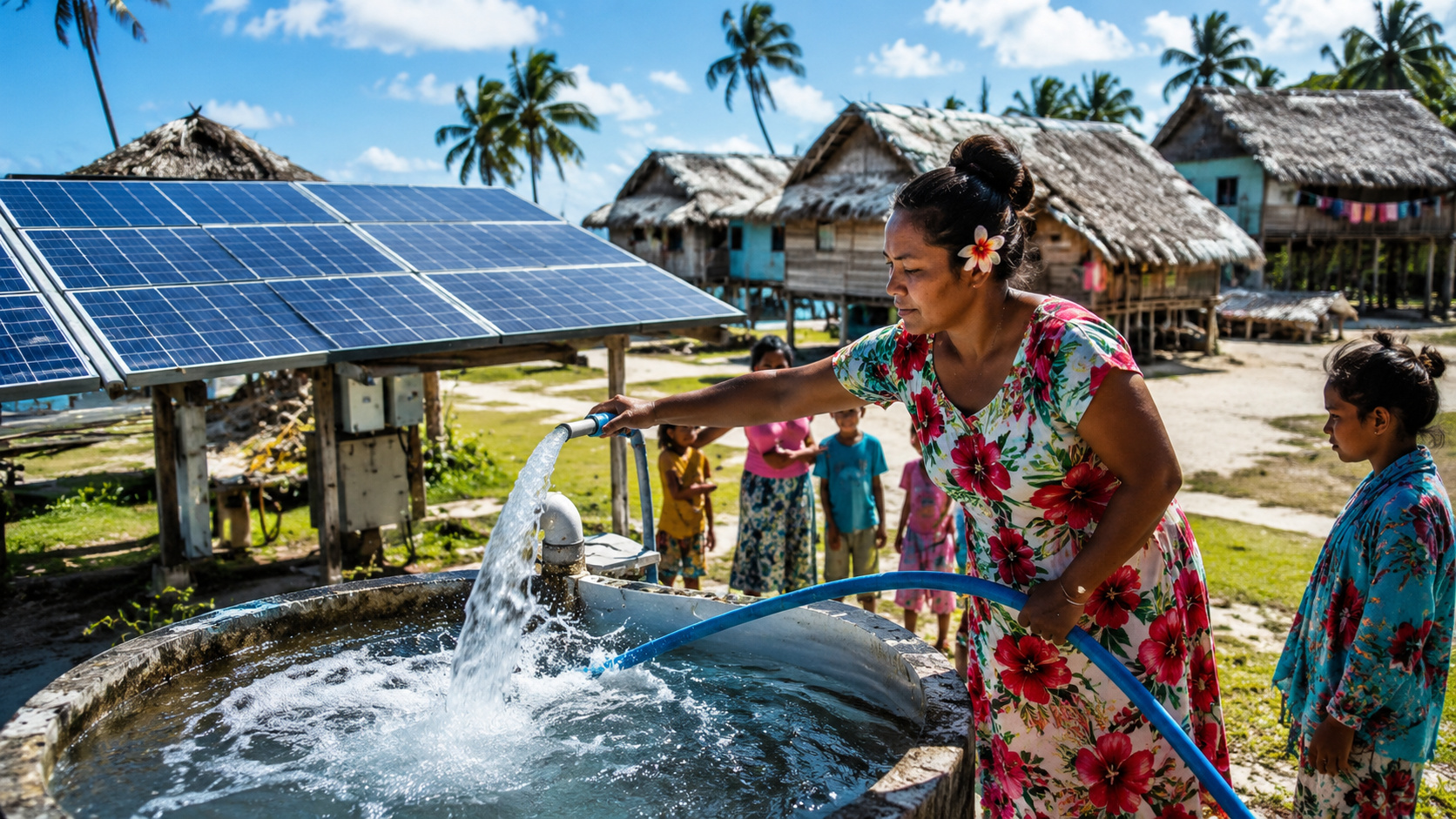
More than 1,000 residents of a remote island in Kiribati now have clean water and electricity with solar systems operated by the community itself.
-
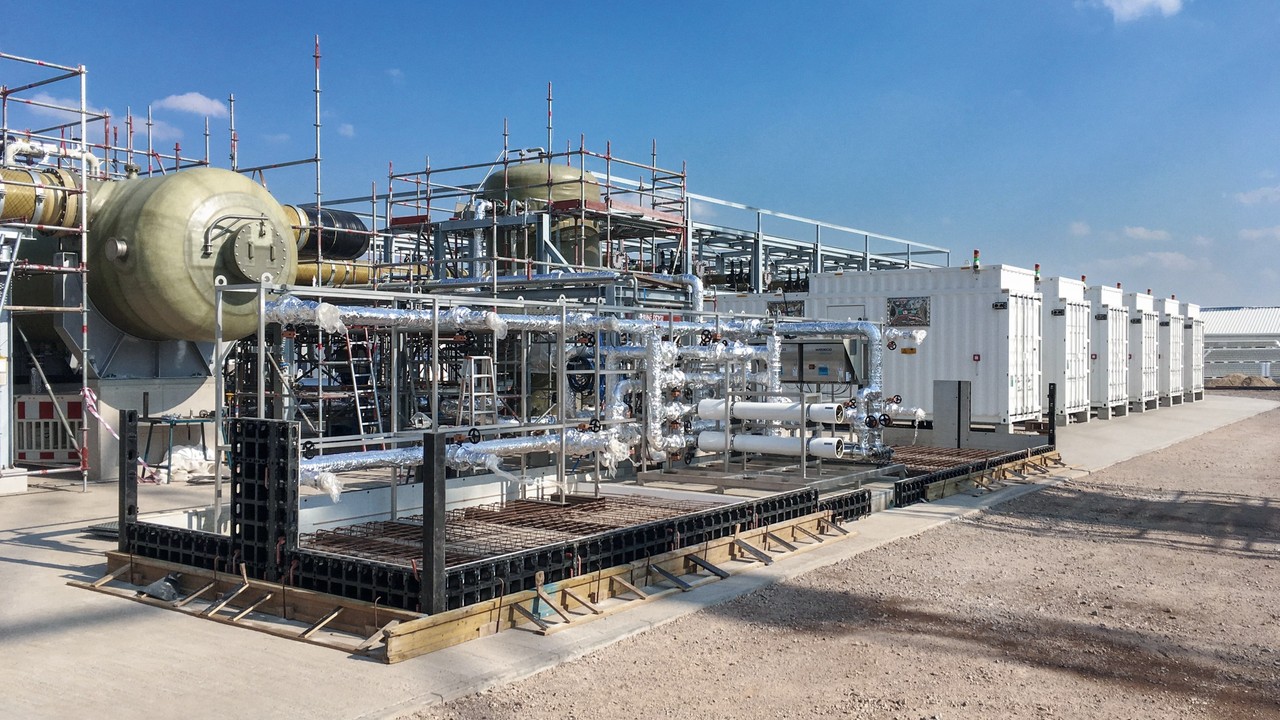
Ceará brings together 7 giants and R$ 66 billion to transform Pecém into the largest green hydrogen hub in Brazil, with final decisions expected by the end of 2026.


Budweiser expects that more than 250,000 establishments will make this transition to renewable energy in Brazil by 2025, which corresponds to about 290,000 tons of carbon dioxide not emitted into the atmosphere, or the same monthly work of more than 4 million trees planted.
‘The Energy Collective’ Promises to Provide Renewable Energy to Registered Establishment Owners with No Investment Required
In addition to reducing costs and emissions, the solution of ‘The Energy Collective’ in the country also promotes the democratization of access to energy generated from renewable sources without requiring investments for adherence, construction for installing solar panels, or maintenance fees, as clients of Ambev and Budweiser’s program access locally produced renewable energy while remaining connected to the distribution network.
According to Lemon’s CEO, Rafael Vignoli, energy is essential, and it is only fair to provide the customer with the option of choosing renewable energy in the simplest, most digital, and economical way possible. According to Vignoli, it is the company’s role to turn a mission into reality, and the partnership between Ambev and Budweiser further consolidates this commitment.
The project also represents a significant step towards Ambev’s sustainability, which last year unveiled its plan to eliminate its net emissions, both direct and indirect, in its value chain by 2040.
Learn More About Ambev’s Sustainability Projects
With sustainability as a business focus, Ambev operates with an emphasis on the ESG concept, which refers to a long-term strategic and multi-stakeholder vision aligned with transformative and positive socio-environmental impact, considering care for people and communities and the preservation of natural resources where it operates.
With its commitment to building a better world, the company is part of the group of companies that integrate the Brazilian Network of the United Nations Global Compact (UN). The initiative brings together companies that, in partnership with the international community, are willing to work together to manage business more sustainably.