





 Portuguese
  English
  Spanish
  5 min of reading
  0 comments



Discover How the Energy Transition Rally Discusses Challenges and Opportunities in the Sector, Uniting Innovation, Inclusion, and Sustainability in Brazil.
The Energy Transition Rally for COP30 emerged as a highly relevant initiative for the Brazilian energy sector, bringing together representatives from the government, the private sector, and institutions related to energy.
Moreover, with the aim of discussing the challenges and opportunities of the energy transition, the event highlighted the need to modernize electrical grids, expand access to energy, and strengthen effective public policies.
Since its inception, the rally has established itself as a platform for strategic dialogue, thus contributing to a more sustainable and inclusive energy future.
-
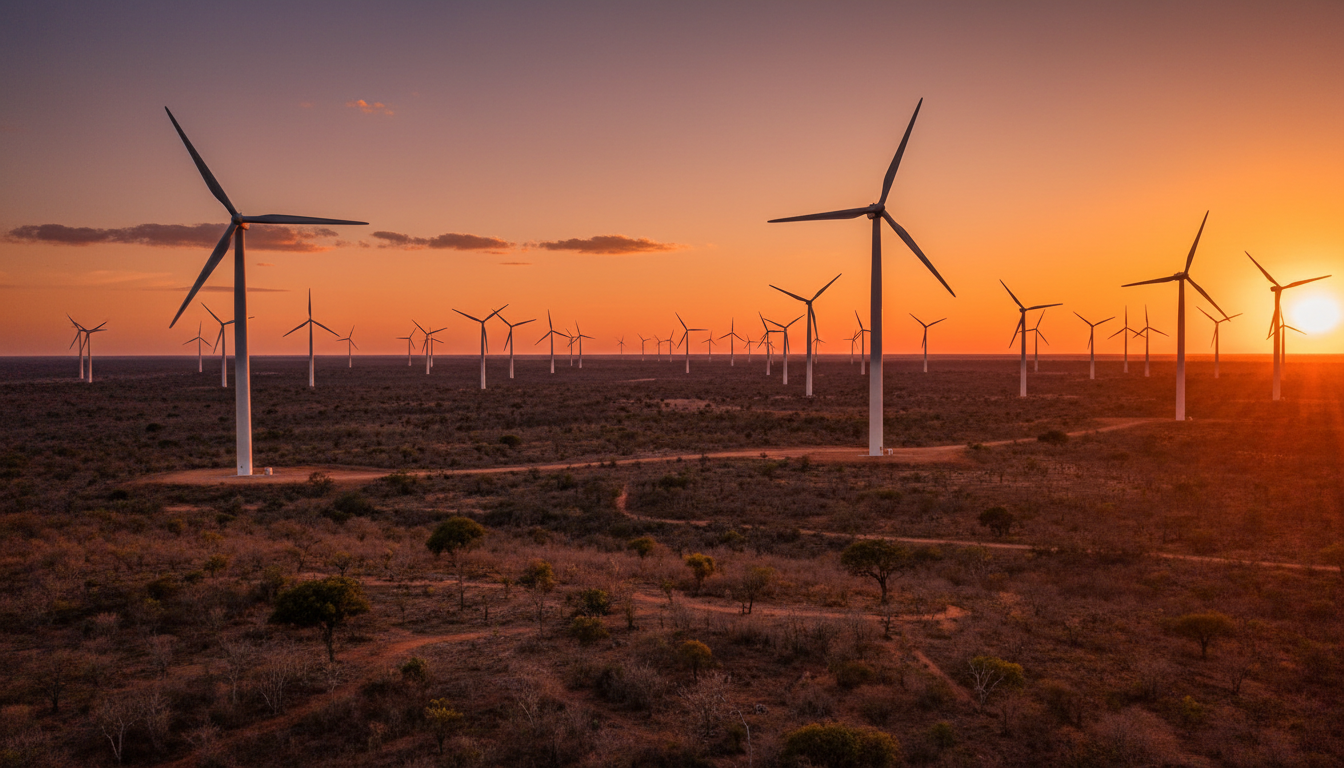
The Brazilian Northeast is receiving the largest wave of investments in clean energy ever seen in the country, with R$ 200 billion in wind and solar, 9,000 km of transmission lines, and a promise that could change the economy of 60 million people.
-
Chinese company creates solar cell that breaks the physical limit of silicon with 34.85% efficiency and promises to revolutionize electricity bills with panels that generate 20% more energy starting in 2026.

-
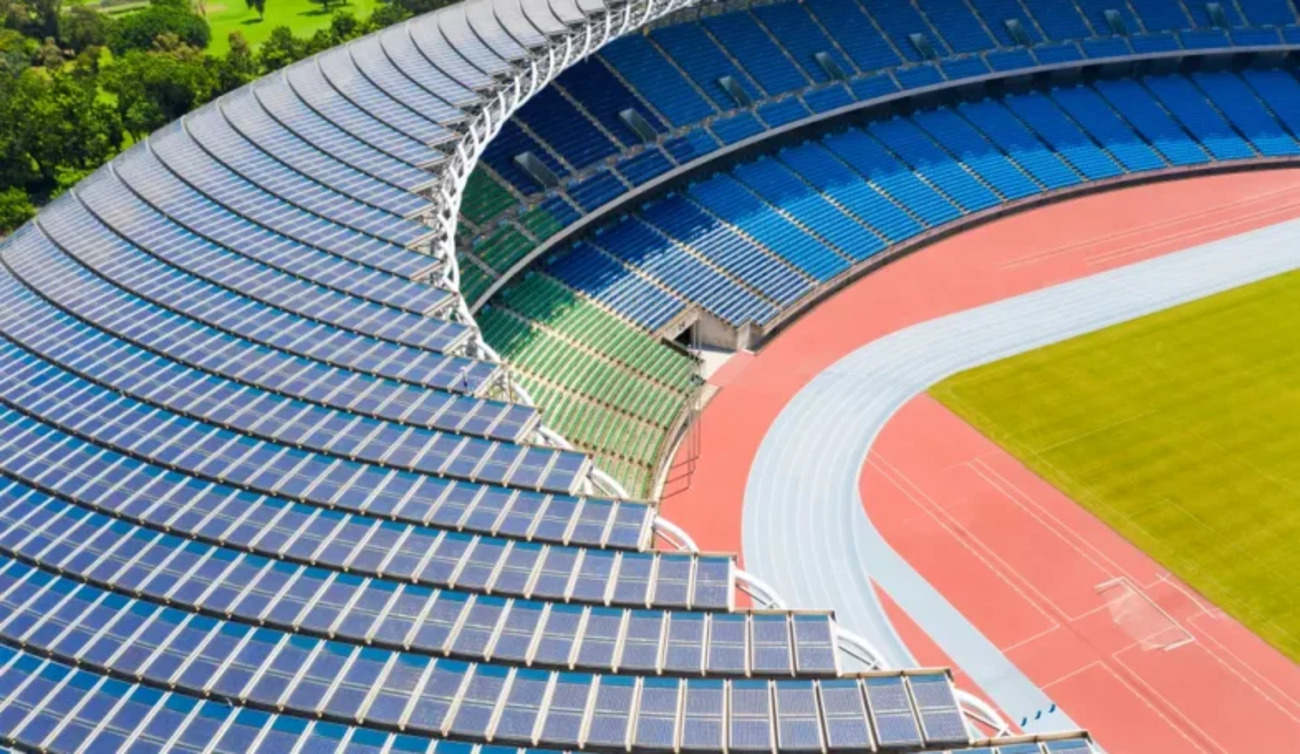
How green infrastructure and renewable energy at the World Cup transform the logistics of the largest sporting event on the planet in North America.
-
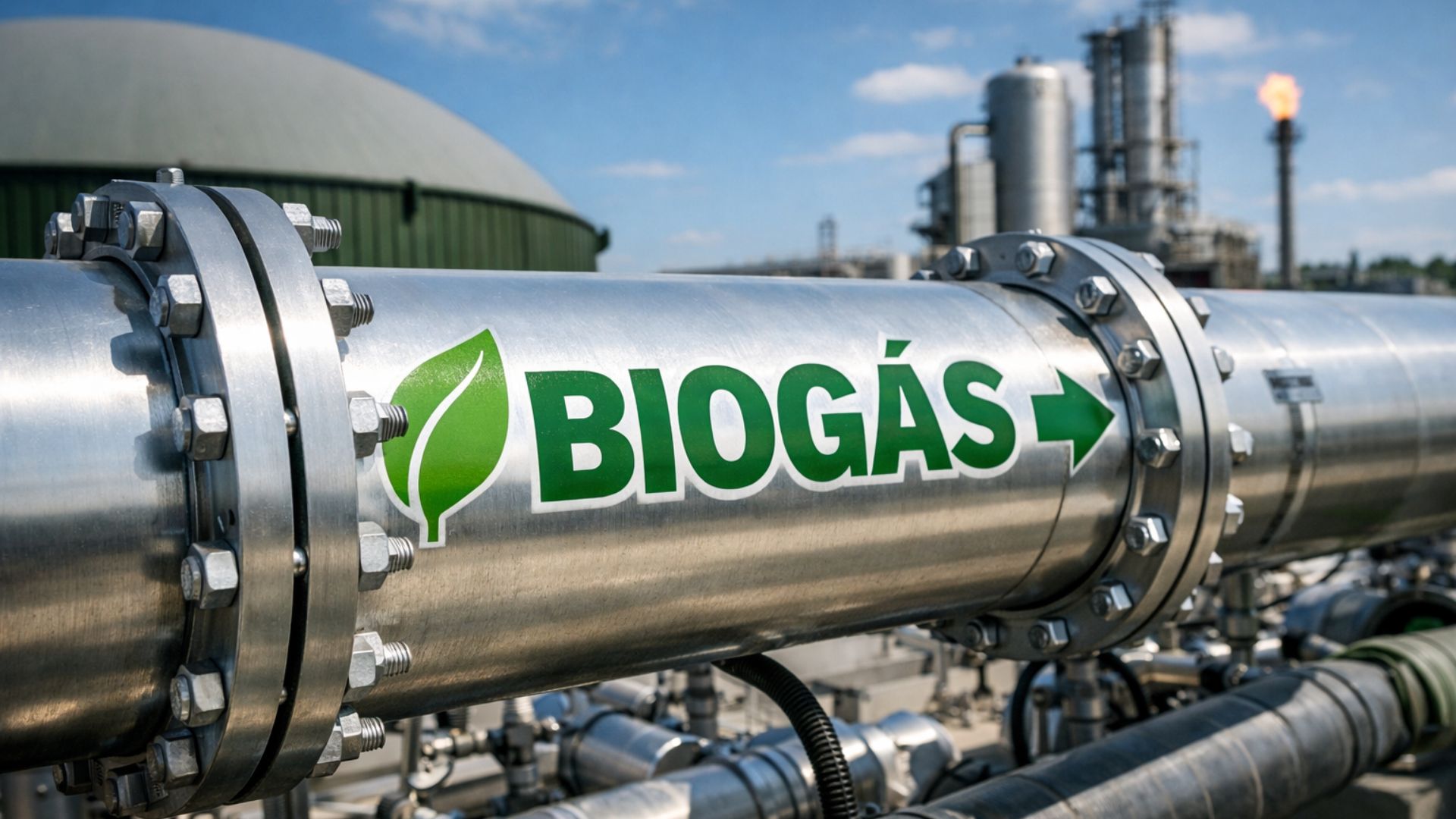
The Cagece and UFC project advances in sustainable innovation with biogas by converting waste into renewable energy, reducing environmental impacts, and increasing sanitation efficiency with concrete and measurable results.
Historically, Brazil has always maintained a diversified energy matrix, but at the same time, it has been marked by structural challenges and regional inequalities.
For example, electrification began in the early 20th century, focusing on large urban centers, while many rural areas remained without access to electrical energy.
However, programs like Light for All, launched in 2003, marked history by bringing electricity to millions of Brazilians in remote areas.
In this context, the Energy Transition Rally emerges as an effort to expand energy and make it cleaner, more efficient, and resilient.
Additionally, over the decades, the Brazilian energy sector has demonstrated that structured policies, accompanied by technical and social management, promote lasting and continuous change.
Expansion and Resilience of Electrical Grids
The first panel addressed the expansion and resilience of electrical grids, discussing ways to accelerate sector modernization through innovative technological solutions, such as energy storage.
Consequently, the digitization of grids allows for greater operational efficiency and rapid responses to extreme weather events.
With climate change and the increase in natural disasters, strengthening the resilience of electrical grids has become a strategic priority.
Furthermore, the debate highlighted the need for planning for large energy consumers, such as data centers and green hydrogen production, as well as coordination between regulation and private investments.
Representatives from the Ministry of Mines and Energy (MME), the National System Operator (ONS), private companies like Hitachi, the Global Renewables Alliance (GRA), the Environmental and Sustainability Forum of the Electric Sector (FMASE), and State Grid participated in the panel.
Therefore, the presence of various actors highlighted the complexity of the Brazilian energy sector, showing that the energy transition requires cooperation among different sectors and levels of government.
Additionally, the discussions emphasized that technological innovation must go hand in hand with public policies that integrate sustainability, energy security, and economic competitiveness.
Expanding Access to Energy
The second panel focused on access to energy, a central theme for ensuring social justice and energy inclusion.
Indeed, many Brazilian regions still face challenges in obtaining reliable and clean energy, consequently impacting quality of life, education, and the local economy.
Thus, during the panel, participants presented strategies to expand access to electricity and clean cooking, highlighting the mobilization of financing and risk mitigation instruments to enable sustainable and inclusive solutions.
Furthermore, representatives from the IDB, the World Bank, Abiogás, Engie, Sindigás, and the MME reinforced the importance of technologies suitable for regional realities, as well as the need for adapted regulatory frameworks.
Integrating access to energy in long-term national development strategies emerged as a priority, ensuring that economic growth keeps pace with social equity.
André Dias, director of the Department of Universalization and Social Energy Policies at MME, asserted that access to electric energy is a fundamental right and highlighted how Light for All continuously renews itself, engaging with other initiatives like Light for the People and Gas for the People.
Moreover, the panel emphasized that providing electric energy strengthens the local economy and encourages small businesses, creating jobs and opportunities in vulnerable communities.
Energy Planning for a Just and Inclusive Transition
The third panel discussed energy planning for a just and inclusive transition, highlighting the importance of transforming strategies into concrete instruments to mobilize investments.
Thus, energy planning serves as an essential guide, providing reliable data that allows decision-makers and funders to analyze scenarios and implement public policies efficiently.
Additionally, Mariana Espécie, special advisor to the MME and panel moderator, highlighted that planning is a strategic differentiator for Brazil, enabling it to see opportunities that many other countries do not have.
Representatives from the Energy Research Company (EPE), BNDES, the International Renewable Energy Agency (IRENA), and Neoenergia participated in the panel, reinforcing collaboration between the public and private sectors, as well as the international integration of experiences and best practices.
Therefore, the exchange of knowledge highlighted the importance of events like the rally to consolidate a more modern, resilient, and socially inclusive energy sector.
Moreover, strategic planning showed the need for continuous monitoring, risk analysis, and policy adaptation to technological and climatic changes.
Sustainability and Economic Development
The Energy Transition Rally also highlighted the urgency of combining environmental sustainability with economic development.
Indeed, the energy transition involves technical, political, social, and economic issues.
Therefore, adopting renewable energies, using resources efficiently, and universalizing access to energy are essential measures to ensure that Brazil advances in a balanced and sustainable manner.
The event demonstrated that aligning technology, regulation, and financing enables addressing historical and contemporary challenges in the sector.
Moreover, the rally reinforced the need for an integrated approach, where public policies interact with private initiatives and civil society.
Cooperation among different actors creates a safer and more predictable environment for investments in clean energy and ensures that the benefits of the energy transition reach everyone.
Additionally, the inclusion of young professionals and local communities in decision-making processes strengthens social and technological innovation and broadens the positive impacts of the sector.
Historical Lessons and International Impacts
Initiatives like Light for All and regional electrification programs show that consistent policies, long-term planning, and technological adaptation overcome infrastructure challenges and inequality.
Thus, the Energy Transition Rally emerges as a contemporary milestone, bringing together historical experiences, technical knowledge, and new technologies to create a more modern and inclusive energy sector.
At the same time, Brazil inspires other nations to integrate sustainable energy policies and social development.
The event also strengthens Brazil’s position in international forums, such as COP30, highlighting its commitment to the global climate agenda and the Sustainable Development Goals.
Additionally, it promotes technological innovation, job creation, and expanded access to energy, consolidating the country as a reference in public policies for energy transition.
Indeed, the participation of various international actors accelerates the adoption of clean and inclusive solutions throughout the national territory.
In summary, the Energy Transition Rally for COP30 represents more than an event for debate; it symbolizes Brazil’s continuous effort to transform its energy sector.
By integrating strategic planning, technological innovation, social inclusion, and environmental sustainability, the rally establishes itself as a critical tool for facing challenges and preparing the country for a safer, more resilient, and equitable energy future.







Seja o primeiro a reagir!